

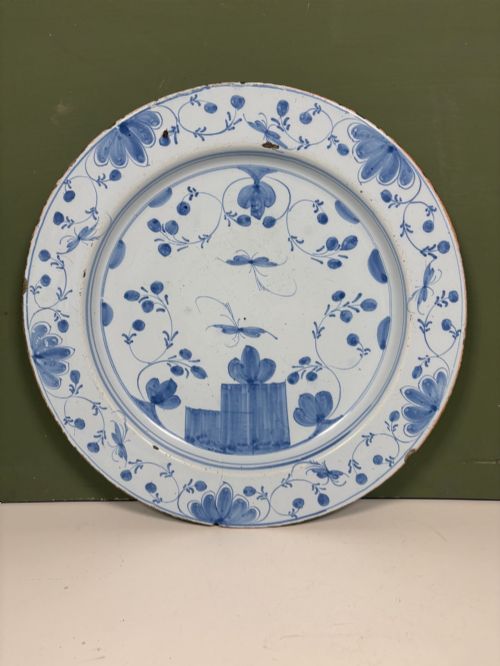


Antique Delftware Display Plate
An antique delftware display plate brings tin-glazed earthenware and hand-painted cobalt pigment into a room to catch the eye on a wall or dresser.
Antique Delftware Display Plate
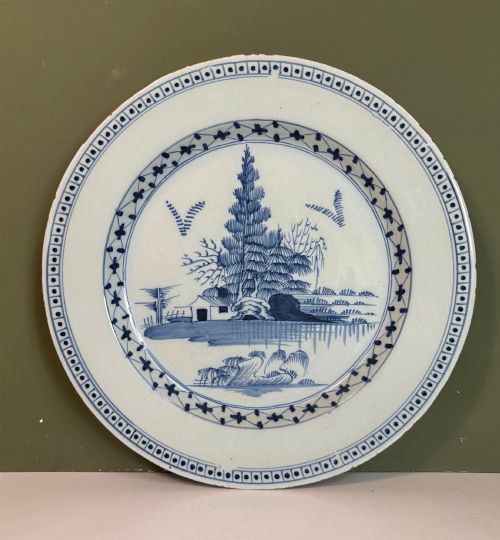
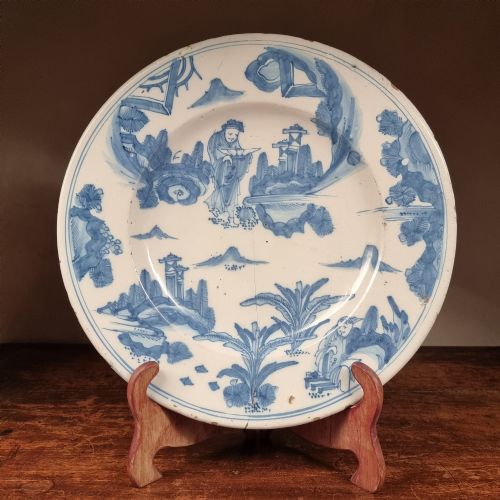
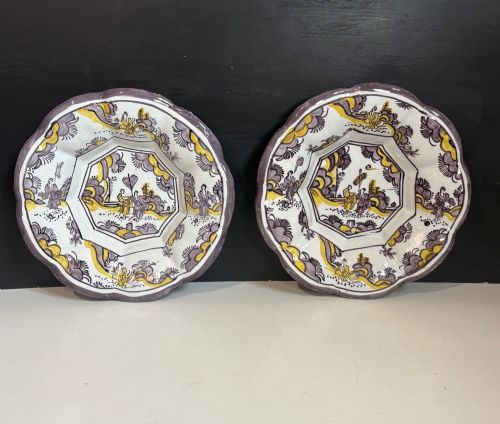
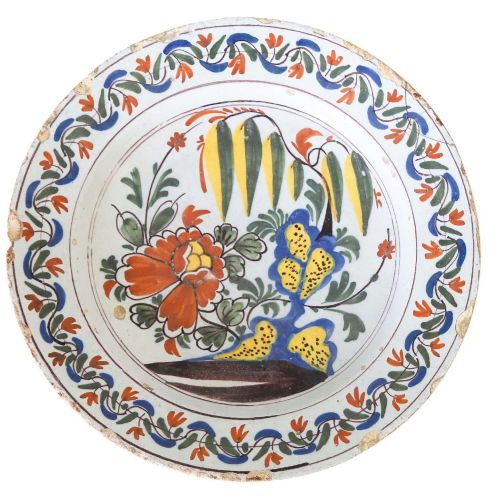
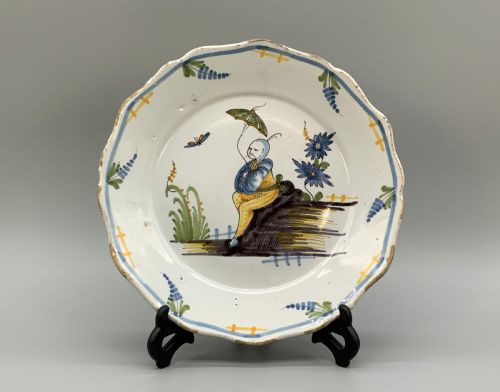
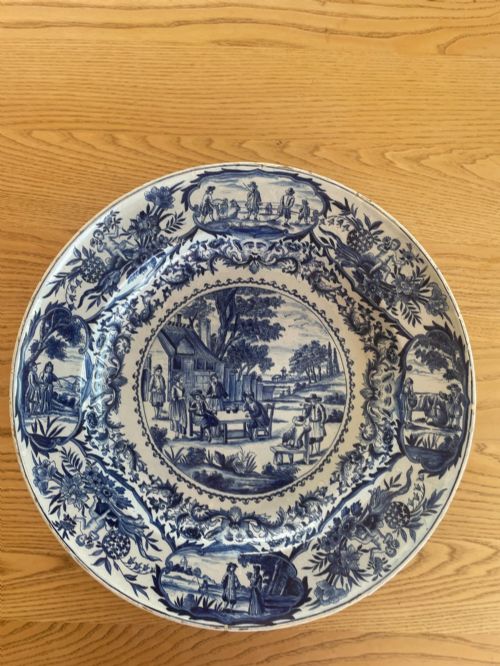
When someone searches for an antique delftware display plate, they encounter chargers, dishes and wall plates spanning the seventeenth, eighteenth and nineteenth centuries. These pieces originate primarily from English and Dutch workshops, taking the form of large chargers or smaller service plates designed to be shown.
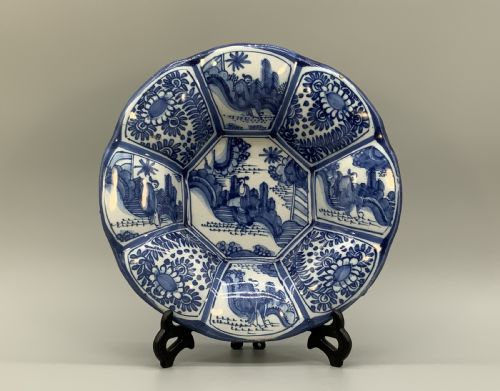
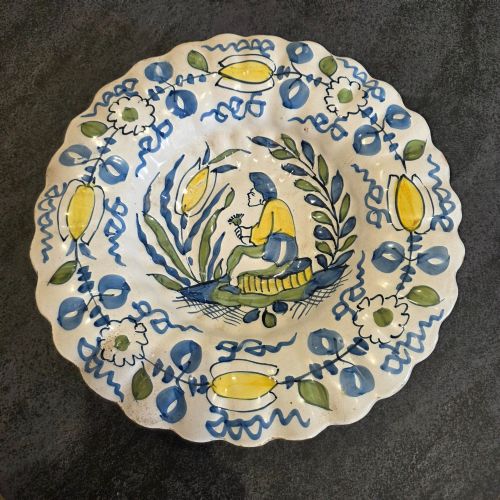
The versions most common in this selection are eighteenth-century Dutch and English examples, alongside seventeenth-century Kraak-style pieces. Forms range from broad chargers with geometric floral decoration to lobed dishes bearing Chinese-inspired motifs.
Materials and Technique
Makers shaped these items from earthenware, applying a tin glaze that created an opaque white surface suitable for painting. Artisans then worked with cobalt pigment and other colours, applying designs directly onto the unfired or fired glaze.
Grand feu techniques and manganese applications appear frequently across the pieces, fixing the pigments firmly into the tin-glazed body during firing.
Antique Delftware Display Plate Retail Price Guide 2026
Typical asking prices for delftware display plate among the pieces listed under this phrase on Sellingantiques today, from the lower quarter to the upper quarter. They describe what is for sale here now, not the wider market.
Painters occasionally added hidden brush strokes near the foot rim, leaving a quiet signature of their hand centuries later.
Evaluating Quality
The distinction between tiers rests upon the confidence of the brushwork and the clarity of the painted cobalt or polychrome pigments against the tin glaze. Tighter, more expressive floral or Chinoiserie details set finer pieces apart from simpler output.
Proportion and scale also define the work, particularly on larger chargers where maintaining a balanced composition across a broad surface demands exceptional skill from the painter.
The Antique Delftware Display Plate Glossary
- Tin-Glazed Earthenware
- Earthenware covered with a lead glaze made opaque by the addition of tin oxide. This white surface served as the canvas for painted decoration.
- Charger
- A large ornamental plate intended primarily for display on a wall or sideboard rather than for service at the dining table. These broad dishes showcase the principal painted scenes.
- Polychrome
- Decoration employing multiple colours rather than blue alone. On these ceramics, palettes typically include yellow, manganese and green alongside cobalt.
- Kraak Style
- A manner of decoration inspired by Chinese export porcelain of the late Ming dynasty, featuring panelled borders and central landscape or floral motifs.
- Grand Feu
- A high-temperature firing technique used for tin-glazed ceramics, allowing pigments to fuse directly into the raw glaze for lasting depth.
Antique Delftware Display Plate: Frequently Asked Questions
How were antique delftware display plates used?
These large dishes and chargers served primarily as decorative ornaments in domestic interiors, displayed on walls, dressers or sideboards to show off wealth and taste.
While constructed from earthenware, their function was visual rather than utilitarian, designed to catch the light and display intricate hand-painted motifs.
How do I tell English and Dutch delft apart?
English pieces often display softer, warmer pastes and distinct regional colour palettes, while Dutch examples frequently lean towards crisp cobalt blue and bright polychrome.
Examining the glaze consistency and the style of the floral or Chinoiserie brushwork helps point towards the likely country of origin.
What does Chinoiserie mean on these plates?
Chinoiserie refers to European interpretations of Chinese artistic motifs, popular among seventeenth and eighteenth-century ceramic painters.
Plates with this style feature imaginative landscapes, pagodas and figures rendered in blue pigment or bright polychrome colours.
How should I hang a heavy charger?
Displaying a large tin-glazed charger safely requires a dedicated wall mounting system that supports the entire base without putting pressure on the rim.
Spring-loaded brass hangers padded at the contact points allow the piece to be secured firmly against a vertical surface.