
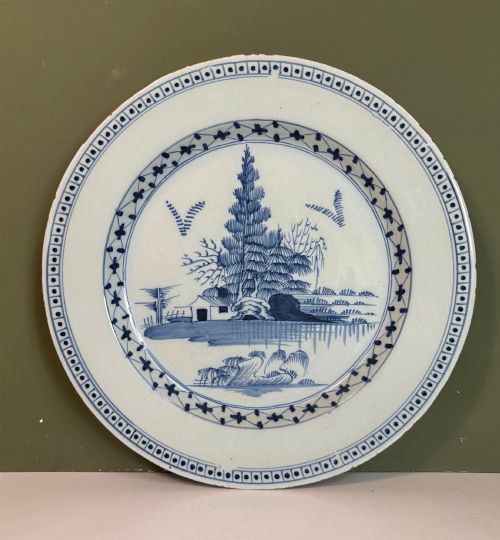

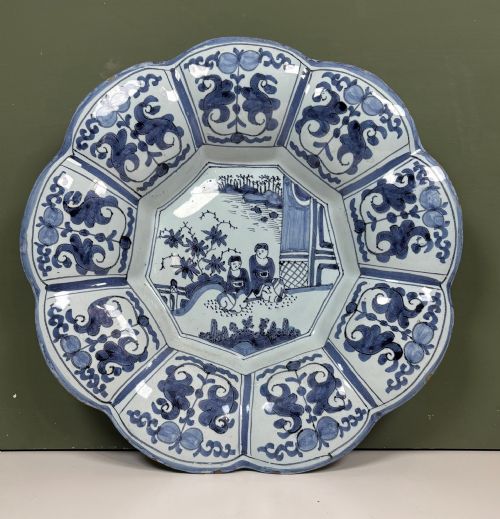
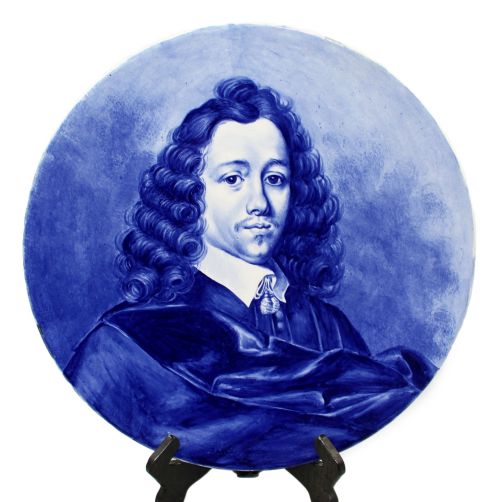
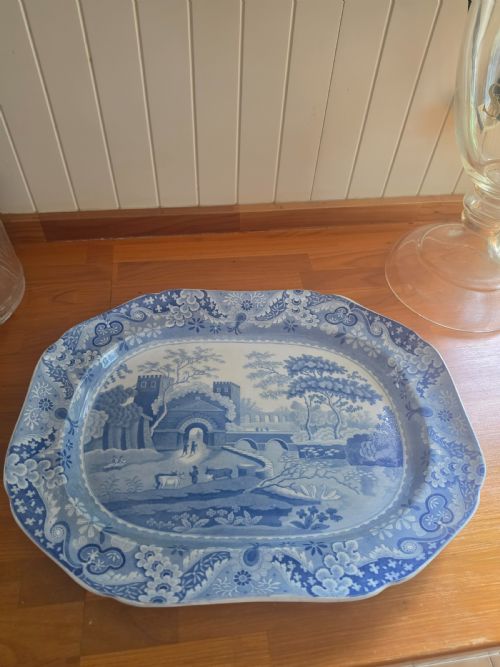

Blue White Earthenware Plate
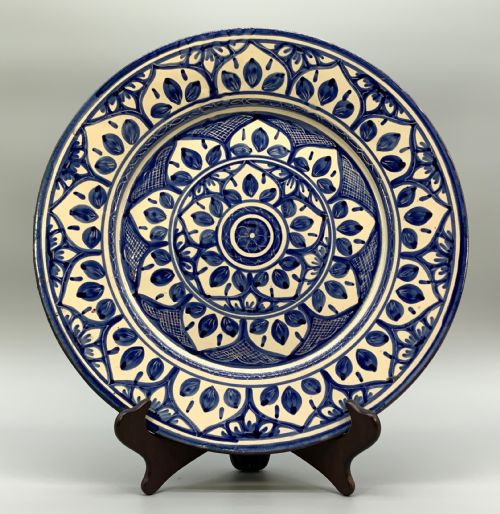
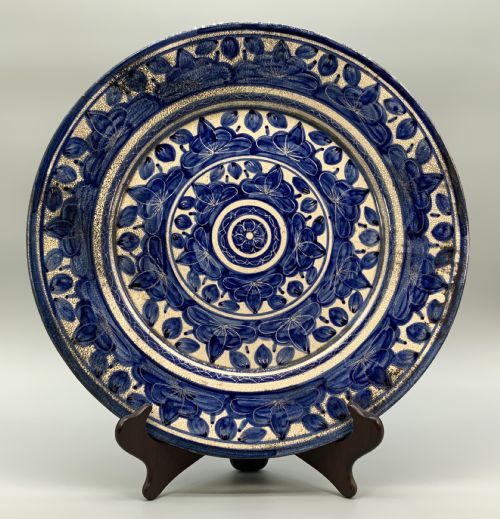
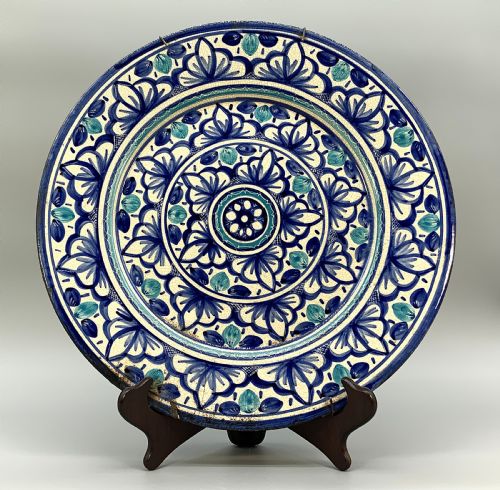
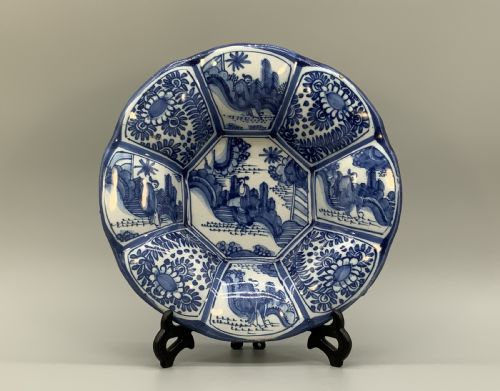
A blue white earthenware plate brings centuries of quiet domestic history to your table, combining crisp cobalt decoration with robust ceramic forms.
Understanding blue white earthenware plate
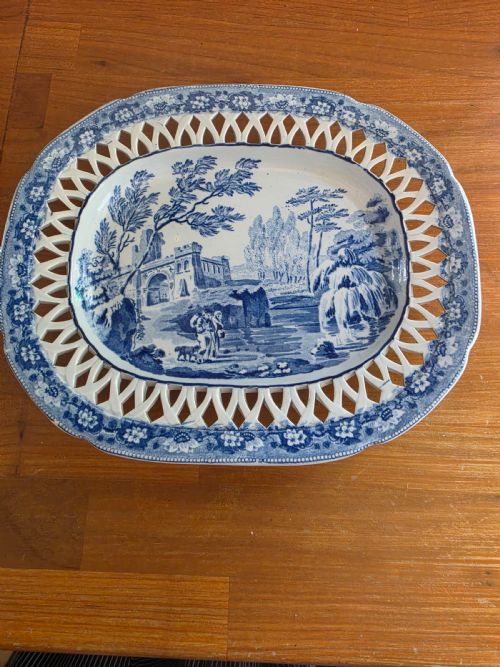
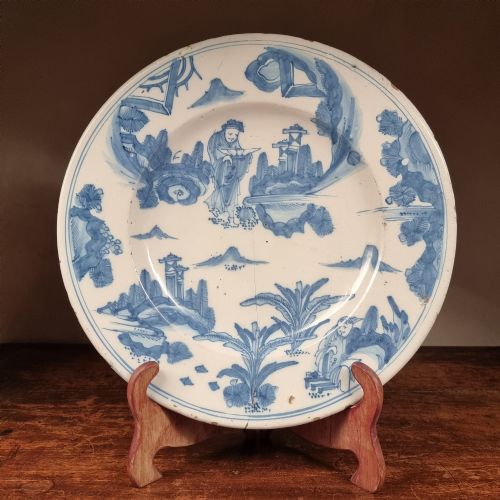
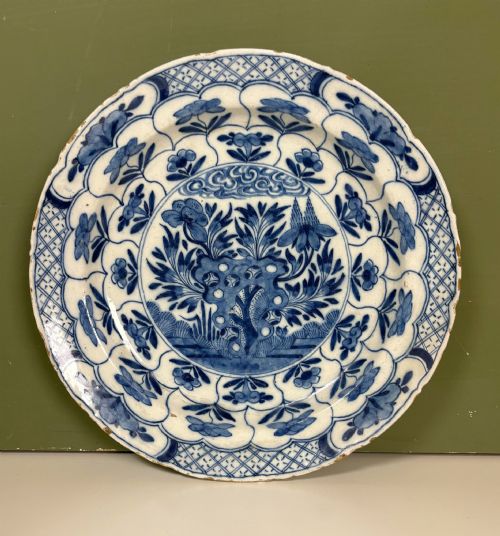
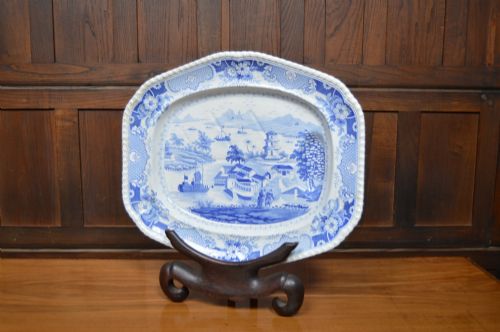
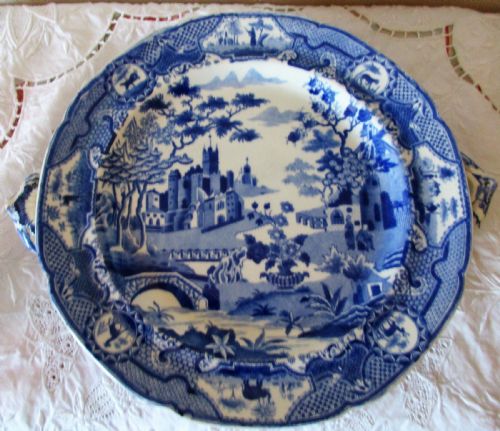
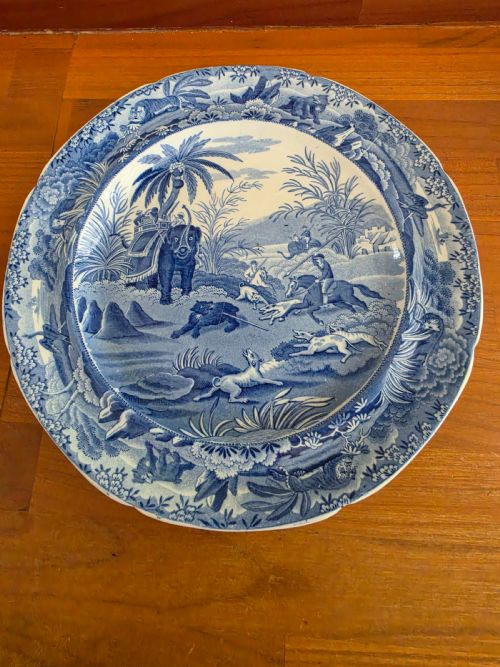
A blue white earthenware plate spans both English Georgian transferware and Dutch delftware traditions, capturing early ceramic artistry on a domestic scale. You will mostly encounter decorative plates from the eighteenth and nineteenth centuries, featuring pastoral scenes or historical moments rendered in deep blue pigments.
The objects listed range from early small delft examples to transfer-printed earthenware from notable potteries like William Adams and Brameld and Co. Each piece reflects the shifting tastes of collectors who favour early ceramic production methods.
These items primarily function as decorative plates, offering a glimpse into historic domestic interiors without demanding utilitarian service. Their presence on the wall or dresser adds a restrained period accent to any room.
Materials and construction
Potters formed these pieces from local clay bodies, shaping them into flatware before applying a protective glaze. Cobalt pigment was then brushed onto the surface by hand or transferred using engraved copper plates.
Tin-glazed earthenware required careful firing in kilns to fix the glaze and pigment into a durable hard surface. The interaction between the ceramic base and the cobalt pigment produced the characteristic deep blue tones seen across the inventory.
Retail Price Guide 2026
Typical UK retail prices for blue white earthenware plate, calculated from the Sellingantiques database of over a million retail prices indexed since 2003. This retail price guide relies exclusively on Sellingantiques data; no external sources or auction records are used, so the figures do not describe the wider market.
Some nineteenth-century bears met their end on plates before anyone thought to immortalise them on morning toast.
Judging quality
Quality rests in the clarity of the cobalt pigment and the precision of the transferred or painted design. Sharper details and more balanced composition distinguish the finer examples from standard production work.
The integrity of the glaze and the smoothness of the ceramic body further separate superior pieces from lesser items. Early examples show subtle variations in the glaze that reveal the hand of the potter.
William Adams·Brameld and Co
The Blue White Earthenware Plate Glossary
- Earthenware
- A porous pottery body fired at lower temperatures, commonly used for historical domestic plates. It requires a glaze to hold liquids.
- Cobalt Pigment
- A metallic oxide used to achieve deep blue colouring under or over the glaze. This mineral withstands high kiln temperatures without losing intensity.
- Tin-Glazed Earthenware
- Pottery covered with an opaque white glaze containing tin oxide, providing a smooth canvas for painted decoration. It is characteristic of early delftware production.
- Transferware
- A pottery decoration technique involving the transfer of an engraved design from a copper plate via tissue paper onto ceramic. This method allowed consistent reproduction of complex patterns during the Georgian era.
Frequently Asked Questions
How should I clean a blue white earthenware plate?
Dust these fragile ceramic surfaces gently with a dry, soft cloth to remove everyday particles. Avoid immersing historical earthenware in water, as moisture can penetrate old glaze crazing.
Keep them away from modern dishwashers and harsh cleaning agents entirely. Careful handling preserves the original glaze and delicate cobalt pigment for the future.
Can I hang these plates on the wall?
Wall mounting is a traditional way to display decorative plates without risking damage from daily use. Use padded hangers that distribute weight evenly across the rim of the ceramic.
Ensure the wall fixings are secure and positioned away from direct sunlight and heat sources. This protects the earthenware body from unnecessary environmental stress.
How do I date a blue white earthenware plate?
Examine the weight, thickness, and colour of the ceramic body alongside any visible maker marks or named patterns. Eighteenth-century delftware often feels lighter and shows subtle irregularities in the tin glaze.
Nineteenth-century transferware pieces tend to display crisper printed patterns and distinct pottery stamps. Comparing these stylistic details against known historical production helps narrow down the period.