
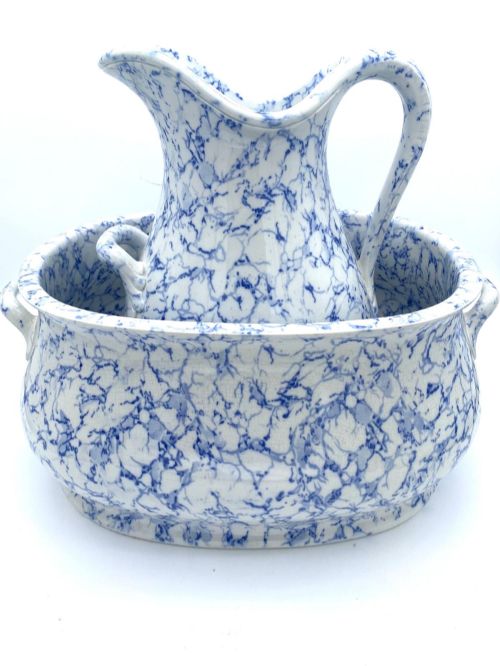
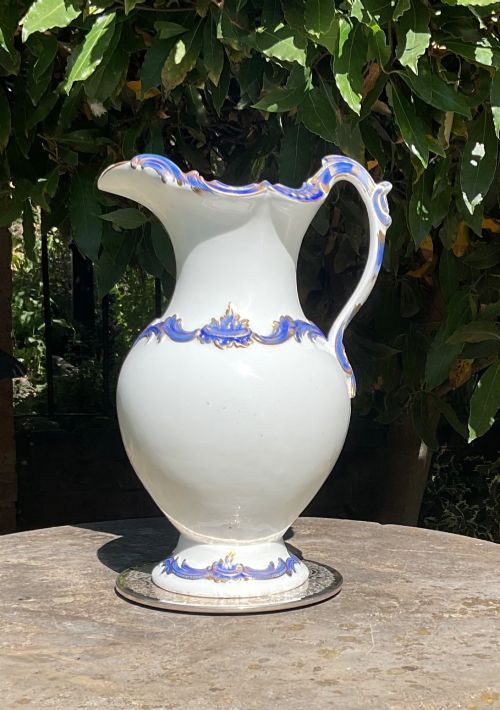
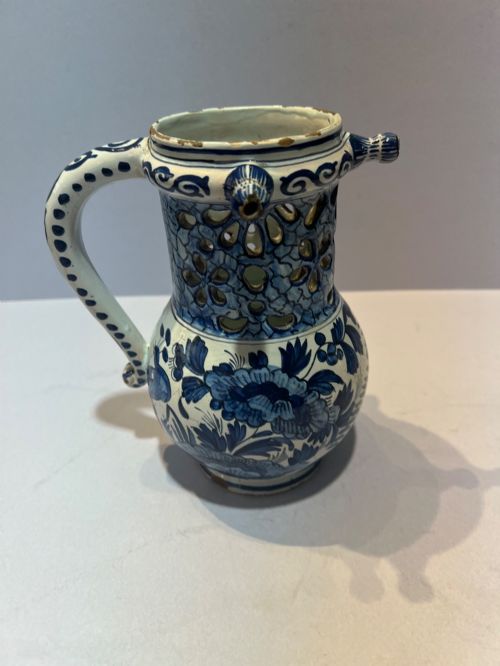
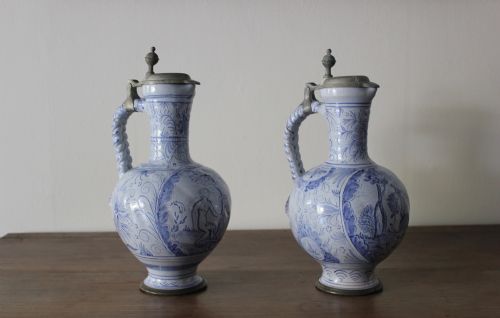
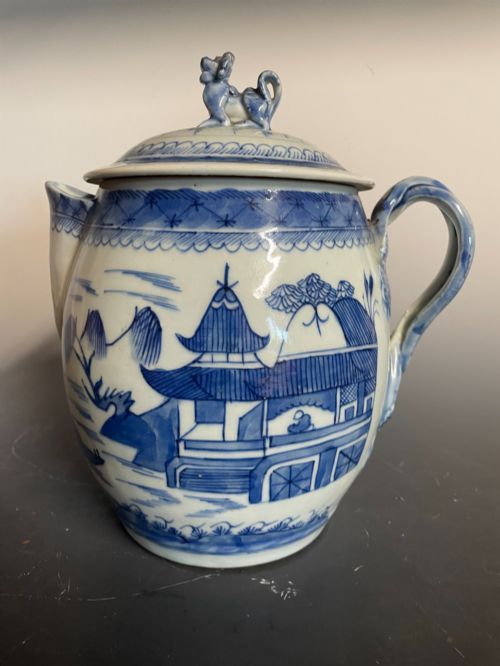


Blue White Ceramic Jug
A blue white ceramic jug brings centuries of hands-on domestic craft straight to the modern table.
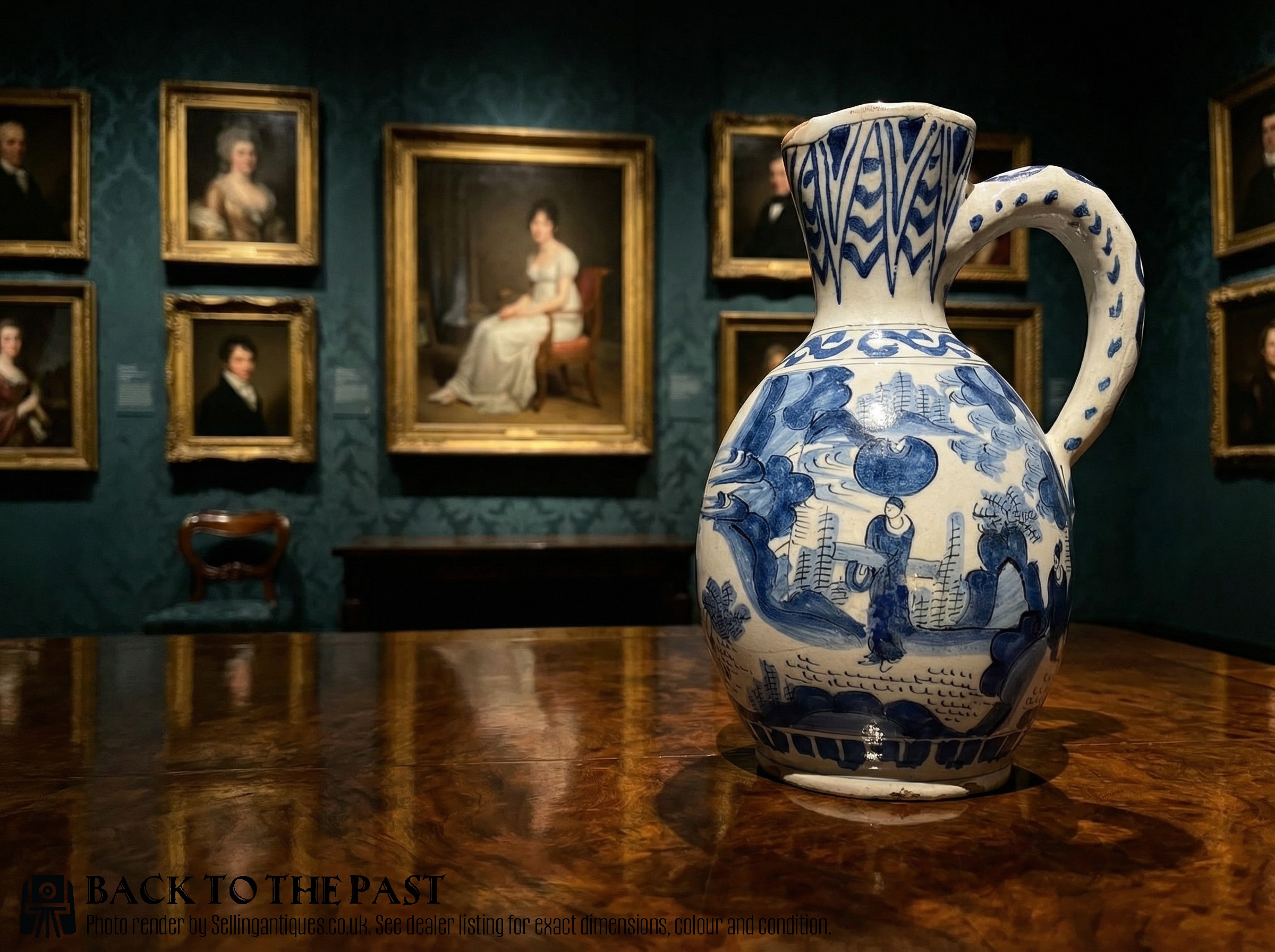
What these blue white ceramic jug pieces are
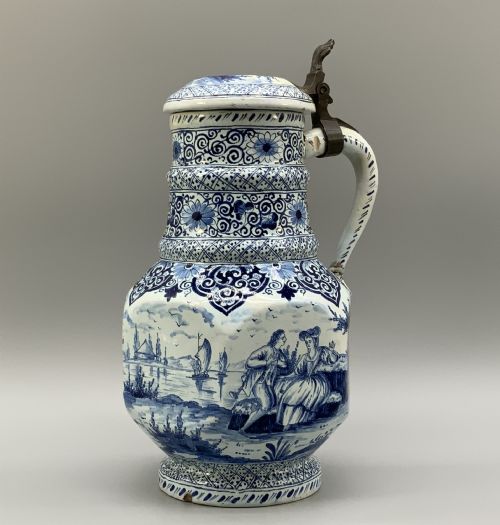
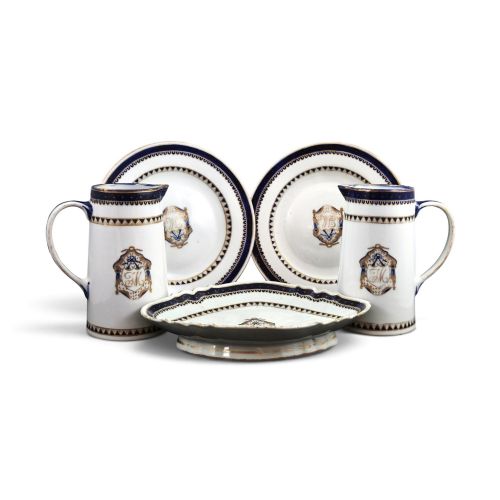
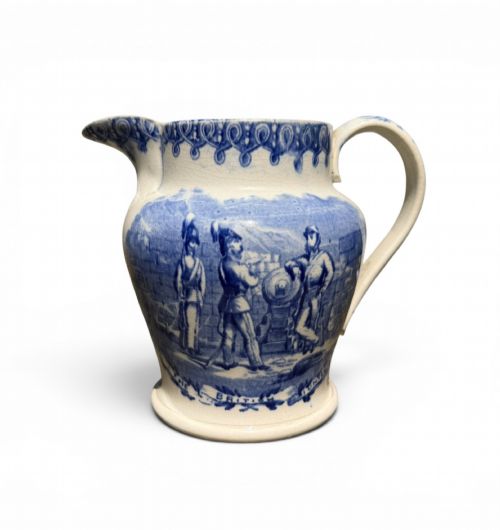
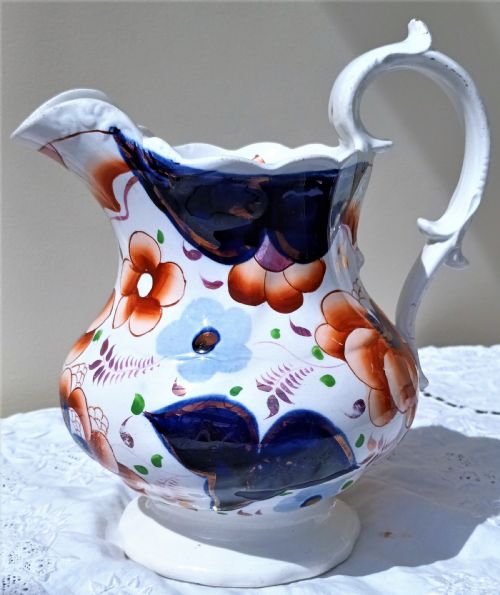
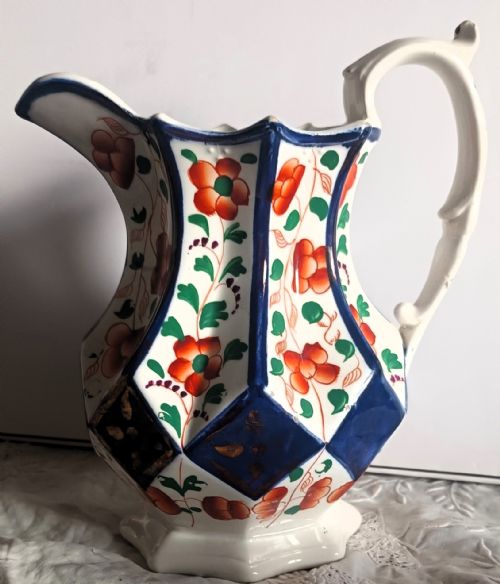
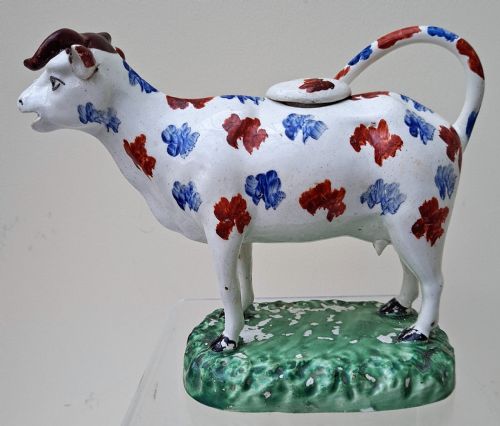
When you search for a blue white ceramic jug, you encounter earthenware forms spanning several centuries of domestic production. The selection ranges from early Dutch tin-glazed examples to later Victorian Staffordshire wares and Arts and Crafts pieces.
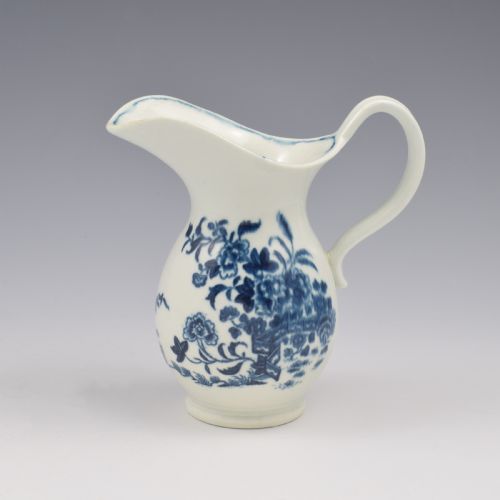
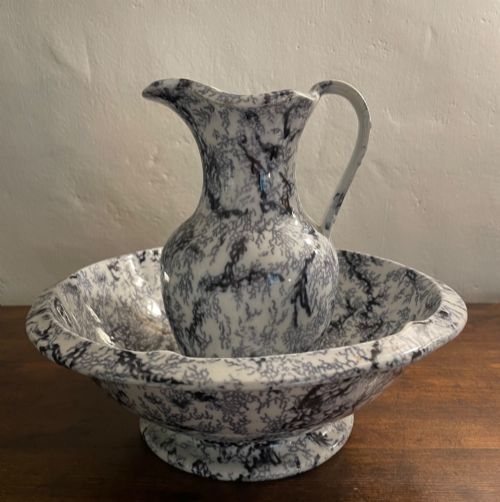
The version you are most likely to meet on this page is a nineteenth-century earthenware vessel, often decorated with floral motifs or commemorative transfer prints. These utilitarian items served everyday functions before finding a place in modern collections.
How they were made
Potters shaped these vessels using traditional earthenware bodies, throwing them on the wheel or forming them in moulds before application of the base slip. The characteristic white surface relies on tin glaze or opaque white coatings to provide a smooth ground for cobalt painting.
Makers applied cobalt oxide pigments directly onto the porous surface, often before a final transparent glaze firing fixed the deep blue tones. This technique required swift brushwork by skilled decorators to achieve the flowing floral and pictorial scenes.
Retail Price Guide 2026
Typical UK retail prices for blue white ceramic jug, calculated from the Sellingantiques database of over a million retail prices indexed since 2003. This retail price guide relies exclusively on Sellingantiques data; no external sources or auction records are used, so the figures do not describe the wider market.
Cranes wading across a Victorian water jug remind us that nineteenth-century breakfast tables enjoyed a surprising touch of wetland wildlife.
What varies in quality
Quality reveals itself in the crispness of the cobalt painting and the control of the glaze during firing. Earlier pieces show the subtle pooling and soft edges characteristic of tin-glazed earthenware production.
The sophistication of the form and the prestige of the maker elevate certain pieces above standard domestic wares. Art pottery examples demonstrate ambitious modelling and deliberate stylistic choices that distinguish them from everyday kitchen vessels.
The Blue White Ceramic Jug Glossary
- Tin glaze
- An opaque white glaze containing tin oxide that provides a smooth canvas for cobalt blue painting. This finish defines traditional delftware and faience production.
- Earthenware
- A porous ceramic body fired at lower temperatures than stoneware or porcelain. It requires a glaze to hold liquids effectively.
- Faience
- European tin-glazed earthenware, particularly pieces produced in the Dutch and French traditions. The term connects closely to early decorative pitchers.
- Chinoiserie
- European artistic interpretations of Chinese decorative motifs. Painters used these imaginary eastern scenes extensively on seventeenth and eighteenth-century blue and white vessels.
- Ewer
- A large jug with a flared spout and an ornate handle, primarily designed for pouring water at the table or washstand.
Frequently Asked Questions
How do I date a blue white ceramic jug?
Examine the base, the weight of the earthenware body, and the style of the cobalt decoration to determine the likely period of manufacture. Earlier pieces often display soft tin glazes, whilst nineteenth-century examples feature distinct transfer printing or firmer potting.
Compare the form and painting style with known examples from documented potteries to narrow down the decade of production. Handle markings and glaze characteristics offer further clues to the workshop origin.
Can I use these jugs for serving water?
Many older earthenware vessels remain structurally sound for holding liquids, particularly glazed examples from the nineteenth century. However, hairline cracks or historical repairs mean some pieces are better suited for display.
Delicate tin-glazed pieces from earlier centuries benefit from gentle handling and avoidance of thermal shock. It is wise to inspect the interior glaze before deciding to use them for everyday dining.
What is the difference between delftware and faience?
Delftware specifically refers to tin-glazed earthenware made in the Netherlands, famous for its distinctive blue and white palette. Faience is the broader continental term covering similar tin-glazed pottery produced in France and other regions.
Both types share the same fundamental manufacturing technique of applying cobalt pigments over an opaque white tin glaze. The regional origin and specific painting traditions usually separate one from the other.