


Antique Minton Pottery
Antique minton pottery pieces bring lasting form and colour into a room, offering genuine historical weight through earthenware, porcelain, and majolica.
Antique Minton Pottery
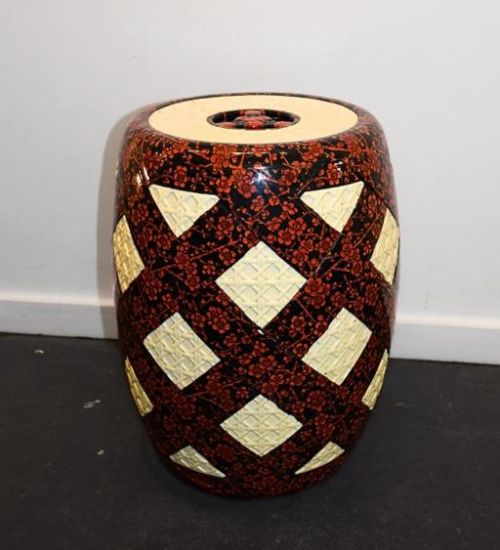
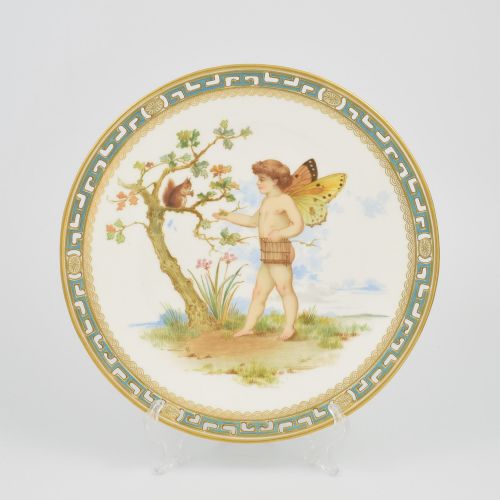
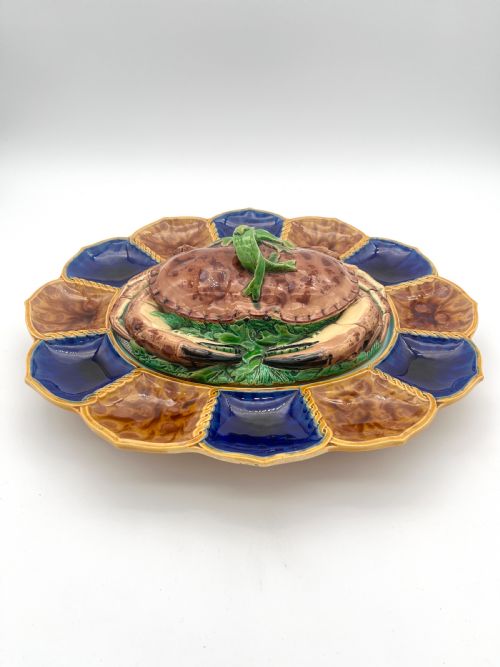
When you search for antique minton pottery, you are looking at diverse ceramic works spanning the nineteenth and early twentieth centuries. These objects range from garden seats and jardinieres to cabinet plates, vases, and figural sculptures.
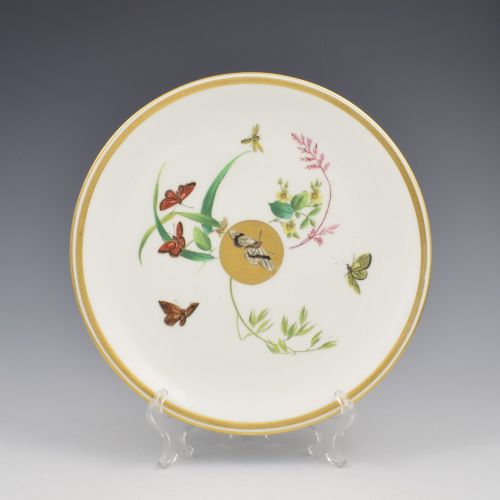
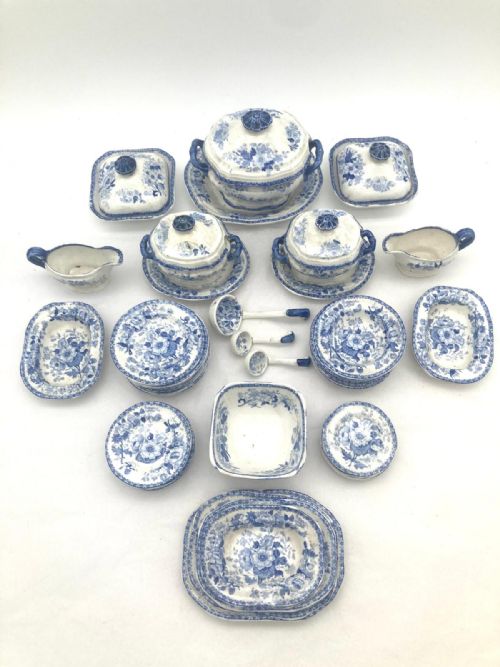
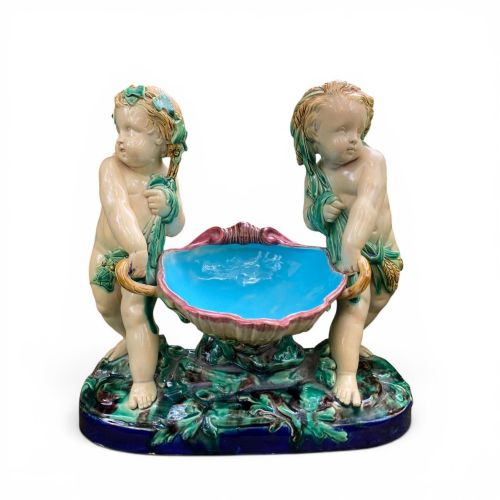
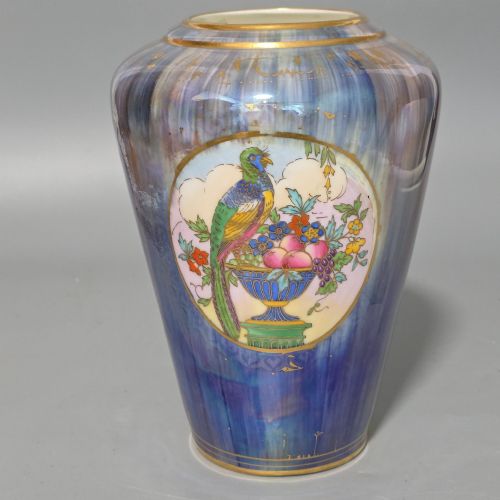
The pieces you are most likely to meet on this page belong to the Victorian era, particularly the 1870s and 1880s, alongside Edwardian examples. Majolica, blue and white transfer ware, and Aesthetic Movement designs feature frequently.
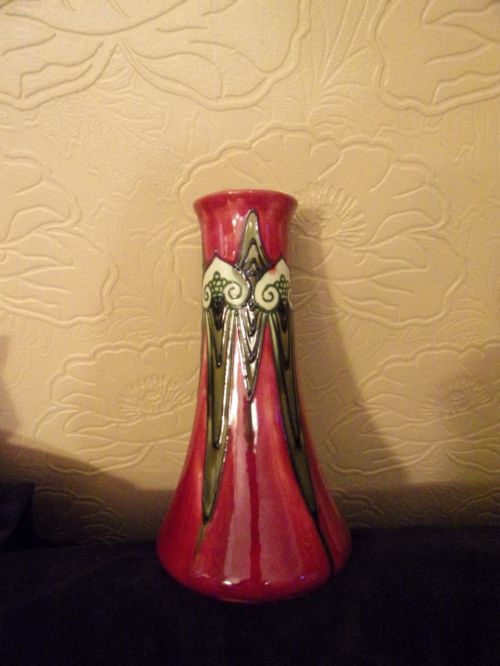
Forms include large decorative chargers, water jugs, tureens, and Secessionist vases, reflecting a high level of versatility in domestic and ornamental output. Collectors encounter both utilitarian items and purely decorative exhibition pieces.
How they were made
Makers utilised earthenware, porcelain, and creamware as foundational bodies, shaping them into complex vessels, tiles, and sculptural figures. Glazed earthenware and ceramic finishes provided durable surfaces for subsequent ornamentation.
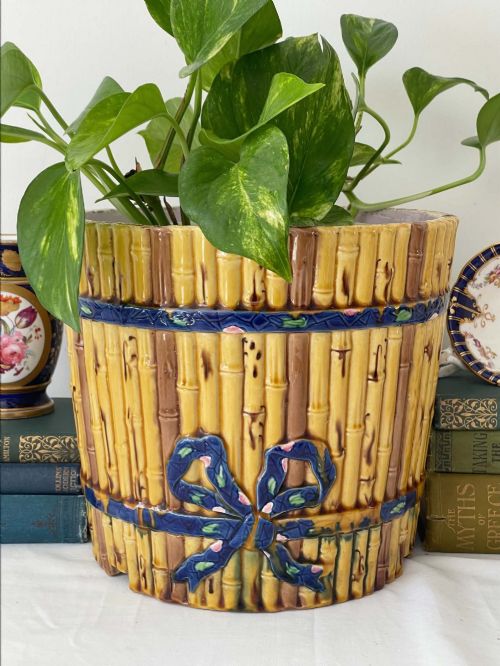
Decoration relied on hand enamelling, blue and white transfer printing, and tube lined designs, alongside rich gilt highlights. Potters applied coloured glazes, notably in majolica productions, to create vivid relief surfaces.
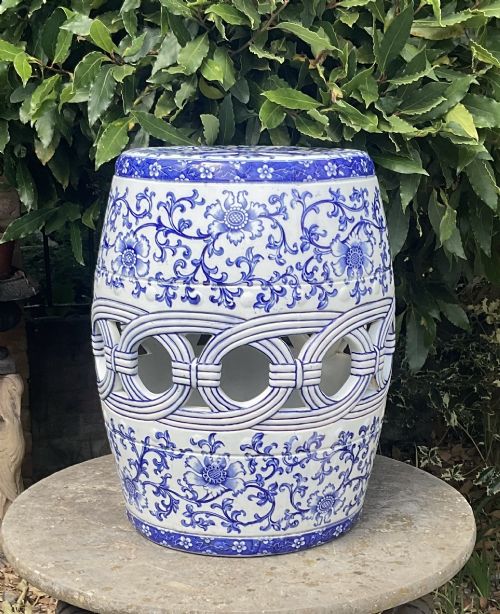
Specialised techniques included pierced porcelain work and detailed transfer patterns such as floral sheet designs and landscape scenes. Individual artists and designers employed distinct methods, from Japanese style motifs to Secessionist fluid lines.
Antique Minton Pottery Retail Price Guide 2026
Typical asking prices for minton pottery among the pieces listed under this phrase on Sellingantiques today, from the lower quarter to the upper quarter. They describe what is for sale here now, not the wider market.
Listings include earthenware, porcelain, and ceramic bodies decorated with enamel, glaze, and gilt across Victorian and Edwardian periods.
What varies in quality
The distinction between standard production items and premier works rests on the ambition of the design and the execution of the modelling. Monumental forms, sculptural figures, and pieces attributed to known designers demonstrate superior artistic input.
Complexity of glaze application and depth of colour affect visual success, particularly in majolica and lustre pieces where uneven firing can alter the finished surface. Crispness in transfer printing and precision in tube lined or gilt work further divide the output.
Provenance and documented association with designers or modellers elevate certain pieces above standard factory wares. The preservation of original form, surface texture, and glaze integrity determines the standing of individual examples.
W.S. Coleman·Christopher Dresser·Minton and Hollins·Albert Carrier·Mintons
The Antique Minton Pottery Glossary
- Majolica
- A type of earthenware covered in an opaque tin glaze and painted with metallic oxide colours. This technique produced vibrantly coloured figural items, garden seats, and vessels with heavy relief moulding.
- Tube lined
- A method of applying slip through a nozzle to outline a design on ceramic before glazing. It created raised boundaries that contained pools of coloured enamel.
- Transfer printing
- A process where an engraved copper plate transferred a design onto tissue paper, which was then stamped onto the pottery body. This allowed intricate blue and white patterns to be replicated consistently.
- Secessionist
- An early twentieth century style characterised by flowing organic shapes and abstract motifs influenced by continental design movements. It represented a departure from traditional Victorian ornament.
- Gilt
- Applied gold leaf or gold paint used to accentuate borders, handles, and painted details on porcelain and earthenware bodies. It added a reflective layer to dessert plates and decorative vases.
Antique Minton Pottery: Frequently Asked Questions
What is majolica pottery?
Majolica is a heavily glazed earthenware decorated with coloured metal oxides, producing vibrant relief items like garden seats, cherub baskets, and large vases.
The technique allowed for sculptural modelling combined with rich, glossy surfaces that defined much of the Victorian production output.
How do I identify a Victorian piece?
Victorian pieces often display characteristic aesthetic movement motifs, naturalistic forms, or rich blue and white transfer patterns typical of the mid to late nineteenth century.
Date marks, impressed factory ciphers, and specific stylistic cues such as Japanese inspired gilding help confirm the period of manufacture.
Where were these ceramics made?
The pottery was produced in Stoke-on-Trent, England, which served as the primary centre for British ceramic manufacturing during the nineteenth and early twentieth centuries.
Factories in this region employed skilled modellers, painters, and technicians to supply domestic and international markets.
How should I clean my pottery?
Dust ceramic and porcelain surfaces gently with a soft, dry cloth to prevent accumulation without risking damage to old glazes or gilt highlights.
Avoid immersion in water, especially for majolica, earthenware, or pieces with enamel work, as moisture can penetrate old ceramic bodies.