


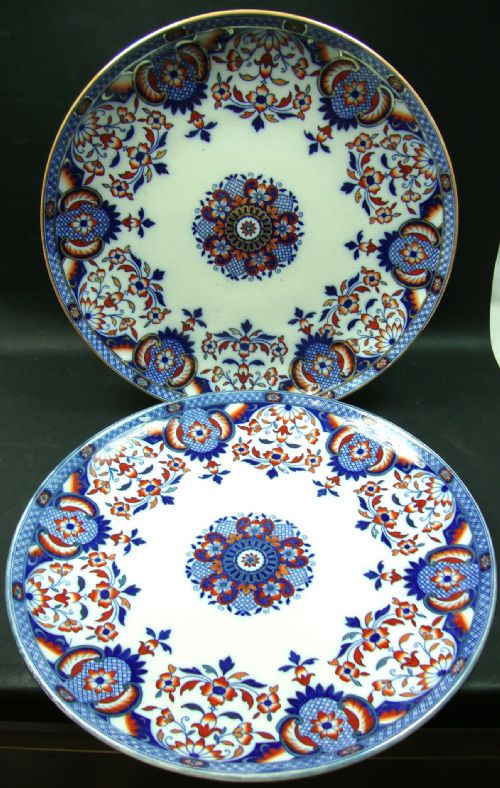

Aesthetic Movement Pottery
Aesthetic movement pottery brings together the botanical motifs and experimental glazes of the late nineteenth century.
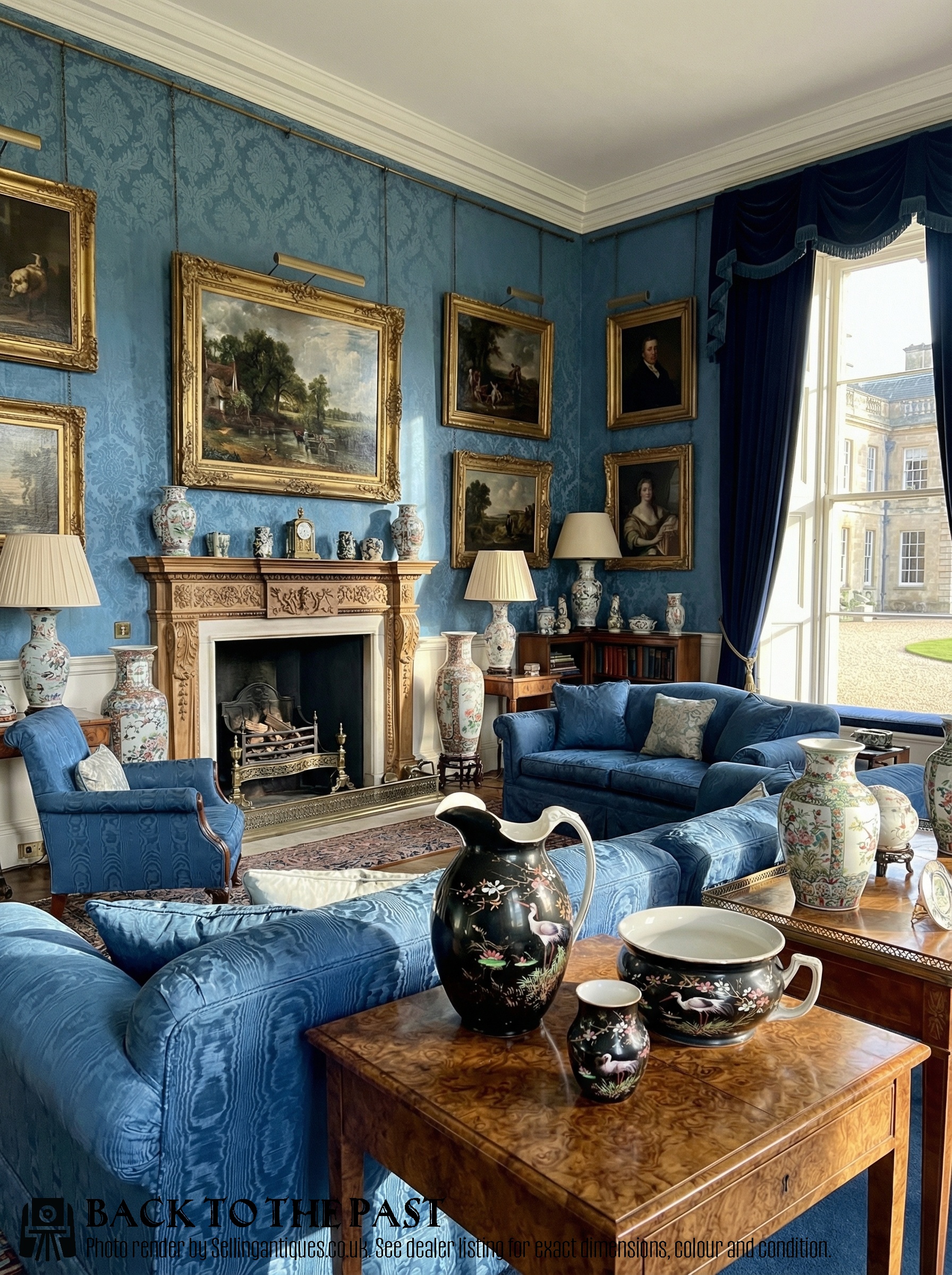
Identifying aesthetic movement pottery
Aesthetic movement pottery comprises vases, wash sets, planters, and decorative tiles created during the Victorian era and the broader nineteenth century. These objects demonstrate the turn towards nature-inspired design and orientalist influences that defined the period.
Makers ranged from major commercial potteries to specialist tile manufacturers working within the Arts and Crafts and Aesthetic styles. Each surviving piece records the decorative priorities of a period that favoured asymmetry and naturalism.
Materials and manufacture
Potters utilised ceramic, earthenware, and stoneware bodies to form the base structures of vases, planters, and tiles. These clay bodies were shaped manually or moulded before receiving specialised glazes.
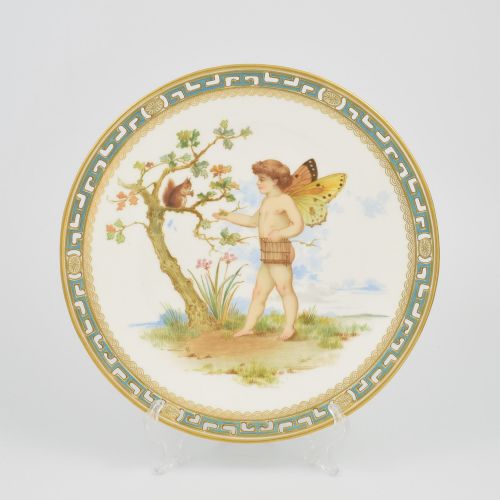
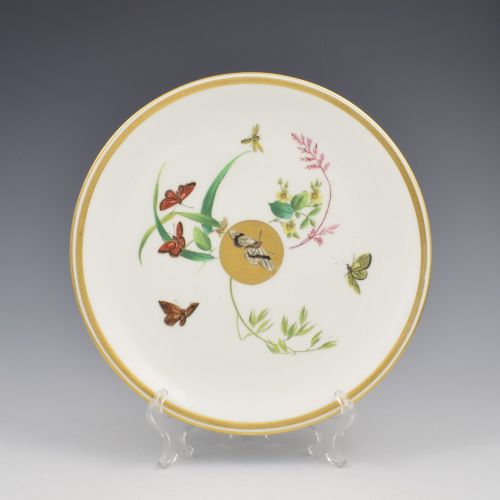
Surface decoration frequently incorporated enamel and gilt applications alongside hand-painted or transferred motifs. Techniques such as the faience method allowed for detailed pictorial scenes directly upon the glazed ceramic surface.
Retail Price Guide 2026
Typical UK retail prices for aesthetic movement pottery, calculated from the Sellingantiques database of over a million retail prices indexed since 2003. This retail price guide relies exclusively on Sellingantiques data; no external sources or auction records are used, so the figures do not describe the wider market.
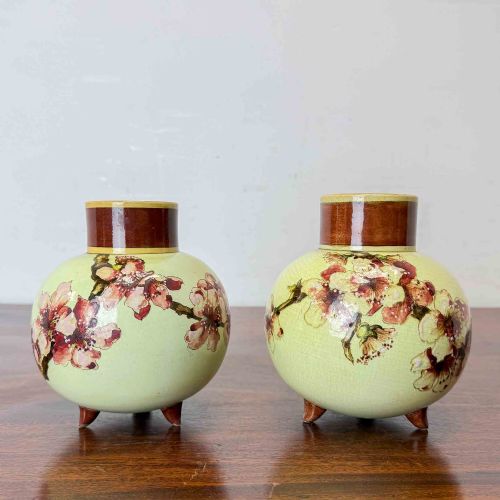
A Victorian bathroom set rubs shoulders with cherry blossom vases and heron tiles, proving that nineteenth-century hygiene had a remarkably artistic side.
Judging quality and execution
Quality in these ceramics rests upon the crispness of the modelled form and the stability of the glaze. Finer pieces display precise control over firing temperatures, which prevents running in the enamel and preserves the integrity of the design.
The distinction between standard production items and superior examples lies in the hand-painted details and the complexity of the glaze effects. Superior works exhibit meticulous brushwork on pictorial elements like birds and blossoms, whereas lesser items rely on simpler, repetitive patterns.
Doulton Lambeth·Royal Doulton·Minton and Hollins
The Aesthetic Movement Pottery Glossary
- Faience
- Earthenware decorated with opaque coloured glazes. This technique provides a smooth canvas for painted naturalistic scenes.
- Earthenware
- Porous pottery fired at lower temperatures. It serves as the primary body for many nineteenth-century decorative tiles and planters.
- Stoneware
- Dense pottery fired at high temperatures until vitrified. This material resists liquids and forms durable, heavy-duty vessels.
- Enamel
- Vitrified glass paste fused to the ceramic surface through firing. It adds vibrant, permanent colour highlights to the design.
Frequently Asked Questions
What periods do these pieces come from?
The listings on this page originate from the nineteenth century, specifically dating to the Victorian period around 1880.
This era encompasses both Aesthetic Movement and Arts and Crafts design traditions.
What materials were used?
Potters employed ceramic, earthenware, and glazed stoneware to create these objects.
Surviving pieces frequently feature additional embellishments including enamel, gilt, and specialised glazes.
What objects are available?
Current selections include vases, planters, bathroom sets, and decorative tiles.
Specific functional and decorative forms range from bonsai planters to illustrated wall tiles.
How do I identify the style?
Look for characteristic late nineteenth-century motifs such as cherry blossoms, herons, and naturalistic flora.
These designs reflect the aesthetic priorities of Victorian decorative arts.