


Antique Ceramic Bottle Vase
An antique ceramic bottle vase brings narrow necks, globular bodies and centuries of kiln work into a room.
Antique Ceramic Bottle Vase
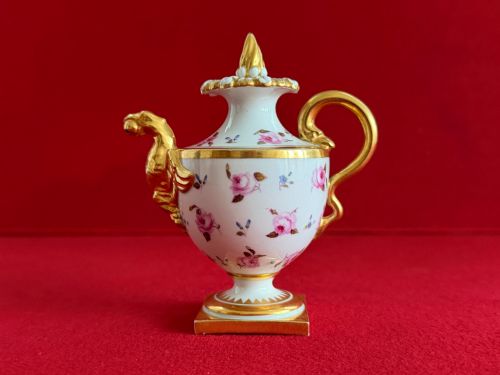
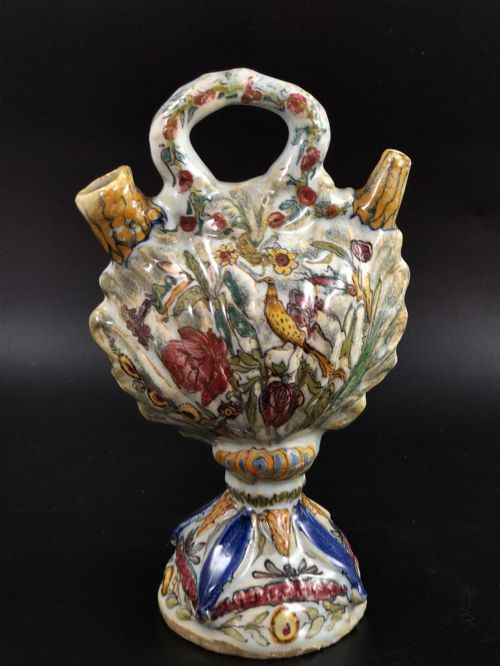
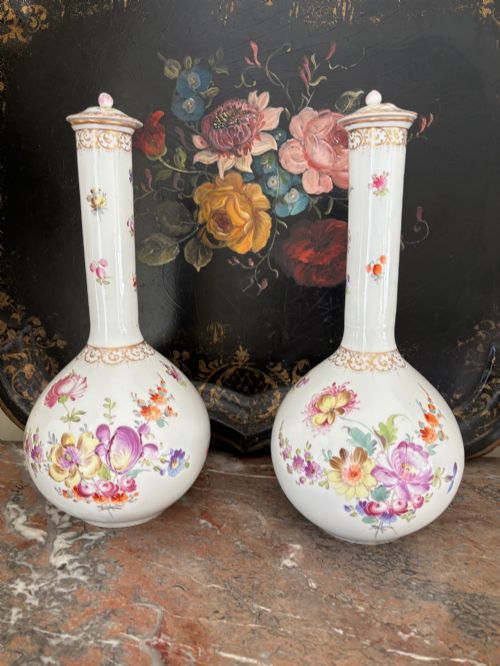
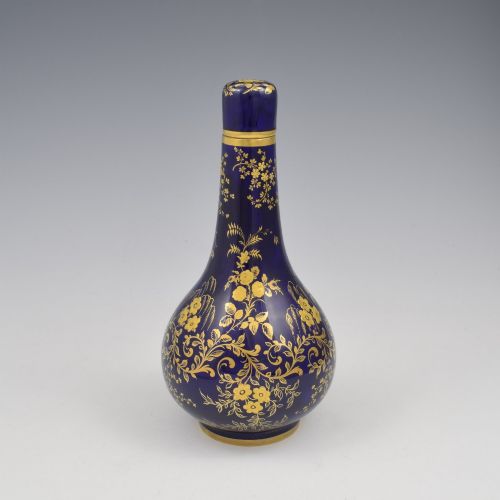
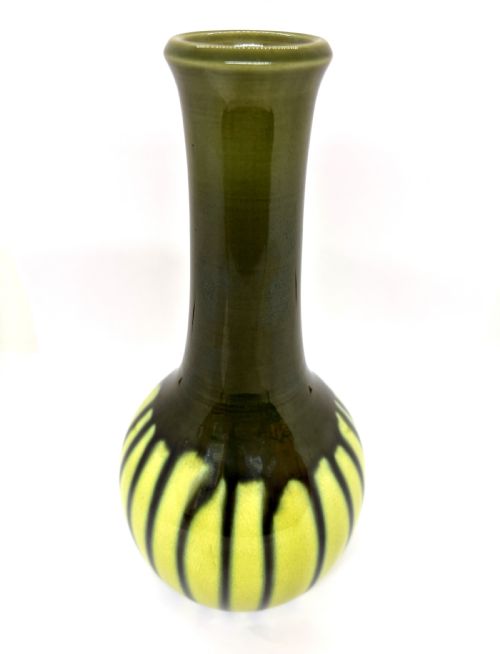
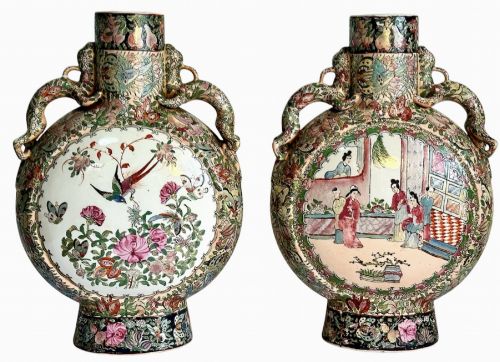
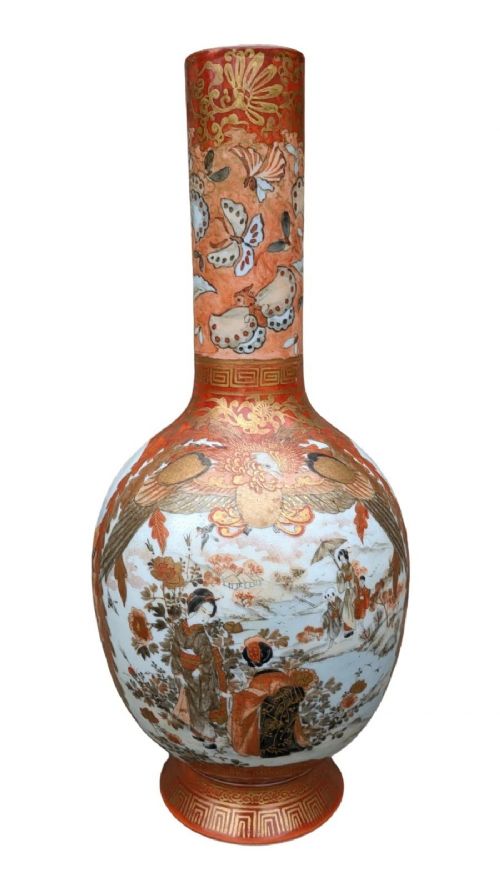
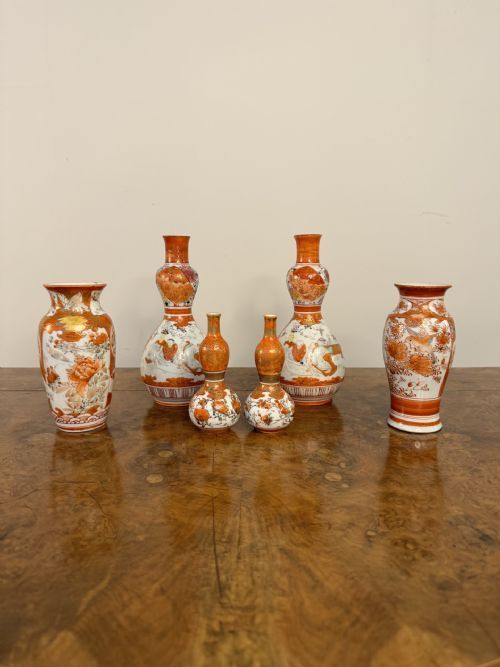
An antique ceramic bottle vase stands as a vessel defined by a bulbous lower body and a slender upper neck, shaped for holding single stems or standing alone as a decorative piece. The pieces encountered on this page span several centuries and originate from diverse kilns across Europe and Asia.
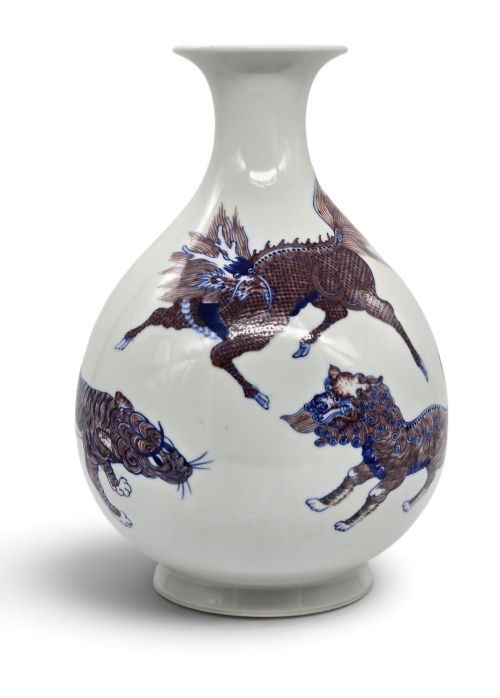
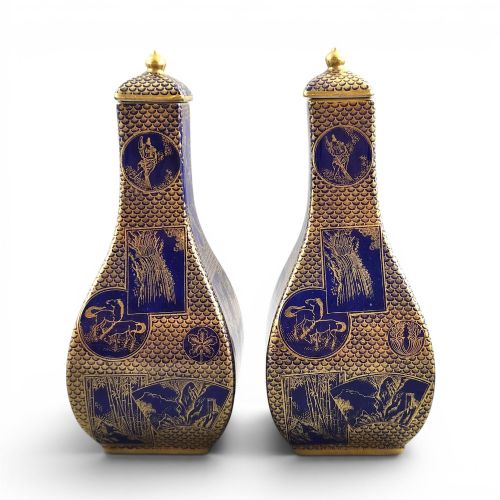
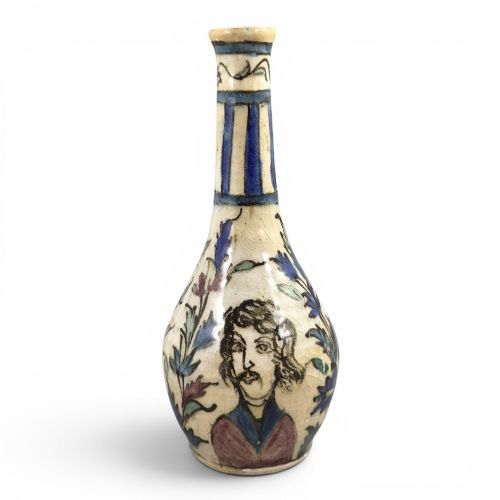
The forms range from small miniature scent bottles to large garniture sets and garlic-mouth shapes, drawing on materials such as porcelain, earthenware, stoneware and majolica. Makers from English factories to Japanese potting traditions shaped these vessels with styles including Qing Dynasty blue and white, Japanese Imari and European floral decoration.
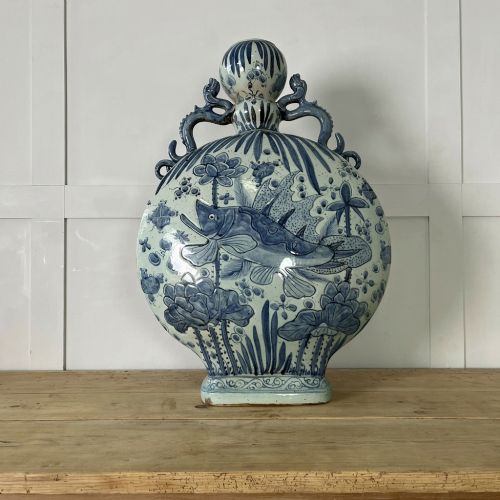
Collectors find examples marked by periods running from the seventeenth century through to the 1930s, encompassing Chinese moon flasks, Dutch delftware and Victorian porcelain. Each piece reflects the utility and decorative tastes of its originating workshop and era.
How they were made
Potters shaped these vessels on wheels or in moulds using ceramic bodies like porcelain, earthenware and stoneware, before applying glazes such as cobalt, celadon and tea dust. Pigments including underglaze blue, copper-red and enamel colours were painted by hand onto the surfaces.
Firing took place in kilns where temperatures fixed the glazes and vitrified the clay bodies, sometimes incorporating gold leaf gilding applied in secondary stages. Makers signed their work with underglaze blue seals, painted marks or impressed stamps.
Some bottles depict mythical beasts and the Seven Gods of Good Fortune keeping watch over the room.
What varies in quality
The standard of painting on an antique ceramic bottle vase sets finer examples apart, distinguishing hasty brushwork from detailed floral motifs and mythical beasts executed with precision. The control of the kiln glaze, seen in even celadon or deep cobalt blue without running or pooling, marks superior production.
Provenance and attribution to documented potteries or named artists elevate certain pieces, alongside the crispness of moulded details and the survival of matching covers on garniture sets.
Flight Barr And Barr·Sitzendorf·Mason·Crown Staffordshire·Doulton Lambeth·Royal Lancastrian
The Antique Ceramic Bottle Vase Glossary
- Celadon
- A pale green jade-like glaze originating in Asian kilns that settles into carved or moulded fluting.
- Garniture
- A set of three or more matching vases designed to be displayed together on a mantelpiece or shelf.
- Imari
- A Japanese style of porcelain decorated in underglaze blue, iron red and gilt.
- Moon flask
- A flat-backed pilgrim flask with a rounded body standing on a small base.
- Albarello
- A type of majolica earthenware jar used by apothecaries to store drugs and ointments.
Antique Ceramic Bottle Vase: Frequently Asked Questions
How were bottle vases used originally?
These vessels held single flower stems, scented waters or liquids in domestic and palace settings across different cultures.
Larger versions also served purely as decorative garniture elements on mantelpieces and tables alongside matching pieces.
How do I date a ceramic bottle vase?
Dating relies on identifying reign marks, factory stamps and potting styles associated with specific centuries and dynasties.
Glaze composition and the character of the hand-painted decoration further narrow the period of manufacture.
What is the difference between porcelain and stoneware?
Porcelain is fired at high temperatures until vitrified and white, often showing translucency when held to the light.
Stoneware uses denser clay bodies that result in heavier, opaque vessels with natural earth tones or applied glazes.
How should I clean my antique vase?
Dusting with a soft, dry brush preserves the delicate hand-painted enamel and gilt surfaces without causing abrasion.
Water and harsh cleaning agents are avoided to protect old ceramic bodies and unglazed kiln edges.