
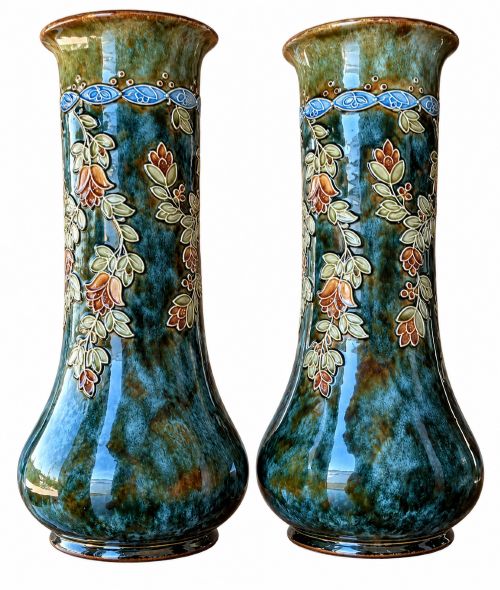
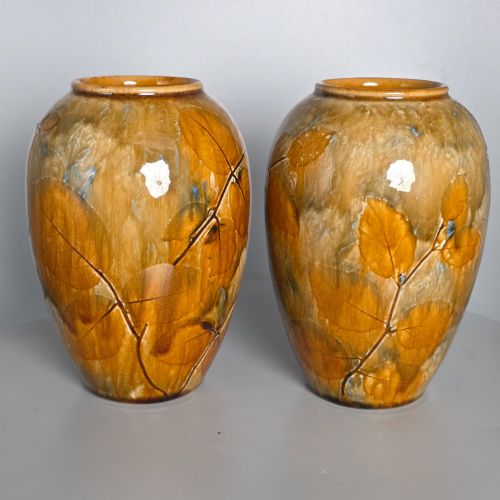
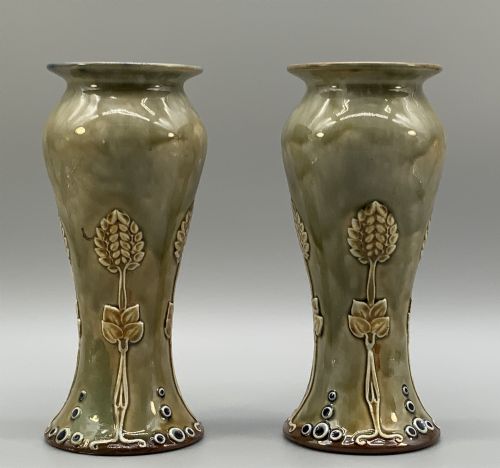
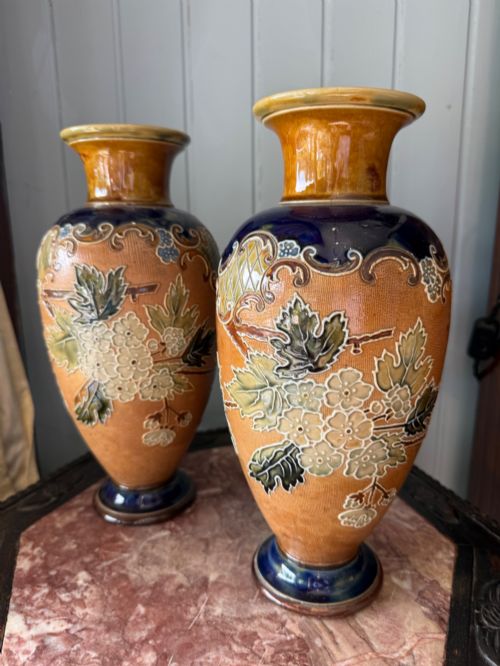

Edwardian Ceramic Urn
Edwardian ceramic urn examples bring together robust earthenware and porcelain with hand-painted decoration from prominent early twentieth-century makers.

What these pieces are
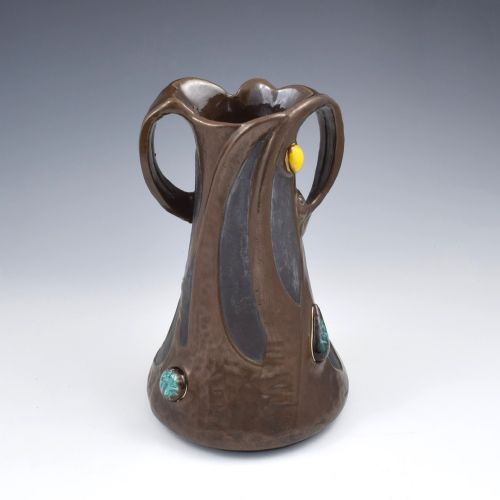
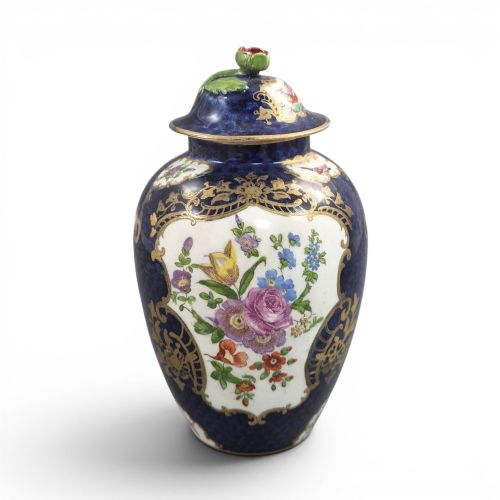
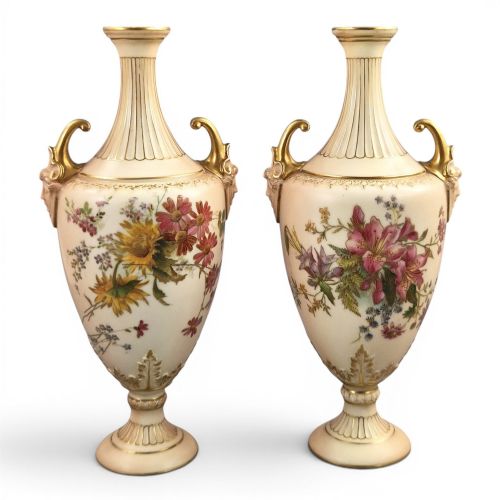
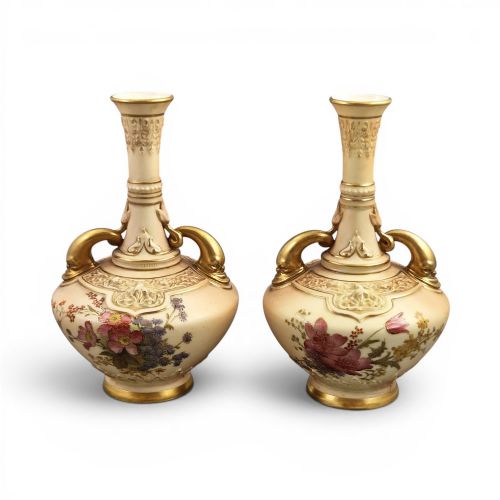
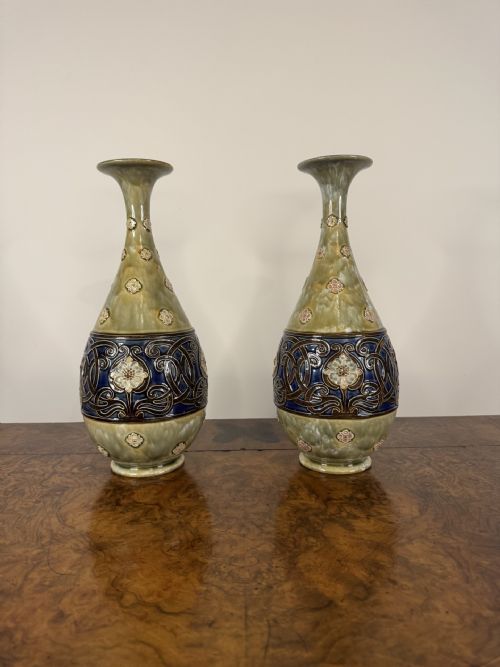
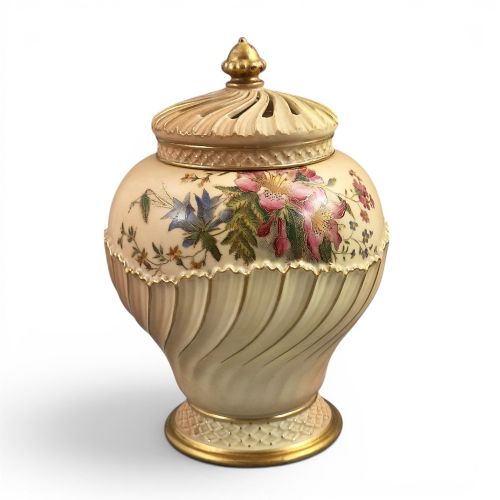
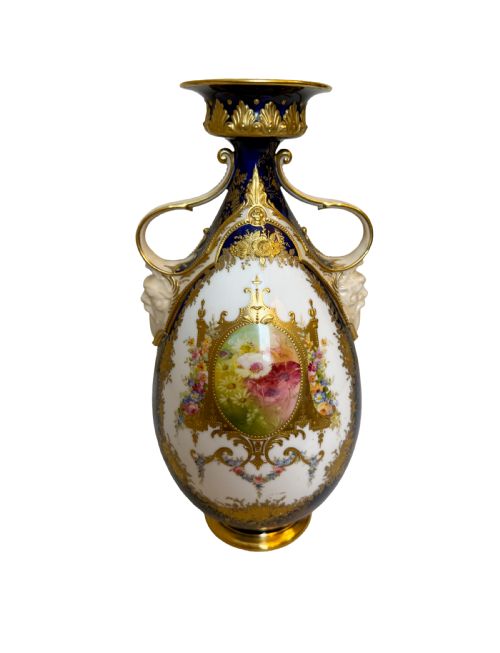
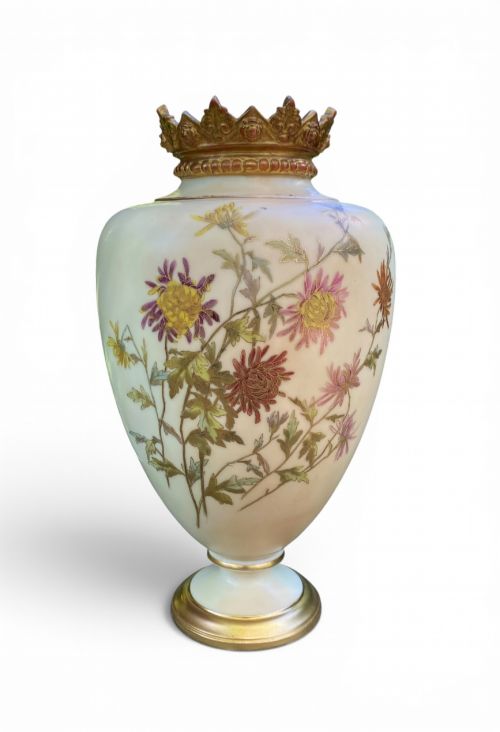
An edwardian ceramic urn spans covered vases, centrepieces, and decorative vessels produced around the turn of the twentieth century and adjacent decades. The selections on this page draw from periods ranging from the nineteenth century through the nineteen-thirties, reflecting diverse influences from Victorian tastes to Japanese Meiji aesthetics.
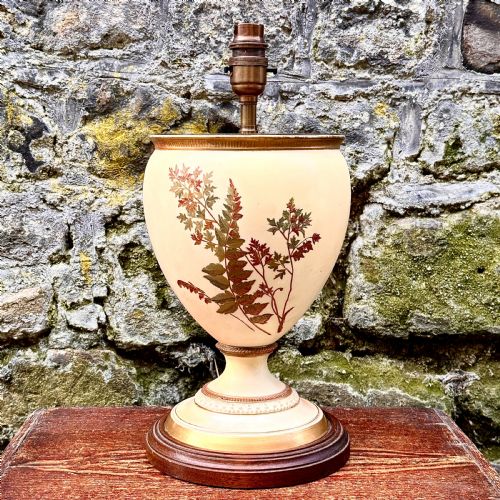
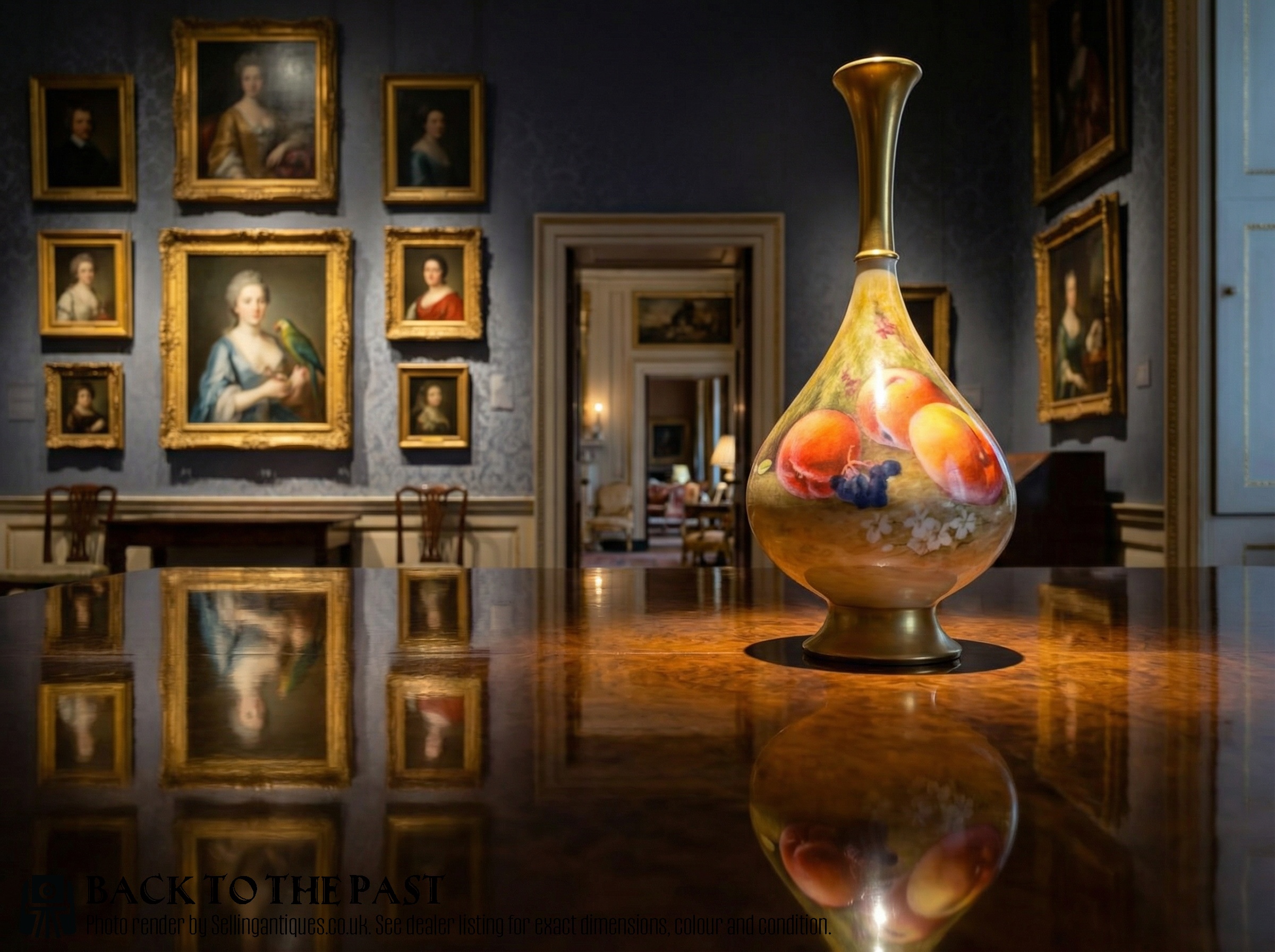
Forms include large covered vases and painted centrepieces intended for prominent display within a room. Many examples combine traditional ceramic bodies with intricate surface decoration such as exotic birds, floral motifs, or painted landscapes.
How they were made
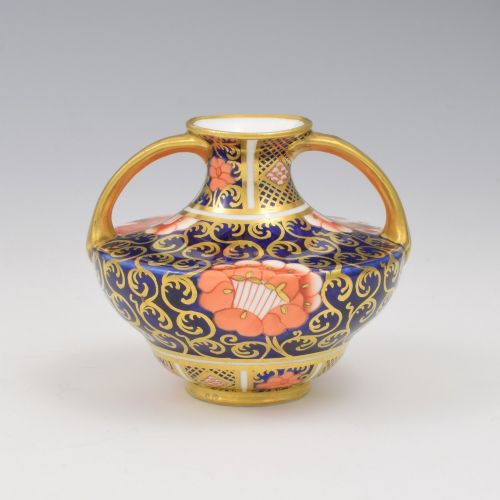
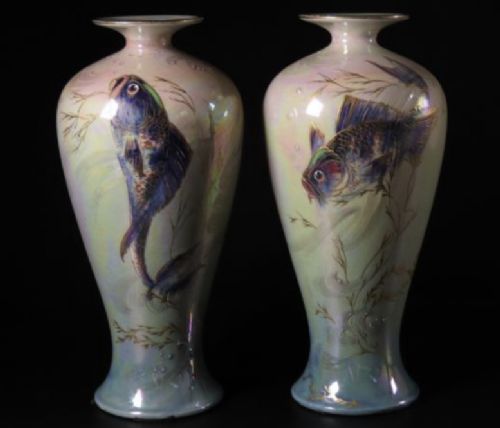
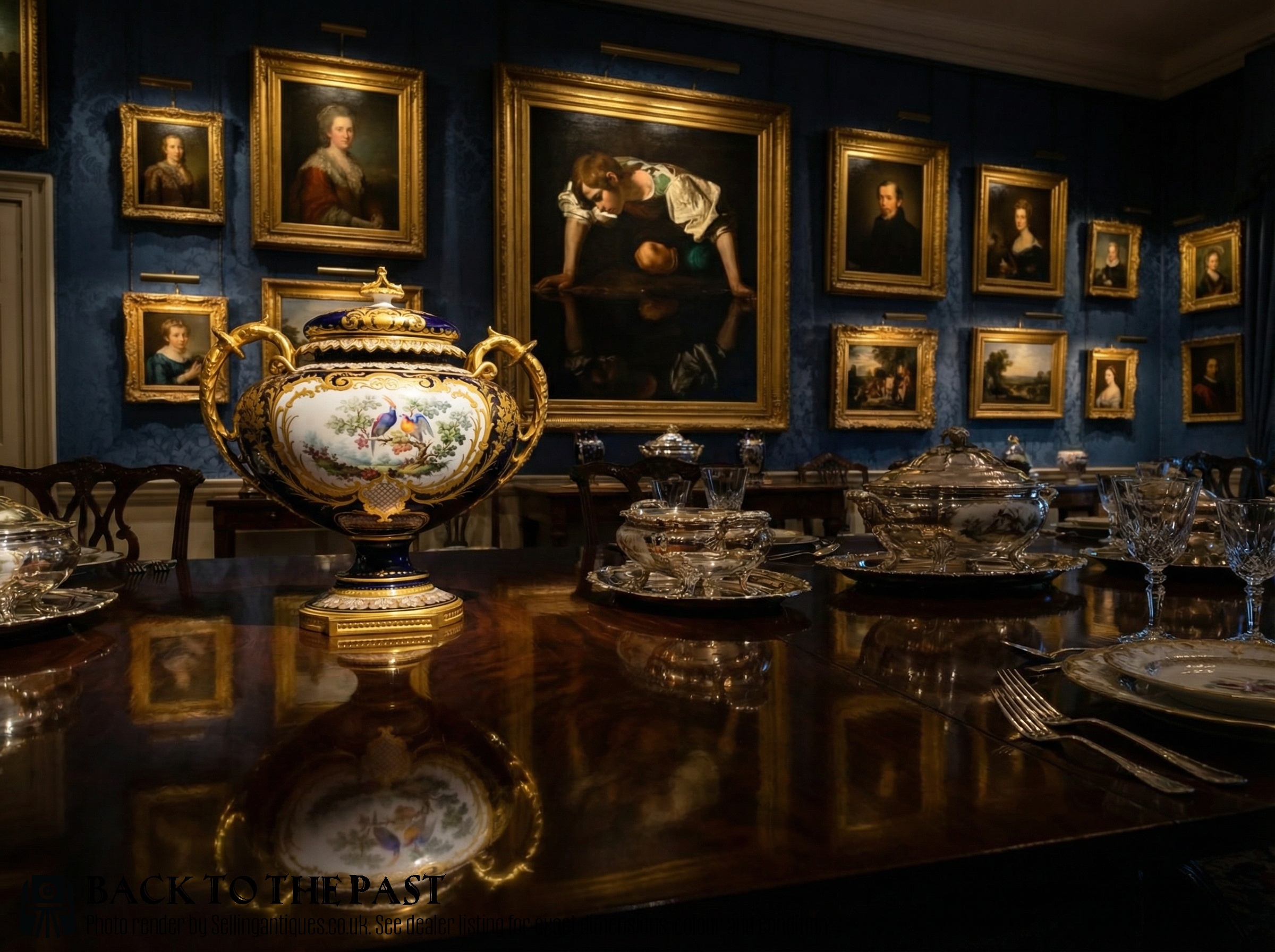
Maker production utilises materials including porcelain and earthenware, often enhanced with enamel, gilt, gold leaf, and metallic lustre glaze. Surface treatments frequently involve detailed hand-painting by notable artists applied over coloured grounds or white ceramic bodies.
Covered vessels and vases require precise firing techniques to achieve durable glazed finishes alongside delicate decorative details like scale blue grounds or Imari palettes.
Retail Price Guide 2026
Typical UK retail prices for edwardian ceramic urn, calculated from the Sellingantiques database of over a million retail prices indexed since 2003. This retail price guide relies exclusively on Sellingantiques data; no external sources or auction records are used, so the figures do not describe the wider market.
Listings span multiple materials including porcelain, earthenware, enamel, and metallic lustre glaze across periods from the nineteenth century to nineteen-thirty.
What varies in quality
Quality differences rest primarily on the skill of the painting and the reputation of the studio or artist involved in the piece. Hand-painted fruit or wildlife scenes by recognised painters distinguish standard production wares from exceptional studio output.
The refinement of the ceramic body, the application of gold leaf or gilt details, and the complexity of the glaze further divide the range. Pieces bearing specific signatures or originating from major potteries demonstrate superior craftsmanship.
Booths Silicon China·Royal Doulton·Royal Crown Derby·Royal Lancastrian·Royal Worcester
The Edwardian Ceramic Urn Glossary
- Earthenware
- A porous pottery body fired at lower temperatures, requiring a glaze to achieve impermeability. It forms the foundation for many decorative vessels of this era.
- Gilding
- The application of gold leaf or gold powder to ceramic surfaces for decorative accent. This technique highlights rims, handles, and painted borders.
- Imari palette
- A traditional decorative colour scheme featuring rich iron red, cobalt blue, and gold. It derives from Japanese porcelain traditions adopted by European potteries.
- Metallic lustre glaze
- A pottery glaze containing metallic compounds that produce an iridescent sheen when fired. It creates reflective, shifting colour effects across the vessel surface.
Frequently Asked Questions
What defines an edwardian ceramic urn?
These vessels comprise covered vases and decorative urns produced around the early twentieth century, incorporating materials like porcelain and earthenware with detailed painted surfaces.
They reflect aesthetic movements spanning Victorian designs to Japanese Meiji influences and Art Deco forms.
How do I display a ceramic urn?
Large decorative vases and centrepieces suit placement on prominent tables, sideboards, or mantelpieces where their hand-painted details remain visible.
Ensure the vessel sits away from high-traffic edges to protect delicate gilt and enamel surfaces from accidental impacts.
How are different periods identified?
Dating relies on maker marks, glaze types, and stylistic indicators such as Imari palettes or lustre finishes typical of specific manufacturing decades.
Signatures from known artists also help place individual pieces within precise production windows.
What materials are used in these pieces?
Construction involves ceramic bodies including porcelain and earthenware finished with glazes, enamels, and metallic lustre effects.
Many examples incorporate gold leaf or gilt accents to emphasise borders and pictorial scenes.