
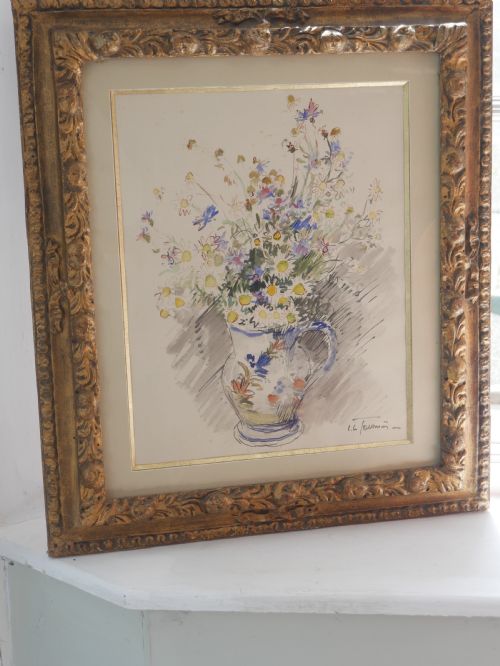
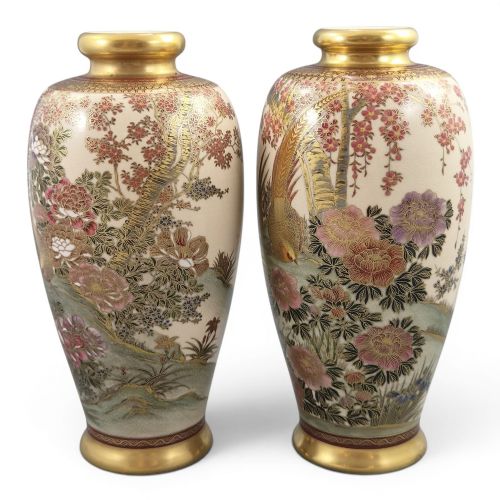

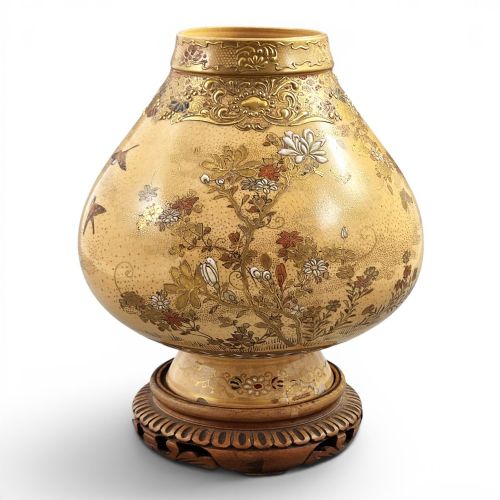
Gold Gilt Ceramic Vase
A gold gilt ceramic vase brings intricate metallic detailing and historical craftsmanship into a room.
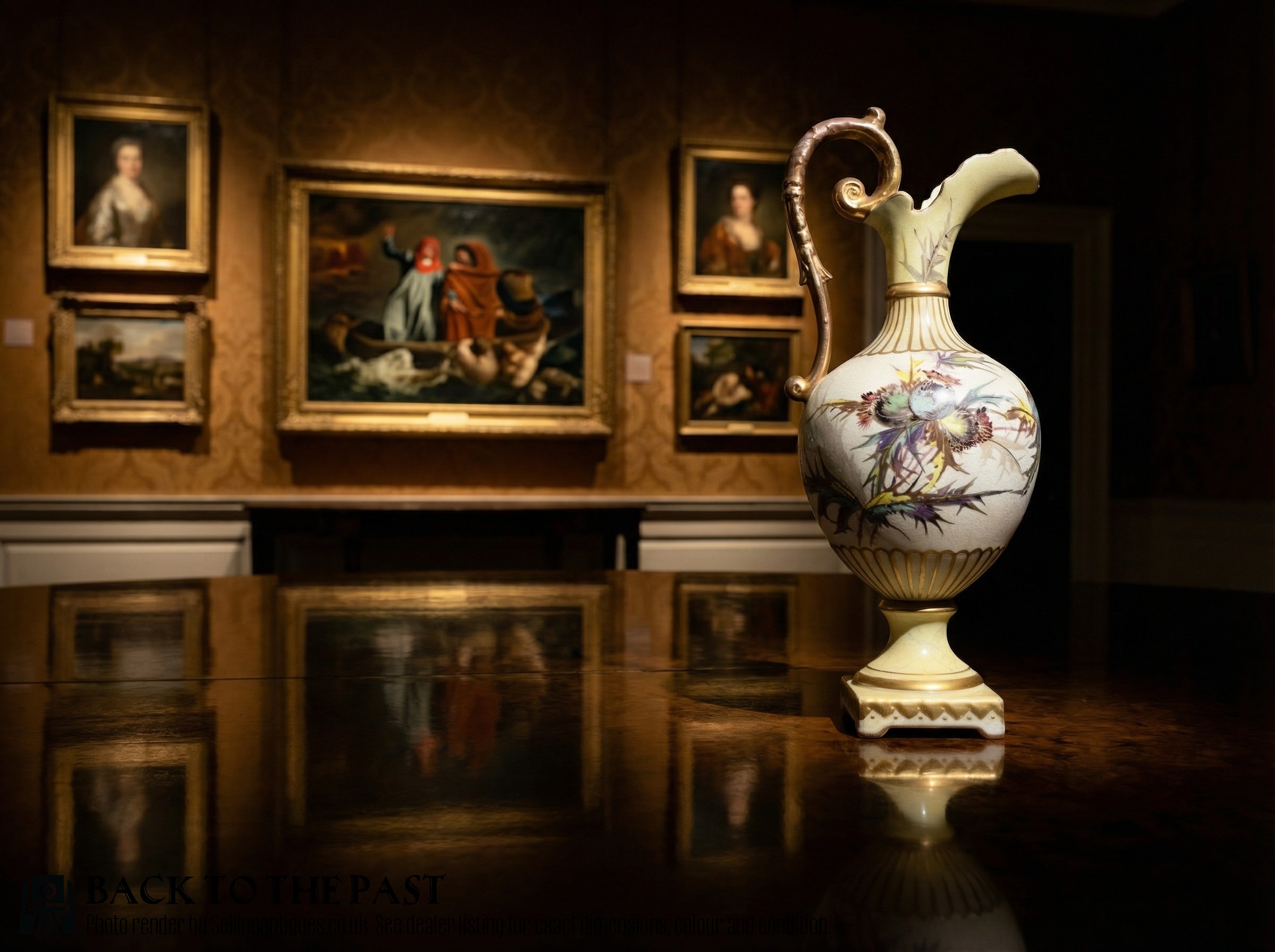
Gold Gilt Ceramic Vase
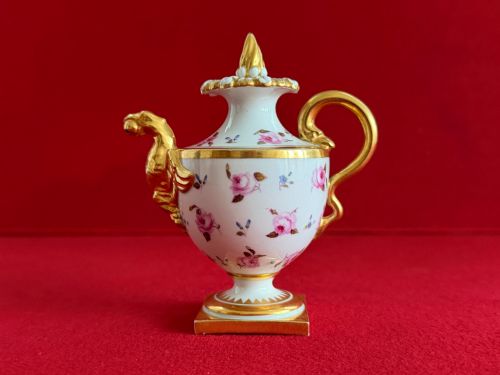
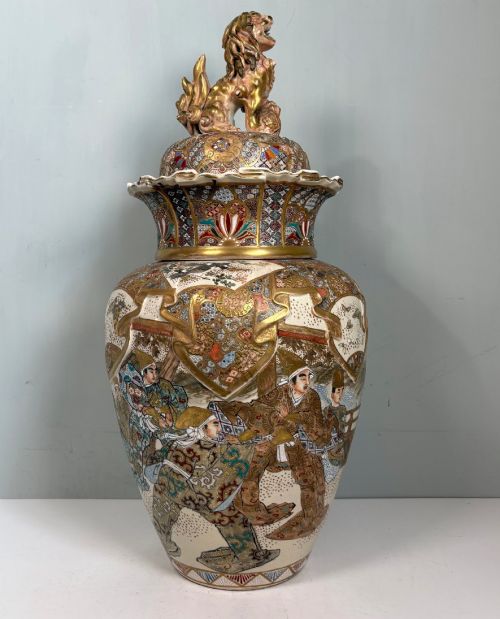
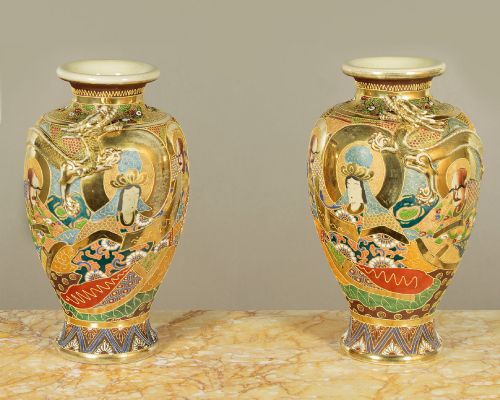
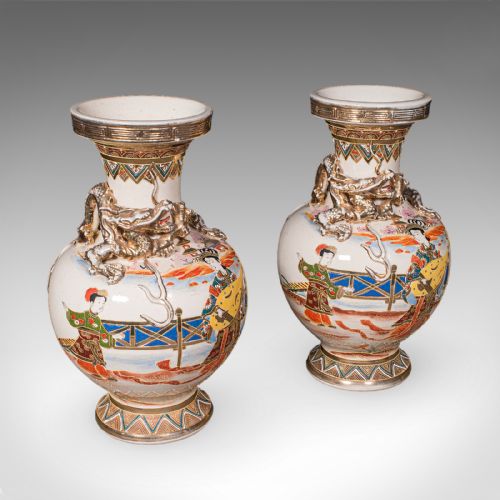
When searching for a gold gilt ceramic vase, collectors encounter diverse ceramic bodies combined with applied gilding, gold leaf, and enamel work. These items range from English porcelain table vessels to Japanese earthenware from the Meiji period.
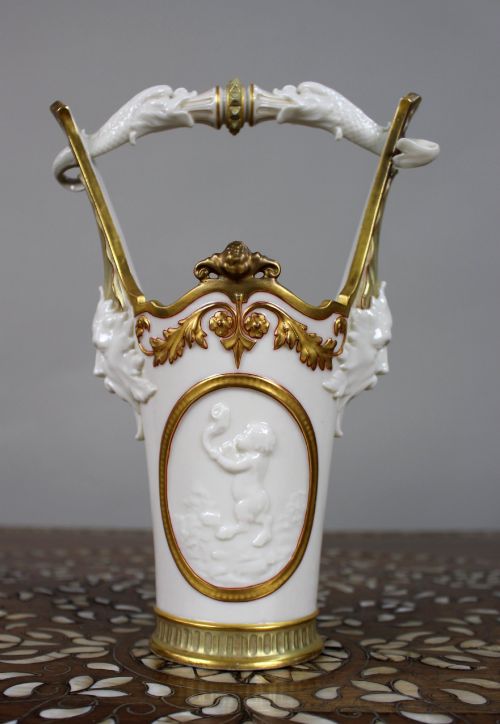
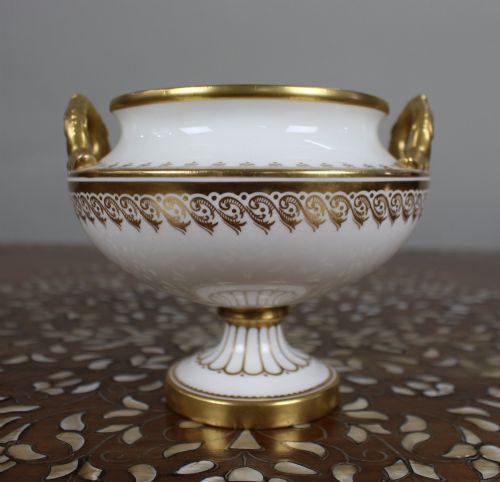
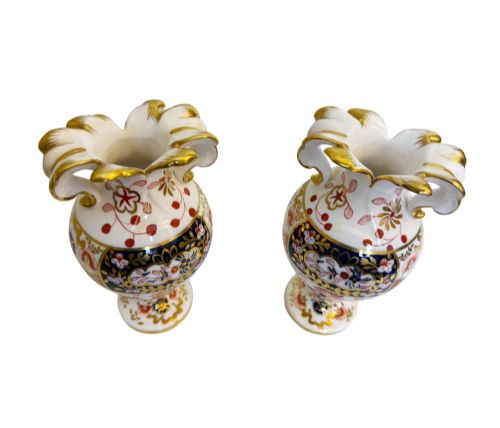
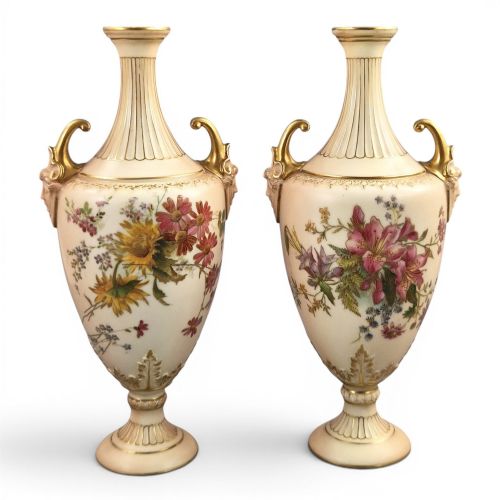
The pieces appearing here span centuries of production, including Regency porcelain urns, Victorian decorative pieces, and Edwardian floral designs. English factories such as Royal Worcester and Coalport sit alongside Satsuma and Imari imports from Japan.
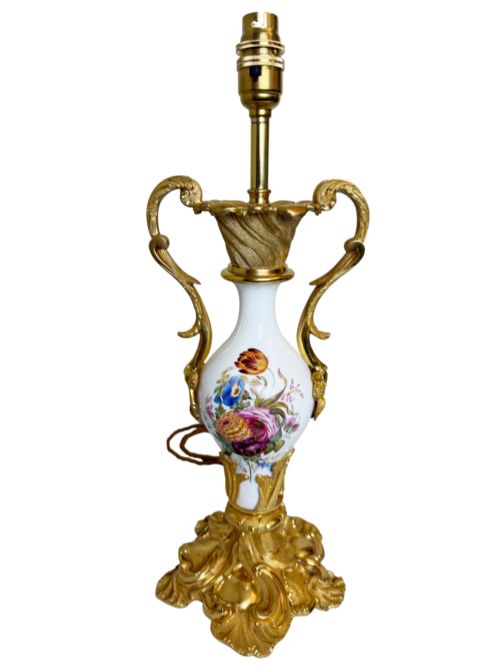
Formats vary from miniature cabinet pieces and reticulated ewers to monumental lidded jars and converted table lamps. Most examples utilise traditional potting techniques paired with hand-painted scenes and rich metallic ornamentation.
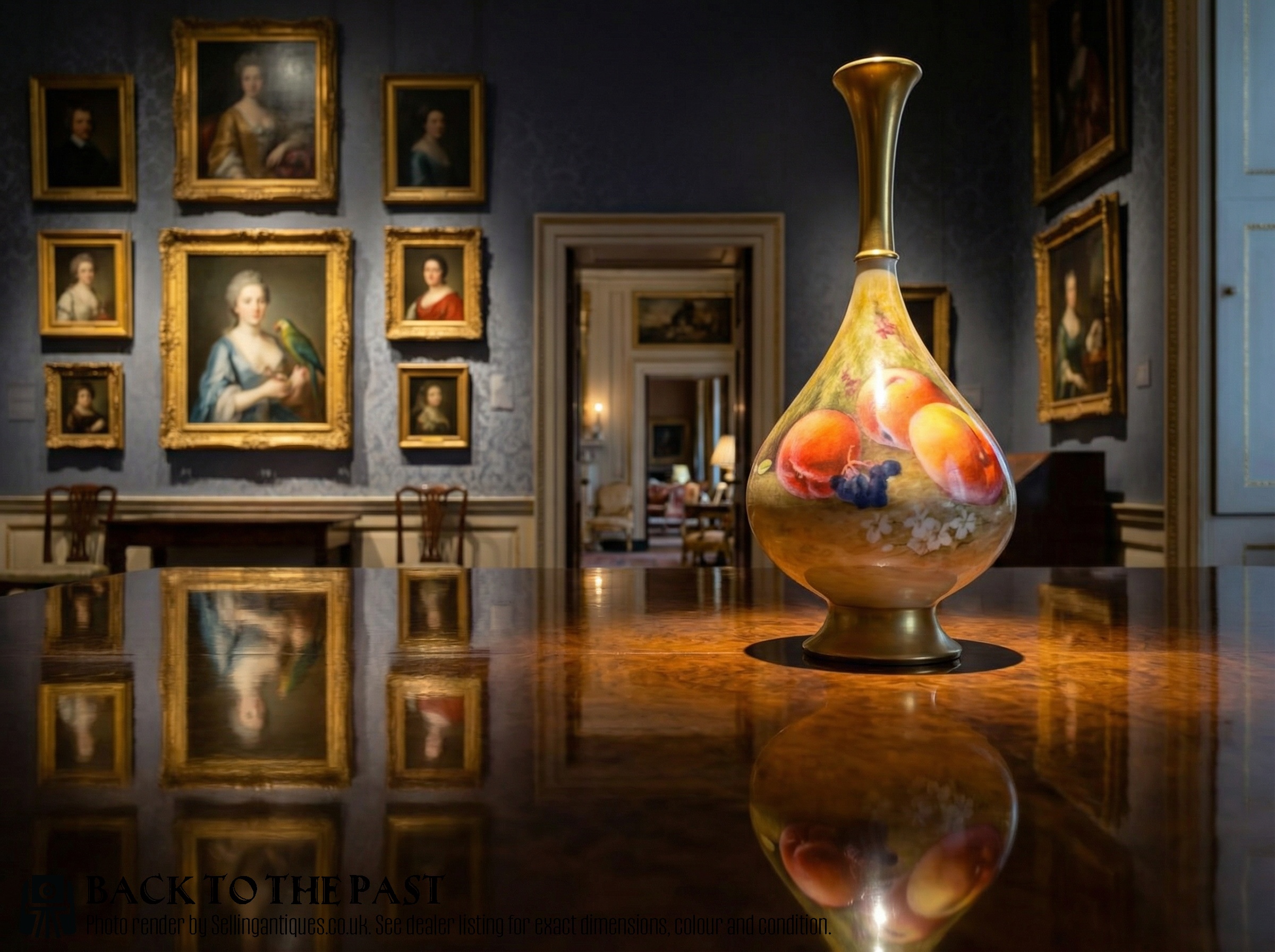
How they were made
Potters shaped porcelain or earthenware bodies on the wheel or in moulds before firing them at high temperatures to create a durable ceramic base. Artisans then applied enamel colours and gold leaf or liquid gilding by hand, often returning the piece to the kiln for subsequent fixing.
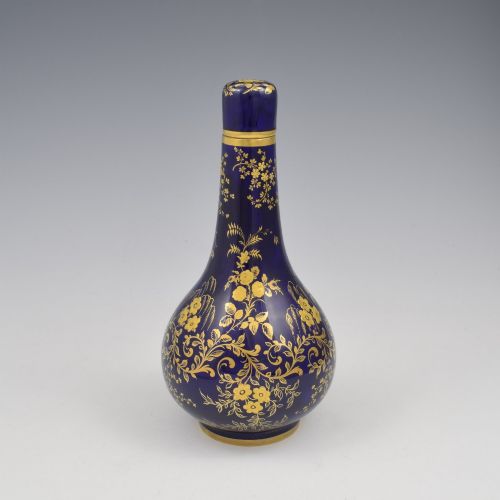
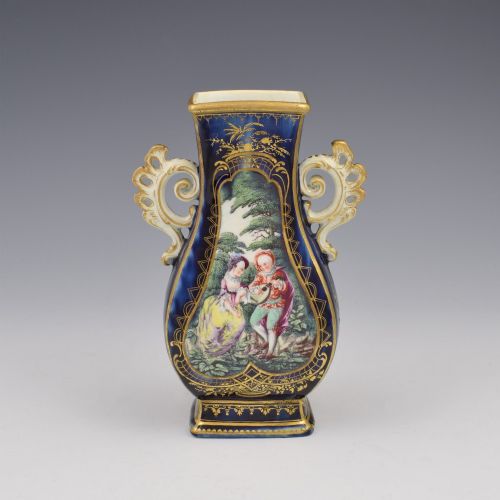
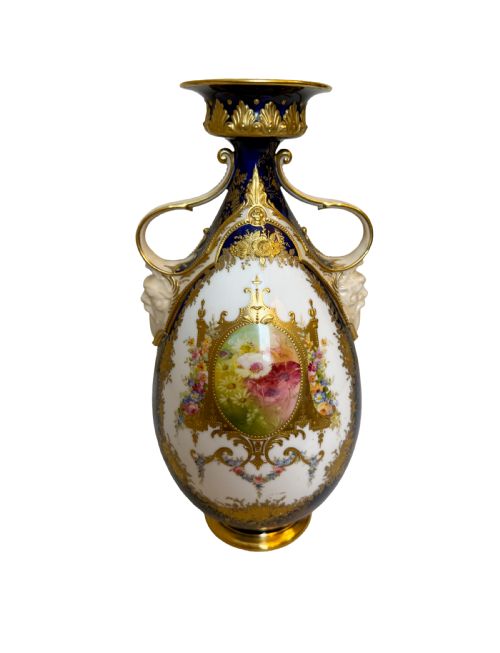
Japanese Satsuma pieces relied on earthenware clay decorated with intricate moriage relief work, where slip builds up tactile patterns beneath the gold. English factories utilised bone china and porcelain, pairing cobalt grounds with meticulous hand-painted floral or figural panels.
Listings feature porcelain, earthenware, and gilding across the 19th Century, Edwardian, and Meiji periods.
What varies in quality
The precision and delicacy of the hand-painting dictate the standing of a piece, especially on finely detailed botanical or figural panels by named artists. Crisp execution in the gilding and well-preserved enamel layers distinguish superior examples from standard production.
The weight, symmetry, and complexity of the ceramic body also influence desirability, seen in reticulated openwork or complex handles. Signatures from established workshops and master painters elevate individual items significantly.
Flight Barr and Barr·Royal Worcester·Spode·Coalport·Kinkozan·Royal Doulton
The Gold Gilt Ceramic Vase Glossary
- Gilding
- The application of gold leaf or gold dust to a surface for decoration. This technique enhances ceramic vessels with metallic sheen.
- Moriage
- A type of Japanese ceramic decoration using clay slip to create raised patterns. Artisans frequently highlight these textured designs with gold.
- Imari
- A style of Japanese export porcelain featuring underglaze blue and iron red with added gold. These objects gained immense popularity in European interiors.
- Reticulated
- Openwork decoration formed by cutting away portions of the ceramic body before firing. This technique creates a lace-like ceramic structure.
Gold Gilt Ceramic Vase: Frequently Asked Questions
How do I date a gilt ceramic vase?
Examination of factory marks, base stamps, and stylistic cues reveals the manufacturing period. Stylistic shifts from Regency neoclassical forms to Aesthetic movement designs help narrow the timeline.
Handwritten artist signatures and registration numbers also provide specific decades of production. Comparing the paste and glaze characteristics against known factory outputs confirms the era.
What is Satsuma ware?
Satsuma ware is a type of Japanese earthenware traditionally featuring a crackle glaze and ornate polychrome and gilt decoration. These pieces were widely produced for export during the Meiji period.
Master workshops in Kyoto and Kobe created intricate figural processions and floral gardens. Artisans often signed their work on the base with specific artist or studio marks.
Are these vases suitable for fresh flowers?
Many antique ceramic vases are primarily decorative due to their age, delicate enamel work, and sensitive gilding. Using them with water risks damaging the interior glaze or old repairs.
Dry botanicals or silk arrangements provide a safer alternative for display. Collectors generally prefer to exhibit these pieces as sculptural works of art.
How should I clean a gilded vase?
Dusting gently with a soft, dry artist brush preserves the delicate gold leaf and enamel details. Moisture and commercial cleaning agents can permanently strip historical gilding.
Keeping the pieces away from direct sunlight prevents the enamel colours from fading over time. Careful handling protects fragile handles and raised moriage work.