


Nineteenth Century Pitcher
A nineteenth century pitcher brings utilitarian purpose and historic craftsmanship together, offering functional utility paired with enduring ceramic and glass artistry.
Nineteenth Century Pitcher
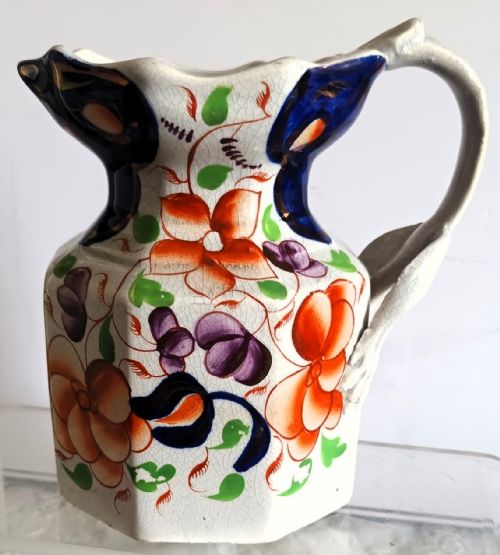
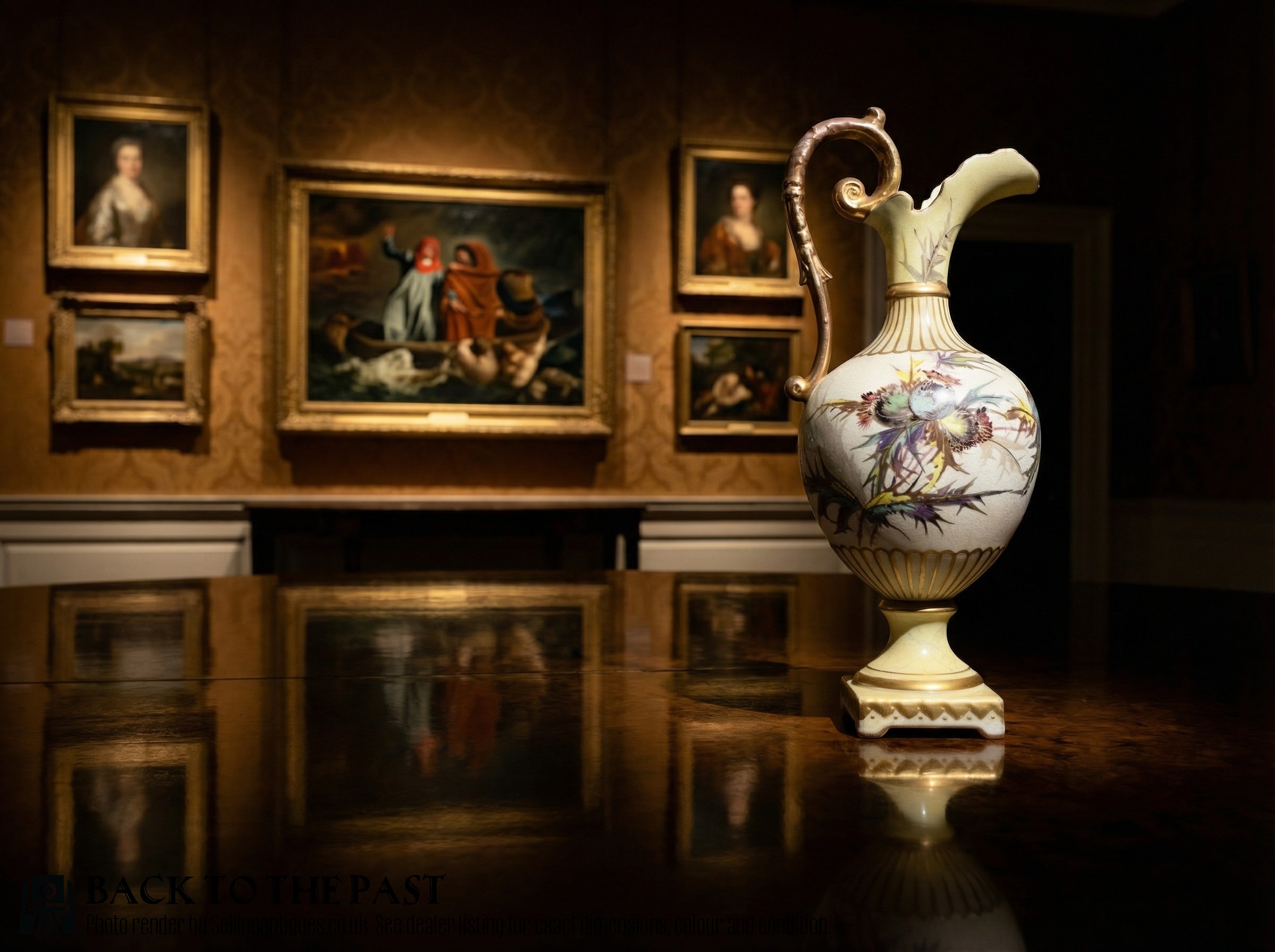
A nineteenth century pitcher encompasses a diverse array of utilitarian and decorative pouring vessels created across the Georgian, Regency, and Victorian eras. Buyers encounter numerous forms, including ironstone table jugs, porcelain commemorative pieces, glass claret jugs, and bronze ewers.
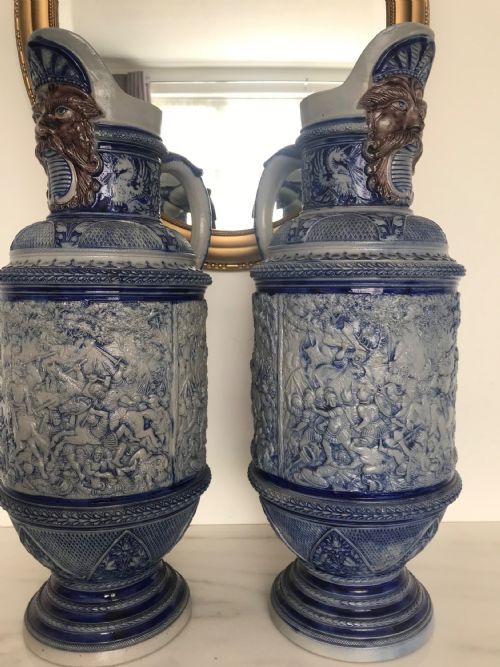
The materials span ceramic, ironstone, porcelain, earthenware, glass, and bronze, originating from English potteries, French workshops, German kilns, and beyond. This category accommodates everything from simple earthenware vessels to elaborate salt-glazed stoneware and metal ceremonial ewers.
Makers ranged from large commercial potteries like Mason's and Doulton Lambeth to specialist glass houses and bronze foundries. Selecting a piece depends on whether you seek a simple transfer-printed earthenware jug or a monumental decorative bronze vessel.
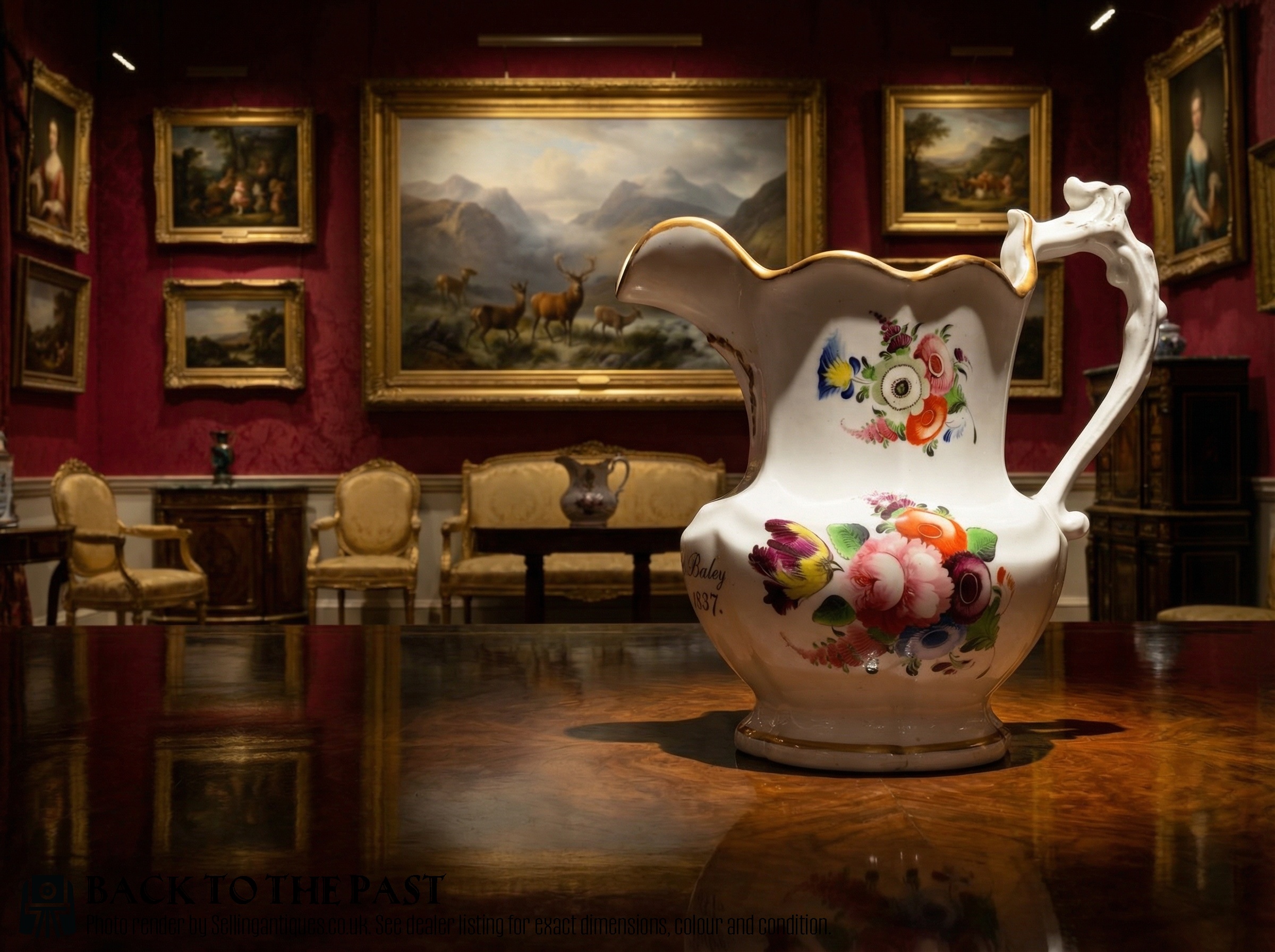
Materials and methods of production
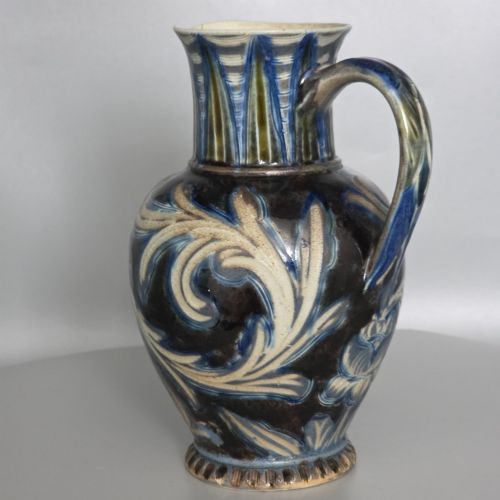
Ceramic and ironstone pitchers were shaped in moulds or thrown on wheels, often utilising printed, painted, or lustre decorations fired at high temperatures. Salt-glazed stoneware pitchers relied on salt thrown into the kiln during firing to produce a textured finish.
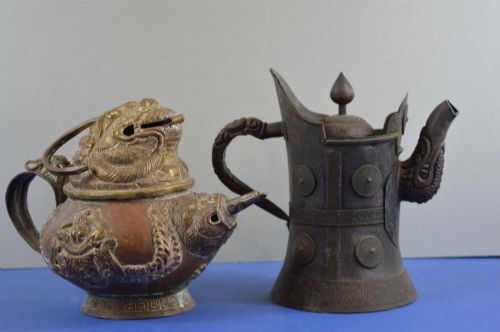
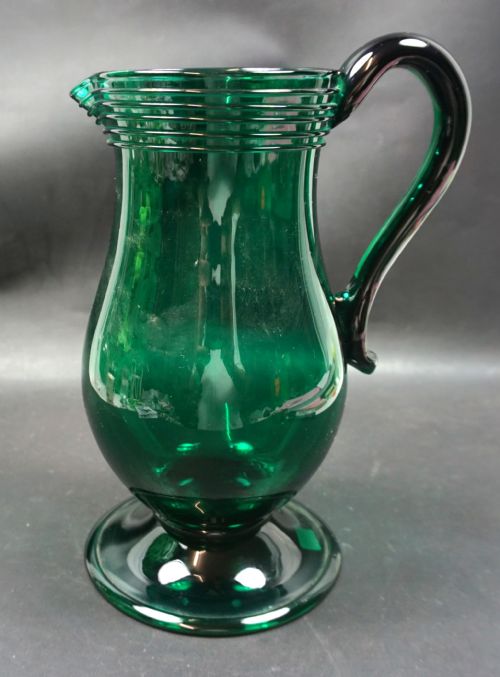
Glass vessels such as claret jugs and decanters were blown, moulded, and frequently finished with cut engraving, applied trail rims, or silver-plated mounts. Bronze ewers and pitchers utilised metal casting techniques, often replicating classical Renaissance styles.
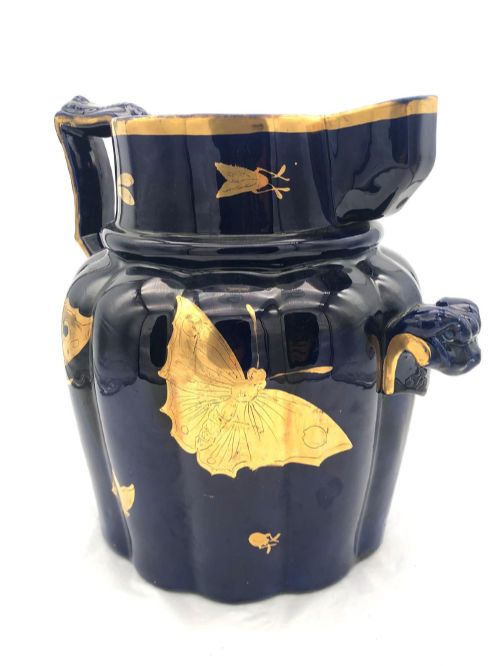
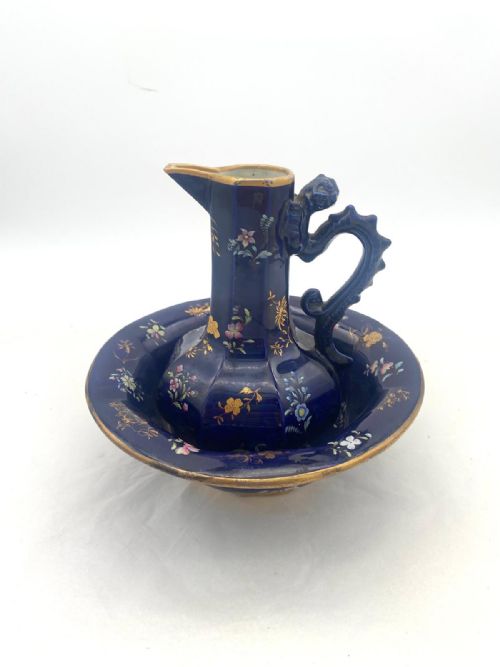
Surface ornamentation involved cobalt blue detailing, transfer printing, hand-painted botanical motifs, and applied silver or gold leaf elements. These techniques reflect the diverse industrial and artisanal capabilities of the period.
A duck-shaped novelty decanter proves that nineteenth-century hosts appreciated a touch of humour alongside their claret.
Distinctions in craftsmanship and design
Quality rests upon the crispness of the modelling, the precision of transfer printing or hand-painted details, and the integrity of the material. Fine porcelain and heavy cast bronze or cut glass demonstrate superior material weight and refined surface finish compared to utilitarian earthenware.
The complexity of the form and the reputation of the maker distinguish standard production wares from exceptional examples. Pieces bearing specific stamps, intricate engraved glass panels, or sculptural elements like animal handles display higher artistic ambition.
Doulton Lambeth·Simon Peter Gerz·Richardsons Birmingham·Livesley Powell And Co·Asprey And Co
The Nineteenth Century Pitcher Glossary
- Ironstone
- A durable type of ceramic patented in the nineteenth century that bridged the gap between earthenware and porcelain. It provided sturdy utility for heavy domestic use.
- Transfer printing
- A decoration technique where an engraved copper plate applied ink to tissue paper, which was then transferred onto the unglazed ceramic surface. This allowed intricate patterns to be reproduced consistently.
- Ewer
- A large pitcher with a wide spout and handle, traditionally used for holding water or wine. Many nineteenth-century examples served decorative or ceremonial functions.
- Lustreware
- Pottery decorated with a metallic glaze that produced an iridescent, reflective sheen. It was popular in various forms throughout the nineteenth century.
- Salt glaze
- A finish created by throwing common salt into the kiln during high-temperature firing, producing a pitted, orange-peel texture on stoneware.
Nineteenth Century Pitcher: Frequently Asked Questions
How do I clean an antique glass pitcher?
Wash glass pitchers gently by hand using warm water and mild soap, avoiding harsh scrubbing brushes that might damage engraved surfaces.
Dry them immediately with a soft lint-free cloth to prevent water spots on nineteenth-century crystal and glass.
Can I use these pitchers for serving drinks?
Many ceramic, ironstone, and glass pitchers were designed for functional table use such as pouring water, lemonade, or wine.
Examine the interior for crazing or historic repairs before using antique vessels with food or beverages.
What is the difference between a jug and a pitcher?
In historical terminology, the words are often used interchangeably to describe vessels with handles and lips for pouring liquids.
Pitcher sometimes denotes a larger vessel with a distinct spout, while jug covers a broader range of handled containers including ewers and creamers.
How do I date a nineteenth century ceramic pitcher?
Examine the base for maker stamps, registration marks, or impressed letters that indicate the pottery and production period.
Stylistic cues such as transfer printing motifs, glaze types, and handle shapes also help narrow down the decade of manufacture.