


Painted Porcelain Pitcher
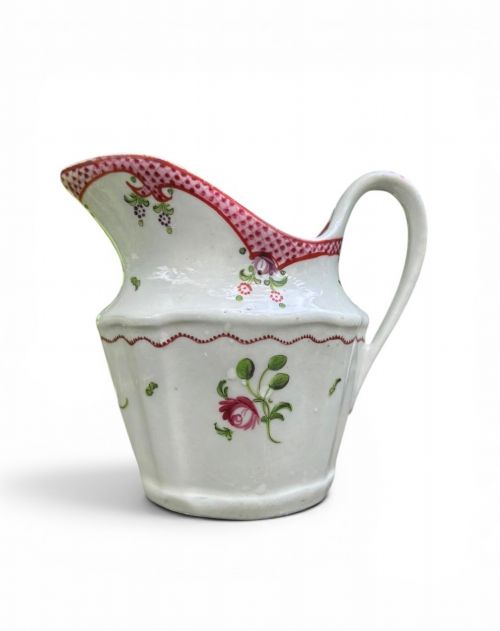
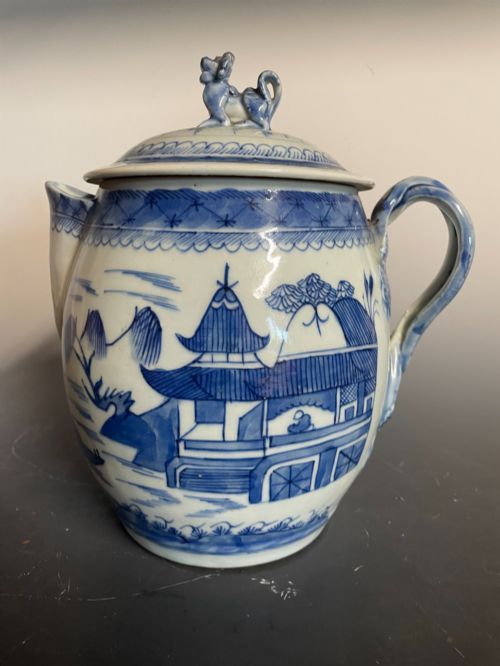
A painted porcelain pitcher brings vibrant hand-decorated colour and classic ceramic form to a table or shelf.
Painted Porcelain Pitcher
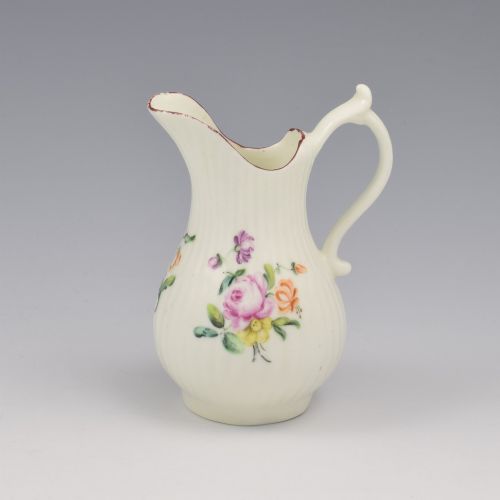
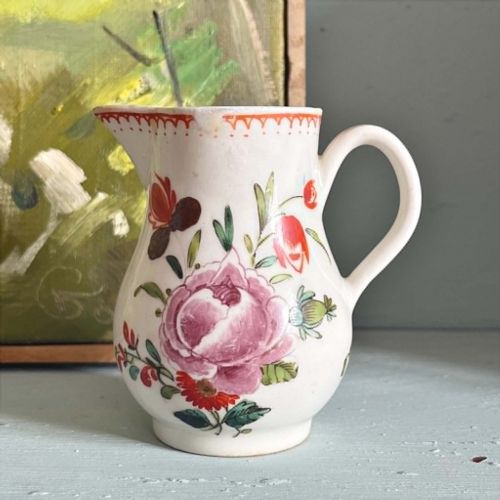
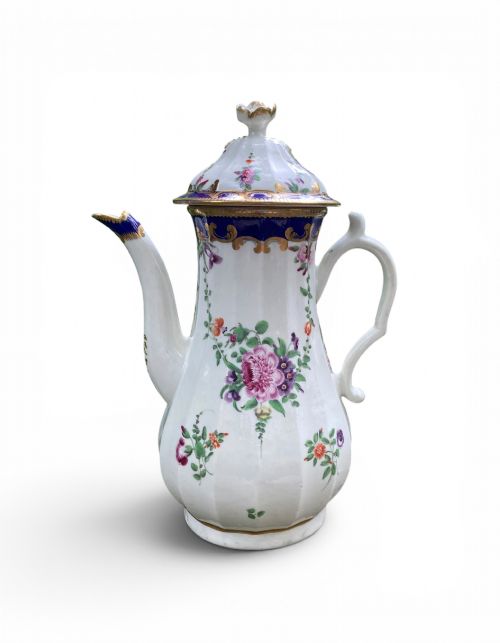
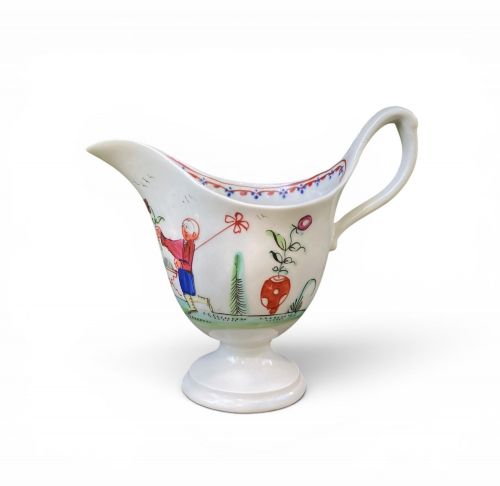
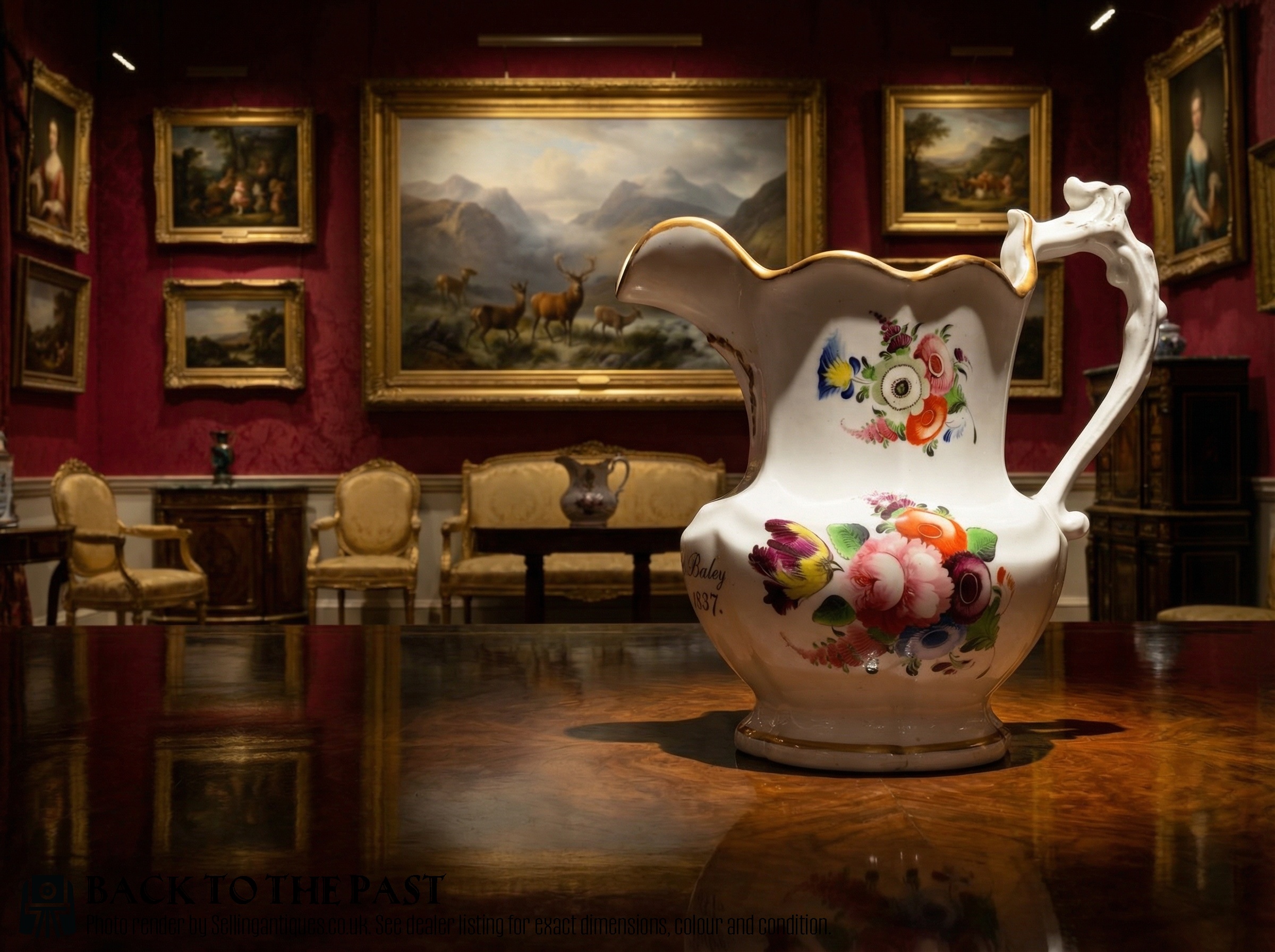
A painted porcelain pitcher is a glazed ceramic vessel designed for pouring liquids such as cream, milk, water, or wine, or held simply for display. When searching for a painted porcelain pitcher, buyers encounter an array of forms ranging from eighteenth-century sparrowbeak creamers to nineteenth-century decorative ewers and monumental Victorian vessels. The selection draws on English factories like Royal Worcester, Derby, and New Hall, alongside continental European porcelain and imported wares.
Most pieces date from the Georgian, Victorian, and Edwardian eras, reflecting shifts in domestic dining and interior decoration. Forms vary from small cream jugs with delicate clip handles to grand wine ewers adorned with blush ivory grounds and hand-painted fruit. English porcelain works dominate the selection, often alongside French Old Paris wares and German Meissen pieces.
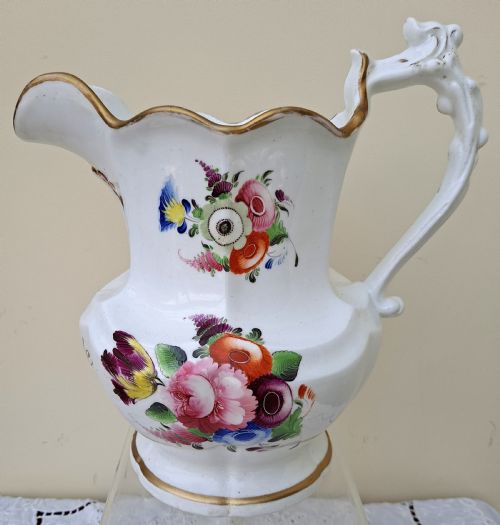
Makers utilised hard-paste and soft-paste porcelain bodies, shaping them into fluted balusters, cleft profiles, and ribbed columns. Decoration ranges from polychrome floral sprays and armorial crests to Japanese Imari motifs and landscape views of sites like Buildwas Abbey. Buyers select these items for their utility in service and their decorative presence in a room.
Materials and production methods
Potters formed these vessels using porcelain clay bodies, sometimes supplemented by earthenware or pottery formulas, shaped upon the wheel or cast within moulds. The unfired clay received an initial kiln biscuit firing before artisans applied underglaze or overglaze pigments by hand. Painters utilised mineral colours mixed with oils to render botanical studies, birds, insects, and figural scenes directly onto the porous surface.
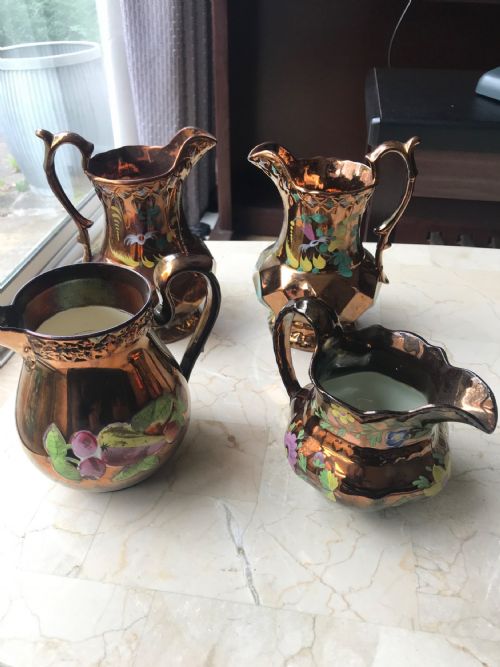
Gilding was frequently applied after the main painting process, utilising gold leaf or liquid gold highlights along rims, handles, and panels. A subsequent low-temperature firing bonded the enamel colours and metallic leaf to the transparent glaze, sealing the decoration. Specialised techniques such as copper lustre, blush ivory tinting, and underglaze blue painting defined the distinct output of factories from Liverpool to Staffordshire.
Several ewers are signed by factory artists who clearly spent long afternoons painting tiny bees onto porcelain plums.
Judging the quality of execution
Quality rests primarily on the skill of the hand-painting and the crispness of the porcelain moulding. Superior pieces display finely detailed brushwork, such as naturalistic fruit studies by known factory artists or intricate armorial crests applied with precision. Lesser examples rely on repetitive printed outlines with minimal hand-colouring or feature thick, heavy potting that obscures the refined translucency expected of porcelain.
The application of gilding further distinguishes finer specimens from standard production. High-grade items utilise burnished gold leaf that catches the light cleanly, whereas lower-quality pieces exhibit dull, flat bronze paint that wears away easily from handling. The balance of the handle, the clean pull of a spout, and the absence of heavy kiln warping indicate superior workshop standards.
Royal Worcester·New Hall·Derby·Meissen·Chamberlain Worcester·Coalport·Doulton Burslem
The Painted Porcelain Pitcher Glossary
- Sparrowbeak creamer
- A small eighteenth-century cream jug characterised by a short, pinched spout resembling a bird beak. These early pieces typically feature delicate looping handles and hand-painted polychrome floral motifs.
- Ewer
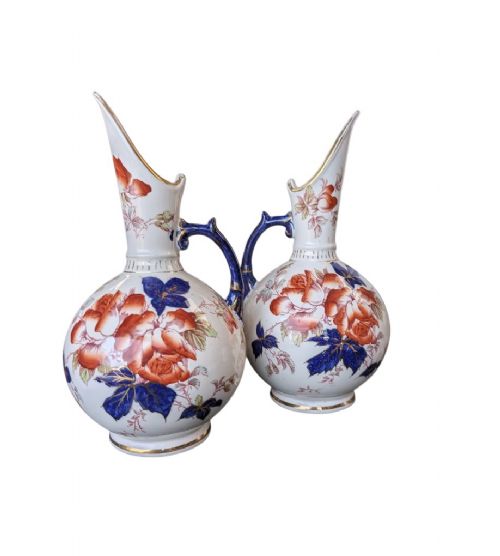
- A large pitcher with a wide spout and an ornate handle, historically used for pouring water at a washstand or for serving wine at table. Decorative versions often lack practical utility and serve as ornamental display pieces.
- Blush ivory
- A matte cream-coloured porcelain ground developed by Victorian factories, particularly Royal Worcester, to resemble ivory. It provides a soft background for hand-painted floral sprays and gilt highlights.
- Hard-paste porcelain
- A dense, vitrified ceramic composition fired at very high temperatures using kaolin and petuntse. It produces a durable, translucent body that resists scratching and absorbs little moisture.
- Underglaze
- A decorative technique where pigments are applied to the raw or biscuit ceramic body before the transparent glaze is added. This seals the painted design permanently beneath the glossy surface layer.
Painted Porcelain Pitcher: Frequently Asked Questions
What is the difference between a pitcher and an ewer?
A pitcher is a general utility vessel featuring a handle and a spout for pouring liquids at table. An ewer is a more formal, decorative version with a wider, sweeping spout and an elaborate handle.
Historically, ewers often accompanied matching basins for hand-washing or served as ornamental showpieces on sideboards. Pitchers tended to see more direct daily service for milk, cream, or water.
Are these pitchers safe for daily use?
While eighteenth and nineteenth-century pitchers were made for domestic service, older glazes and enamel paints can be delicate. Items with extensive overglaze gilding or delicate handles are best reserved for display.
Sturdier Victorian earthenware jugs and robust porcelain creamers can handle occasional service. Inspect the interior and rim for any historical hairline cracks before putting a piece to use.
How can I tell the period of a porcelain jug?
Examine the base for factory marks, pattern numbers, and impressed ciphers that correspond to known production dates. The weight, thickness of the body, and style of handle also offer clues to the era of manufacture.
Hand-mixed enamel colours and potting irregularities often point to eighteenth-century origins, while nineteenth-century pieces frequently display registration diamonds or factory date ciphers.