
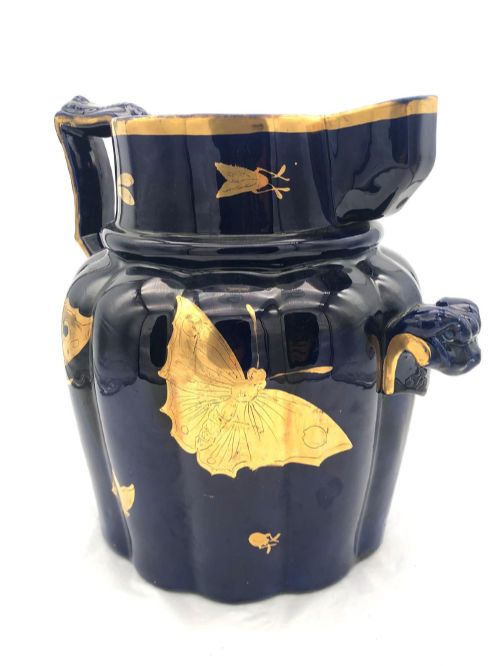
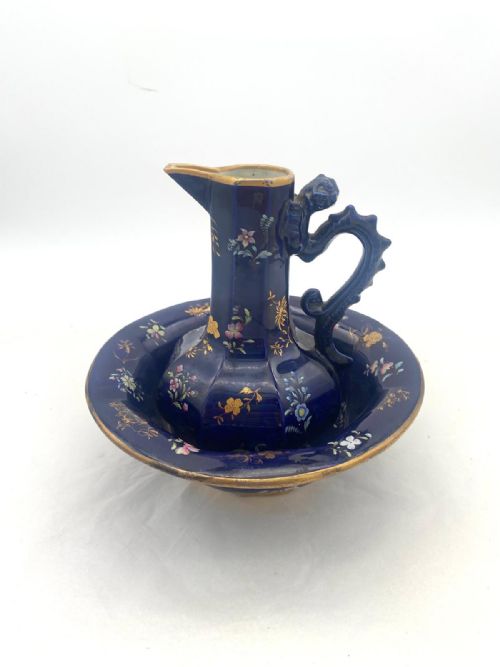
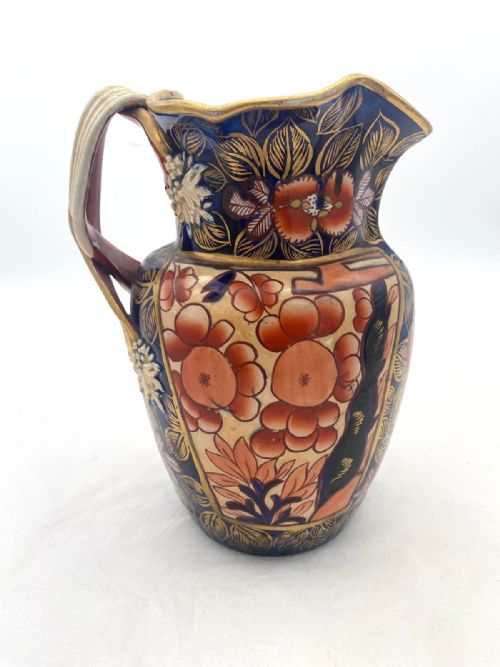


Regency Porcelain Jug
These regency porcelain jug pieces combine early nineteenth-century form with fine ceramic work, offering both historical utility and classic cabinet display.
Regency Porcelain Jug
When searching for a regency porcelain jug, a buyer encounters forms ranging from cream jugs to large ewers, pitcher sets, and footbath jugs produced during the Georgian, Regency, and early Victorian eras. Most examples appearing on this page belong to the Regency and 19th-century periods, capturing the distinctive domestic and decorative vessel styles of the time.
The selection includes specialised items like Mazarine octagonal pieces, schoolhouse pattern ironstone, Chinoiserie ewers, and armorial crested vessels from notable factories. These items served functional table roles, from holding cream to carrying water, yet survive primarily as decorative antiques.
Materials and construction
Potters built these vessels using porcelain, ironstone, and glazed ceramic bodies, shaping them into octagonal, footed, or bulbous forms. Makers applied specialised glazes to seal the ceramic body, providing a smooth surface suitable for intricate painted scenes and structural details like grotesque handles.
Decoration relied heavily on hand-applied gold leaf, gilding, and cobalt blue grounds, alongside hand-painted topographical views and Chinoiserie motifs. The combination of durable ironstone or fine porcelain with rich metallic gilding defined the manufacturing standard of the period.
Quails persistently populate nineteenth-century tea services, reminding us that Regency breakfast tables secretly yearned for exotic garden birds.
Factors that distinguish quality
Quality in a regency porcelain jug rests upon the crispness of the moulded form, whether an octagonal profile, a gadroon rim, or a modelled grotesque handle. Superior pieces exhibit precise control during the shaping and firing processes, maintaining sharp architectural lines and balanced proportions without warping.
The refinement of the surface decoration further separates standard items from exceptional ones. Finely executed hand-painted topographical views, detailed armorial crests, and precisely applied gold leaf demonstrate superior artistic execution compared to standard transfer-printed or plain glazed wares.
Mason's Ironstone·H & R Daniel·Derby Porcelain·Chamberlain Worcester·Crown Derby
The Regency Porcelain Jug Glossary
- Ironstone
- A patented heavy earthenware developed in the early nineteenth century that mimics porcelain in strength and durability. It provides a robust body for large or heavily decorated jugs.
- Chinoiserie
- A decorative style reflecting European interpretations of Chinese and East Asian artistic traditions. It frequently appears on early nineteenth-century ceramics through motifs like exotic birds and pavilions.
- Gilding
- The application of gold leaf or gold paint to ceramic surfaces to highlight rims, handles, and patterns. It adds a reflective metallic finish to the piece.
- Ewer
- A large jug with a flared spout and a shaped handle, traditionally used for pouring water or holding liquids at the table. These often feature more elaborate sculptural handles than standard milk or cream jugs.
- Armorial
- A ceramic decoration featuring a family coat of arms or heraldic crest. These bespoke commissions were painted specifically for landed families.
Regency Porcelain Jug: Frequently Asked Questions
What is a regency porcelain jug?
A regency porcelain jug is a domestic or decorative pouring vessel made from fine ceramic or ironstone during the early nineteenth century. These items range from small cream jugs to large ewers and footbath sets.
They reflect the neoclassical tastes and manufacturing innovations of the Regency period, often featuring hand-painted landscapes, armorial crests, or rich gilding.
How were these jugs used?
Originally, these vessels served practical roles on the dining table or in the dressing room, holding cream, water, or other liquids. Smaller pieces functioned as creamers for tea service, while larger ewers formed part of washstand sets.
Today, collectors primarily utilise them for display, appreciating their sculptural forms and historical ceramic art.
How do I identify a Regency period piece?
Identifying a Regency piece involves examining the characteristic shapes, such as gadroon borders, classical proportions, and specific decorative motifs like Chinoiserie or topographical views. The paste used, whether translucent porcelain or dense ironstone, also helps determine the era.
Maker attribution often relies on painted or impressed factory marks found on the underside of the vessel.
What is the difference between porcelain and ironstone?
Porcelain is a fine, vitrified ceramic material that is often translucent when held to the light, offering a delicate surface for detailed painting. Ironstone is a heavy, durable earthenware patent body designed to withstand robust daily use while remaining white and opaque.
Both materials were utilised during the early nineteenth century depending on the intended function and factory output.
How do I care for antique ceramic jugs?
Antique jugs require gentle handling and should be washed by hand in lukewarm water using mild soap, avoiding harsh scrubbing or dishwashers. Protecting the surface from sudden temperature changes prevents stress on the glaze and ceramic body.
Displaying them away from direct sunlight helps preserve any delicate hand-painted enamel colours and gold gilding.