


Georgian Water Pitcher
A georgian water pitcher brings substantial weight and utility to a table, combining durable metal or ceramic with period craftsmanship.
Georgian Water Pitcher
When searching for a georgian water pitcher, buyers encounter a diverse selection of large serving vessels designed for liquids, spanning earthenware, porcelain, copper, and silver plate. These items cross multiple stylistic influences, incorporating Georgian, Regency, and Victorian aesthetics alongside neoclassical motifs.
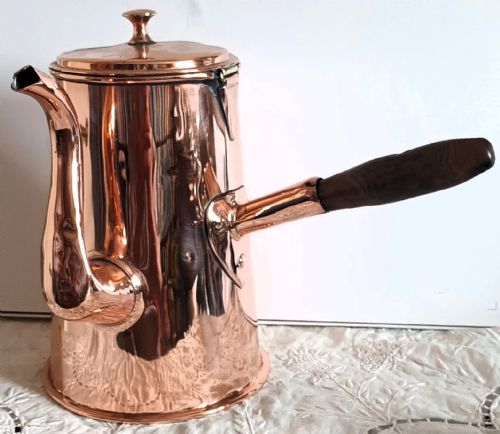
The inventory on this page ranges from modest three-pint copper vessels to colossal one or two gallon jugs, encompassing functional ale and beer jugs alongside delicate porcelain ewers and commemorative pieces. Forms frequently overlap with coffee pots, ewers, and washbasin jugs from the eighteenth and nineteenth centuries.
How they were made
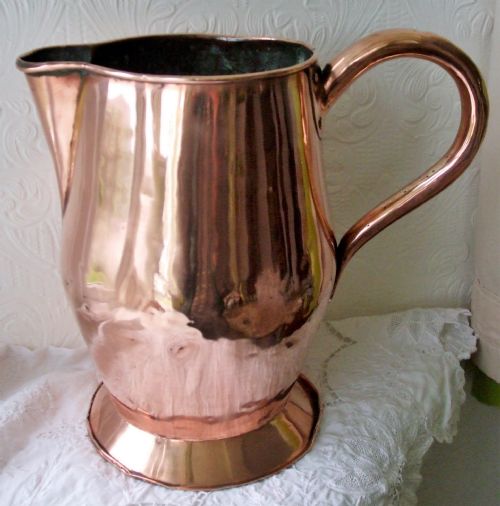
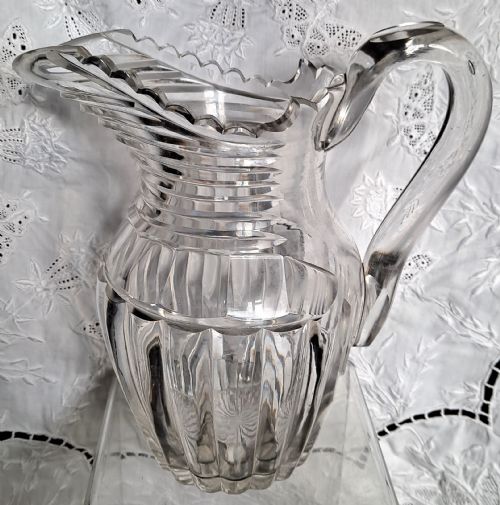
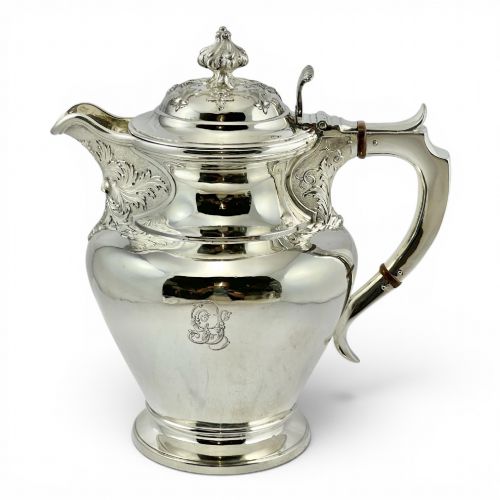
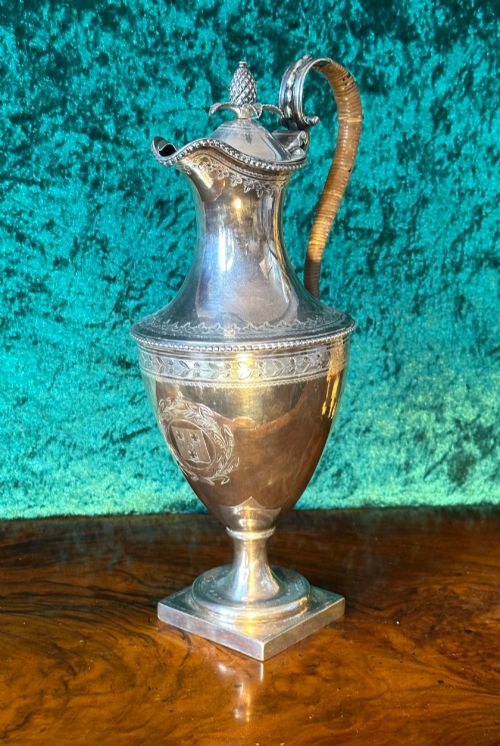
Metals such as copper and silver plate involve skilled hammering, soldering, and structural shaping to form large capacities, while Old Sheffield Plate fuses silver and copper layers together. Glass examples utilise pillar and prism cutting techniques to create heavy, faceted surfaces.
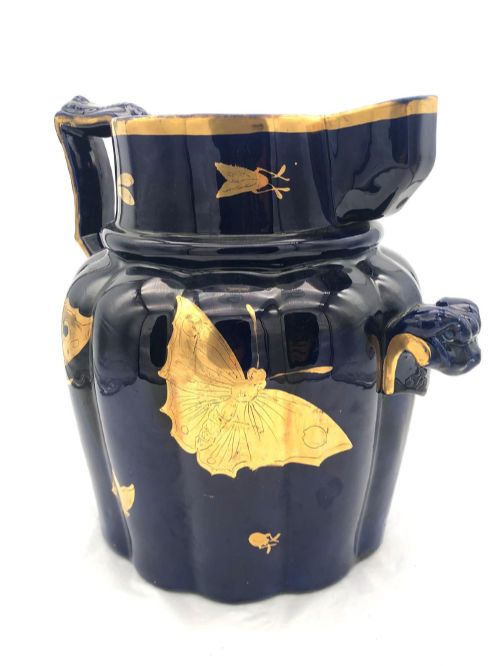
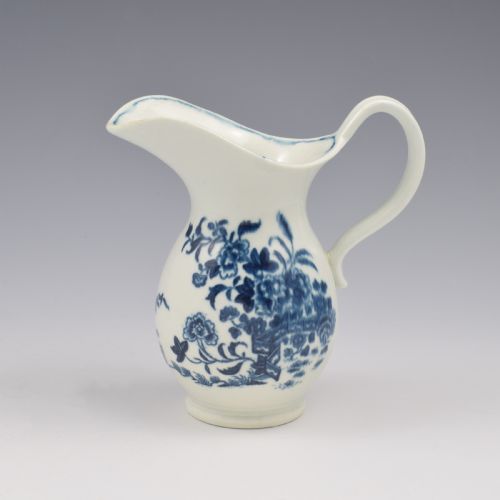
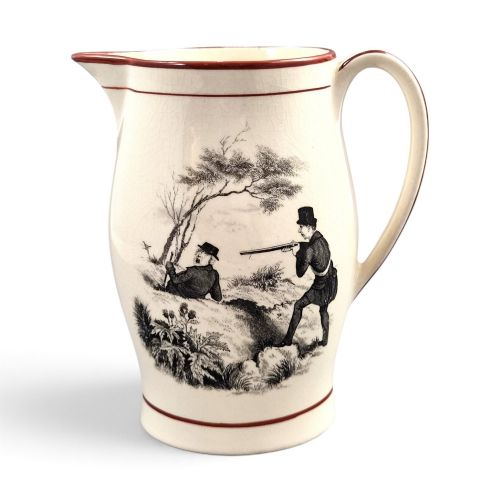
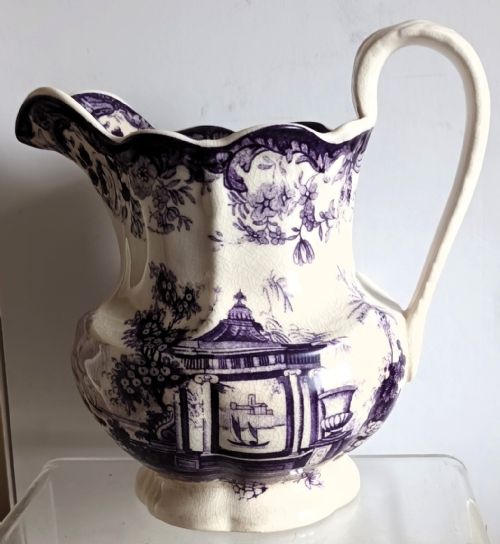
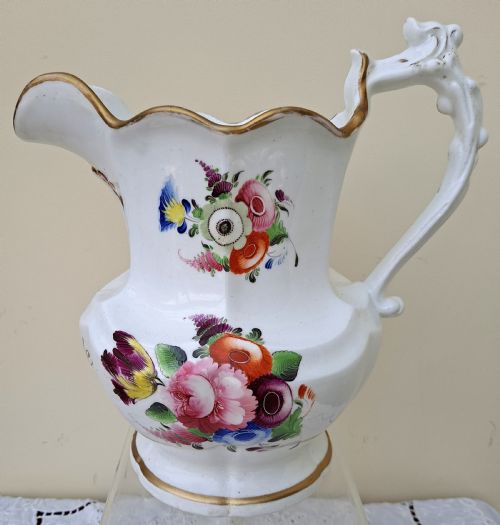
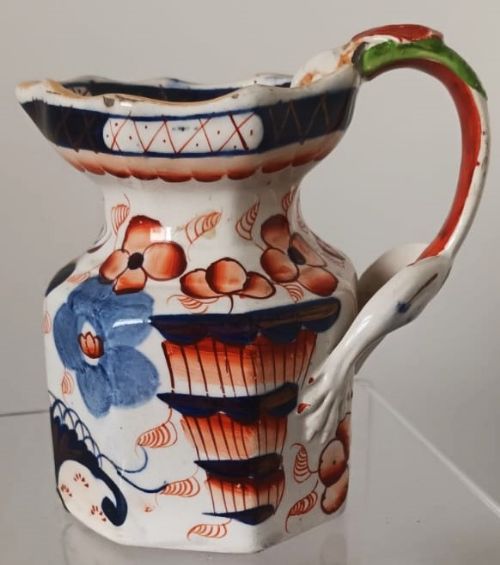
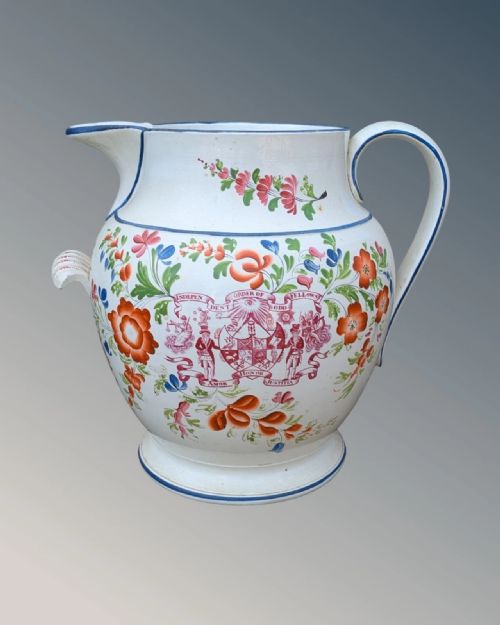
Ceramic pieces rely on earthenware, creamware, pearlware, and porcelain bodies, decorated with transfer-printing, enamel colours, lustre glazes, and cabbage leaf moulding.
Listings feature vessels spanning the eighteenth and nineteenth centuries, incorporating copper, creamware, pearlware, and cut glass.
What varies in quality
Quality rests in the crispness of decoration, such as the depth of glass cutting or the clarity of transfer-printed views like the Boston State House or Chinoiserie scenes. Metal vessels display variation in wall thickness, handle attachment strength, and the preservation of original plating or surface finish.
Ceramic bodies show differences in the precision of moulding, particularly with complex relief motifs or mask heads, alongside the stability of the glaze and the complexity of hand-painted armorial crests or commemorative inscriptions.
John Scofield·Chamberlain Worcester·Mason's Ironstone
The Georgian Water Pitcher Glossary
- Creamware
- A fine earthenware developed in Yorkshire and Staffordshire, characterised by a pale yellowish cream glaze. It became the dominant domestic ceramic ware during the late eighteenth century.
- Pearlware
- An refined earthenware introduced by Josiah Wedgwood around 1779, featuring a bluish-white glaze that pooled slightly in recesses to mimic Chinese porcelain.
- Old Sheffield Plate
- A composite material made by fusing a thin sheet of silver to a thicker copper base under high heat. This technique predates modern electroplating and produces pieces with rich metallic warmth.
- Transfer-printing
- A decoration method using an engraved copper plate to pull a design in pigment onto tissue paper, which is then transferred onto the ceramic surface before glazing and firing.
- Mask head jug
- A ceramic vessel featuring a modelled human or grotesque face beneath the spout. These typically date to the transition between the eighteenth and nineteenth centuries.
Georgian Water Pitcher: Frequently Asked Questions
What were georgian water pitchers used for?
These vessels served practical functions at dining tables, sideboards, and washbasins, holding large quantities of water, ale, beer, or coffee for household guests.
Their capacities ranged from modest three-pint everyday jugs up to impressive two-gallon formats suited for large gatherings and institutional dining.
How can I tell earthenware from porcelain?
Earthenware and creamware bodies are opaque and slightly porous, often exhibiting warmer, cream or pearl-toned glazes. Porcelain is dense, vitrified, and sometimes translucent when held to the light.
Porcelain pieces frequently display finer hand-painted details or armorial crests, whereas earthenware tends towards transfer-printed scenes and relief moulding.
What defines the Regency style on these jugs?
Regency style items often incorporate neoclassical elements, clean architectural lines, and occasionally Chinoiserie motifs reflecting early nineteenth-century design tastes.
Cut glass examples from this period emphasise heavy optical clarity with deep pillar and prism cutting that catches the light.