


Blue Gilt Ceramic Jug
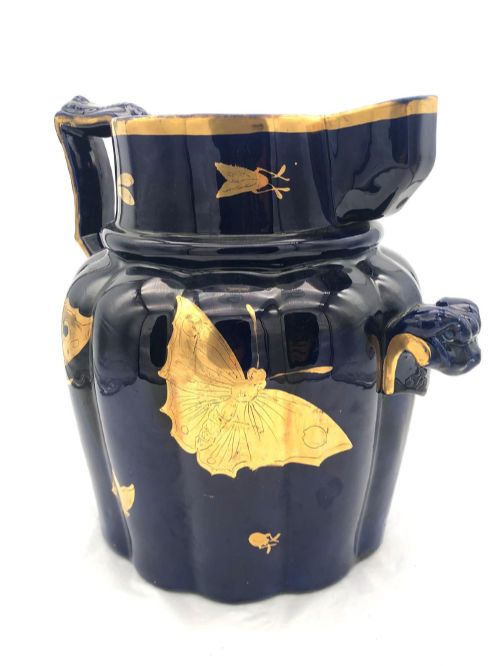
These blue gilt ceramic jug pieces combine vibrant cobalt grounds with rich gold leaf highlights, offering striking decorative presence for any room.
Blue Gilt Ceramic Jug
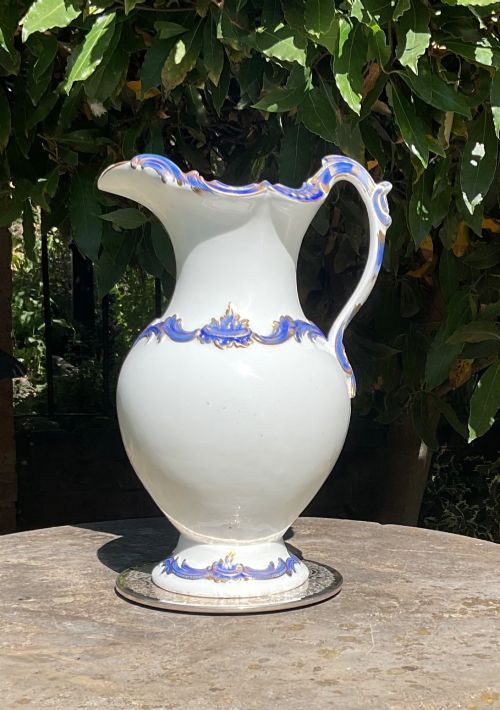
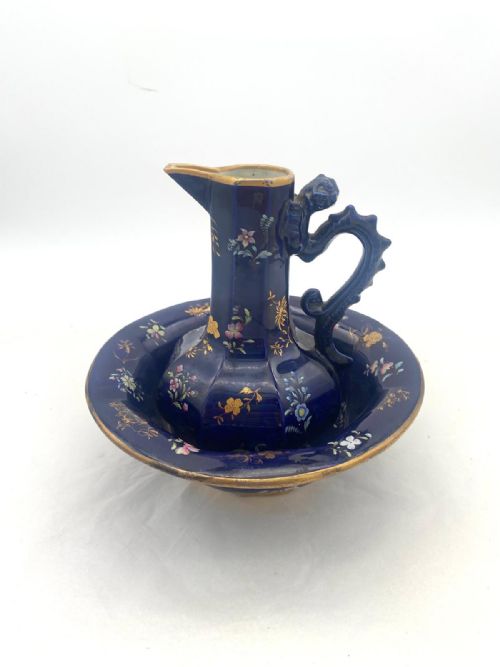
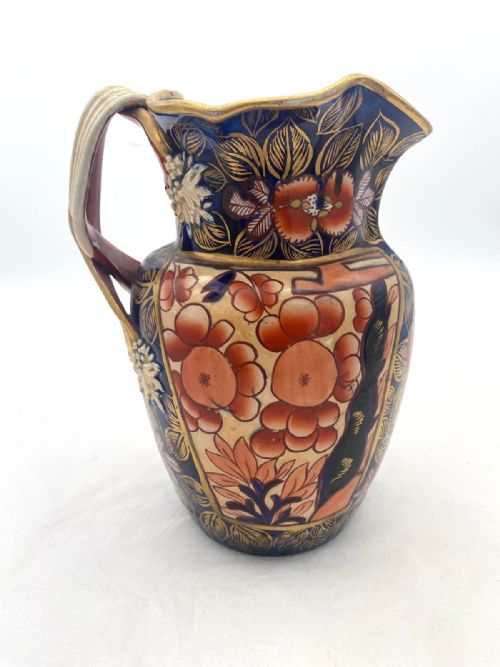
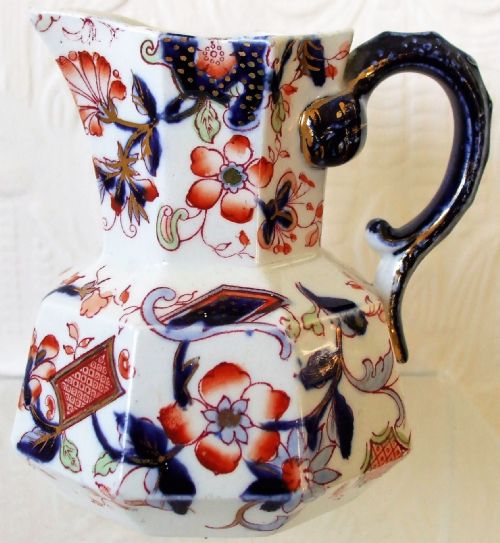
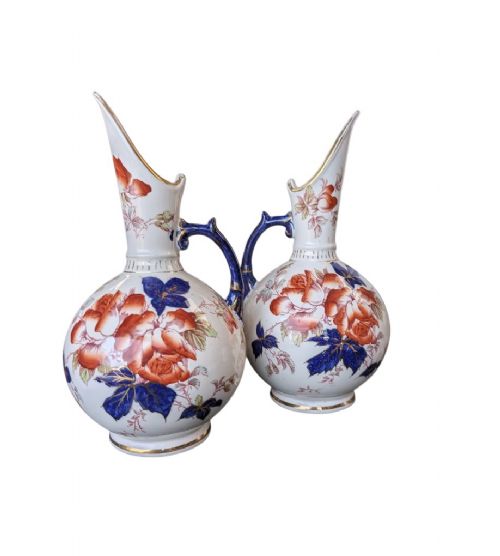
When you search for blue gilt ceramic jug, you examine a selection spanning the eighteenth and nineteenth centuries alongside mid-century interpretations. The forms include water vessels, mazarine octagonal footbath jugs, and basin sets intended for display or utility.
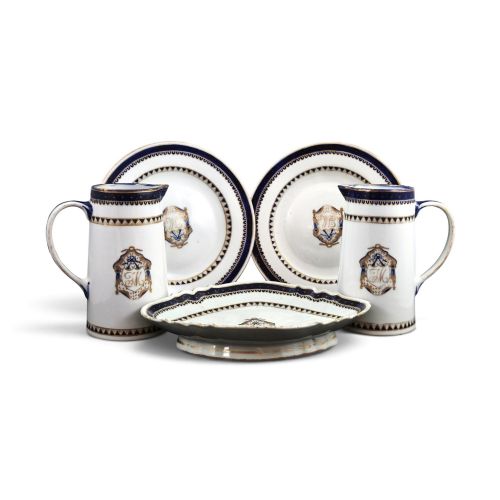
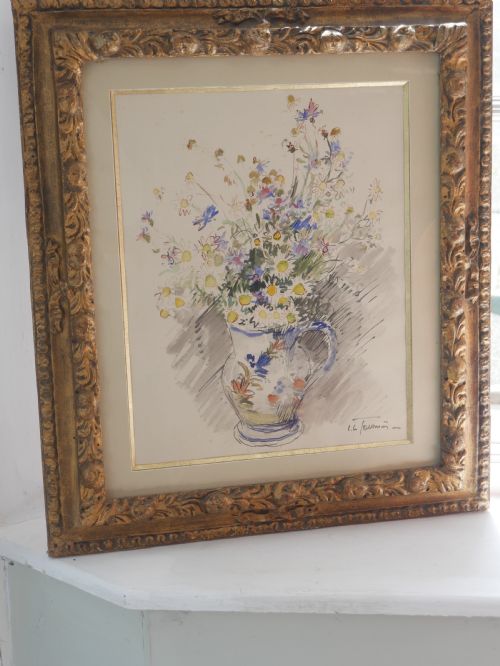
Most examples originate from English potteries such as Mason's and Coalport, frequently featuring cobalt blue grounds paired with intricate gold leaf or gilt decoration. Alongside these ceramic vessels appear paintings and watercolours depicting blue and white jugs.
Victorian pieces dominate the selection, bringing substantial porcelain and ironstone bodies decorated in traditional styles like Chinoiserie and Japanese Imari. These diverse domestic objects and artistic studies reflect sustained maker interest in combining deep blue pigments with bright metallic gilding.
How They Were Made
Potters shaped these pieces from ironstone and porcelain bodies before applying deep blue enamel or cobalt grounds. Artisans then added gold leaf and gilding by hand to highlight moulded details, handles, and rims.
Moulding techniques created complex shapes like the octagonal mazarine footbath and the grotesque-handled ewer. High-temperature kilns set the glazes and fixed the metallic leaf permanently to the ceramic surface.
What Varies in Quality
The precision of the hand-applied gilding and gold leaf determines much of the visual distinction between individual pieces. Crisp brushwork on cobalt grounds and well-preserved metallic highlights indicate superior workshop execution.
Complexity of form also separates standard tableware from masterworks like moulded mazarine footbath jugs and sculptural ewers. Sharply defined transfers, deep underglaze blues, and intact ironstone bodies elevate the standing of a vessel.
Keeling And Co·Royal Davenport·Stevenson And Hancock·Doulton Burslem·Coalport
The Blue Gilt Ceramic Jug Glossary
- Ironstone
- A dense, durable type of earthenware patented in the nineteenth century. It resists chipping better than standard porcelain while accepting rich blue and gilt decoration.
- Mazarine
- A deep blue colour term used historically to describe rich cobalt glazes. It frequently appears in descriptions of nineteenth-century footbath jugs and table services.
- Ewer
- A large jug with a wide spout and curved handle, historically designed for pouring water. Many examples feature ornamental handles and decorative cobalt grounds.
- Chinoiserie
- A European decorative style imitating Chinese artistic traditions. It appears on nineteenth-century ceramics through motifs like exotic landscapes and figures.
- Gilt
- A thin layer of gold applied to the surface of ceramics for decoration. It catches the light against dark blue enamel grounds.
Blue Gilt Ceramic Jug: Frequently Asked Questions
What are blue gilt ceramic jugs made of?
These vessels are constructed primarily from durable ironstone or fine porcelain bodies. Artisans finished them with cobalt blue enamels and applied gold leaf highlights.
Potters utilised moulds to achieve complex shapes such as octagonal forms and sculpted handles. The materials combine to create heavy, decorative display pieces.
How do I date a nineteenth-century jug?
Dating relies on maker marks stamped or painted on the underside of the ceramic body. Stylistic indicators like Chinoiserie patterns and heavy gilt handles also help narrow the period.
Changes in body composition, from early ironstone to later Victorian porcelain, provide further chronological clues. Examining the application of the blue ground offers additional context.
Were these jugs used for water?
Many examples served practical functions as water pitchers, table jugs, or parts of large washbasin sets. Larger pieces like footbath jugs held water for personal hygiene.
Others functioned primarily as decorative ornaments or tea set components. Their rich gold leaf decoration suggests they were often displayed on sideboards.
How should I display a gilt ceramic jug?
Place these vessels in well-lit spaces where natural light catches the gold leaf and gilt highlights. Ensure they rest on stable surfaces away from heavy traffic areas due to their weight and ceramic composition.
Pairing them with neutral backgrounds allows the deep blue enamel grounds to stand out. Avoid placing them in direct sunlight for extended periods to protect the finish.