


Gilded Ceramic Jug
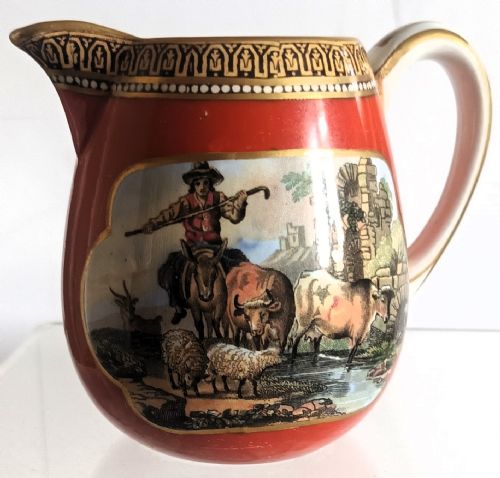
A gilded ceramic jug brings together lustrous metallic application and fired earth, offering both ornamental presence and practical utility.
Gilded Ceramic Jug
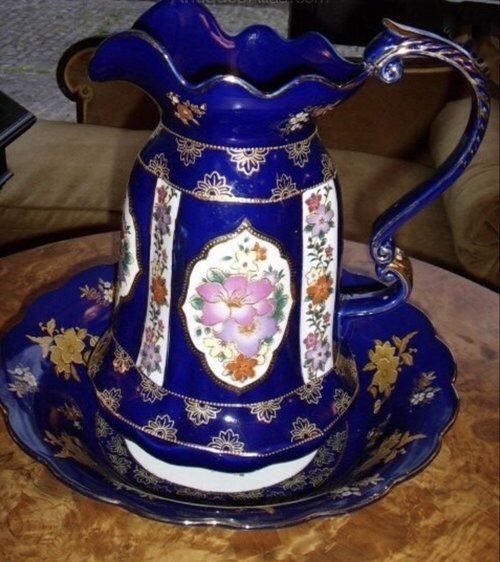
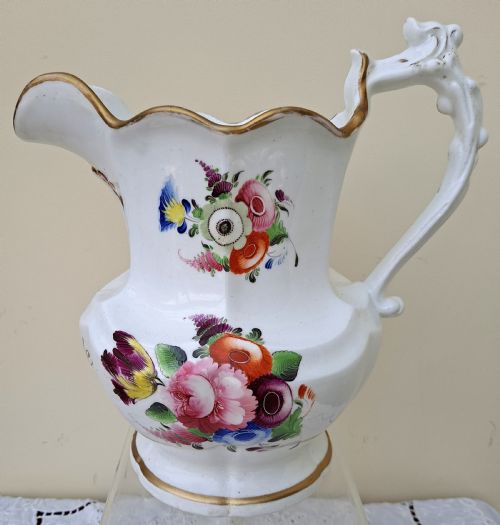
When you search for a gilded ceramic jug, you encounter vessels ranging from small cream jugs to large water ewers and pitchers. The examples available span from the Georgian and Regency periods through the Victorian and Edwardian eras, reflecting shifting domestic and decorative tastes.
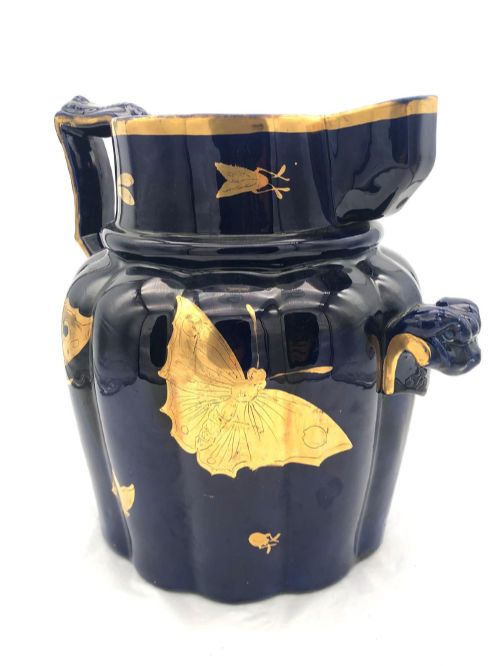
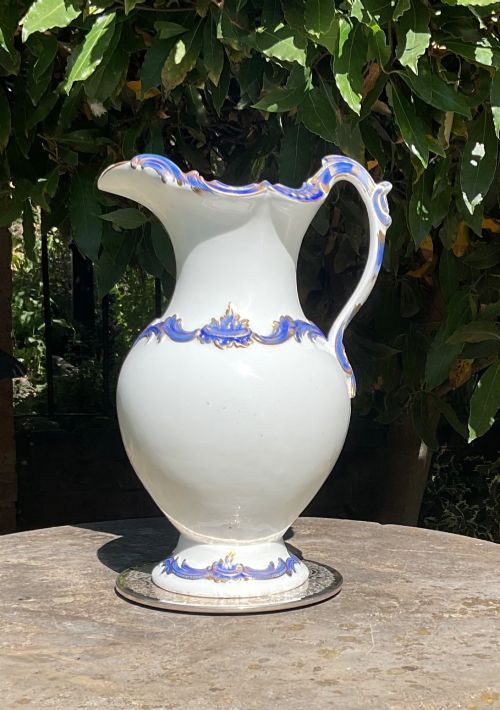
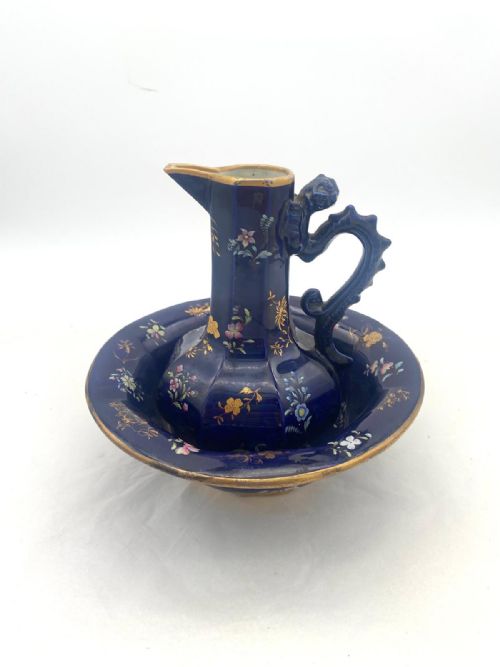
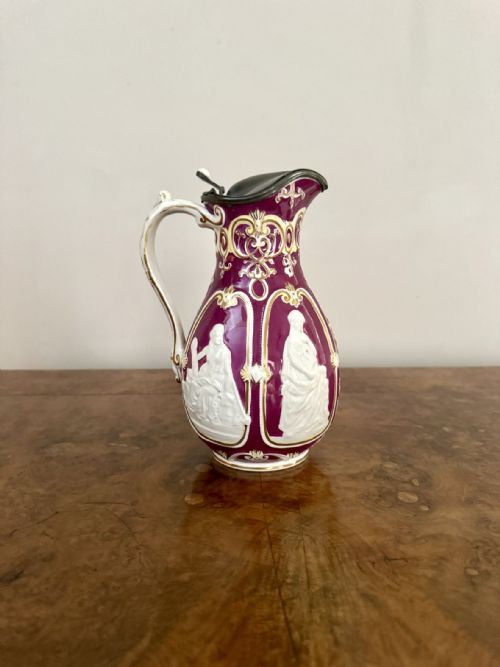
Most entries belong to the nineteenth century, encompassing porcelain and ironstone bodies decorated with gold leaf, enamel, and hand-painted motifs. Forms include decorative ewers, washstand sets, and table pitchers produced by notable factories across England and continental Europe.
Makers such as Royal Worcester, Mason's, and Derby dominate the selection, often pairing cobalt blue grounds or floral panels with rich gilding. Buyers also encounter Chinese export porcelain and French pieces that demonstrate the breadth of ceramic artistry during this period.
How they were made
Potters shaped these vessels using earthenware, ironstone, or fine porcelain bodies before applying glazes and hand-painted designs. Cobalt blue grounds, floral panels, and enamel details were fired into the ceramic surface to ensure durability and depth of colour.
Gilding was applied by hand using gold leaf or liquid gold preparations, which were then fired and burnished to achieve a brilliant metallic finish. Many pieces feature raised gold decoration or reticulated elements that required precise craftsmanship during the moulding and trimming stages.
Listings feature porcelain, earthenware, and ironstone bodies spanning the Georgian, Regency, Victorian, and Edwardian periods.
What varies in quality
Quality rests in the crispness of the moulding, the precision of the hand-painting, and the richness of the gilding. Superior examples exhibit intricate details, such as finely modelled handles and carefully executed armorial crests or botanical scenes, rather than mass-produced transfer prints.
The weight and translucency of the porcelain or ironstone body also indicate standard, alongside the skill required to fire complex shapes like cleft jugs or reticulated ewers without distortion.
Royal Worcester·Mason s Ironstone·Derby Porcelain·Chamberlain Worcester·Rockingham Porcelain·Doulton Burslem
The Gilded Ceramic Jug Glossary
- Ewer
- A large jug with a wide spout and handle, traditionally used for pouring water or as a decorative display piece. Many Victorian washstand sets include an ewer paired with a matching basin.
- Ironstone
- A heavy, durable type of earthenware patented in the nineteenth century to rival true porcelain. It frequently appears in bold patterns with extensive gilding.
- Gilding
- The application of gold leaf or gold powder onto the ceramic surface to create metallic highlights. Burnished gilding offers a dense, reflective shine.
- Reticulated
- Having an openwork or netted pattern cut into the ceramic body before glazing and firing. This technique demonstrates advanced skill in porcelain manufacture.
- Armorial
- Decorated with a coat of arms or family crest. These bespoke pieces were often commissioned by landed families.
Gilded Ceramic Jug: Frequently Asked Questions
How were these jugs used?
Many of these vessels served practical roles on dining tables for cream, water, or wine, whilst larger ewers formed part of bedroom washstand sets.
Over time, wealthier households transitioned many of these items into pure display pieces, showcasing them on sideboards or in cabinets to demonstrate taste and status.
How do I clean a gilded jug?
Gilded ceramics require gentle care to preserve the delicate gold leaf and enamel decorations over the glaze. Wash them by hand using lukewarm water and a mild soap, avoiding abrasive sponges or harsh detergents.
Dry the piece immediately with a soft cloth to prevent water spots from forming on the surface.
How do I tell Victorian pieces apart from Georgian ones?
Georgian pieces often display neoclassical restraint, featuring refined hand-painted views, armorial crests, or delicate floral sprays on porcelain bodies.
Victorian items tend to be heavier, utilising ironstone or robust porcelain with bolder colour palettes, raised gold decoration, and more elaborate moulded shapes.
What does blush ivory mean on Royal Worcester pieces?
Blush ivory refers to a soft, matte cream-coloured ground introduced by Royal Worcester in the late nineteenth century. It provided a neutral backdrop for delicate hand-painted floral motifs and raised gold accents.
This finish became immensely popular during the Aesthetic movement and remains a defining feature of Victorian ceramic design.