



Antique Commemorative Jug
An antique commemorative jug captures a specific moment in public loyalty, political triumph or private celebration through durable ceramic form.
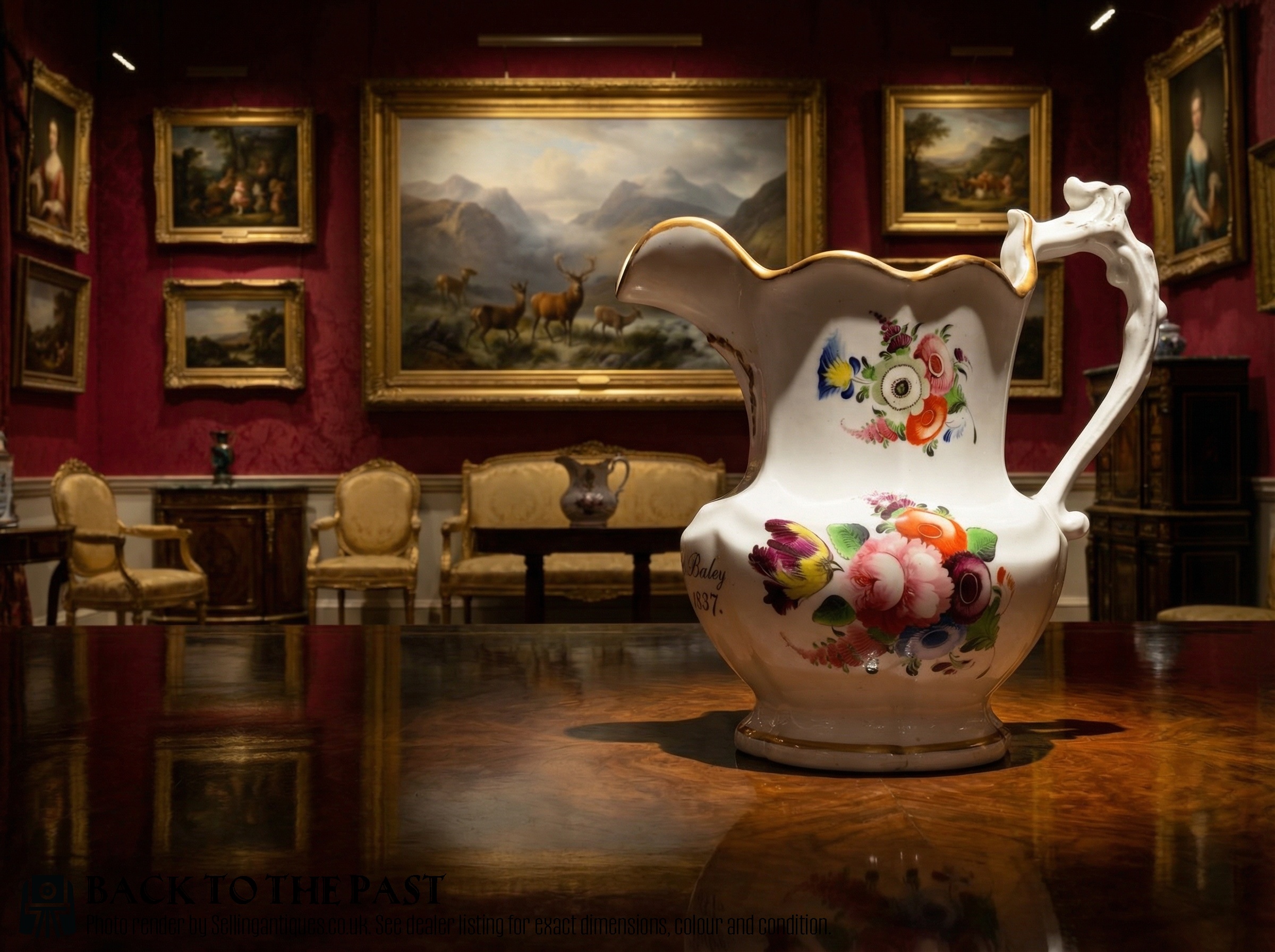
Antique Commemorative Jug
An antique commemorative jug serves as a tangible record of past events, notable figures and civic organisations, rendered in practical vessel forms. When buyers search for an antique commemorative jug, they encounter domestic ceramics adorned with portraits, political slogans, named individuals or specific dates spanning from the seventeenth century through to the early twentieth century.
How They Were Made
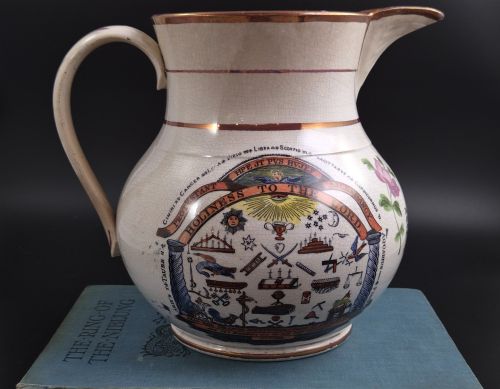
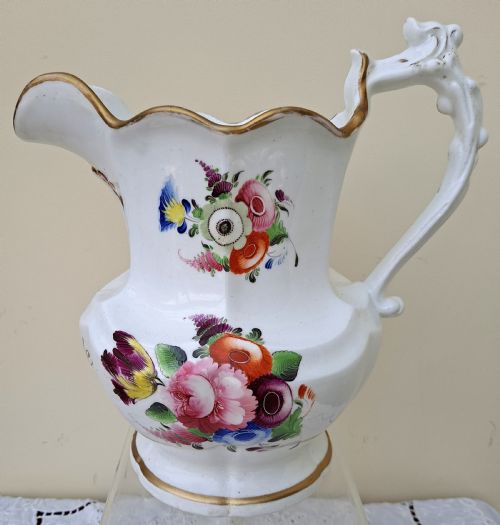
Potters shaped these vessels using traditional methods in earthenware, stoneware and porcelain, applying glazes such as metallic lustre and enamel to achieve surface decoration. Gold leaf and polychrome pigments frequently highlight inscriptions, royal portraits and commemorative dates.
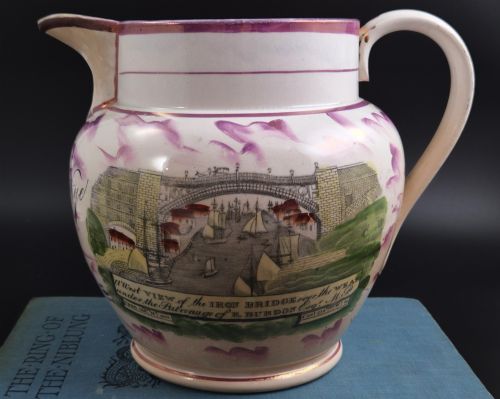
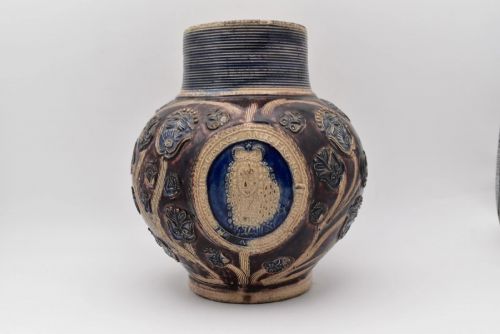
Techniques range from salt-glazed stoneware bodies characteristic of earlier periods to transfer printing and hand-painted details seen on nineteenth-century examples from Staffordshire and Sunderland.
Among the royal portraits and solemn political toasts, one cheerful vessel immortalises a gentleman simply known as Dear Jack.
What Varies in Quality
The distinction between standard commercial production and superior examples lies in the clarity of the moulded relief, the crispness of transfer-printed inscriptions and the control of the metallic lustre glaze. Better pieces display precise hand-colouring and well-defined portraits that retain their original vibrance.
Condition of the ceramic body, stability of the handle attachment and preservation of delicate gold leaf or enamel details also differentiate everyday domestic wares from pieces intended specifically for display and preservation.
Mountford Staffordshire·Doulton Lambeth
The Antique Commemorative Jug Glossary
- Lustre glaze
- A metallic film applied to the ceramic surface to create an iridescent sheen. Sunderland pieces frequently utilise a pink splash effect.
- Earthenware
- Porous pottery fired at lower temperatures, requiring a glaze to achieve watertightness. It forms the body of many nineteenth-century Staffordshire vessels.
- Polychrome
- Decoration employing multiple distinct colours. It brings life to transfer-printed portraits and commemorative inscriptions.
Antique Commemorative Jug: Frequently Asked Questions
How are dates verified on these jugs?
Many pieces carry painted or impressed dates directly alongside the names of individuals, regiments or public events commemorated at the time.
Contextual clues such as ceramic body type, glaze composition and costume details in transfer prints further assist in confirming the period of manufacture.
Were these jugs used for serving drinks?
While many antique commemorative jugs possess the robust build and spouts necessary for practical pouring at table, larger capacity examples served primarily as display pieces.
Substantial vessels, such as gallon-sized stoneware jugs, were often commissioned for celebratory gatherings or tavern use rather than daily domestic service.
What subjects typically appear on them?
Common subjects range from royal jubilees and political figures like Wellington to local landmarks such as the Iron Bridge over the Wear. Others mark specific personal milestones like marriages or fraternal orders.
How do I display an antique jug safely?
Position vessels on stable, level surfaces away from direct sunlight and high-traffic areas where accidental knocks might occur. Adequate shelf depth prevents handles and spouts from projecting past the edge.