


English China Pitcher
An English china pitcher brings centuries of ceramic skill to the table, offering practical pouring vessels shaped by Georgian and Victorian hands.
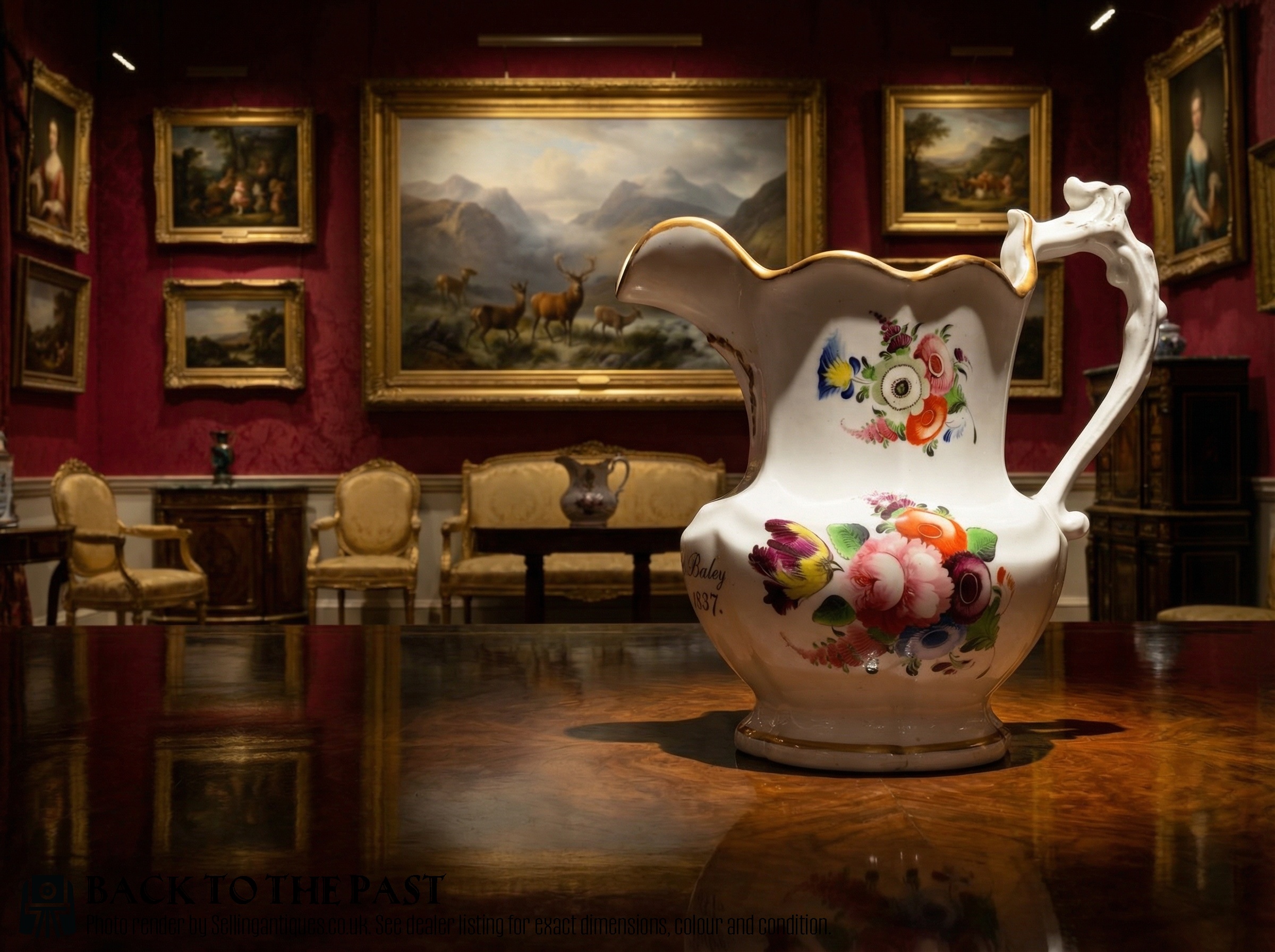
English China Pitcher
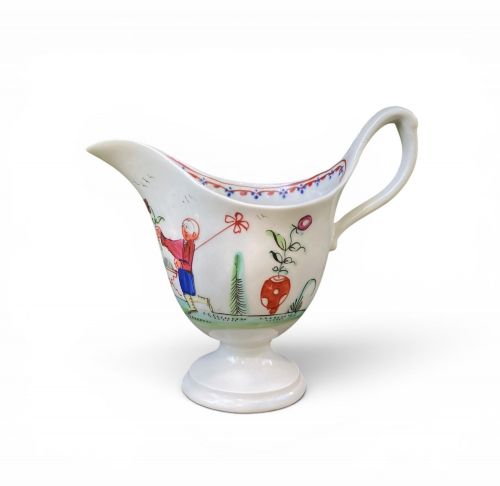
An English china pitcher encompasses everything from delicate eighteenth-century cream jugs to sturdy nineteenth-century ironstone ewers. When searching for an english china pitcher, buyers encounter forms ranging from miniature hydra jugs to large botanical milk pitchers.
The pieces reflect diverse periods including Georgian elegance, Victorian ornamentation, and mid-century Royal Worcester painting. These vessels served practical dining functions before transitioning into decorative display items.
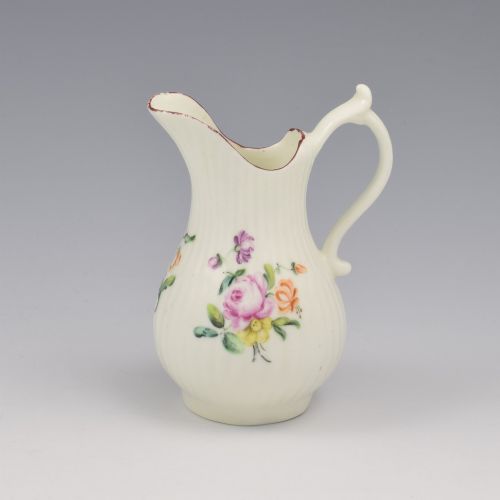
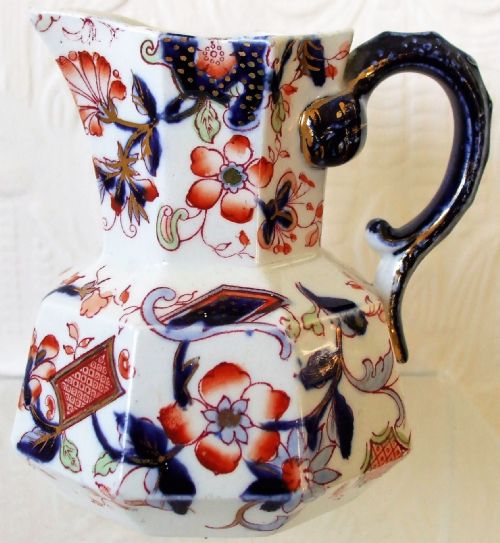
Makers from Derby, Worcester, and Staffordshire shaped these ceramics using porcelain, bone china, and ironstone. Collectors find variations in scale, from tiny sparrow beak creamers to robust octagonal sets.
How they were made
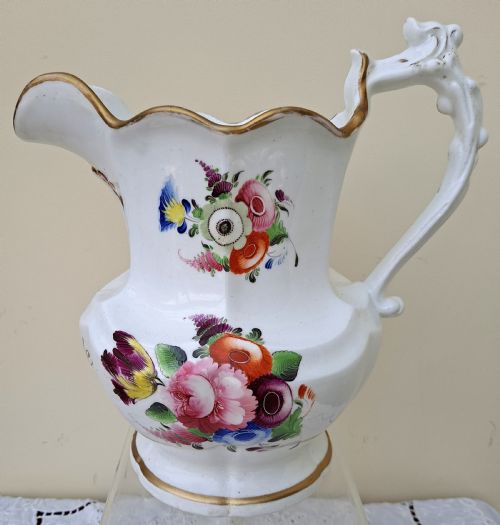
Potters shaped these vessels using porcelain, ironstone, and fine ceramic bodies fired in kilns before applying glazes. Many pieces incorporate hand-painted botanical or floral panels alongside moulded structural details like hydra handles.
Decoration frequently includes applied gilding, gold leaf, and lusterware finishes that highlight handles, rims, and spouts. Artisans utilised transfer printing and direct hand-brushing to achieve detailed commemorative inscriptions and pictorial scenes.
Listings feature pieces spanning the Georgian, Victorian, and mid-twentieth-century periods, utilising porcelain, ironstone, and enamel materials.
What varies in quality
Quality rests in the crispness of the moulding and the precision of the hand-painted or gilt details applied across the surface. Early porcelain bodies show remarkable thinness and translucency compared to heavier ironstone utility wares.
The distinction between standard production items and premier pieces depends upon the skill of the decorator and the factory reputation, such as early Derby or Worcester output versus general Staffordshire manufacture.
Early Derby Porcelain·New Hall·Keeling and Co·John Baley·Mason·Worcester·Royal Worcester·Livesley Powell and Co·Davenport·Rockingham Porcelain·Coalport·Crown Derby
The English China Pitcher Glossary
- Hydra jug
- A ceramic pitcher featuring a distinctive serpent-headed handle and a flared rim. This shape gained popularity during the Georgian and Victorian periods among major English potteries.
- Ironstone
- A dense, durable type of ceramic patented in the nineteenth century to imitate porcelain while offering greater strength. It forms the body of many sturdy utilitarian pitchers.
- Sparrow beak
- A small eighteenth-century cream jug design named for its distinctive pinched, beak-like pouring spout. These delicate porcelain pieces were typically used for serving milk with tea.
- Lusterware
- Pottery finished with a metallic glaze that creates an iridescent, reflective sheen upon the surface. It was achieved by applying thin metallic films during secondary kiln firings.
- Ewer
- An ornamental pitcher with a wide spout and a large curved handle, traditionally used for pouring water. Victorian examples often served purely decorative functions on display sideboards.
English China Pitcher: Frequently Asked Questions
What is an English china pitcher used for?
These vessels originally served practical dining roles such as pouring cream, milk, or water at the table during tea and meal services.
Over time, many examples transitioned into decorative cabinet pieces or display items due to their hand-painted floral panels and gilt ornamentation.
How do I identify a Georgian pitcher?
Georgian pitchers often display finer, more translucent porcelain bodies, restrained neoclassical forms, and delicate hand-painted botanical or floral motifs.
They frequently feature early handle styles like the hydra or sparrow beak configuration associated with eighteenth-century factories.
What is the difference between porcelain and ironstone?
Porcelain is a vitrified, translucent ceramic fired at high temperatures, typical of finer eighteenth- and nineteenth-century table wares.
Ironstone is a heavier, opaque ceramic designed for durability, making it common in robust Victorian kitchen and dining jugs.
How should I clean my antique pitcher?
Wash the vessel gently by hand using lukewarm water and mild soap, avoiding abrasive sponges that can scratch the glaze.
Keep pieces with delicate gilt decoration or hand-painted enamel away from dishwashers and harsh chemical detergents to preserve the surface.