
Decorative Ceramic Urn
A decorative ceramic urn brings shape and presence to a room, offering a functional vessel that stands entirely on its visual merit.

What they are
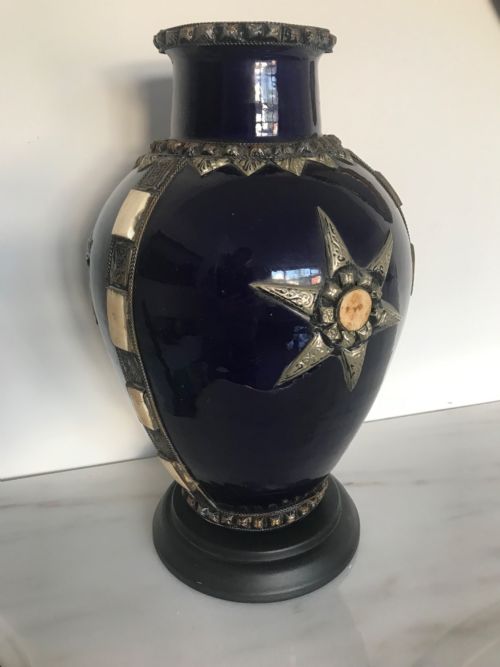
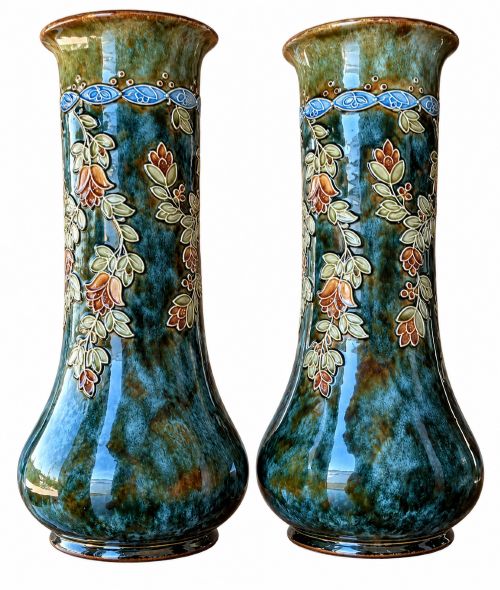
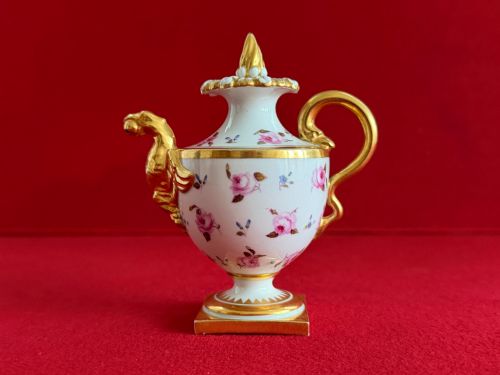
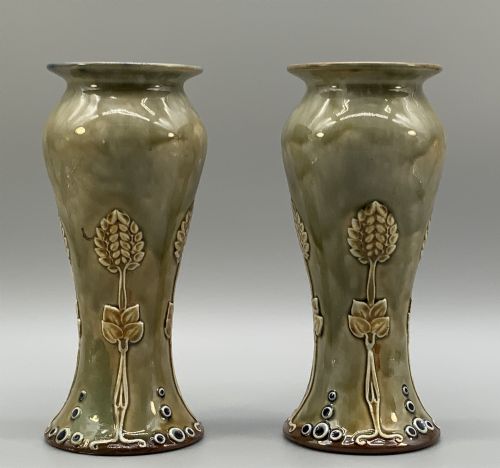
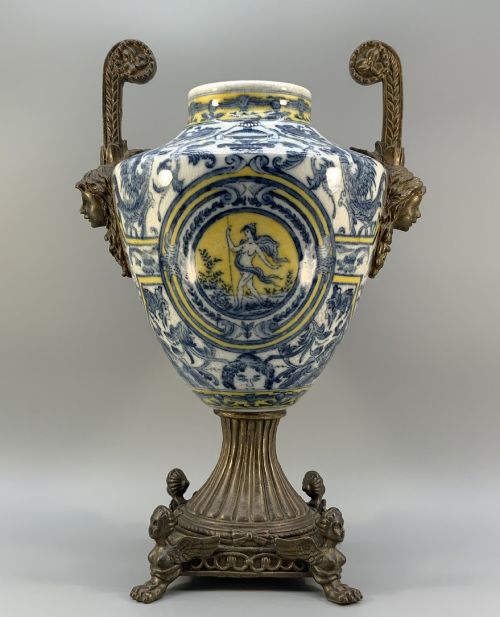
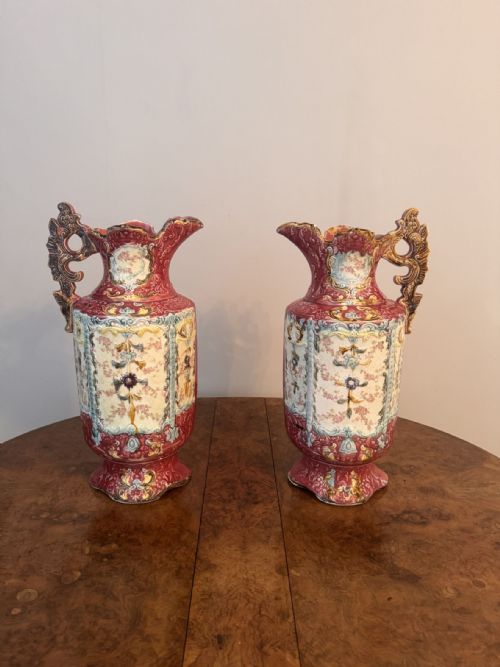
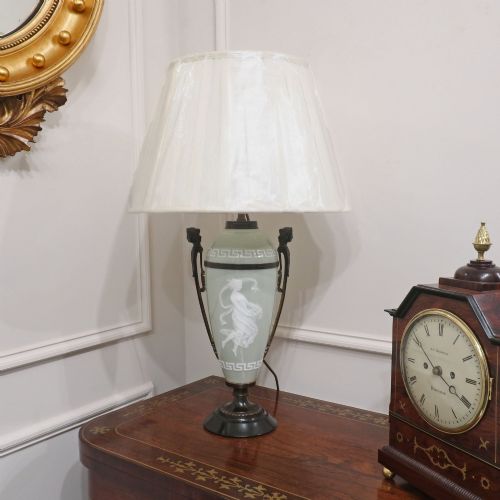
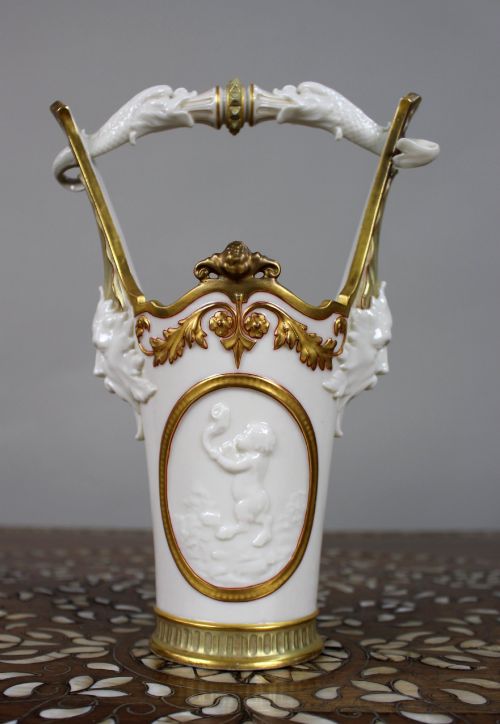
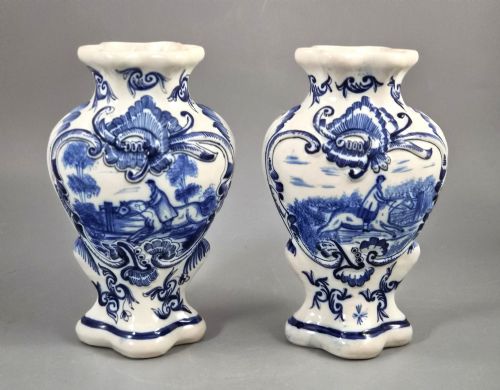
A decorative ceramic urn combines classical form with domestic scale, offering a sculptural silhouette rooted in historical shapes. These pieces frequently take the baluster form, featuring a rounded body tapering to a narrower foot and neck.
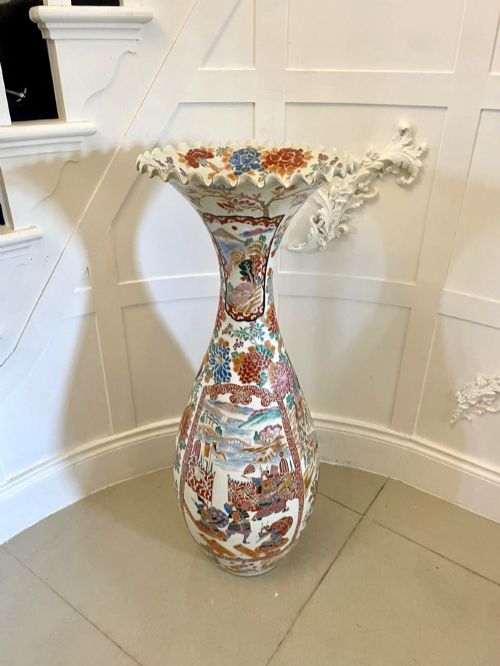
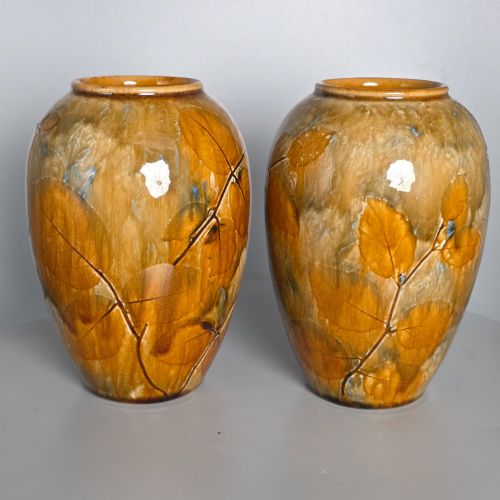
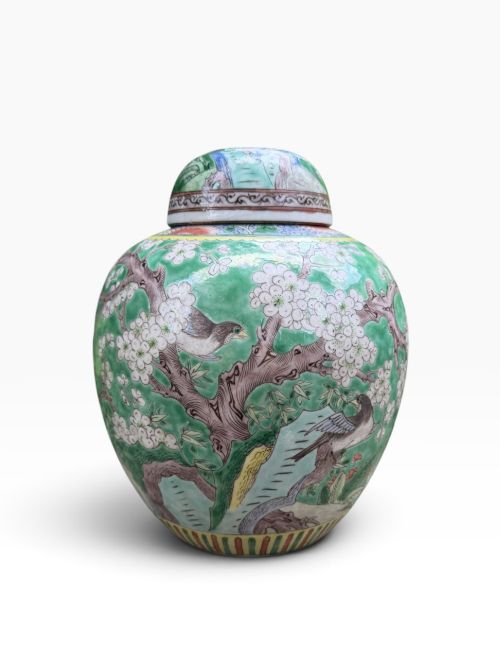
The evidence spans the Victorian era through the early twentieth century, taking in both Art Nouveau and Art Deco movements. Examples range from English earthenware and bone china to oriental celadon and specialised lustre glaze wares.
Makers represented in the archive and current listings include Wedgwood, Gallilleo Chini for Mugello, and Royal Doulton. Such pieces serve purely as display objects rather than functional containers for cut flowers.
How they were made
Potters shaped these vessels from earthenware, bone china, and ceramic bodies, often utilising traditional throwing or casting methods. The resulting clay forms provided a stable canvas for subsequent surface decoration and glazing.
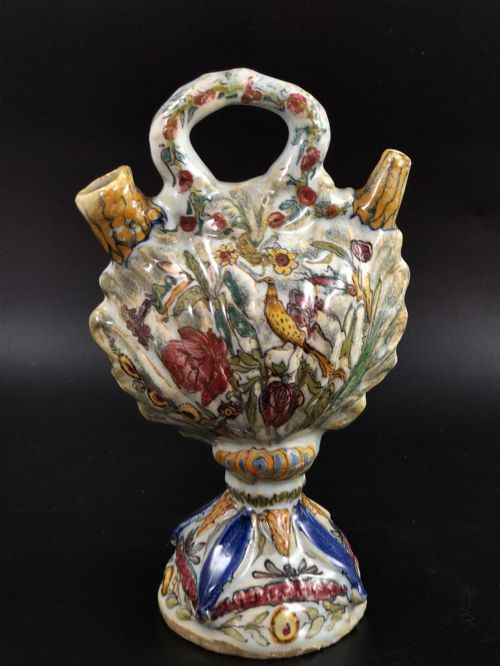
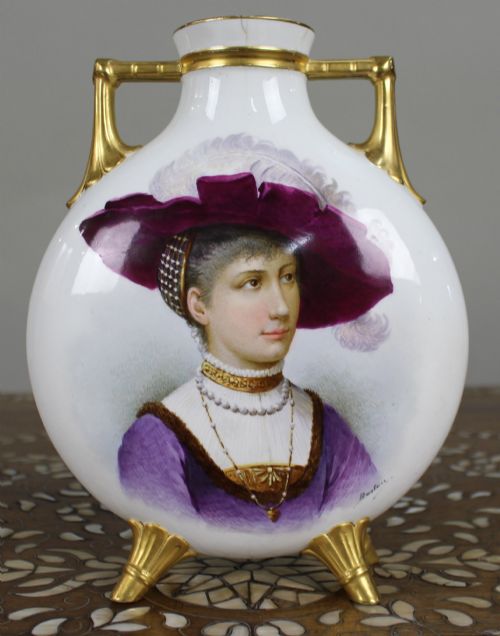
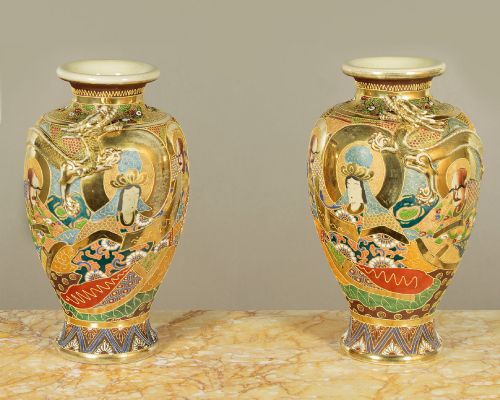
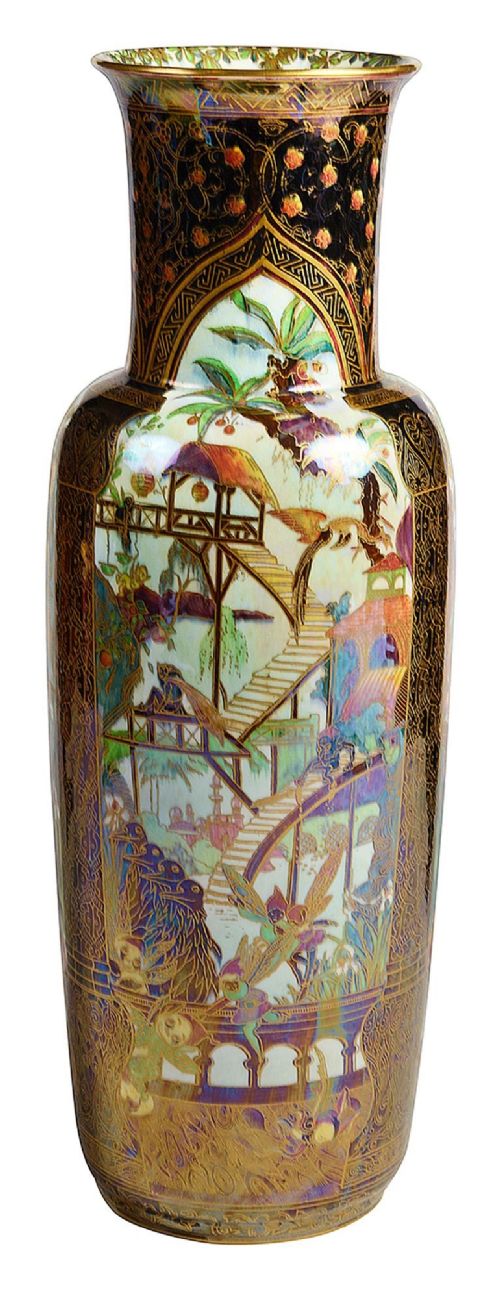
Makers applied intricate finishes including lustre glaze, enamel, and gold leaf or gilt details. Hand-painted botanical or fantastical motifs frequently appeared beneath high-fired glazes, capturing the aesthetics of the Art Nouveau and Victorian periods.
Listings feature ceramic, bone china, and earthenware materials decorated with lustre glaze, gold leaf, and enamel.
What varies in quality
Quality rests upon the ambition of the design and the precision of its execution, distinguishing standard production wares from artist-led studio pieces. Hand-painted details by recognised designers command greater visual and historical interest.
The complexity of the glaze chemistry dictates much of the visual success, particularly in specialised finishes like lustre or celadon. A balanced composition and crisp definition in the underlying ceramic form separate superior examples from simpler ones.
Wedgwood·Daisy Makeig-jones·Gallilleo Chini·Royal Doulton
The Decorative Ceramic Urn Glossary
- Baluster urn
- A jar or vase with a rounded swelling body that tapers towards the base, echoing classical architectural columns.
- Lustre glaze
- A metallic surface treatment applied to ceramics that produces an iridescent, light-catching sheen when fired.
- Bone china
- A type of porcelain incorporating bone ash, known for its high strength, bright white body, and delicate translucency.
- Celadon
- A pale green jade-like glaze originating in East Asia, valued for its subtle colour and tactile depth.
Frequently Asked Questions
How are ceramic urns cleaned?
Dust these decorative pieces gently with a soft, dry cloth to protect delicate enamel and gold leaf details.
Avoid using water or chemical cleaners, as moisture can damage historic ceramic bodies and surface glazes.
Where should an urn be placed?
Position your urn on a sturdy mantelpiece, side table, or pedestal where its sculptural form remains secure and visible.
Keep pieces away from direct sunlight and areas of heavy traffic to prevent accidental knocks and fading.
Can these urns hold water?
Most antique decorative urns are designed purely as ornamental objects rather than watertight vessels for fresh flower arrangements.
Using them with water risks damaging the interior unglazed ceramic or historic finishes over time.
How do I identify the period?
Examine the stylistic markers, such as flowing organic lines for Art Nouveau or geometric motifs for Art Deco.
Maker marks, glaze types, and ceramic bodies also provide reliable clues to the era of manufacture.