


Black Porcelain Vase
These black porcelain vase examples bring striking monochrome presence to a room, offering collectors both nineteenth-century depth and delicate lustre.
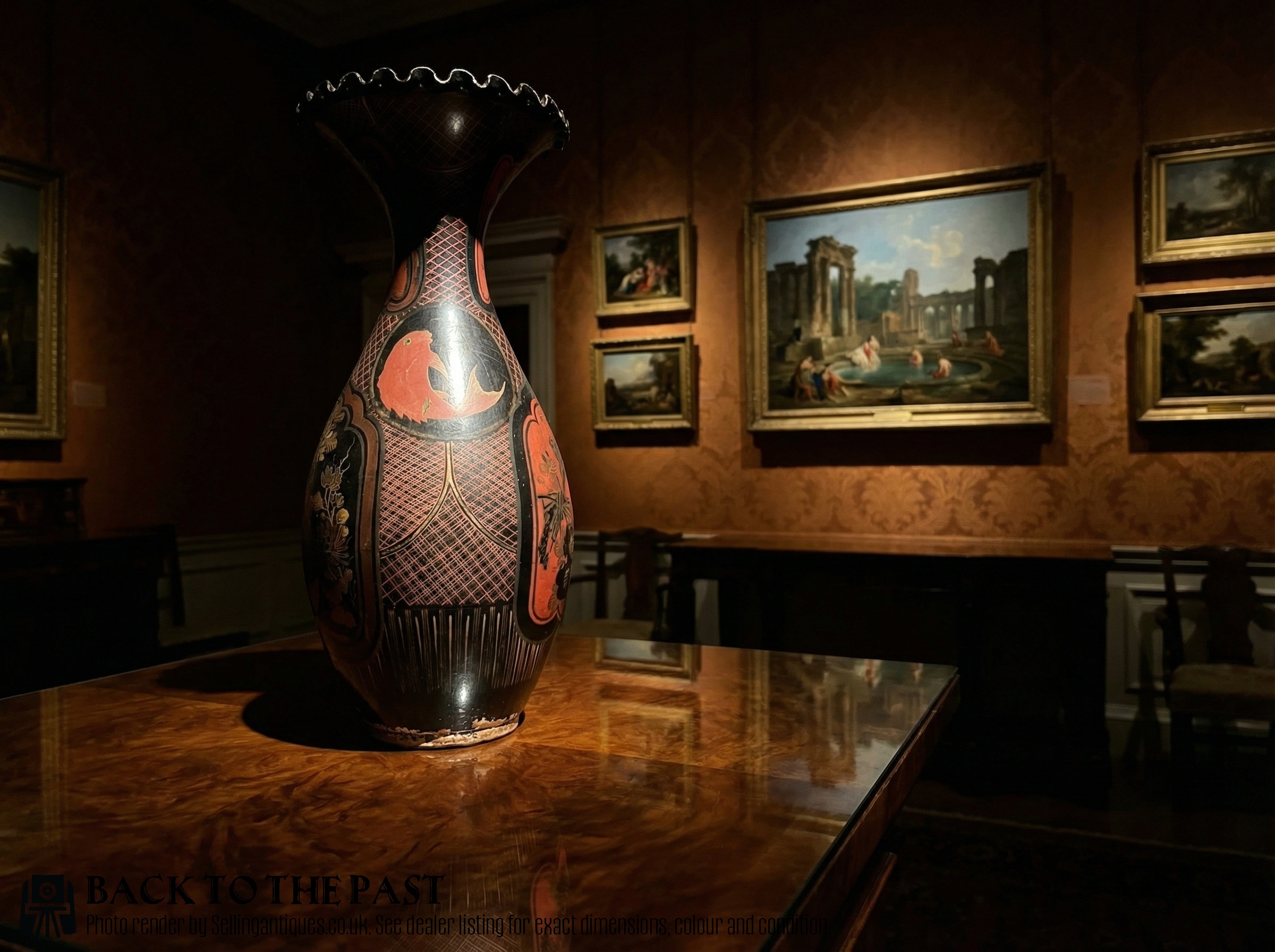
What a black porcelain vase is
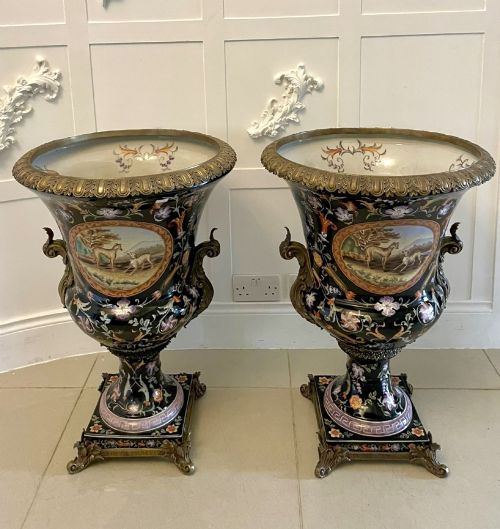
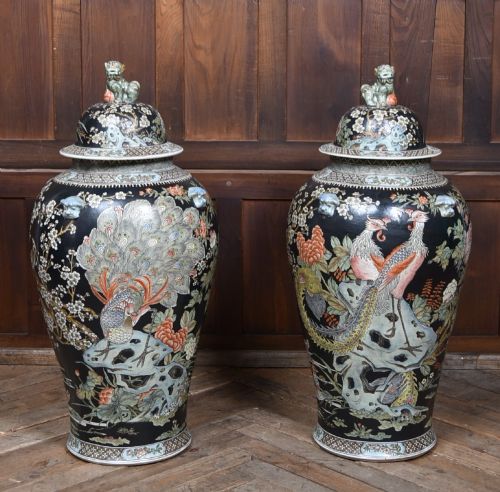
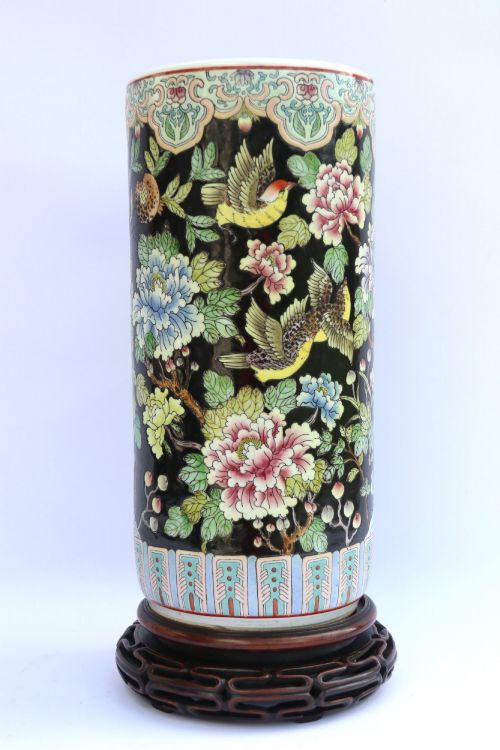
When you search for a black porcelain vase, you encounter a selection spanning the nineteenth century, the Victorian era, and the year nineteen hundred. These pieces encompass various forms, from large Japanese flared vessels to French goblet shapes and urns.
You are most likely to meet Victorian and nineteenth-century examples on this page, alongside specific decorative iterations like bone china and lustre glaze. Forms range from compact heights to substantial thirty-six centimetre and sixty centimetre decorative vessels.
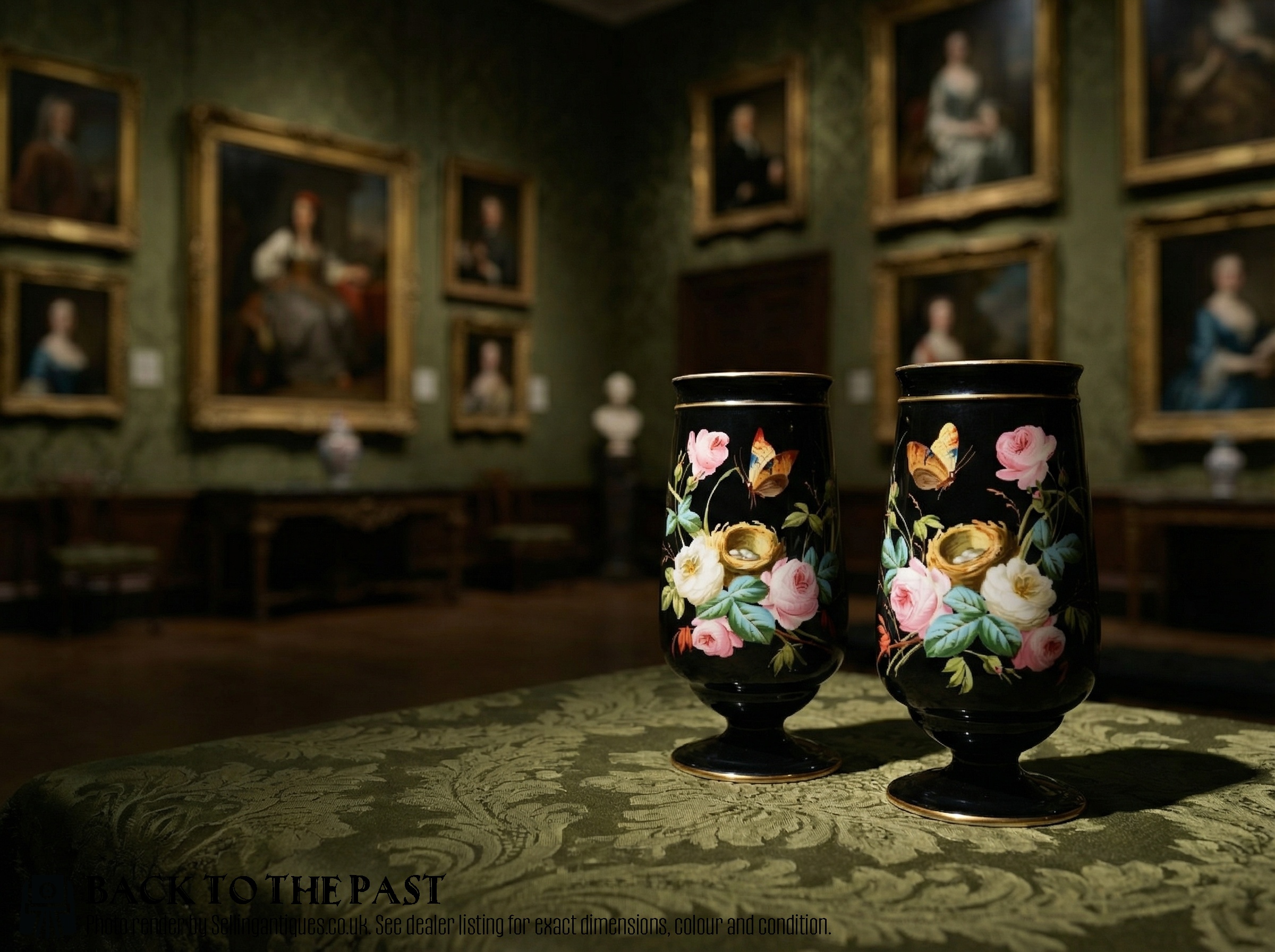
How they were made
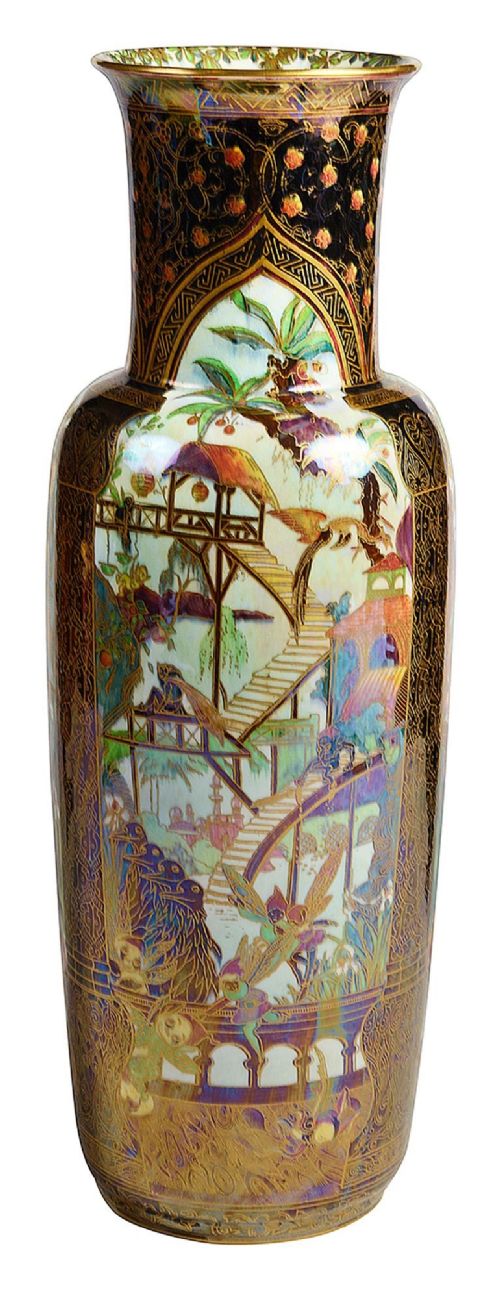
The pieces utilise ceramic bases such as porcelain and bone china, finished with specialist treatments including lustre glaze, gold leaf, lacquer, and black paint. Artisans applied surface decoration through manual paint work and enamel detailing.
Techniques combine traditional ceramic firing with applied decorative layers like lacquer over black paint, alongside gilding and metal accents including gilt highlights.
Retail Price Guide 2026
Typical UK retail prices for black porcelain vase, calculated from the Sellingantiques database of over a million retail prices indexed since 2003. This retail price guide relies exclusively on Sellingantiques data; no external sources or auction records are used, so the figures do not describe the wider market.
Listings feature periods from the Victorian era up to nineteen hundred, utilising materials such as porcelain, lacquer, and gold leaf.
What varies in quality
Quality rests in the precision of the surface execution, whether through the smoothness of a mirror black finish, the depth of a lustre glaze, or the intricacy of applied lacquer and enamel motifs. Subtlety in the integration of gold leaf and gilt detailing separates standard production from finer decorative output.
The scale and ambition of the form also dictate standing, with larger flared silhouettes and balanced proportions demanding greater technical mastery from the maker during firing and finishing.
Daisy Makeig jones·Wedgwood
The Black Porcelain Vase Glossary
- Lustre glaze
- A ceramic finish containing metallic elements that create an iridescent, reflective sheen upon firing. This technique produces a characteristic shimmering surface effect.
- Bone china
- A type of soft-paste porcelain incorporating animal bone ash for added strength and whiteness. It allows for thinner, more delicate vessel walls.
- Gilt
- A thin layer of gold or gold-like material applied to the surface of porcelain. It highlights rims, handles, and painted motifs.
- Flared vase
- A vessel featuring a body that progressively widens outward toward the rim. This silhouette creates an open profile suited to decorative display.
Frequently Asked Questions
How do I clean a black porcelain vase?
Dust the surface gently with a soft, dry cloth to prevent scratching any delicate enamel or gilt details.
Avoid using chemical cleaning agents or immersing pieces with applied lacquer or gold leaf in water.
Were these vases used for flowers?
Many large decorative vessels served primarily as display items or mantel ornaments rather than functional flower holders.
Finer nineteenth-century examples were designed to showcase ceramic glazes and artistic motifs within a room.
How can I tell Victorian pieces apart?
Victorian examples often rely on distinct aesthetic movements, traditional forms, and characteristic glazing techniques tied to nineteenth-century production.
Reference points include the specific weight of the porcelain and the style of any painted or gilded embellishments.
What is mirror black porcelain?
Mirror black is a glossy, deep black monochrome glaze developed on ceramic bodies to create a highly reflective surface.
It requires precise kiln control to achieve an even, lustrous finish across the entire vase.