



Classical Figure Vase
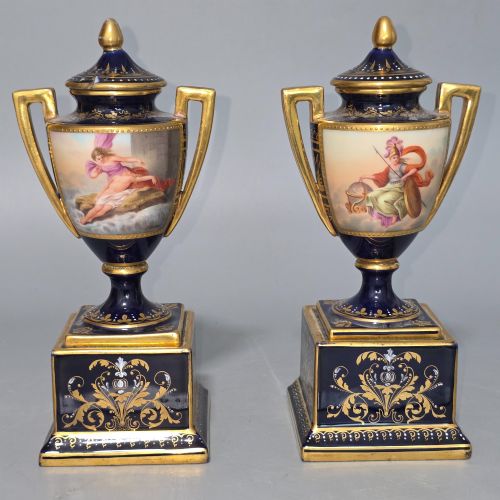
These classical figure vase selections bring mythological subjects and ancient forms into your interior, combining sculptural bronze and hand-painted porcelain from the nineteenth and early twentieth centuries.
Classical Figure Vase
When you search for a classical figure vase, you encounter sculptural vessels, amphorae, cachepots, and lamps decorated with mythological subjects, deities, and historical figures. These pieces draw heavily on Greek Revival, French Empire, and Neoclassical design principles, translating antique motifs into nineteenth-century decorative arts.
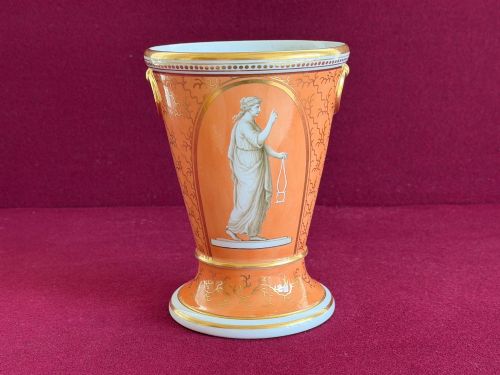
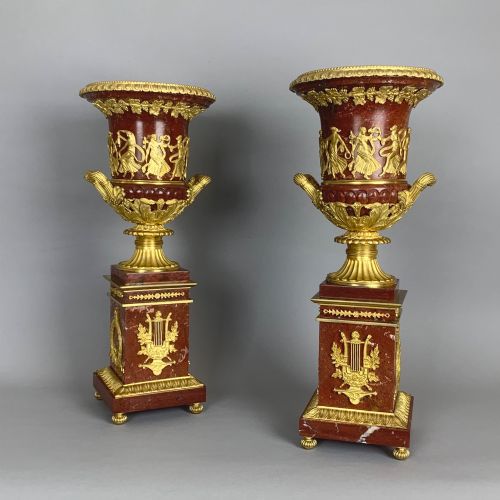
The objects appearing here range from porcelain vessels bearing hand-painted scenes to cast bronze urns and earthenware terracottas. You will frequently find works originating from European factories such as Vienna, Sèvres, and English potteries, alongside Chinese export interpretations.
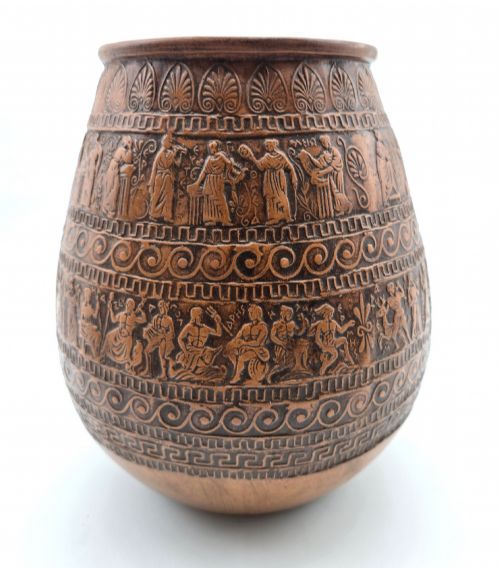
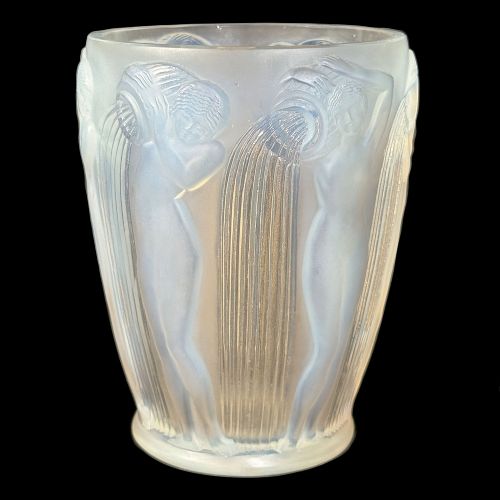
The forms span from modest decorative vases to large centrepieces, ewers, and converted oil lamps. Many employ relief ornament depicting water carriers, goddesses, and figures derived from grand tour travels across the Mediterranean.
How they were made
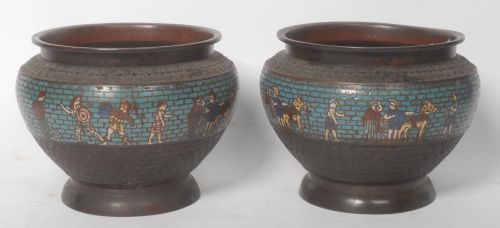
Makers utilised high-fired porcelain, earthenware, and cast bronze as the primary structural foundations for these vessels. Bronze pieces often combine champlevé enamel work or gilt details, while ceramic iterations rely on hand-painted glazes, blue jasper relief, and biscuit finishes.
Casting and moulding formed the basis of the sculptural figures and urn bodies, followed by meticulous hand-chiselling on metalwork and detailed overglaze painting on ceramics. Factories applied gold leaf and gilding to accentuate the classical drapery and architectural borders.
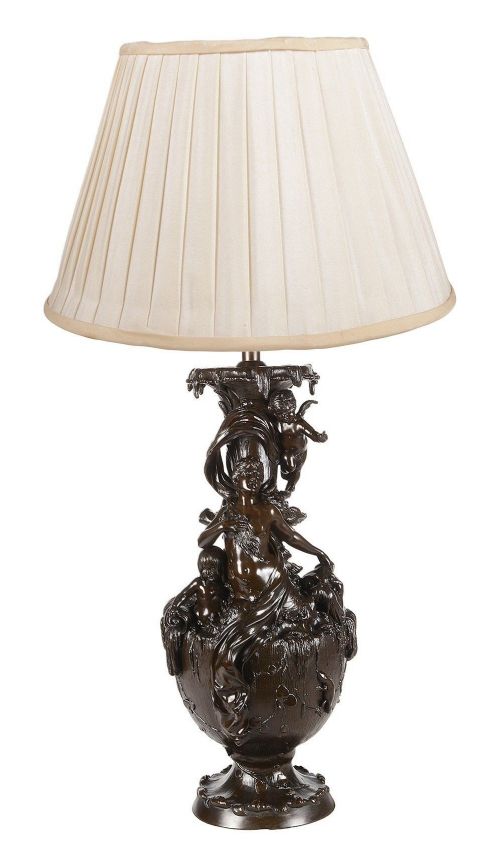
The inventory includes functional conversions such as oil lamps alongside decorative urns, cachepots, and sculptural figure vases.
What varies in quality
Quality rests primarily in the crispness of the casting for bronzes and the precision of the brushwork on porcelain surfaces. Superior examples display finely rendered facial expressions and anatomical accuracy on the figures rather than generic factory painting.
The weight and gauge of the metal, the depth of the relief work, and the integration of handles and covers define the tier of the piece. Makers who employed signed artists or specific period techniques achieve greater definition in drapery and classical ornamentation.
Flight & Barr Worcester·R Lalique·P. Ipsens Enke·Wedgwood·Minton
The Classical Figure Vase Glossary
- Amphora
- A two-handled jar with a narrow neck used in antiquity for storing oil or wine, later adopted as a decorative classical vase shape. These vessels often feature figural handles and painted mythological scenes.
- Bisque
- Unglazed porcelain fired once to create a matte, porous white surface resembling marble. This finish was favoured for nineteenth-century figures and portrait vases.
- Champlevé
- An enamelling technique where troughs or cells are carved into the surface of a metal object and filled with vitreous enamel powder before firing. It frequently appears on bronze vessels of the nineteenth century.
- Grand Tour
- A cultural journey of Europe undertaken by wealthy young men in the eighteenth and nineteenth centuries, yielding terracotta and bronze souvenirs modelled on ancient statues.
- Jasper
- A fine-grained, unglazed stoneware developed by Wedgwood, typically featuring white classical relief figures applied against a solid blue or coloured background.
Classical Figure Vase: Frequently Asked Questions
How do I identify a true nineteenth century piece?
Examine the base for factory marks, impressed numbers, and the character of the glaze or patina. Nineteenth-century pieces often exhibit wear patterns consistent with age on the gilding and undersides.
Compare the style of the classical figures with known period pattern books and manufacturer catalogues to confirm the decade of production.
Were these vases meant for flowers or display?
Many large urns, amphorae, and cachepots were designed strictly as architectural ornaments for mantelpieces, pedestals, or entrance halls. Some ceramic vessels and jardinières served practical horticultural functions for holding plants.
Check the interior of the piece for water staining or drainage holes to determine whether it held water or remained purely decorative.
How should I clean a bronze or porcelain vase?
Dust bronze and gilt surfaces gently with a dry, soft microfibre cloth to avoid removing the patination or gold leaf. Avoid harsh chemical cleaners that can strip the original finish from the metalwork.
For porcelain, use a damp cloth with mild soap only if the glaze is fully intact, ensuring no moisture reaches unglazed areas or historic paper labels.
Can I convert a vase back from a lamp?
Many nineteenth-century pieces were adapted into electric lamps by drilling a discreet cord hole through the base or running wiring through the top. A professional restorer can often reverse this modification depending on how the original ceramic or bronze was altered.
Assess whether the wiring damaged the structural integrity of the vessel before attempting any restoration work.