






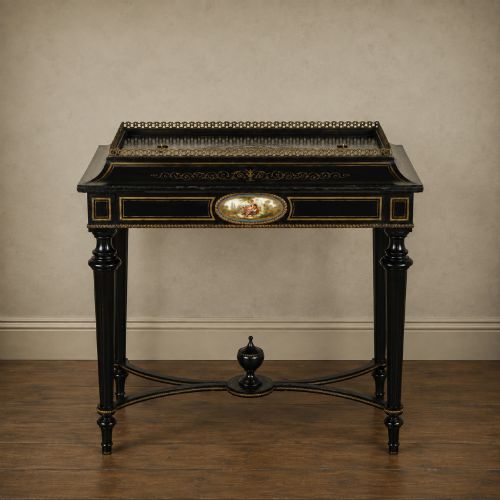


Antique Porcelain Jardiniere
An antique porcelain jardiniere brings living flora indoors within a vessel shaped by centuries of ceramic tradition.
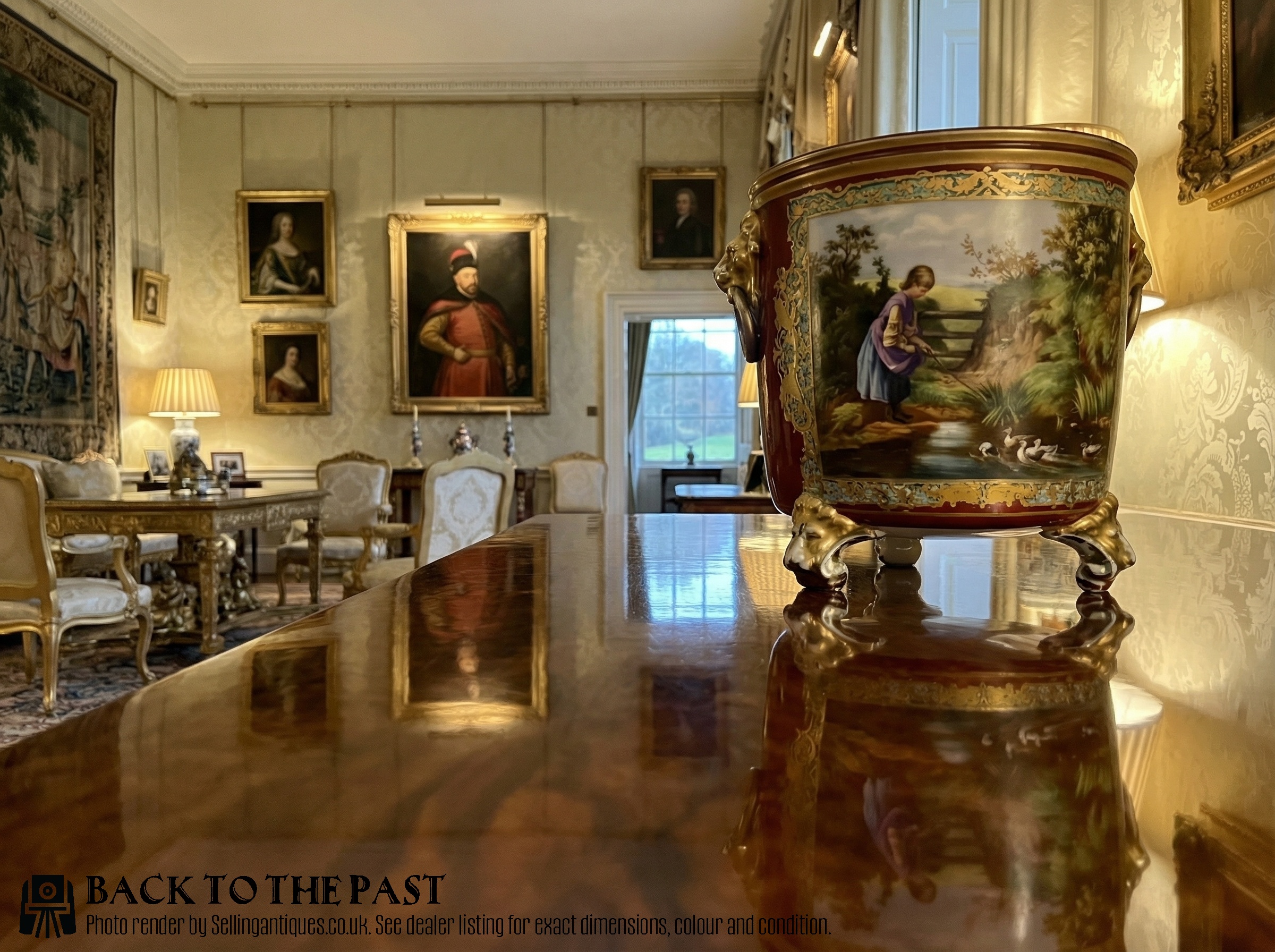
Antique Porcelain Jardiniere
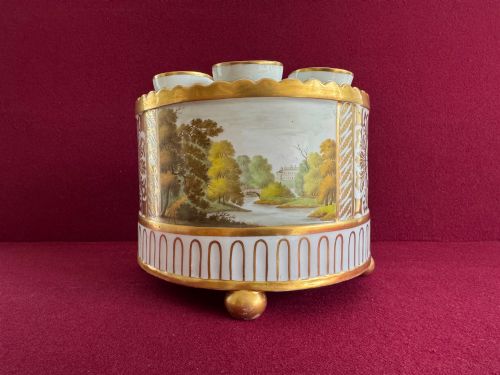
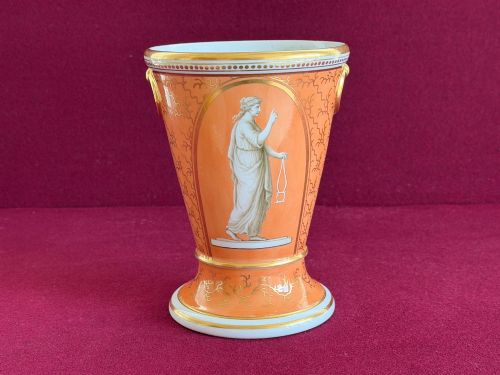
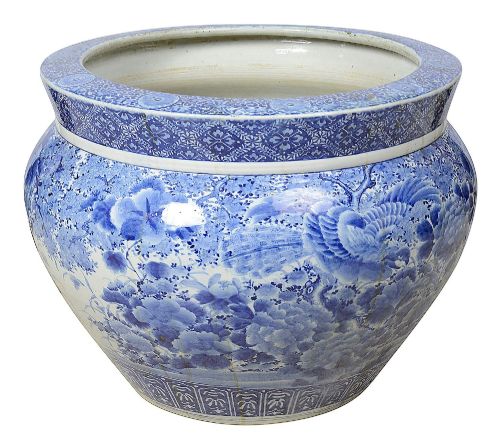
An antique porcelain jardiniere serves as a decorative planting vessel or cachepot, designed to house potted plants and flowers within domestic interiors. When exploring this selection, buyers frequently encounter pieces originating from Georgian British factories, Victorian French workshops, and East Asian kilns spanning Japanese Imari and Chinese export production.
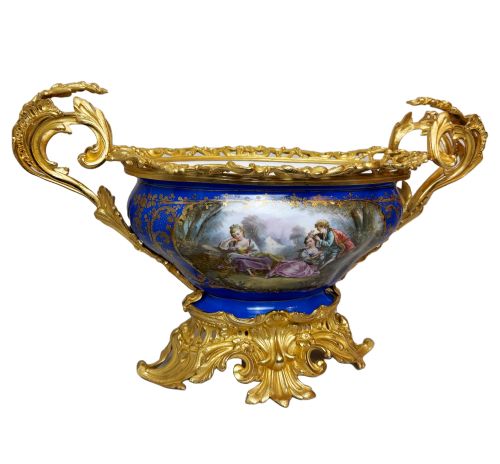
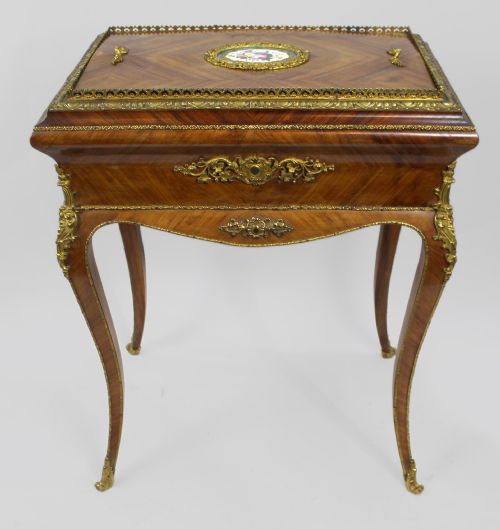
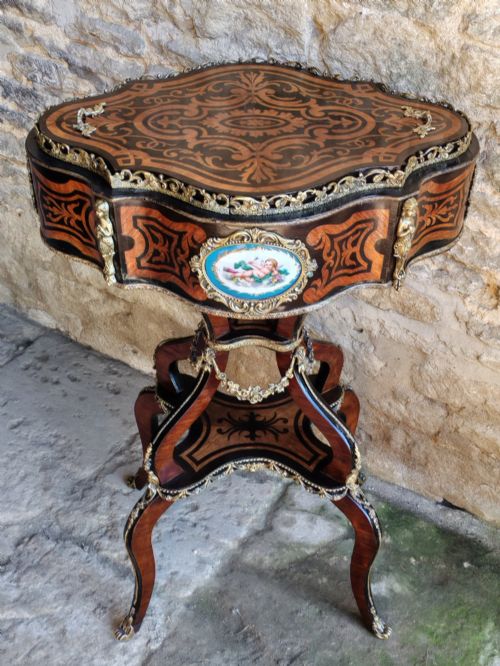
The physical forms vary from traditional round fish bowls and bough pots to elaborate stands mounted with ormolu and paired with matching timber tables. Many examples combine porcelain bodies with auxiliary wood stands in kingwood, walnut, or ebonised timber, reflecting the diverse interior fashions of the nineteenth and early twentieth centuries.
Materials and Technique
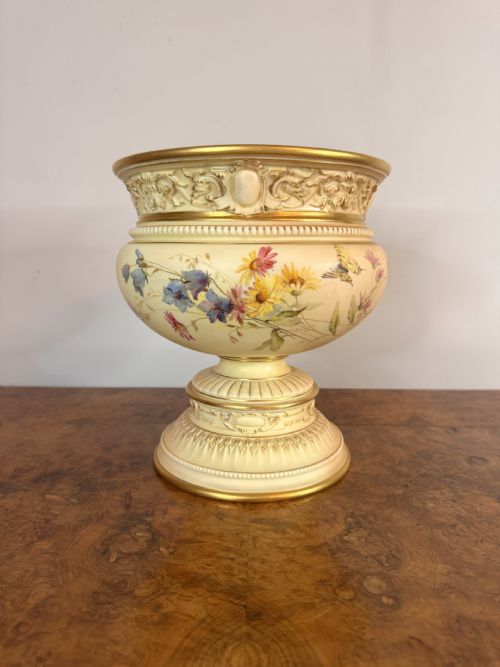
Potters shaped these vessels using traditional ceramic and porcelain bodies, frequently applying intricate glazes, hand-painted enamel decoration, and delicate gold leaf highlights. British manufactures like Royal Worcester utilised specialised blush ivory grounds and detailed figurative painting, whilst French makers integrated Sevres-type porcelain plaques into gilt bronze mountings.
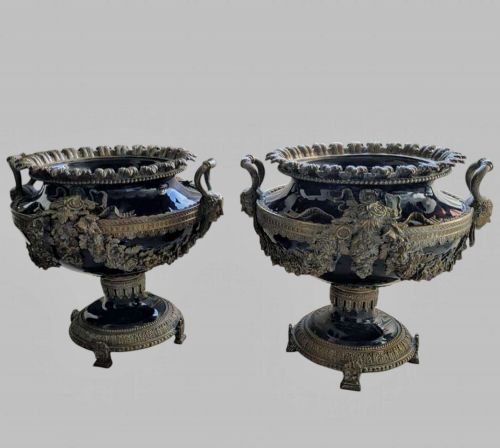
Asian examples demonstrate mastery of underglaze blue and polychrome enamelling upon dense porcelain substrates, often associated with export markets. Structural supports incorporated cabinetmaking skills, pairing ceramic bowls with Ormolu mounts, kingwood veneers, and marquetry inlaid stands.
Antique Porcelain Jardiniere Retail Price Guide 2026
Typical asking prices for porcelain jardiniere among the pieces listed under this phrase on Sellingantiques today, from the lower quarter to the upper quarter. They describe what is for sale here now, not the wider market.
Some nineteenth-century makers evidently believed ferns deserved housing fit for royalty.
Judging Quality
Quality rests upon the crispness of the porcelain body, the precision of the hand-painted enamels, and the integration of any metal mounts or wooden stands. Early Worcester and Sevres-type specimens display refined ceramic potting and sophisticated artistic hands, whereas lesser examples show heavier, less articulate decoration.
The complexity of the subsidiary framing also dictates standing, where heavy ormolu castings and finely matched cabinet timbers elevate the piece far beyond a simple ceramic pot.
Flight And Barr·Royal Worcester·Royal Doulton·Royal Crown Derby·Forester And Son
The Antique Porcelain Jardiniere Glossary
- Jardiniere
- A large ornamental pot or stand designed to hold plants or flowers inside a room. The term derives from the French word for gardener.
- Cachepot
- A decorative outer pot that conceals a plain flowerpot containing a plant. It prevents water damage to furniture surfaces by catching drainage.
- Ormolu
- Gilded bronze or brass mounts applied to furniture, ceramics, and clocks. This decorative technique became prominent in French furniture and porcelain stands.
- Imari
- A style of Japanese export porcelain characterised by underglaze blue, iron red, and gold detailing. These patterns were widely copied by European factories.
- Bough pot
- A decorative ceramic vessel designed to hold cut branches and floral arrangements. They frequently feature pierced or removable covers.
Antique Porcelain Jardiniere: Frequently Asked Questions
How were jardinieres used in the past?
Historical interiors utilised these vessels to bring living greenery into formal reception rooms and drawing rooms. They were placed on side tables, floor stands, or centrepiece locations to display potted ferns and flowering plants.
Some forms additionally functioned as wine coolers or water containers for cut boughs during seasonal gatherings.
Can you plant directly into them?
Most antique pieces function best as cachepots rather than direct planting vessels. Placing a separate plastic or terracotta pot inside protects the historic ceramic interior from moisture damage and mineral staining.
Using a liner also simplifies watering and prevents potential harm to delicate antique glazes.
How do you date an antique jardiniere?
Dating relies upon factory backstamps, stylistic markers like Art Nouveau or Regency motifs, and the manufacturing techniques used on the ceramic body. Examining any associated Ormolu mounts or wood stands provides additional chronological clues.
Comparing the painting style and glaze composition against known factory output helps narrow the period of origin.