


Polychrome Ceramic Vessel
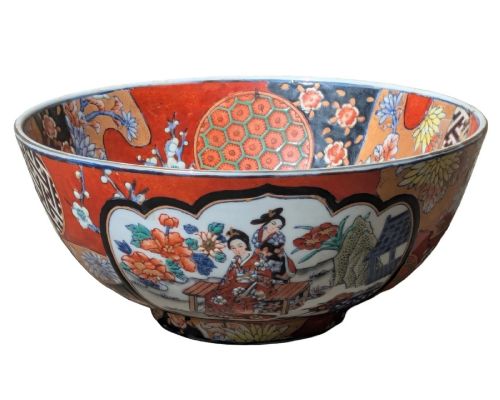
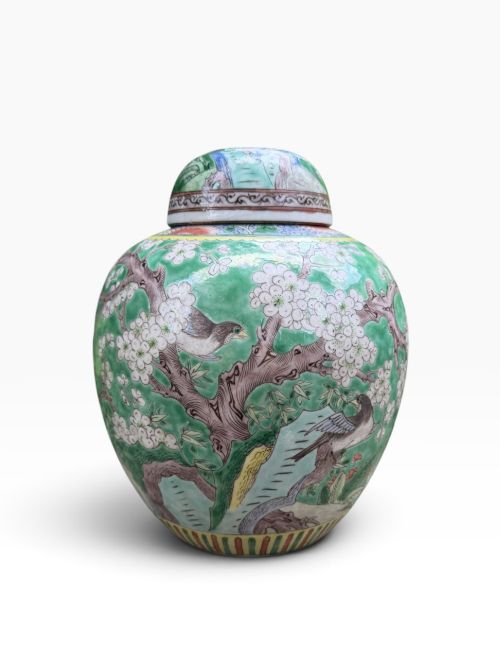
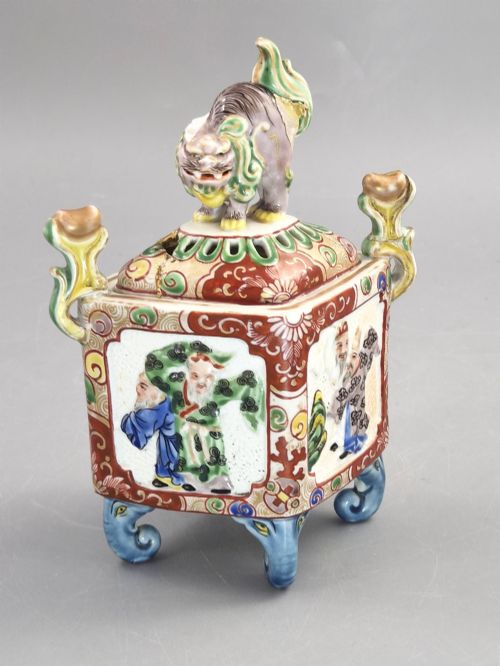
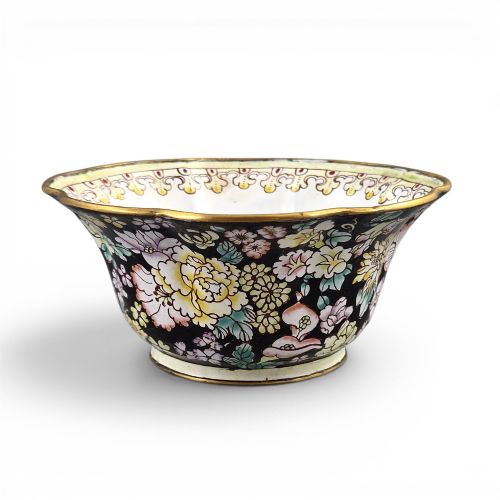
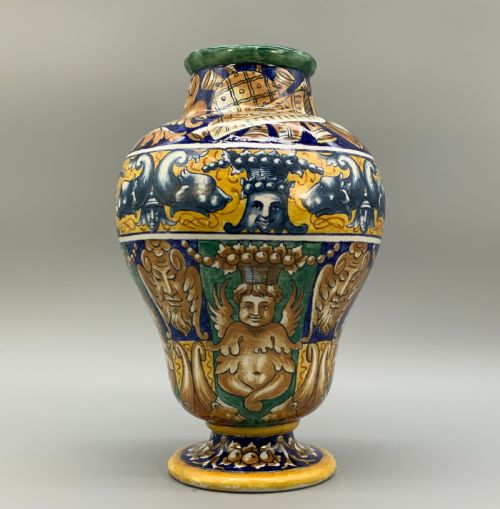
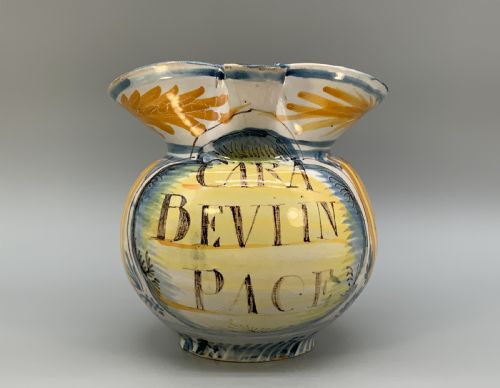
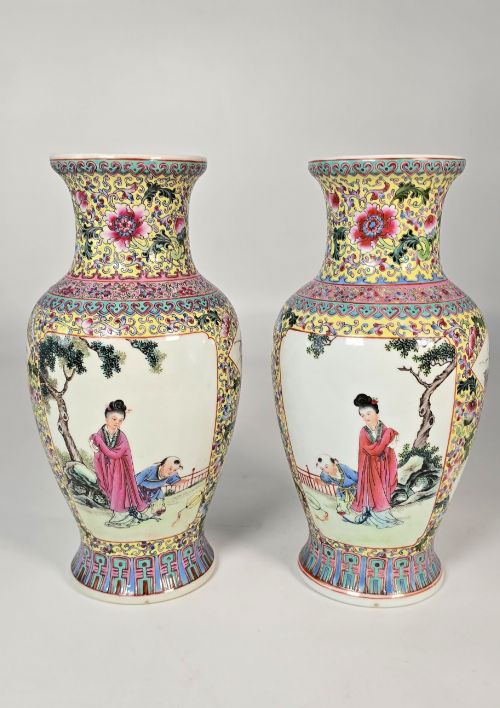
A polychrome ceramic vessel brings vibrant hand-painted enamel colour to a room, offering both decorative presence and historical craft.
Identifying a Polychrome Ceramic Vessel
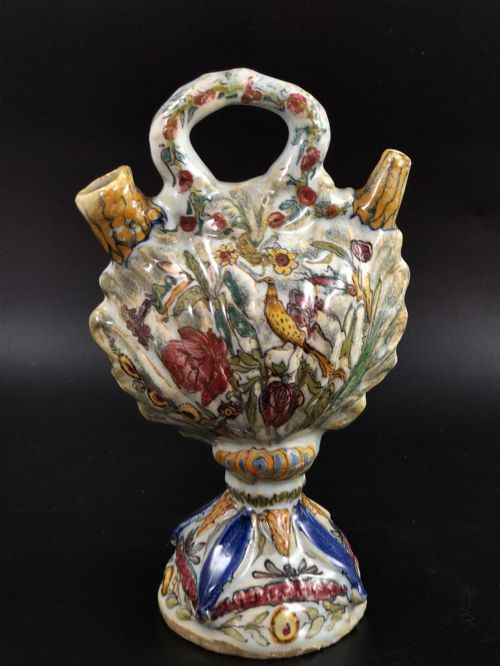
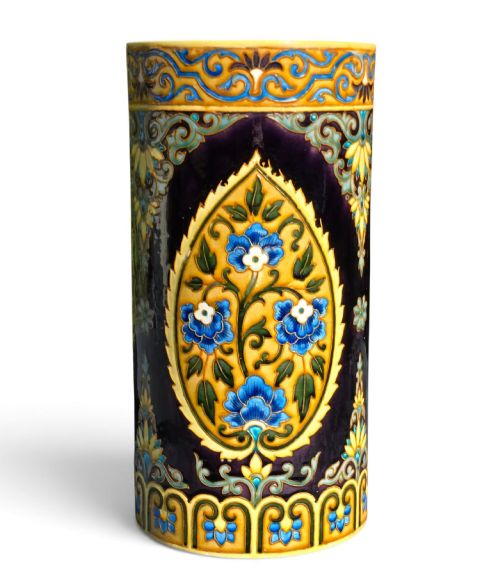
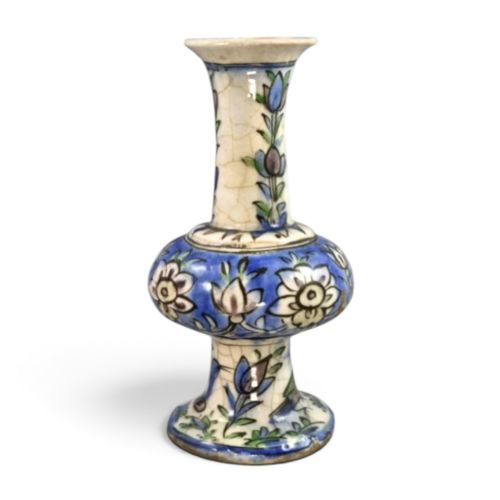
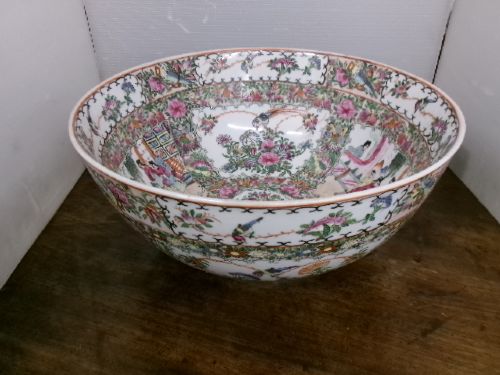
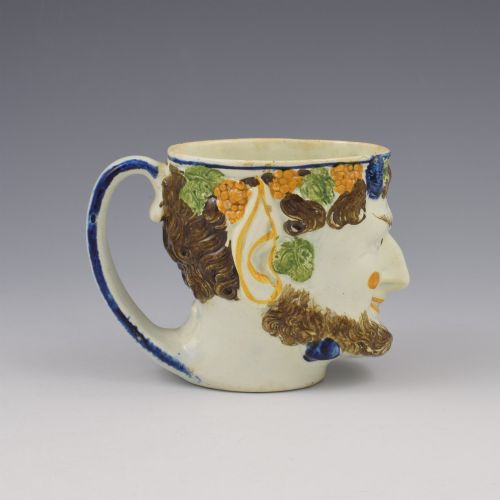
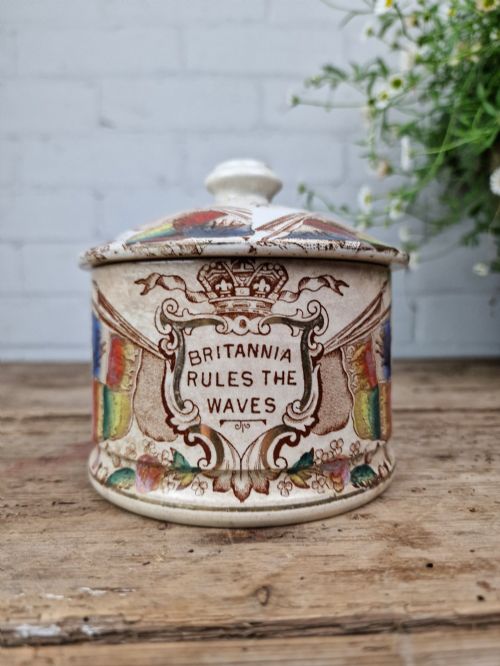
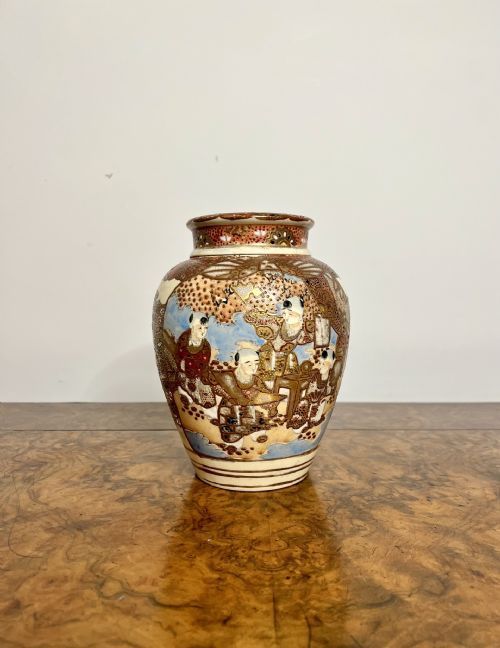
A polychrome ceramic vessel incorporates multi-coloured painted decoration across its surface, often combining fine porcelain or earthenware bodies with intricate hand-painted enamel details. When exploring a polychrome ceramic vessel selection, buyers encounter distinct forms ranging from covered ginger jars and centrepiece vases to bough pots and figurative arrangements.
The historical scope spans several centuries and origins, represented by pieces from the mid-eighteenth century up to the early twentieth century. Examples include Chinese export creations, Japanese Satsuma wares, and European Rococo Revival interpretations, each displaying the specific artistic conventions of its period and origin.
Materials and Construction
Makers utilised ceramic foundations such as porcelain and earthenware to form the structural body of each vessel. These pieces were then shaped and fired before receiving detailed ornamentation.
Surface decoration relied heavily on enamel paints applied by hand, occasionally accented with gold leaf or gilt highlights. This technique created rich, multi-toned visual effects that adhered permanently to the ceramic substrate during subsequent low-temperature firings.
Retail Price Guide 2026
Typical UK retail prices for polychrome ceramic vessel, calculated from the Sellingantiques database of over a million retail prices indexed since 2003. This retail price guide relies exclusively on Sellingantiques data; no external sources or auction records are used, so the figures do not describe the wider market.
Some nineteenth-century makers packed their delicate jars so tightly for export that the packing straw became permanently fused to the base glaze.
Assessing Quality and Execution
The refinement of the hand-painted enamel work dictates the aesthetic standing of each piece, distinguishing hurried factory production from careful studio execution. Precise brushwork and harmonious colour saturation separate the superior examples from simpler utilitarian wares.
The integrity of the original ceramic body and the preservation of delicate gilt or gold leaf details also influence the overall character. Pieces that retain their original covers and display crisp definition in their moulded or painted motifs represent the more accomplished end of the range.
The Polychrome Ceramic Vessel Glossary
- Polychrome
- Decorated in multiple colours. This term describes ceramics and works of art featuring a diverse palette of enamel paints.
- Enamel
- A glassy substance fused to a ceramic or metal surface through firing. It provides durable, vibrant colour for detailed pictorial scenes.
- Gilt
- Covered thinly with gold leaf or gold paint. This finish adds reflective highlights to specific areas of the ceramic design.
- Bough Pot
- A specialised vessel designed to hold cut branches for interior decoration. These pieces often feature fitted, pierced covers to arrange stems.
- Centrepiece Vase
- A prominent vessel created to stand in the middle of a table or room. Such forms are typically larger and finished with decorative detail on all sides.
Frequently Asked Questions
How were these vessels used historically?
Many of these vessels served as decorative containers for dried botanicals, cut branches, or scented materials within wealthy interiors. Covered jars kept contents secure while adding colour to a room.
Others functioned purely as visual focal points on tables, mantelpieces, or commodes, demonstrating the status and refined tastes of the household.
How do I care for antique ceramic vessels?
These pieces require gentle handling and should be dusted regularly with a soft, dry brush or cloth. Avoid using commercial cleaning liquids or abrasive cloths on the enamel and gilt surfaces.
Keep them away from direct sunlight and areas prone to sudden temperature fluctuations to protect the integrity of the glaze and gold leaf highlights.
How can I tell the period of a piece?
Dating relies on examining the characteristics of the ceramic body, the formulation of the glaze, and the style of the painted enamel decoration. Certain forms and motifs correspond directly to established historical eras like the eighteenth century or the Meiji period.
Maker marks, reign marks, or factory stamps when present offer additional clues for identifying the exact time of manufacture.