
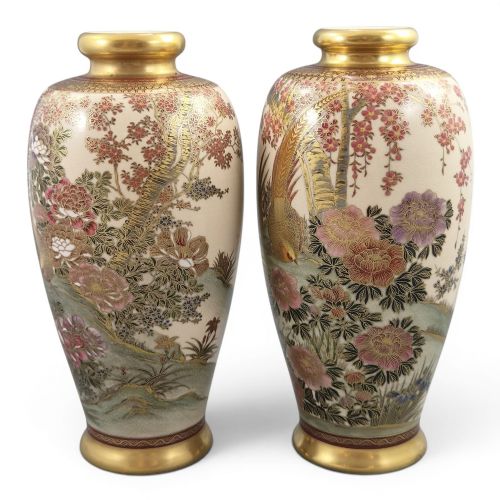


Crackle Glaze Pottery
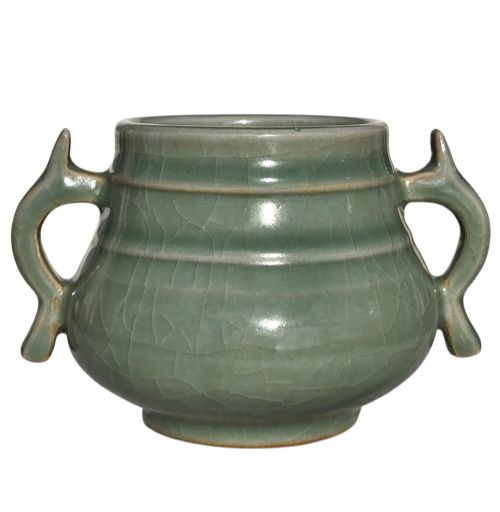
Crackle glaze pottery unites fine earthenware and ceramic bodies with intentional surface crazing, offering a tactile history of ceramic contraction.
Crackle Glaze Pottery
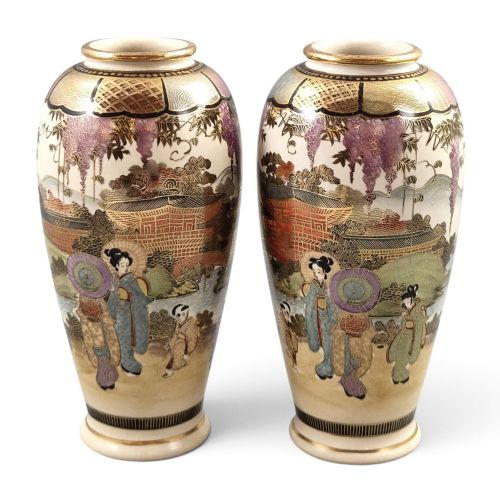
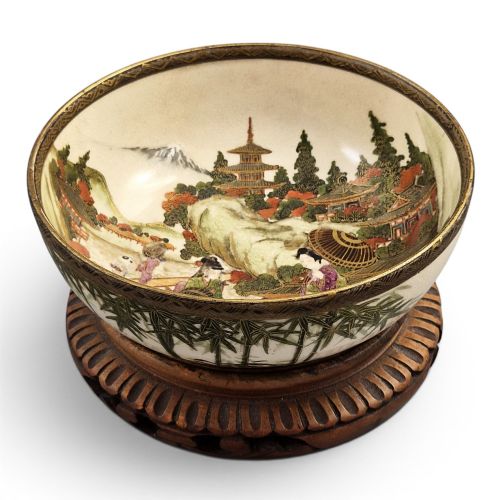
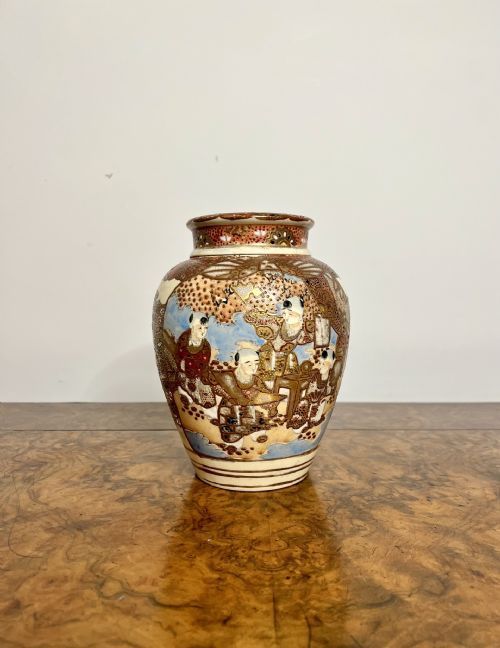
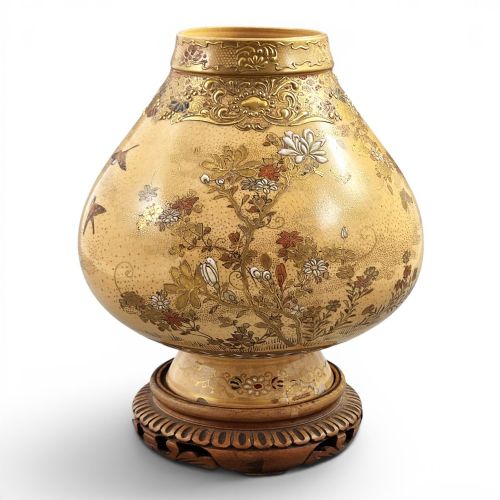
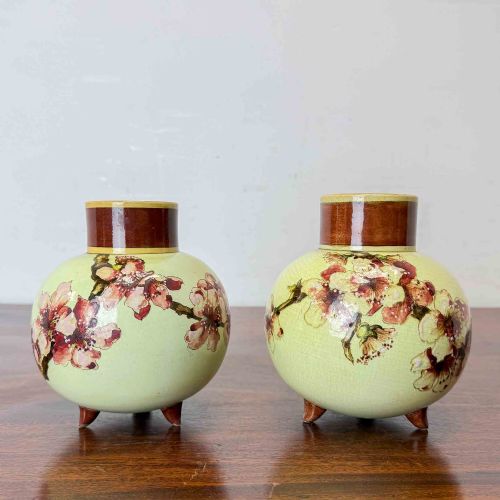
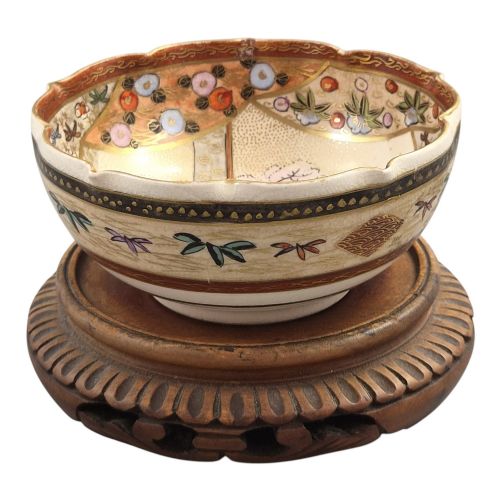
When searching for crackle glaze pottery, collectors encounter a diverse range of vessels, including vases, decorative bowls, ginger jars, and tea caddies spanning the nineteenth and early twentieth centuries.
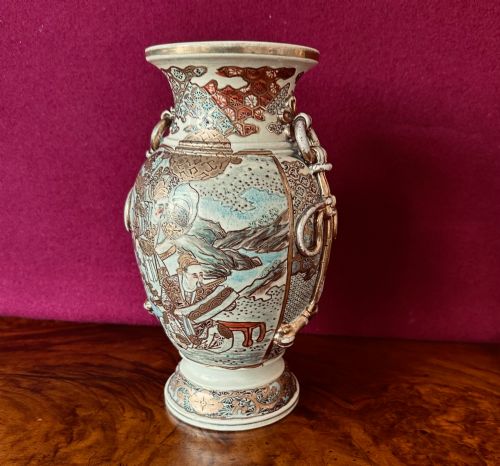
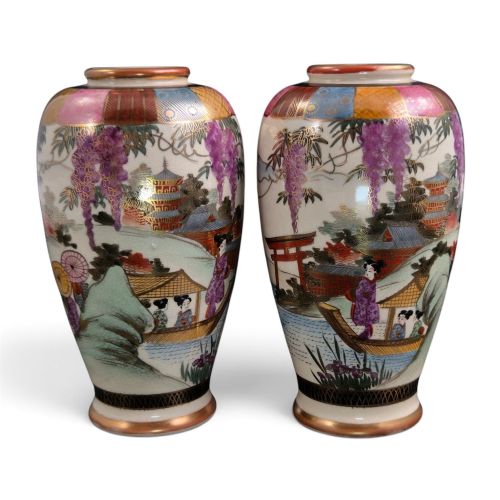
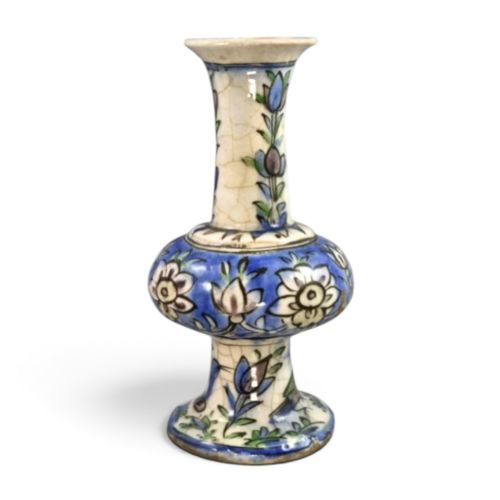
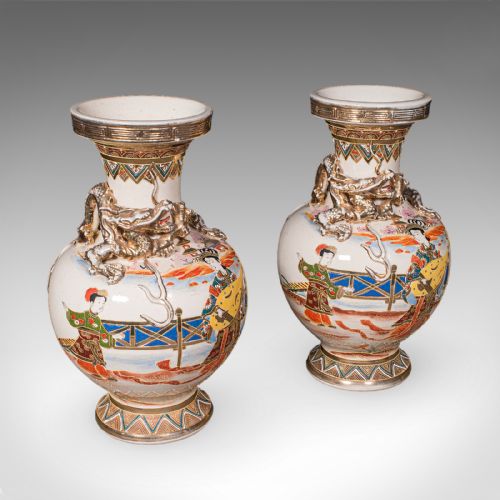
The pieces on this page lean heavily towards Japanese Satsuma ware from the Meiji, Taisho, and early Showa periods, alongside Qajar Persian ceramics and European art pottery.
Forms vary from monumental vases and hexagonal vessels down to delicate miniature vases and tripod incense burners.
Materials and technique
Potters employ ceramic and earthenware bodies coated in specialised glaze that contracts at a different rate than the clay beneath during cooling, creating the characteristic network of fine surface cracks.
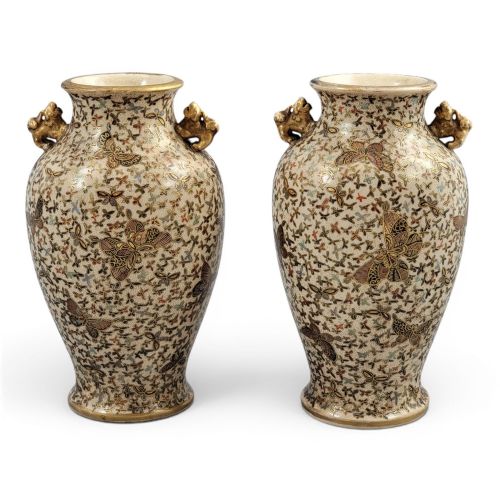
Makers often enhance these delicate lines with enamel and gold leaf, particularly in Japanese Satsuma and Persian polychrome traditions where moriage relief work and gilt detailing sit atop the crazed ground.
Listings feature earthenware and ceramic vessels decorated with enamel, gold leaf, and gilt over traditional crackle glazes.
The spectrum of quality
Quality separates through the precision and consistency of the crackle network relative to the vessel form, alongside the fineness of the hand-painted figural scenes or floral motifs.
The application of gold gilt and enamel work demonstrates the hand of a skilled workshop rather than mass production, distinguishing master studio output from simpler commercial wares.
Manpei·Gyokkō·Kinkōzan Workshop·Kinzan·Ryuzan·Chosei·Seiko-en Chokei·Tokyo Taizan·Shizan·Shozan
The Crackle Glaze Pottery Glossary
- Crackle glaze
- A ceramic glaze intentionally induced to crack during cooling, creating an intricate web across the surface.
- Satsuma
- A type of Japanese earthenware originating from Satsuma province, typically characterised by a warm ivory crackle glaze and detailed polychrome enamel painting.
- Moriage
- A decorative technique in Japanese ceramics where clay is piped onto the surface to create raised designs before glazing and gilding.
- Koro
- A traditional Japanese incense burner, frequently fashioned with three feet and a pierced cover.
- Qajar
- Pertaining to the Iranian dynasty spanning the nineteenth and early twentieth centuries, known for vibrant polychrome glazed ceramics.
Crackle Glaze Pottery: Frequently Asked Questions
What is crackle glaze pottery?
Crackle glaze pottery encompasses ceramic and earthenware vessels featuring a deliberately crazed surface pattern. This effect occurs when the glaze cools and contracts at a different rate than the underlying clay.
Collectors find this finish across diverse traditions, from Japanese Satsuma wares and Qajar Persian vessels to European art pottery.
How do I date these pieces?
Dating relies on stylistic markers, studio signatures, and period characteristics recorded in the manufacturing techniques. Nineteenth-century and early twentieth-century pieces often feature specific artist or workshop stamps on the base.
Examining the complexity of the enamel work and the tone of the crackle helps place items within the Meiji, Edwardian, or Victorian eras.
How were these vessels used?
Many of these pieces served ornamental and decorative functions within the home, displayed as garnitures, cabinet vases, or large centrepieces. Others had specific domestic or ceremonial roles, such as tea caddies, sugar bowls, and incense burners.
Their intricate pictorial scenes of court figures, landscapes, and flora were designed for quiet contemplation.
How do I care for crackle glaze?
Living with these ceramics requires gentle handling and placement away from sudden temperature fluctuations that stress the historic body. Dust them softly with a dry cloth and avoid harsh chemical cleaners.
Keeping them out of direct sunlight preserves the vibrancy of the enamels and gold leaf.