
Antique Oriental Urn
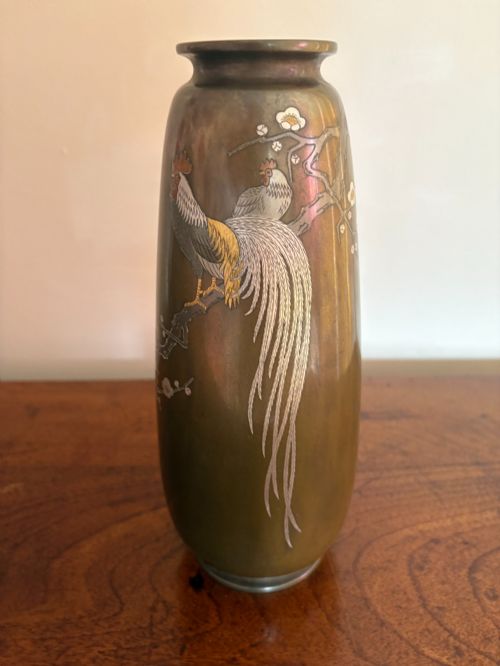
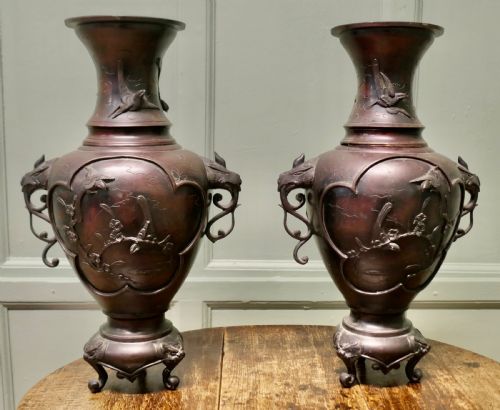
When you handle an antique oriental urn, you hold centuries of refined ceramic, bronze, and brass craftsmanship from East Asian workshops.
What these pieces are
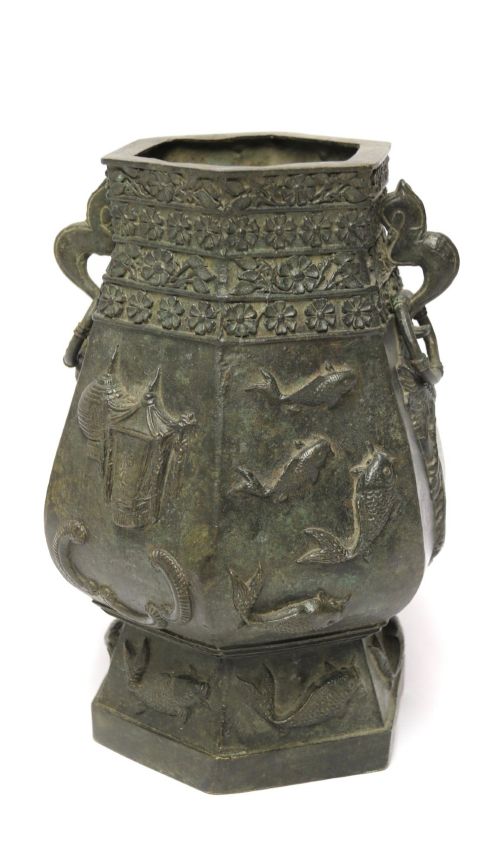
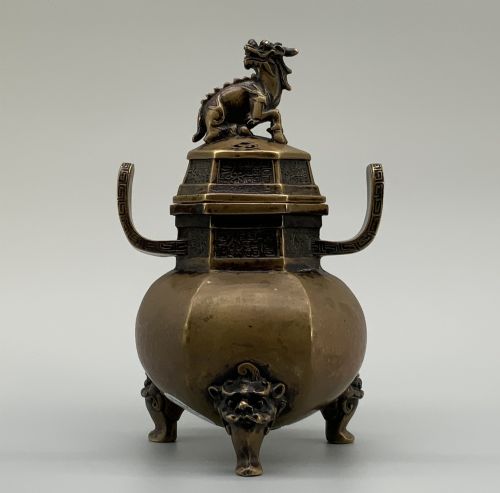
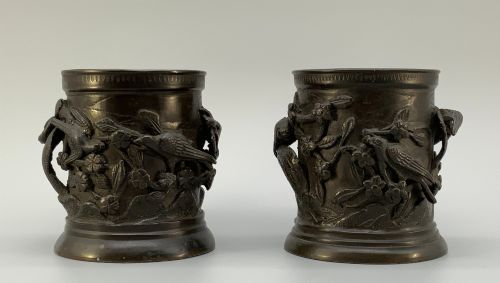
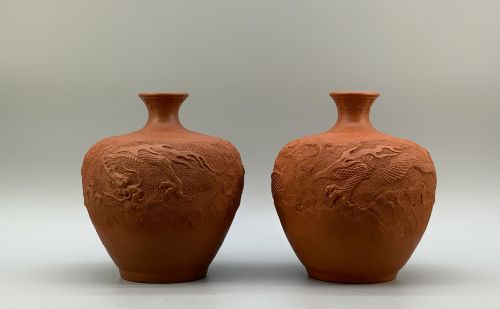
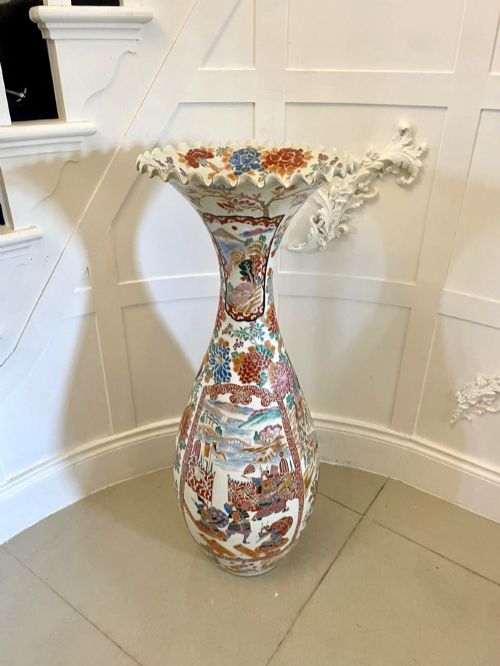
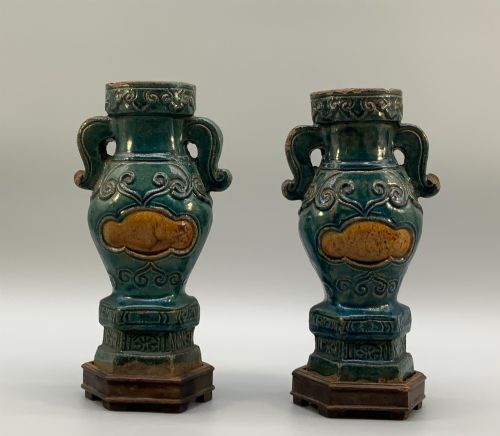
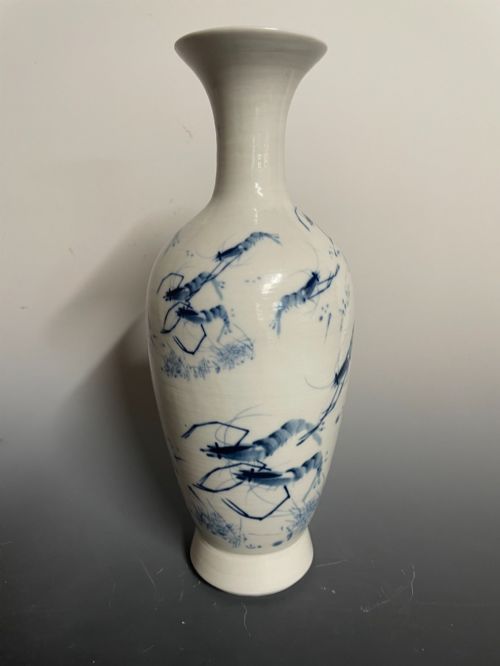
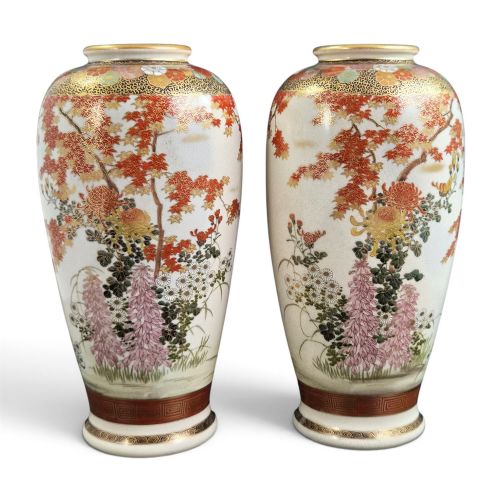
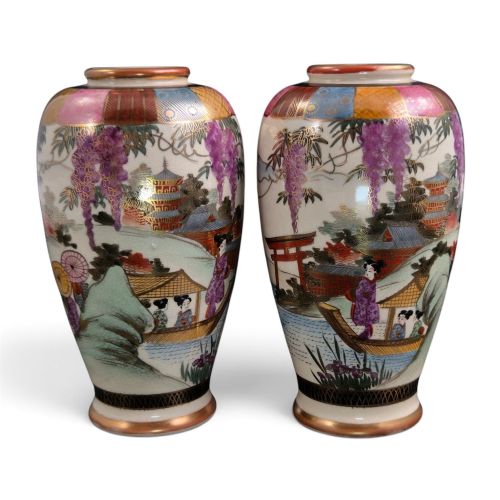
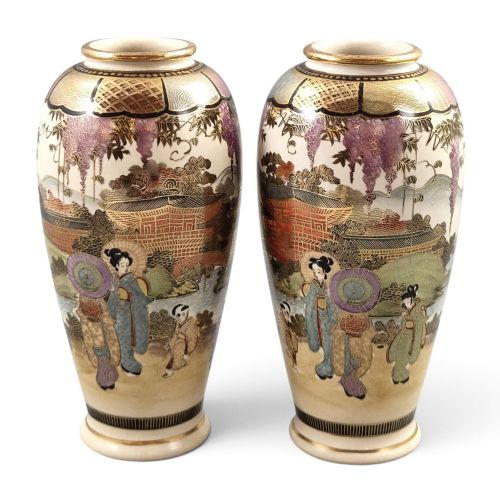
An antique oriental urn encompasses decorative vessels, ginger jars, and vases originating from China and Japan during the nineteenth century and around nineteen ten. These forms span Chinese Canton and Famille Rose ceramics alongside Japanese Imari and Meiji period bronzes.
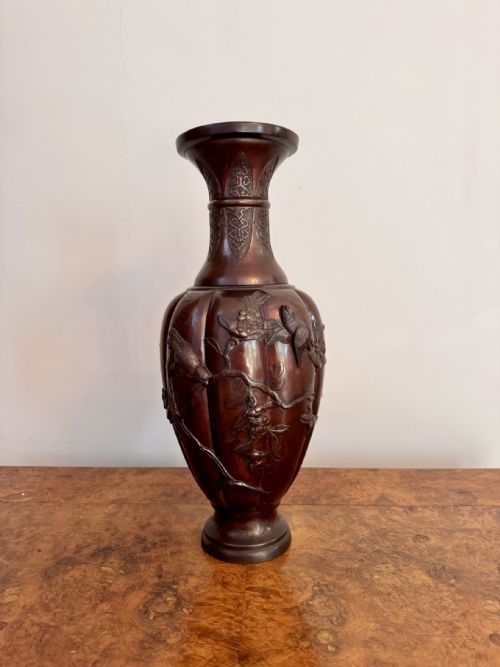
Buyers are most likely to encounter large porcelain vases and brass or bronze vessels featuring detailed surface patterns. The selection bridges utilitarian vessel shapes and purely decorative display pieces created for export and domestic markets.
How they were made
The material palette recorded across these pieces combines porcelain, ceramic, bronze, brass, enamel, and gold leaf. Potters shaped clay into baluster and jar forms before firing and applying complex glazed or painted surface designs.
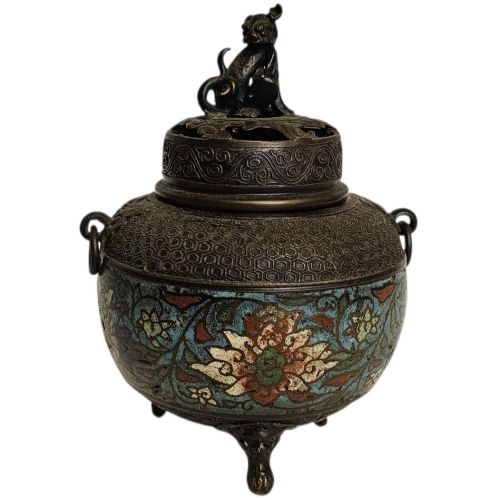
Metal vessels utilise cast bronze and brass bodies enhanced by engraving techniques. Artisans integrated cloisonne enamel work and delicate metallic applications to build textured decorative schemes across the surface.
Retail Price Guide 2026
Typical UK retail prices for oriental urn, calculated from the Sellingantiques database of over a million retail prices indexed since 2003. This retail price guide relies exclusively on Sellingantiques data; no external sources or auction records are used, so the figures do not describe the wider market.
Materials recorded across the archive include porcelain, enamel, gold leaf, bronze, brass, and glaze.
What varies in quality
Quality separates ordinary export wares from exceptional collector pieces through the precision of the hand-painted enamels, the depth of the bronze casting, and the clarity of the glaze. Finer examples display meticulous detail in dragon motifs, floral patterns, and bamboo compositions.
The weight and balance of the vessel, alongside the crispness of engraved brass or integrated gold leaf, distinguish the work of skilled workshops. Superior pieces maintain harmonious proportions and controlled colour application across the entire body.
The Antique Oriental Urn Glossary
- Imari
- A style of Japanese porcelain decorated in underglaze blue and overglaze red, gold, and green. This aesthetic originated from the port of Imari for export during the Edo period.
- Famille Rose
- A major palette of Chinese ceramic enamel colours introduced during the Qing dynasty, distinguished by its opaque pink or rose enamel. The style gained immense popularity for decorative export wares.
- Cloisonne
- An enamelwork technique where artists affix metal wire compartments to a bronze or copper base before filling them with coloured glass paste and firing. The finished surface creates a vivid mosaic effect.
- Baluster
- A vase form characterised by a bulbous lower portion that tapers towards a narrow neck and flared rim. This classic architectural silhouette supports many decorative oriental vessel designs.
- Meiji
- The period in Japanese history spanning from eighteen sixty-eight to nineteen twelve, marked by intense artistic exchange and exceptional metalwork and ceramic production.
Frequently Asked Questions
How do I care for these vessels?
Caring for antique porcelain and metal vessels requires gentle handling and protection from direct sunlight and sudden temperature shifts. Dust them regularly with a soft, dry cloth to prevent particulate buildup on delicate enamels and patinas.
Avoid using chemical cleaners, water immersion, or abrasive materials that can strip away gold leaf, glazes, or historical metal patinas.
How are Chinese and Japanese pieces told apart?
Chinese pieces often feature Famille Rose enamels, celadon glazes, or intricate brass and porcelain compositions associated with Qing dynasty production. Japanese pieces frequently display Imari palettes, Meiji period bronze casting, or bamboo patterns. Nomenclature, motifs, and material treatments generally offer clear indicators of regional origin and workshop traditions.
What materials were used?
The recorded materials span porcelain, ceramic, bronze, brass, enamel, and gold leaf. Metal vessels rely on cast brass and bronze with engraved or cloisonne surface enrichment. Ceramic pieces utilise fired clay bodies finished with painted glazes and overglaze enamel decorations.