




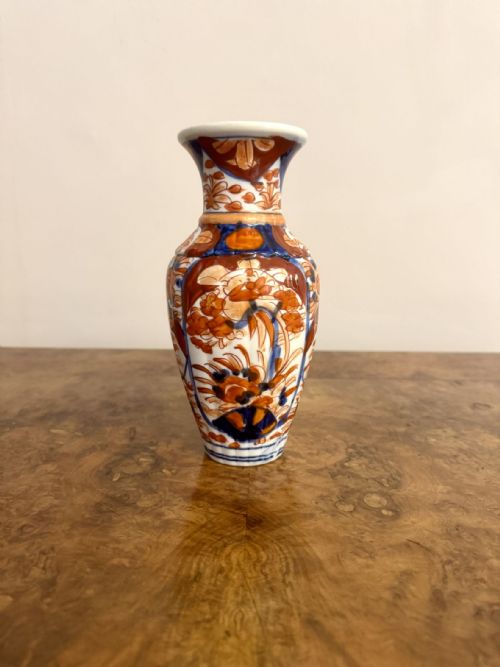
Japanese Porcelain Vessel
A japanese porcelain vessel brings cabinet-level artistry into the room, offering centuries of refined ceramic tradition and meticulous hand-painted detail.
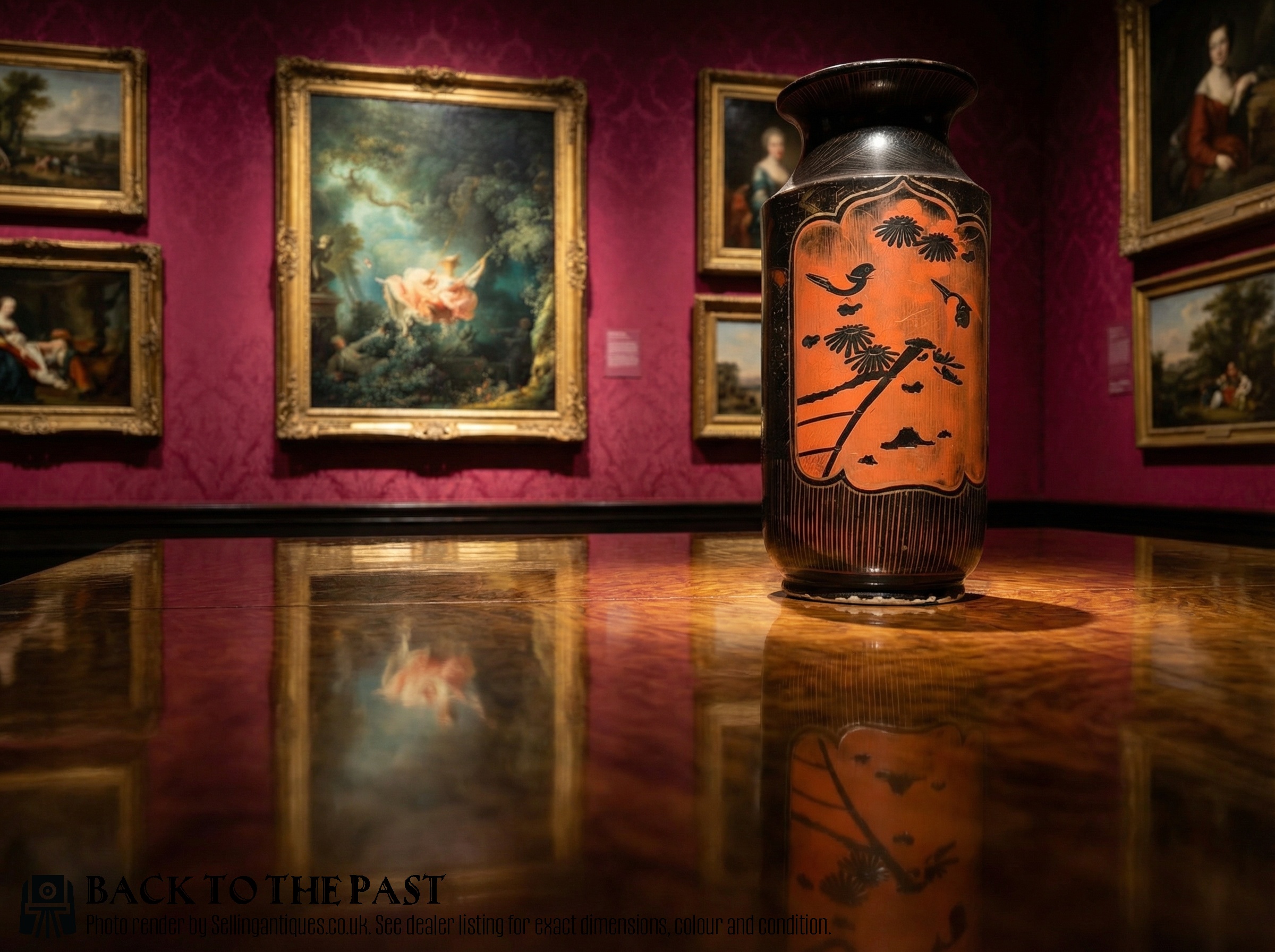
Japanese Porcelain Vessel
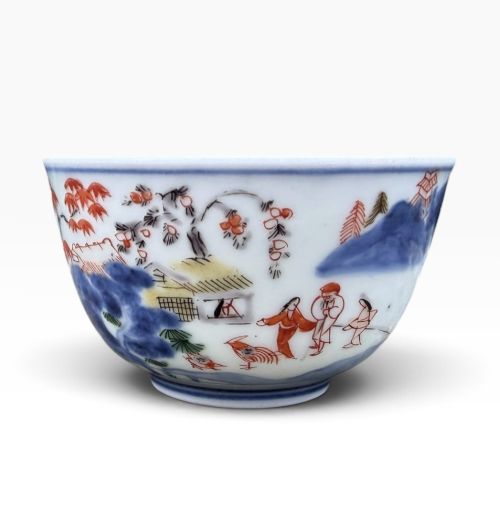
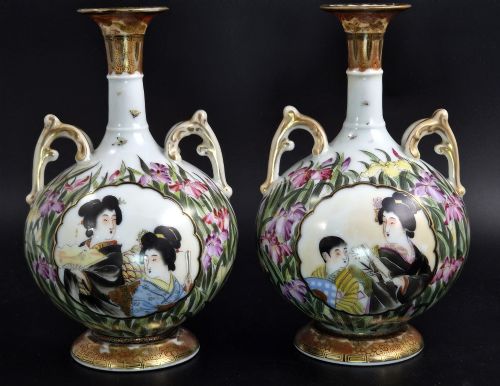
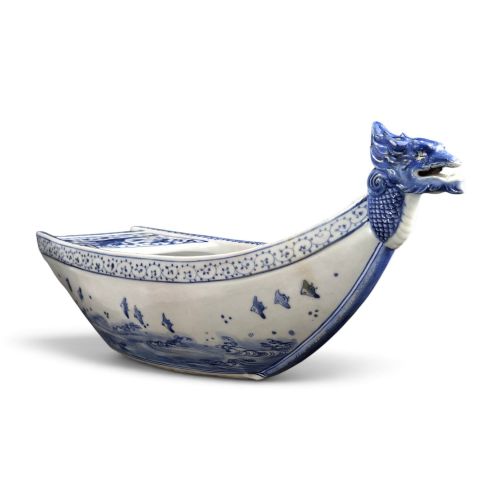
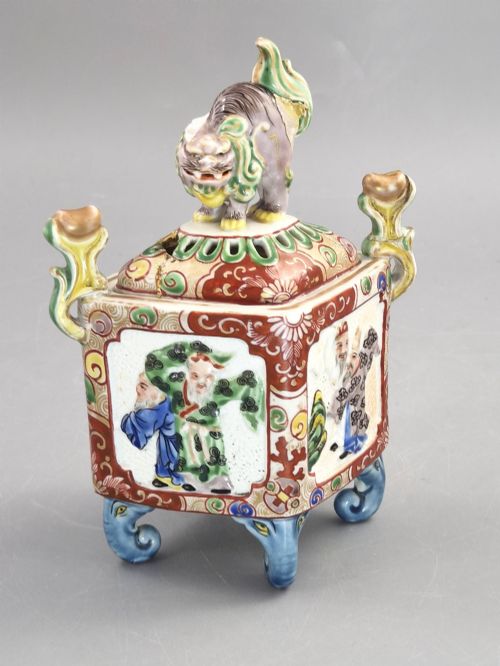
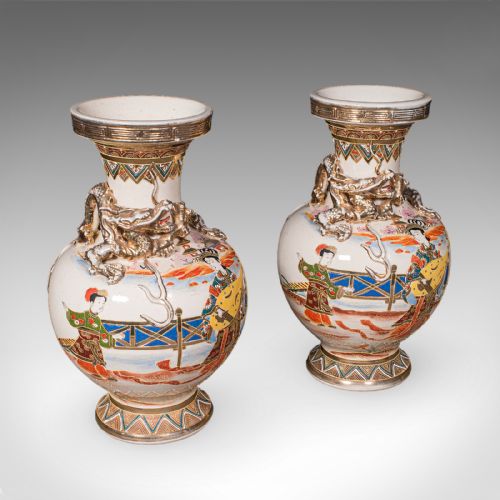
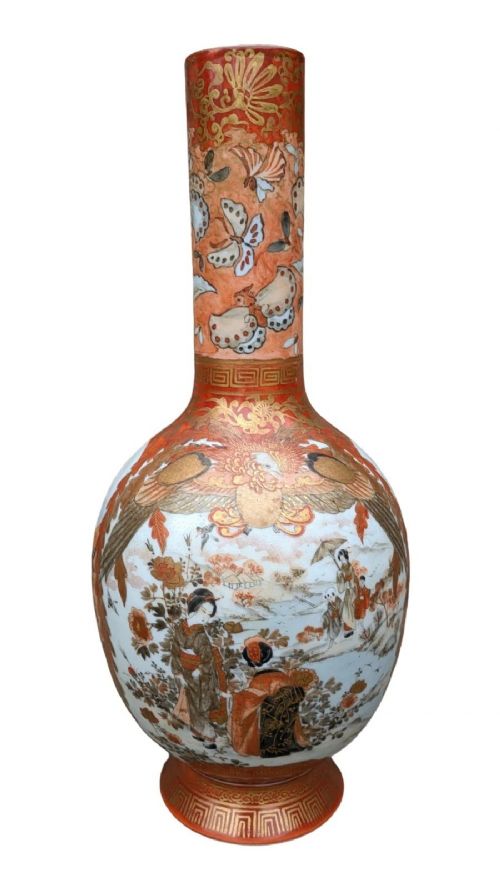
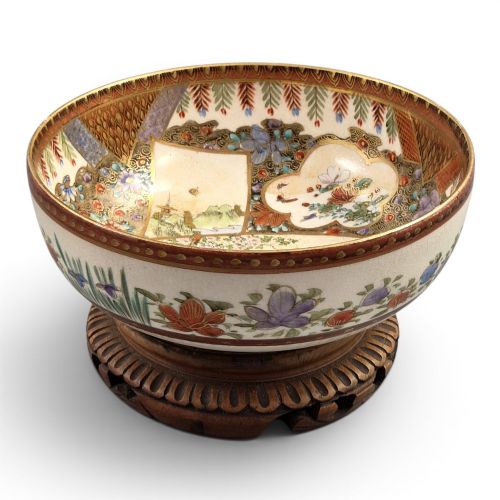
When you search for a japanese porcelain vessel, you encounter forms created primarily during the Meiji period and around nineteen hundred, alongside late nineteenth-century examples. These works span vases and miniature vessels that reflect distinct historical design impulses.
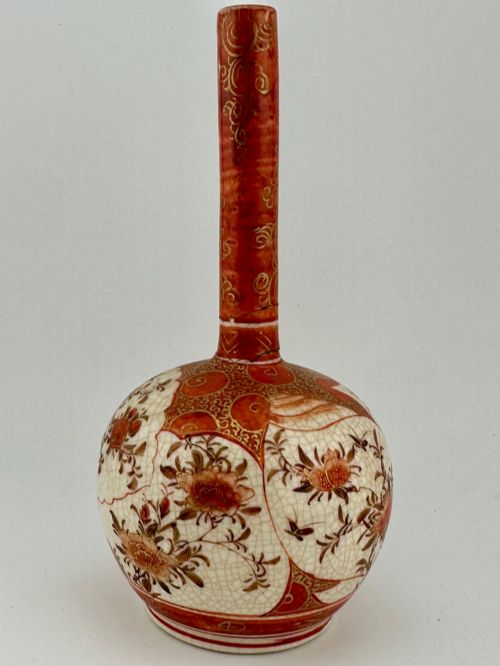
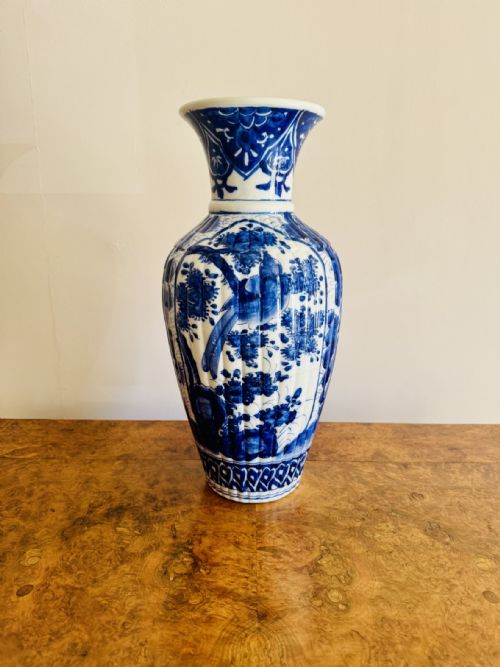
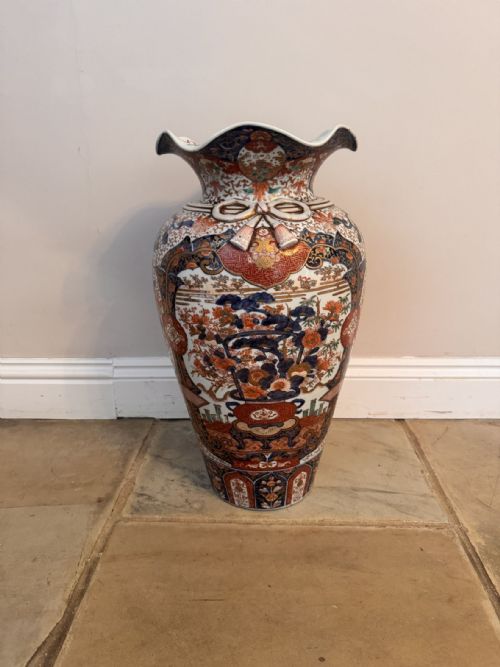
The most frequent items you meet on this page are vases, ranging from large statement pieces to finely detailed miniature works. They represent varied aesthetic traditions, including Japanese Imari patterns and Satsuma shapes.
Materials and construction
Makers shaped these vessels using porcelain, earthenware, and specialised glazes such as celadon. Artisans applied rich surface decoration utilising enamel, gold leaf, and occasionally urushi lacquer over-paint.
Techniques combined traditional ceramic throwing with precise hand-painting and decorative overlay. The integration of gold leaf and lacquer demonstrates complex multi-step workshop processes.
Japanese Porcelain Vessel Retail Price Guide 2026
Typical asking prices for japanese porcelain vessel among the pieces listed under this phrase on Sellingantiques today, from the lower quarter to the upper quarter. They describe what is for sale here now, not the wider market.
Some nineteenth-century makers evidently decided that porcelain alone wasn't enough and added urushi lacquer over-paint just to keep things interesting.
Judging quality
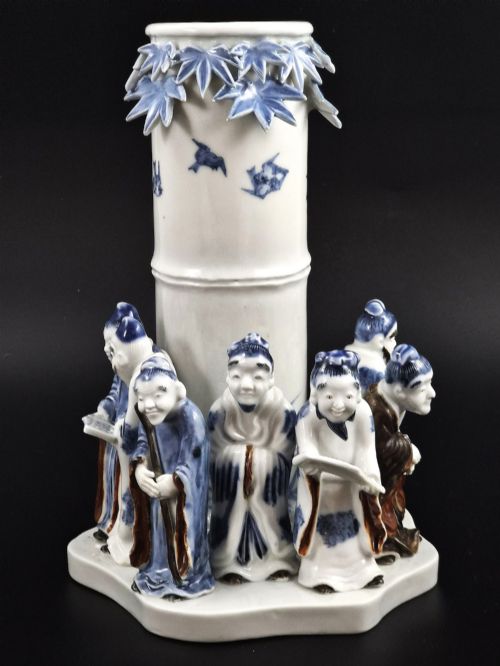
Quality rests upon the precision of the brushwork and the harmony of the palette, where controlled enamel application and refined gold leaf detailing distinguish superior examples. The execution of complex patterns, such as bamboo motifs, reveals the artisan's discipline.
The sophistication of the glaze and the integration of secondary materials like urushi lacquer separate standard production from exceptional studio output. Maker attribution, seen in signed works, further elevates the standing of a piece.
Chosei Kyoto·Makuzu Kozan
The Japanese Porcelain Vessel Glossary
- Meiji Period
- The era spanning from eighteen sixty-eight to nineteen twelve, marked by immense artistic output and opening international trade. Work from this time often shows extraordinary technical ambition.
- Imari
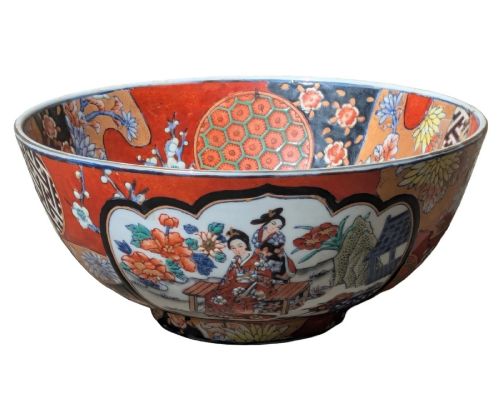
- A traditional style of Japanese export porcelain characterised by cobalt blue, iron red, and gold. These patterns remain among the most recognizable decorative traditions from Japan.
- Satsuma
- A type of earthenware with a fine, ivory-coloured crackle glaze that typically serves as a canvas for elaborate enamel and gilt decoration. It is frequently associated with miniature and cabinet vases.
- Celadon
- A pale green jade-like glaze achieved through iron oxide in the reduction kiln firing. This ancient glaze technique emphasises subtle form over painted surface decoration.
- Urushi Lacquer
- A natural resin applied to surfaces in multiple cured layers to create a durable, glossy finish. Its use as an over-paint on ceramic adds tactile depth.
Japanese Porcelain Vessel: Frequently Asked Questions
What defines a Meiji period vessel?
Pieces from the Meiji period reflect the artistic flourishing of late nineteenth and early twentieth-century Japan. They combine traditional craftsmanship with export-driven decorative ambition.
These works frequently feature intricate enamel work, gilding, and distinct regional styles that appeal to collectors of Asian art.
How do Imari and Satsuma differ?
Imari wares are known for their vibrant cobalt blue and iron-red palette, often highlighted with gold on porcelain. Satsuma pieces typically utilise a cream-coloured crackled earthenware body decorated with dense pictorial scenes.
Both styles emerged from distinct manufacturing traditions and served different aesthetic roles in Japanese export history.
What is lacquer over-paint?
Lacquer over-paint involves applying traditional tree sap resin directly onto the fired ceramic surface. This technique creates contrasting textures and deep black or coloured accents.
It demonstrates how different Japanese craft traditions were sometimes combined on a single decorative object.
How should I display these vases?
These vessels suit prominent placement in cabinets or on stable surfaces where their detailed painted surfaces can be examined closely. Natural light helps reveal the subtle variations in gold leaf and enamel.
Keep them away from direct sunlight and extreme temperature fluctuations to protect delicate lacquer and gilt elements.