


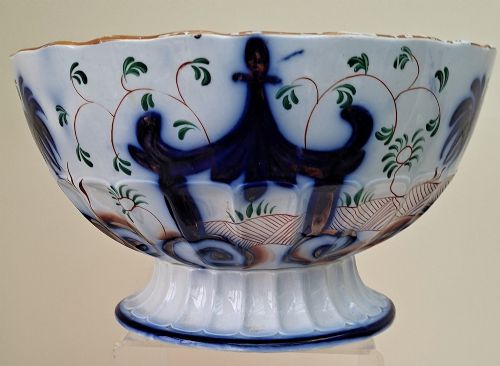
Decorative Porcelain Bowl
A decorative porcelain bowl brings centuries of global ceramic artistry to a room, offering both form and function through painted glazes and delicate shapes.
Decorative Porcelain Bowl
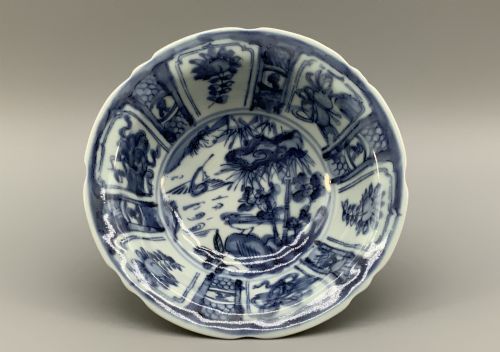
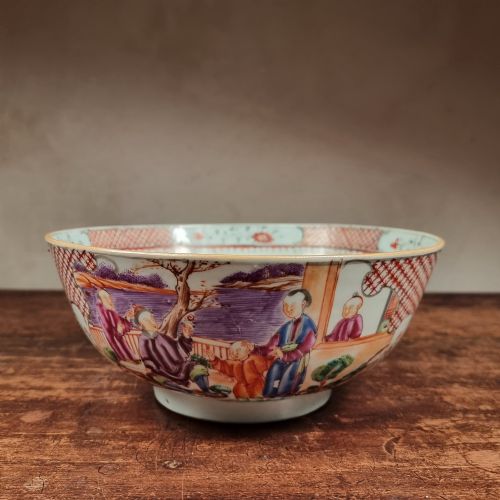
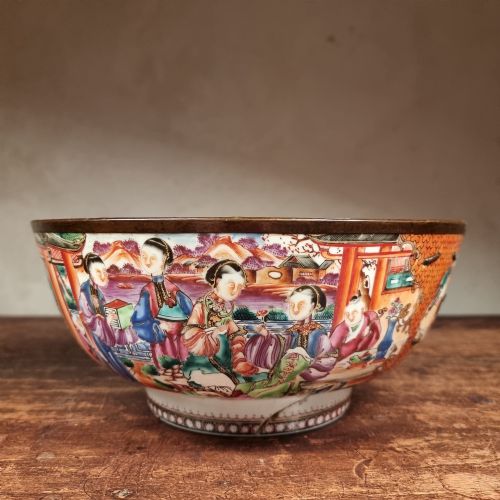
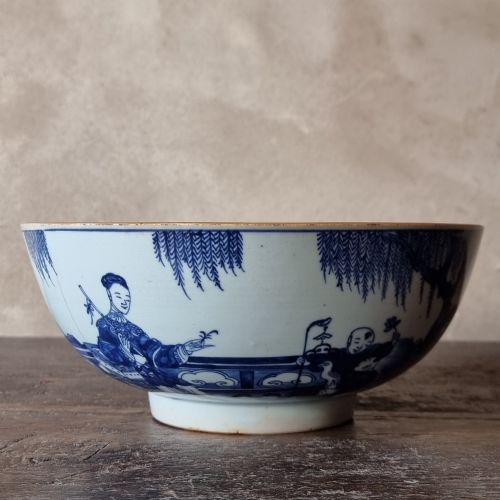
When searching for a decorative porcelain bowl, buyers encounter a wide variety of forms originating from English, French, Chinese, and Japanese traditions. The selection spans centuries of production, ranging from early eighteenth-century punch bowls to twentieth-century cabinet pieces.
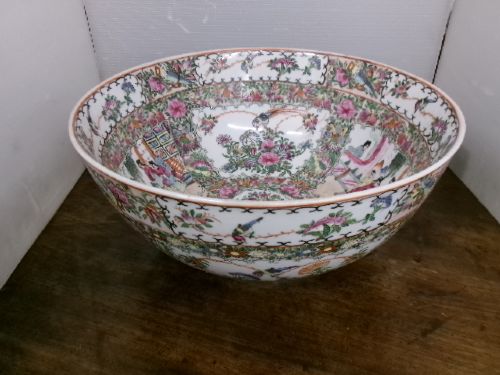
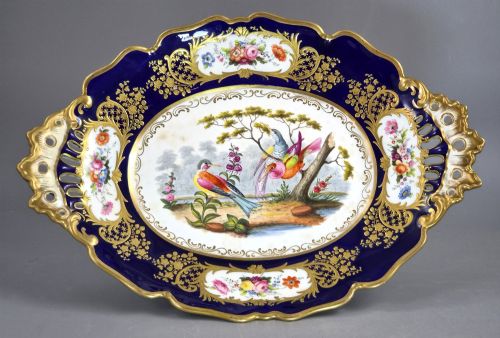
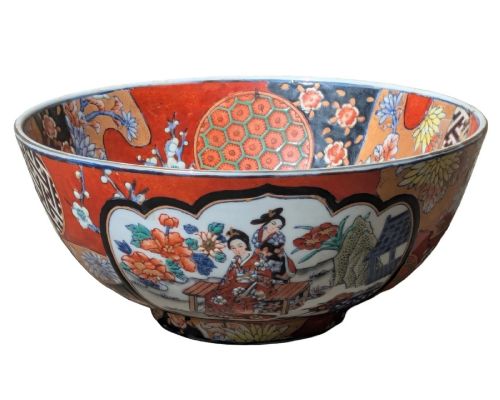
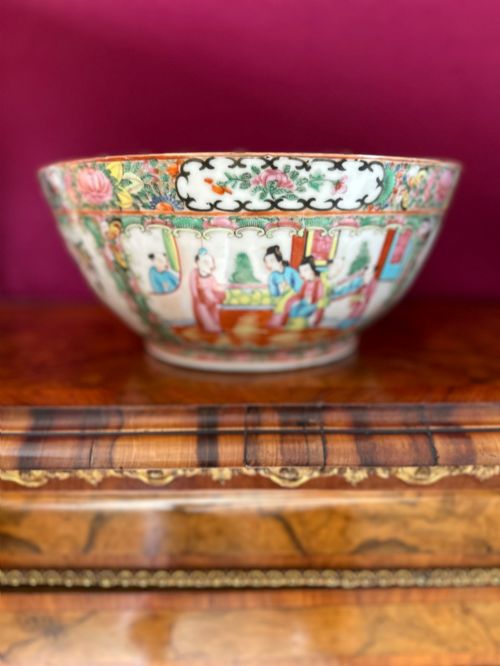
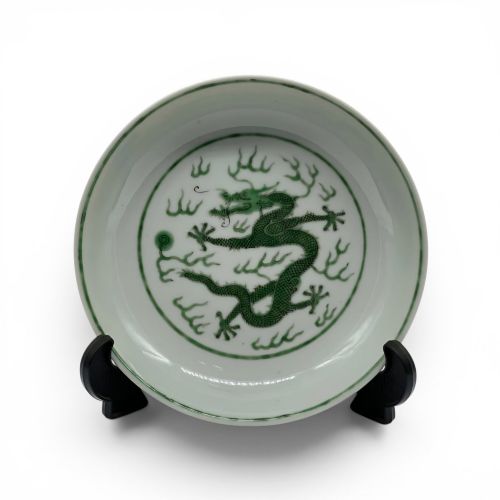
Most examples found on this page take the shape of footed bowls, scalloped dishes, or large centrepieces designed for display. These items reflect distinct cultural aesthetics, including Japanese Imari patterns, Chinese Canton famille rose designs, and English floral motifs.
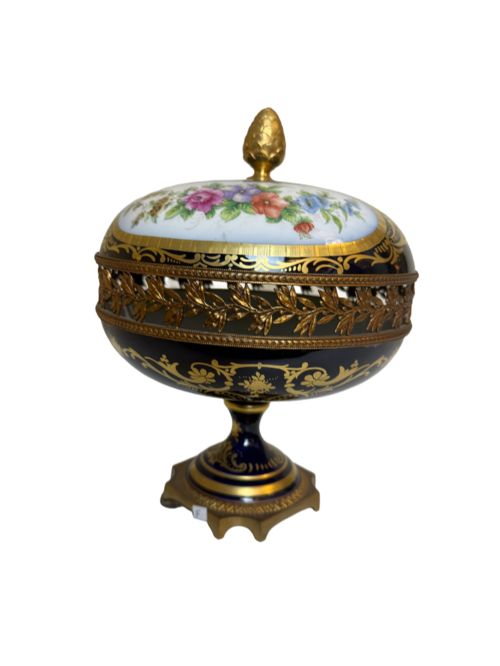
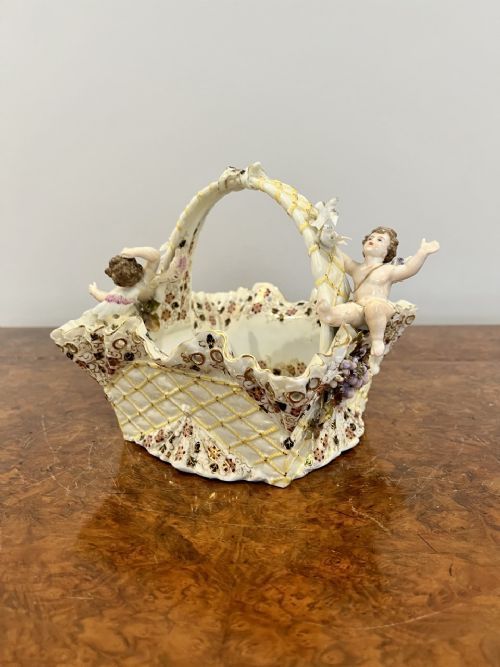
The assortment includes specialised items such as lidded dishes, garden jardinières, and flower-encrusted baskets. Each piece demonstrates the enduring appeal of porcelain as a medium for domestic ornamentation.
How They Were Made
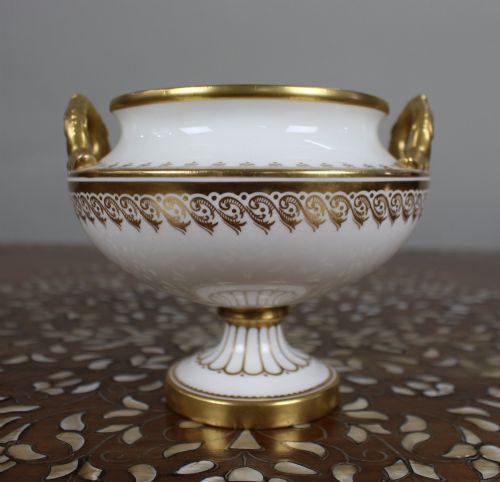
Potters shaped fine clay and porcelain bodies before applying intricate hand-painted designs using cobalt blue glaze, enamel, and iron-red pigments. Many pieces received rich surface embellishments through the application of gold leaf and gilding.
Advanced kilns allowed for precise high-temperature firing, which fixed the colourful glazes and created durable, lustrous finishes. Certain French and English items incorporated additional materials, mounting porcelain within gilt bronze frameworks or champlevé enamel settings.
Decorative Porcelain Bowl Retail Price Guide 2026
Typical asking prices for decorative porcelain bowl among the pieces listed under this phrase on Sellingantiques today, from the lower quarter to the upper quarter. They describe what is for sale here now, not the wider market.
Fairyland lustre bowls transport admirers into a fantastical realm of floating fairies, winged insects, and mystical dragons conjured by imaginative studio ceramicists.
What Varies in Quality
The standard of a piece rests upon the precision of the hand-painted brushwork and the clarity of the underlying glaze. Master artisans achieved superior definition in floral scenes, figures, and gilt detailing, distinguishing workshop productions from standard output.
Execution of form also dictates distinction, seen in evenly potted walls, crisp moulding on scalloped edges, and well-preserved gilding. Pieces bearing authentic signatures or specific period marks demonstrate higher atelier standards.
Coalport·Royal Doulton·Samson·Wedgwood·Rockingham·Sevres·Spode·Doulton Burslem
The Decorative Porcelain Bowl Glossary
- Porcelain
- A hard, white ceramic material fired at high temperatures, known for its translucence and smooth vitreous body. It forms the essential base for fine decorative vessels.
- Imari
- A traditional Japanese style of porcelain featuring rich cobalt blue and iron-red hues, often enriched with gold leaf. This aesthetic became highly popular across European export markets.
- Famille Rose
- A palette of Chinese porcelain decoration dominated by opaque pink enamel, introduced during the Qing dynasty. The style depicts elaborate floral, bird, and figure compositions.
- Gilding
- The application of gold leaf or powdered gold onto the surface of ceramic objects to highlight rims, handles, and painted motifs. It adds a layer of reflective warmth to the piece.
- Jardinière
- A large decorative pot or bowl designed to hold plants or floral arrangements. These vessels frequently feature substantial painted scenes and robust forms.
Decorative Porcelain Bowl: Frequently Asked Questions
How were antique porcelain bowls used originally?
Many large vessels served practical dining functions, such as punch bowls for communal gatherings or large dishes for serving food at formal tables. Others functioned purely as decorative centrepieces or cabinet displays to showcase wealth and taste.
Over time, many of these utilitarian items transitioned into strictly ornamental objects. Smaller bowls and dishes were often placed on tables or sideboards simply to display intricate artistic patterns.
How should I care for a decorative porcelain bowl at home?
Display these items away from direct sunlight and areas subject to sudden temperature fluctuations to protect surface enamels and gilding. Dust the surface gently with a soft, dry cloth rather than using chemical cleaning agents.
Avoid submerging antique pieces with delicate gold leaf or hand-painted enamel in water. Proper placement on stable, level surfaces ensures the bowl remains safe from accidental knocks.
What indicates the period of an antique porcelain bowl?
Stylistic clues such as Victorian rococo revival moulding, Meiji period Satsuma signatures, or Edwardian lustre glazes provide clear temporal markers. Manufacturers' marks, painted atelier signatures, and imperial reign characters further pinpoint the date of creation.
The choice of palette and raw materials also reflects specific eras, such as the distinct iron-red and gilt combinations found on nineteenth-century pieces.