
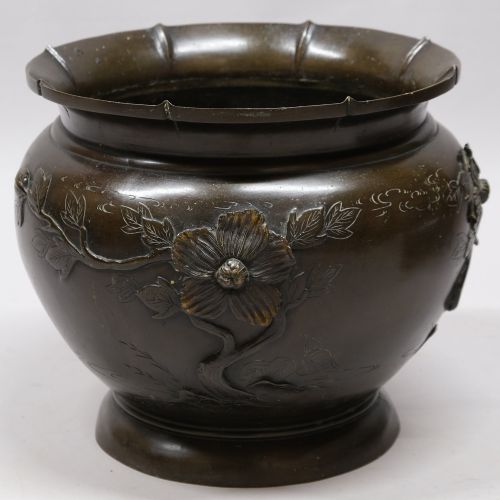


Antique Floral Cachepot
An antique floral cachepot holds a potted plant inside a decorative vessel, bringing colour and botanical form directly onto interior tables and mantelpieces.
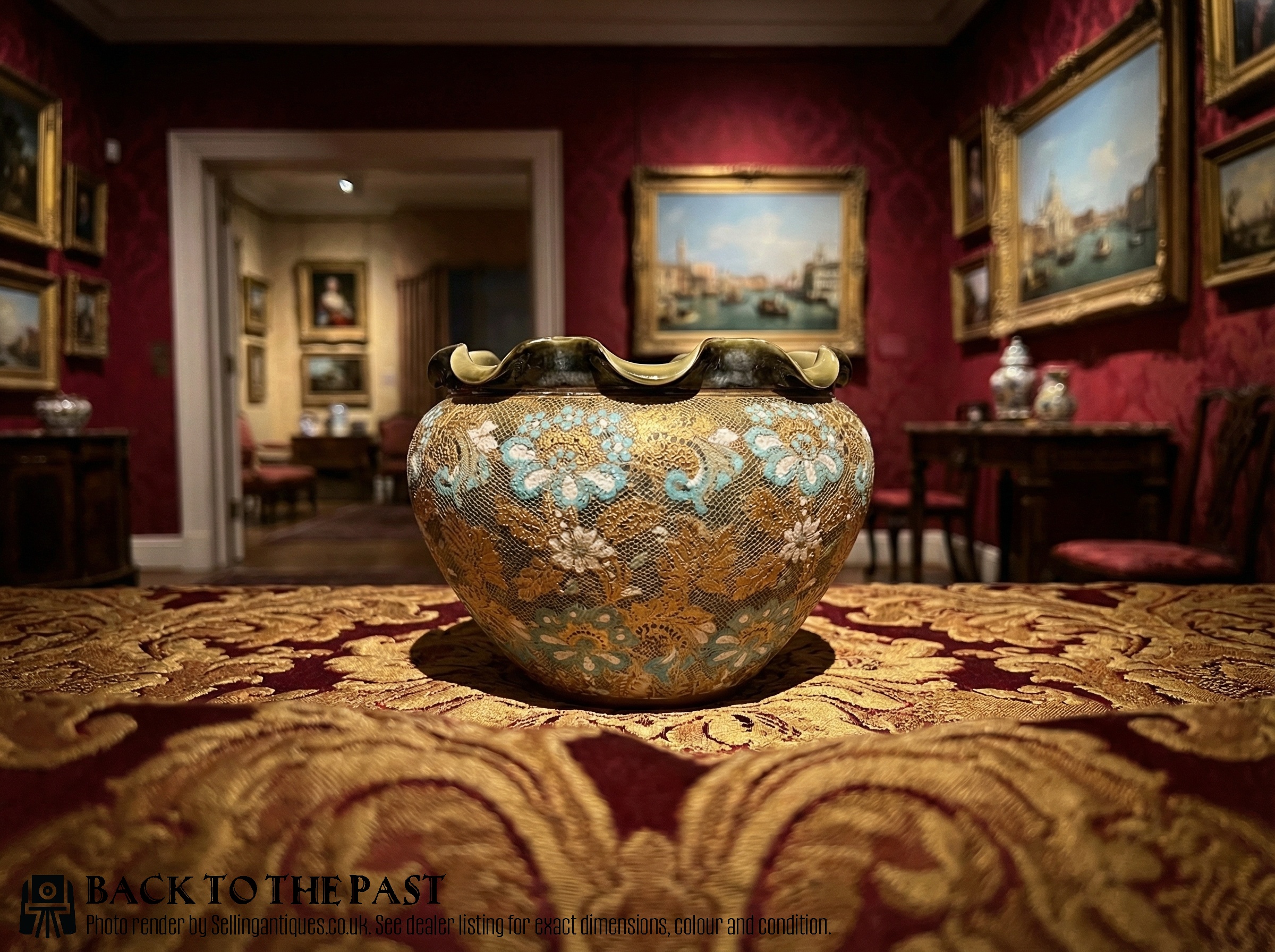
Antique Floral Cachepot
An antique floral cachepot functions as an ornamental container designed to conceal a plain plant pot while protecting household surfaces from water. These pieces appear across various forms including jardinières, planters, and decorative bowls spanning from the Georgian era through the twentieth century.
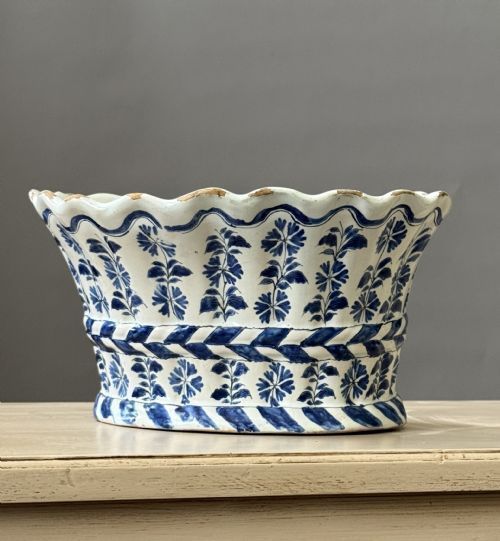
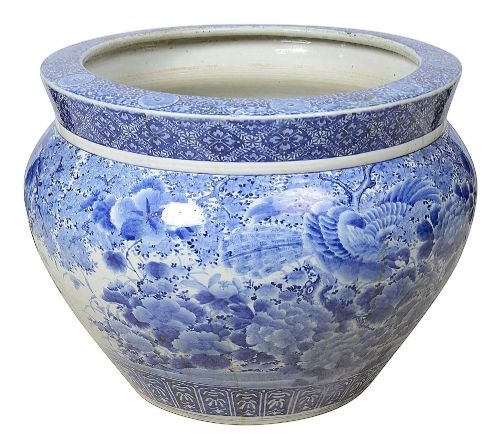
The selection on this page demonstrates broad international origins, including English pottery and porcelain alongside Japanese Meiji and Edo period bronze, Chinese cloisonné enamel, and Dutch Delftware. Victorian and Edwardian examples sit alongside earlier continental pieces, reflecting diverse domestic tastes across multiple centuries.
How they were made
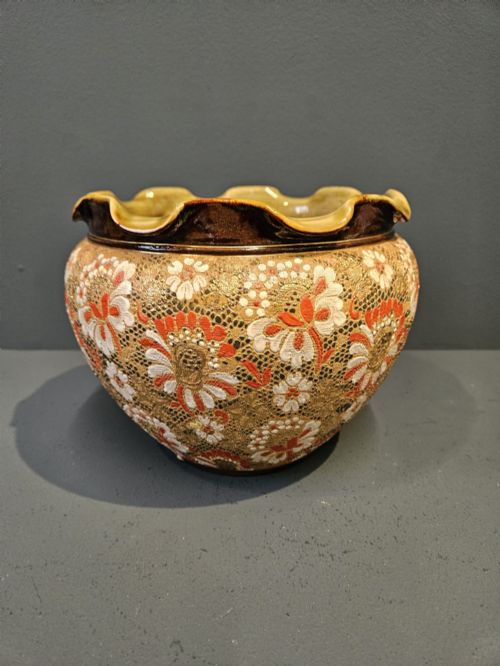
Potters and ceramists shaped these vessels using earthenware, porcelain, and stoneware, often finishing the surfaces with intricate glaze, enamel, and gold leaf applications. Pieces from factories like Royal Doulton and Royal Worcester showcase careful painting and embossing techniques developed during the nineteenth and early twentieth centuries.
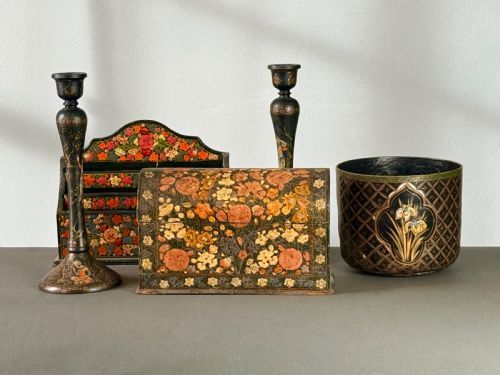
Metalworkers utilised bronze, brass, and cloisonné techniques to create durable planters and bowls, incorporating chased details and applied enamels. Lacquer and ceramic bodies received hand-painted floral motifs that align with Chinoiserie, Delftware, and Art Nouveau stylistic traditions.
Antique Floral Cachepot Retail Price Guide 2026
Typical asking prices for floral cachepot among the pieces listed under this phrase on Sellingantiques today, from the lower quarter to the upper quarter. They describe what is for sale here now, not the wider market.
Listings feature ceramics, bronze, and cloisonné enamel across Victorian, Edwardian, and eighteenth-century periods.
What varies in quality
The distinction between standard domestic wares and exceptional studio or factory pieces rests on the precision of the hand-painting and the depth of the glaze or enamel work. Finer examples display crisp botanical detailing and balanced proportions, particularly in pieces originating from established potteries and specialist metal workshops.
Material richness also dictates value, with heavy bronze castings, complex cloisonné wirework, and delicate blush ivory porcelain representing higher tiers of craftsmanship. The integration of decorative handles, embossing, and well-preserved surface finishes elevates individual examples above ordinary utility items.
Royal Doulton·Royal Worcester·Doulton Lambeth·Doulton Burslem
The Antique Floral Cachepot Glossary
- Cachepot
- A decorative flowerpot container designed to hold a potted plant and catch drainage water. The French term translates literally as hide pot.
- Jardinière
- A large ornamental pot or stand for holding plants or flowers, often ceramic or metal. These vessels form a primary category within this selection.
- Cloisonné
- An ancient metalworking technique employing enamel filled within wire partitions soldered to a metal base. This method creates vibrant, multi-coloured decorative surfaces on bronze and copper vessels.
- Blush ivory
- A soft cream-coloured ceramic ground overlaid with delicate pastel floral decoration. Royal Worcester frequently utilised this finish on late nineteenth-century pieces.
- Imari
- A style of Japanese porcelain featuring deep cobalt blue and iron red decorations picked out in gilt. European makers frequently copied these distinct patterns during the nineteenth century.
Antique Floral Cachepot: Frequently Asked Questions
What is a cachepot used for?
A cachepot serves to hold a potted plant while concealing the standard growing pot inside a decorative exterior vessel. This keeps tabletops safe from water overflow while presenting flowers and foliage attractively.
Historically, these vessels stood on side tables, windowsills, and mantelpieces within parlours and drawing rooms. They brought living greenery directly into interior living spaces without the mess of direct planting.
How do I date an antique ceramic planter?
Dating relies heavily on factory backstamps, glaze characteristics, and stylistic markers associated with specific periods like the Victorian era or Edwardian years. Potters changed their marks regularly, which helps narrow down the year of manufacture.
Material composition and decorative motifs also offer strong clues. Art Nouveau curves point toward the late nineteenth century, while transfer-printed earthenware often aligns with earlier Georgian or Victorian production.
Are these planters waterproof?
Many ceramic, bronze, and cloisonné vessels hold water effectively, though older earthenware bodies can sometimes be slightly porous. Metal liners or protective saucers were often used originally to protect the interior surfaces.
It remains wise to inspect the interior glaze and test with a small amount of water before placing a live potted plant directly inside. Using a hidden plastic liner preserves the antique material from moisture damage over time.
What is the difference between a jardinière and a cachepot?
A jardinière generally refers to a larger ornamental plant container, whereas a cachepot is typically sized for a single tabletop flower pot. Both terms describe decorative vessels intended to house indoor plants.
In practical terms, antique market listings often use both words interchangeably for similar decorative bowls and planters. The primary distinction rests on scale rather than function.
How should I clean an antique bronze planter?
Cleaning requires gentle dusting with a soft, dry cloth to preserve any patination or applied gold leaf. Harsh chemical polishes strip away the aged surface character that collectors value.
For pieces with enamel or cloisonné sections, moisture should be kept to a minimum. Professional advice is recommended if deeper conservation cleaning becomes necessary.