





Japanese Bronze Planter
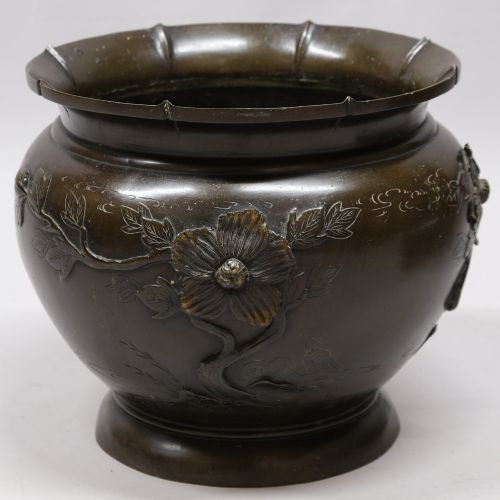
These japanese bronze planter pieces bring sculptural weight and dark patination to interior spaces, forged primarily during the Meiji and Edo periods.
Japanese Bronze Planter
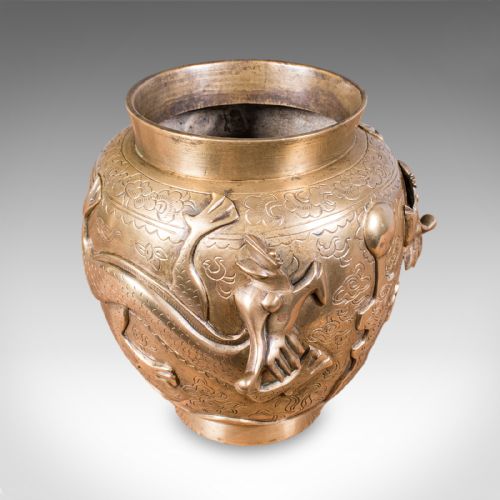
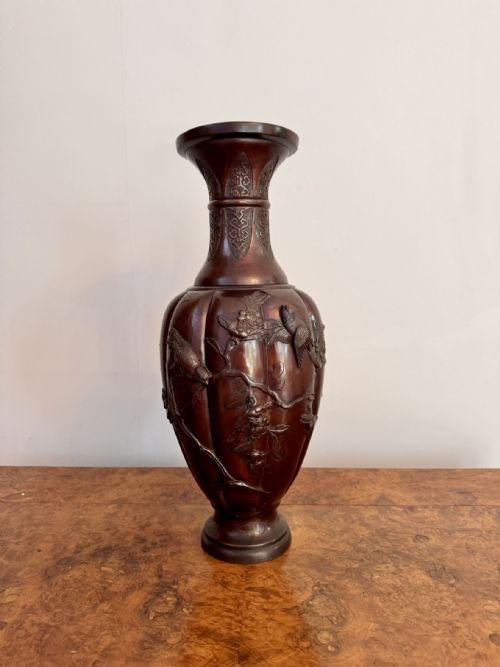
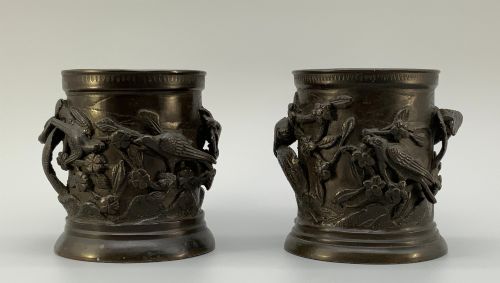
A japanese bronze planter takes the form of a heavy vessel, jardiniere, bowl, or urn designed to hold plants, bonsai, or floral arrangements. Most examples on this page date from the nineteenth century, spanning the Edo and Meiji periods.
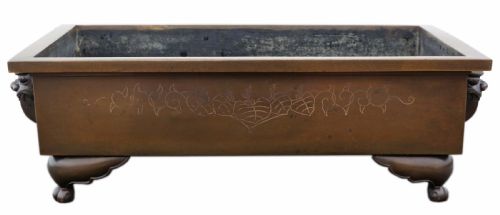
The objects serve diverse traditional functions, including suiban, ikebana containers, hibachi, and Buddhist tearai basins. Makers shaped these pieces as deep bowls or floor-standing vessels intended to anchor domestic and garden displays.
Victorian imports brought these bronze vessels into British homes, where they were repurposed as decorative planters and tree pots. The surviving stock mixes domestic jardinieres with larger urns and censors adapted for botanical use.
Materials and technique
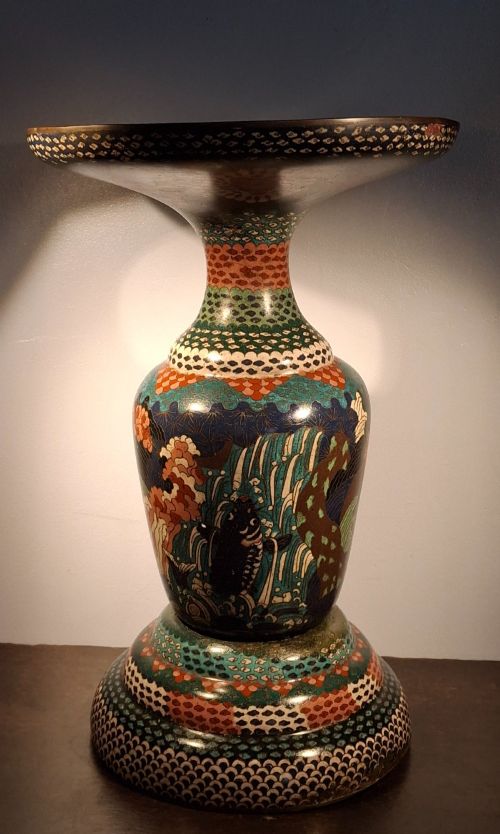
Artisans cast these vessels in bronze, often applying a dark patinated finish to the metal surface. Selected pieces incorporate champleve enamel details to add colour and pattern to the heavy metal body.
Metalworkers utilised traditional casting methods to achieve thick walls and robust rims capable of holding damp soil and water. Mixed metal techniques appear on specific vessels, combining distinct metallic alloys within the same design.
Japanese Bronze Planter Retail Price Guide 2026
Typical asking prices for japanese bronze planter among the pieces listed under this phrase on Sellingantiques today, from the lower quarter to the upper quarter. They describe what is for sale here now, not the wider market.
Several heavy bronze vessels started life as fire pots and incense burners before finding a second career holding parlor ferns.
The markers of distinction
Quality rests in the crispness of the casting and the depth of the patinated bronze surface. Superior examples display clean interior walls and heavy, balanced proportions without structural compromise.
Decoration separates standard utility vessels from exceptional works. Pieces featuring detailed champleve enamel or integrated mixed metal elements represent the upper tier of period production.
Kanazawa Doki Kaisha
The Japanese Bronze Planter Glossary
- Jardiniere
- A large ornamental pot or stand for holding plants or flowers. These vessels form the majority of the bronze items found in this category.
- Suiban
- A shallow basin used for displaying stones or bonsai plants in water. These low vessels appear frequently among traditional Japanese bronze imports.
- Ikebana
- The traditional Japanese art of flower arrangement. Planters designed for this purpose often accommodate specific stems and water volumes.
- Hibachi
- A traditional Japanese heating device consisting of a round, open-topped container. Many surviving examples function well as deep planters.
- Champleve
- An enamelling technique where troughs are carved into the metal surface and filled with vitreous enamel before firing. This method adds colourful detail to bronze vessels.
Japanese Bronze Planter: Frequently Asked Questions
What is a japanese bronze planter?
A japanese bronze planter is a heavy metal vessel cast during the Edo or Meiji periods, designed originally as a jardiniere, hibachi, or water basin.
Over time, these vessels have been adopted globally for housing large indoor plants and botanical displays.
How do I care for my bronze planter?
Protect the interior patinated bronze surface by using a plastic liner rather than planting directly into the metal. Dust the exterior gently with a dry cloth without applying harsh chemical polishes.
Avoid leaving standing water in direct contact with the antique bronze over extended periods.
How do I date a bronze planter?
Examine the casting method, the depth of the bronze patination, and any stylistic markers associated with the Edo and Meiji periods. Nineteenth-century examples often display traditional motifs and heavy proportions.
Documentation or registration marks, where present, help narrow the manufacturing decade.
Were these planters made for export?
Many bronze vessels were produced specifically for Western export during the Meiji period to satisfy Victorian demand for Oriental goods. Other pieces served domestic Japanese functions before entering the European market.
Both categories share traditional casting techniques and robust metal construction.