






Antique Bronze Jardiniere
An antique bronze jardiniere brings sculptural presence to domestic greenery, uniting cast metal with living plants in an enduring display vessel.
Antique Bronze Jardiniere
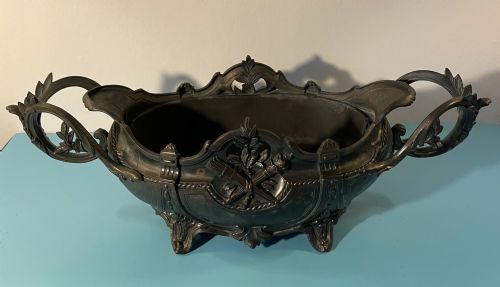
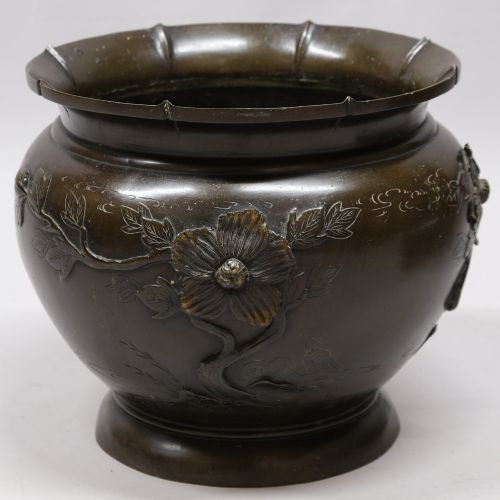
When you search for an antique bronze jardiniere, you encounter vessels designed to hold potted plants, ranging from small desk pots to large floor-standing planters and centrepiece bowls. The selections span diverse origins, encompassing nineteenth-century French salon pieces alongside Japanese Meiji period bronzes and Chinese export works.
You are most likely to meet nineteenth-century French and Japanese examples on this page, reflecting the strong nineteenth-century output in both European ormolu-mounted woods and Asian cast metal. These objects frequently take the form of heavy bowls, cachepots, and low stands intended to display foliage within domestic interiors.
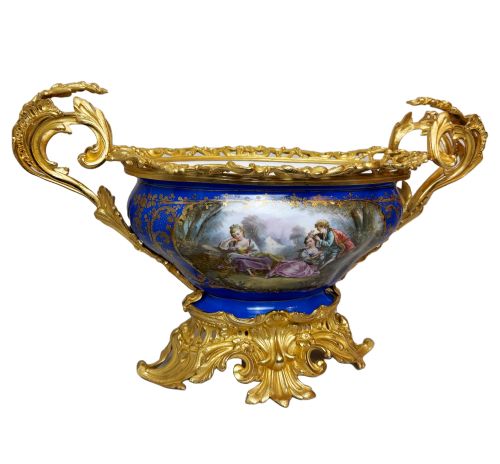
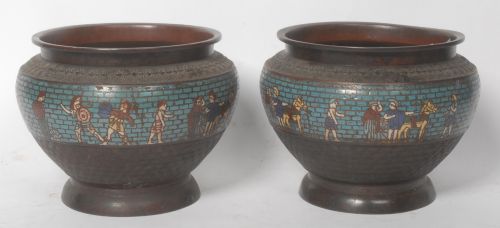
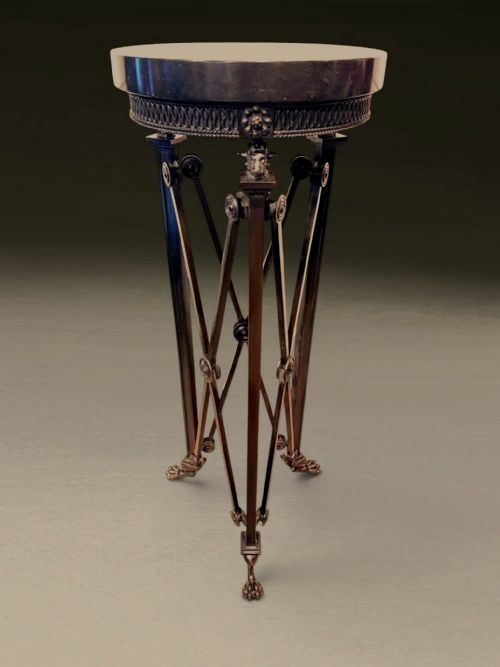
The category extends beyond simple planters to incorporate specialised forms such as wine coolers, cachepots, and table stands that share the heavy cast metal construction characteristic of the phrase. Whether configured as a French Napoleon III gilt bronze bowl or a Japanese Meiji period hibachi, each piece combines utility with decorative ornamentation.
Distinctions in Quality
The standard of an antique bronze jardiniere rests upon the crispness of the metal casting and the depth of the chased surface details. Superior examples display sharply rendered motifs, whether depicting birds, floral arrangements, or neoclassical friezes, without soft edges or obscured lines.
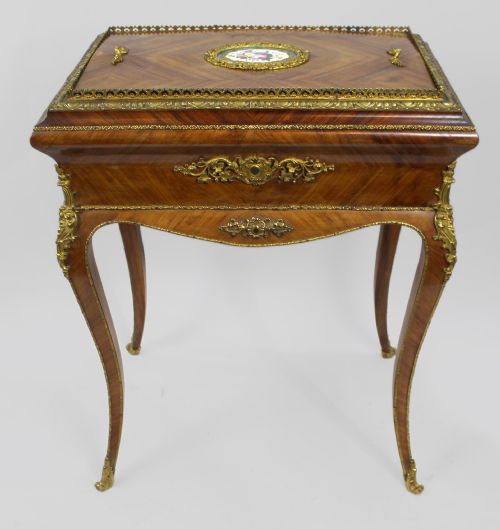
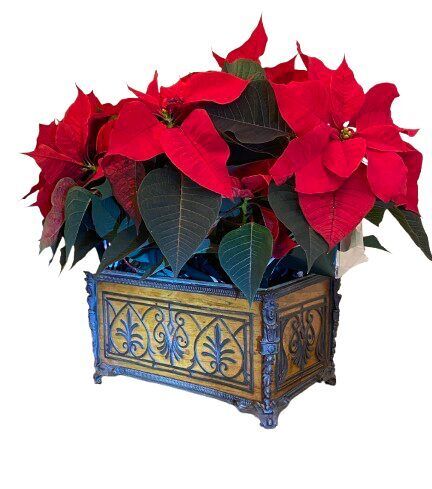
Material integration distinguishes finer vessels, particularly where bronze mounts fit precisely against timber bodies such as kingwood or burr walnut. The weight of the piece, the complexity of enamel work, and the harmonious balance between metal elements and ceramic inserts dictate the overall standing of the object.
Antique Bronze Jardiniere Retail Price Guide 2026
Typical asking prices for bronze jardiniere among the pieces listed under this phrase on Sellingantiques today, from the lower quarter to the upper quarter. They describe what is for sale here now, not the wider market.
Common forms include cachepots, wine coolers, and display tables incorporating kingwood, porcelain, and ormolu mounts.
A Moreau Paris
The Antique Bronze Jardiniere Glossary
- Jardiniere
- A decorative pot or stand designed to hold flowers or growing plants. These vessels appeared in various scales from small table cachepots to large floor planters.
- Ormolu
- Gilt bronze ornamentation applied to furniture, clocks, and decorative containers. This technique involved coating cast bronze in a layer of gold amalgam.
- Champleve
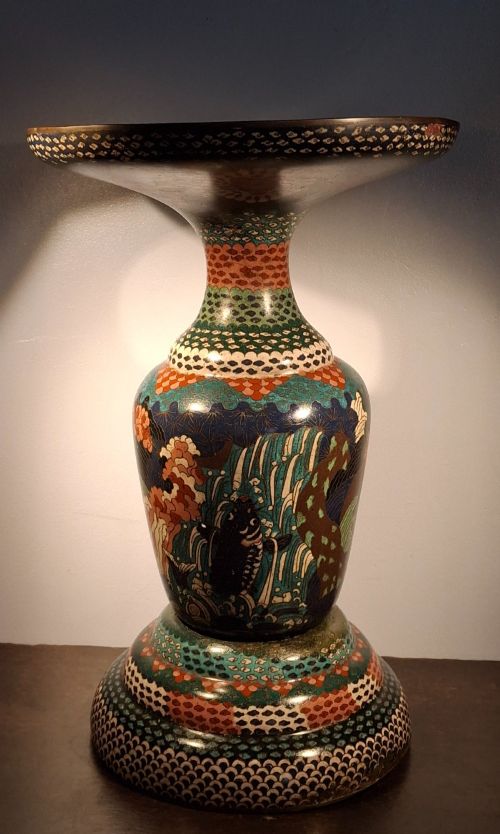
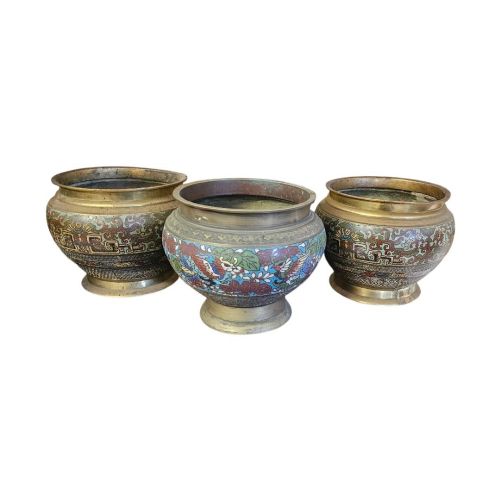
- An enamelling technique where troughs are carved into the metal surface and filled with vitreous enamel before firing. It frequently appears on Chinese export pieces.
- Meiji
- A period in Japanese history spanning from 1868 to 1912 noted for detailed bronze casting and mixed metal decorative arts. Works from this era often feature avian and floral motifs.
- Cachepot
- An ornamental flowerpot cover intended to conceal a plain inner plant pot. These French-derived vessels often lack drainage holes in the base.
Antique Bronze Jardiniere: Frequently Asked Questions
What is an antique bronze jardiniere?
An antique bronze jardiniere is a decorative vessel cast from bronze, utilised historically to house potted plants or floral displays within formal rooms.
These pieces range from small table cachepots to large floor-standing bowls, often incorporating mounts of ormolu, enamel, or fine timber.
How were jardinieres used historically?
In nineteenth-century interiors, these vessels served to bring living plants indoors, functioning as decorative centerpieces on tables or floor pedestals.
They were also adapted as wine coolers or display basins, holding water or ice for entertaining alongside their primary botanical purpose.
How do you distinguish Japanese Meiji bronzes?
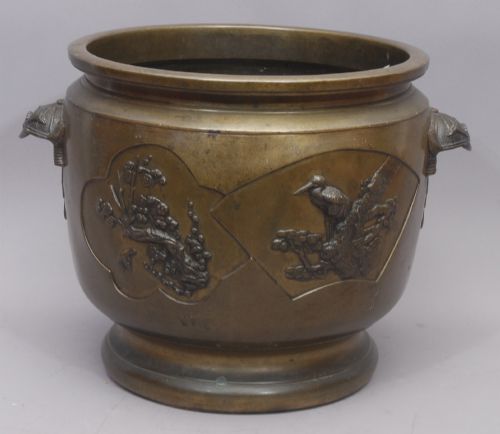
Japanese Meiji period pieces display distinctive mixed metal details, often featuring birds, natural scenes, or specialised forms like hibachi.
These bronzes frequently date from the late nineteenth century and exhibit precise surface chasing and patination distinct from European works.
What are French ormolu mounted planters?
French planters from the nineteenth century frequently combine cast bronze ormolu mounts with exotic woods like kingwood, burr walnut, or ebonised timber.
Styles such as Louis XV and Napoleon III heavily influenced these works, pairing gilt metal mounts with porcelain plaques or marquetry inlay.