



Antique Plant Column
An antique plant column elevates sculpture, porcelain, or foliage, combining architectural presence with utility.
Antique Plant Column
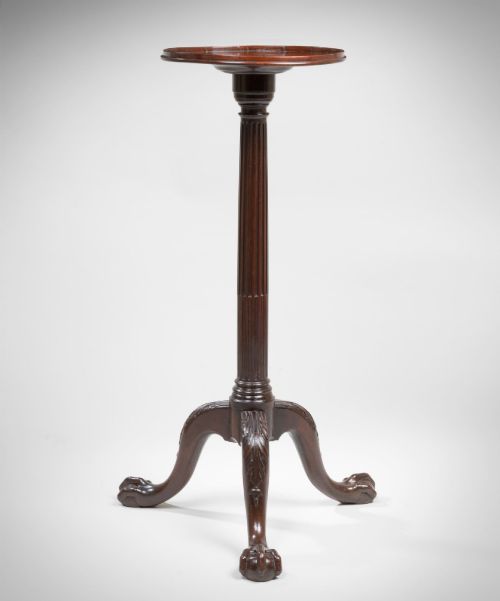
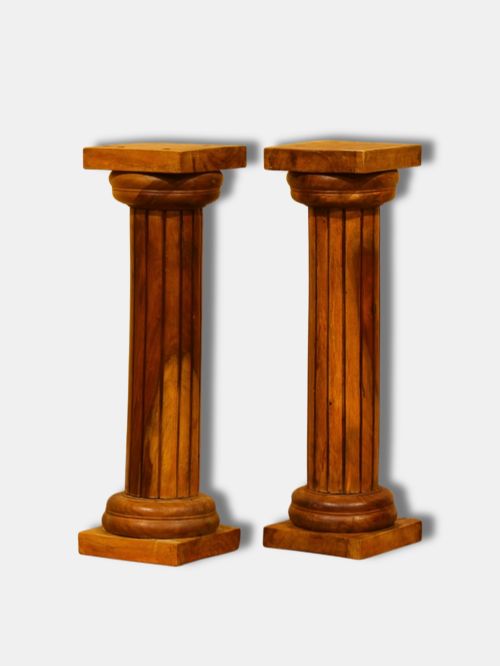
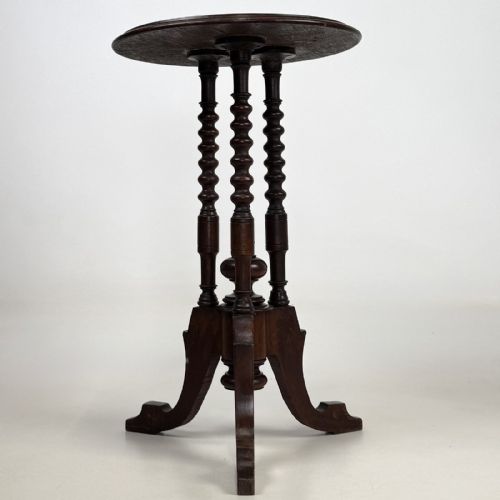
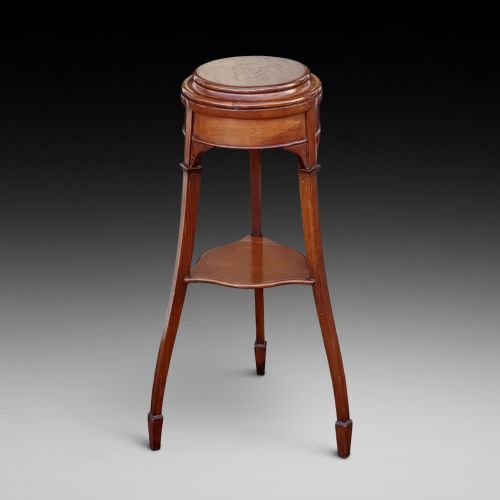
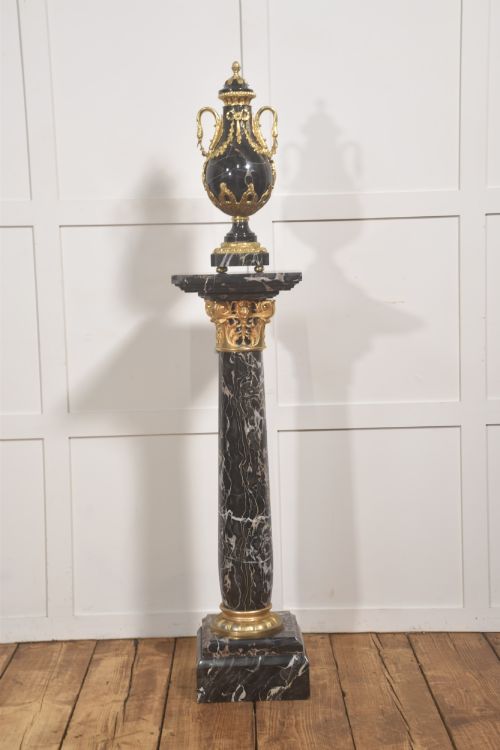
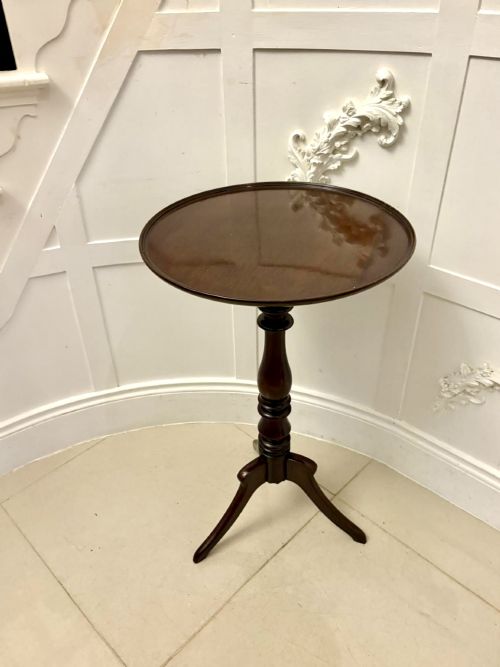
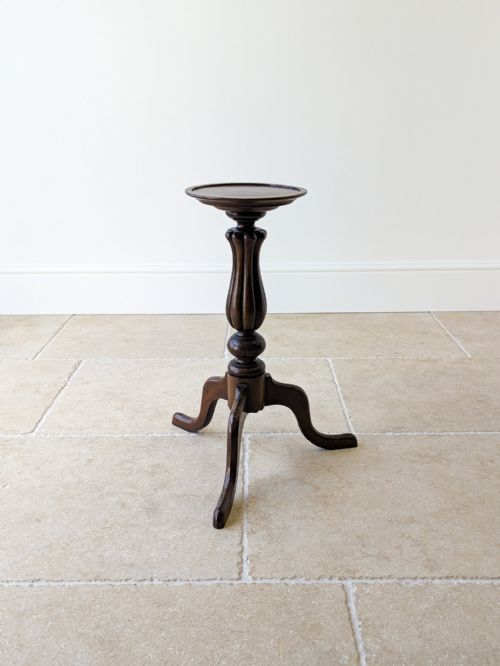
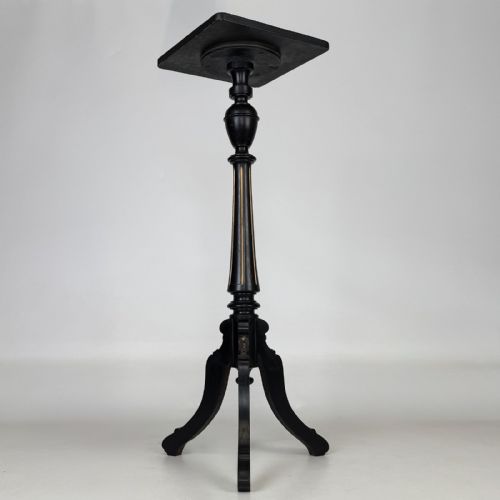
When you search for an antique plant column, you encounter architectural supports designed to elevate greenery, lighting, or sculpture within a room. These forms appear as slender torchères, robust plinths, and classical columns spanning centuries of design.
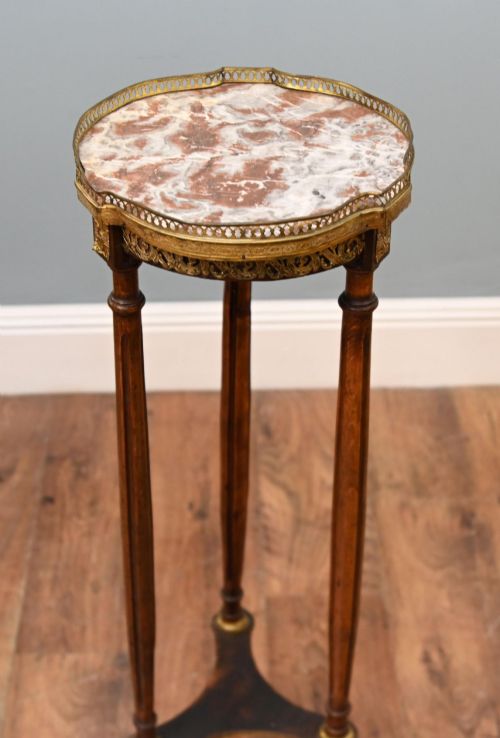
The pieces on this page stem predominantly from the nineteenth and early twentieth centuries, including Victorian and Edwardian examples. You frequently meet mahogany and walnut constructions alongside marble columns fitted with ormolu collars.
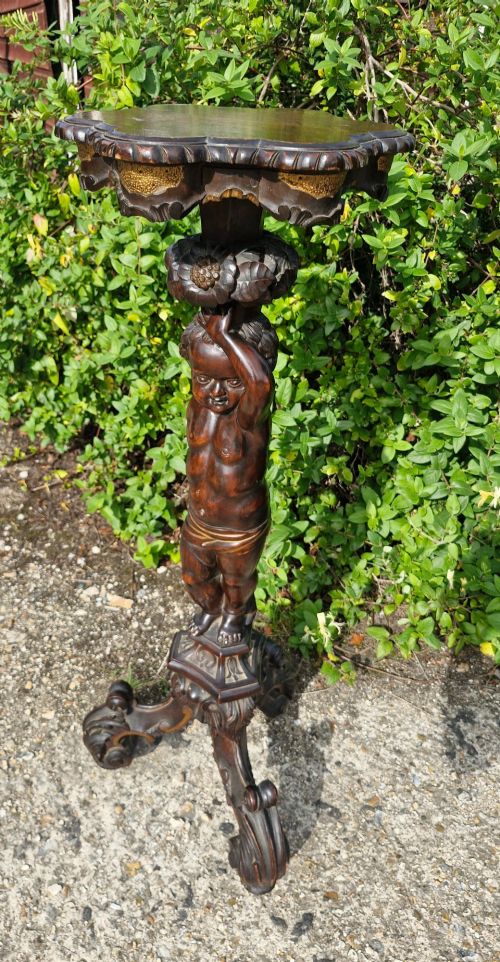
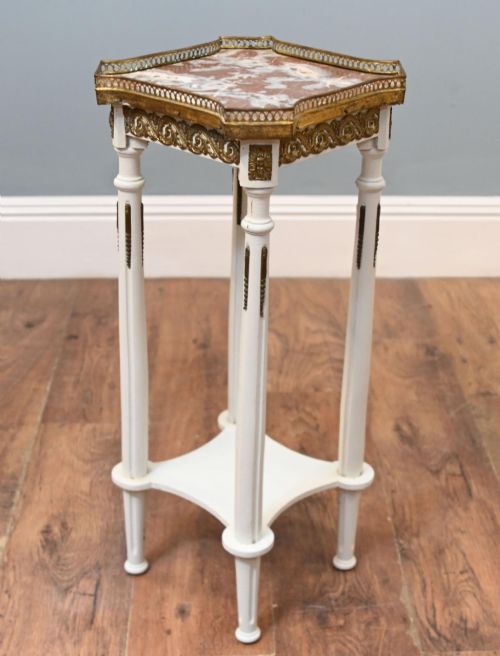
Origin variations range from English mahogany stands to French onyx pedestals and Italian carved walnut examples. Functional adaptations include occasional tables, lamp bases, and display columns for busts.
How they were made
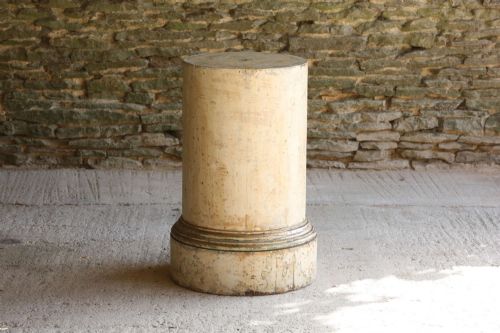
Cabinetmakers utilised dense timbers such as mahogany, satinwood, walnut, and oak, often shaping them via turning or intricate hand carving. Surviving items display inlaid details, ebonised finishes, and original green paint.
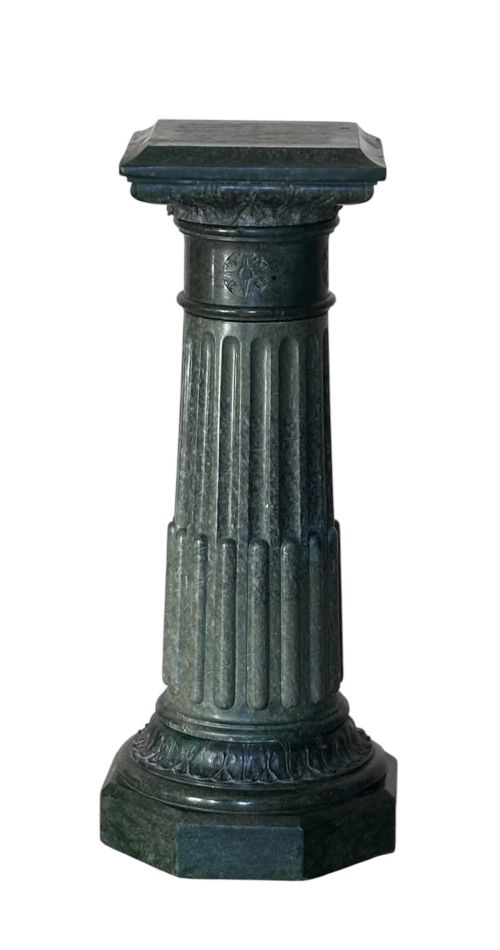
Stone and metal components added structural weight and decorative contrast, pairing marble or onyx sections with cast ormolu collars and bronze mounts. Scagliola and terracotta further expanded the material vocabulary for grand display pieces.
Antique Plant Column Retail Price Guide 2026
Typical asking prices for plant column among the pieces listed under this phrase on Sellingantiques today, from the lower quarter to the upper quarter. They describe what is for sale here now, not the wider market.
Listings feature oak, mahogany, walnut, marble, onyx, bronze, and terracotta across eighteenth, nineteenth, and twentieth-century periods.
What varies in quality
The distinction between standard utility items and superior examples lies in the ambition of the carving and the selection of materials. Figural carving, Solomonic twisting, and matched pairs demonstrate higher workshop output.
Surface preservation dictates overall character, distinguishing pieces retaining untouched patination from those with altered finishes. The integration of contrasting elements, such as marble tops paired with ormolu, elevates the visual impact.
Shoolbred·George Smith·Thomas Hope
The Antique Plant Column Glossary
- Torchère
- A tall, slender stand designed to support a candle, lamp, or plant. These pieces usually feature a circular top supported by a single pillar and tripod feet.
- Ormolu
- Gilded bronze mounts applied to furniture and decorative columns. This French technique adds metallic highlights to wood and stone structures.
- Solomonic
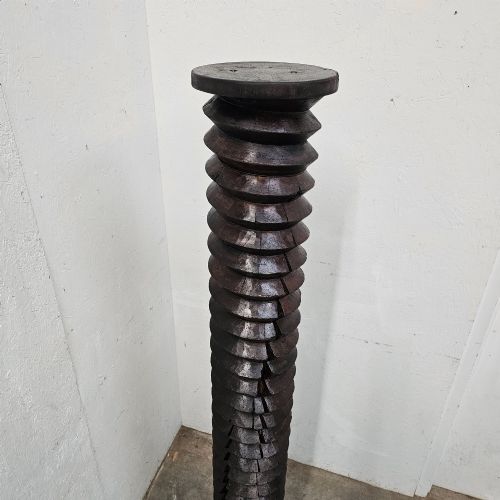
- A helical column twist resembling a spiral vine. This classical form creates dynamic movement in carved wood examples.
- Scagliola
- A composite material made from selenite, glue, and pigments, mimicking natural marble. Artisans utilised this technique to produce decorative display columns.
- Plinth
- A heavy rectangular or square base supporting a column or bust. This architectural element provides stability for heavy ornaments.
Antique Plant Column: Frequently Asked Questions
How were plant columns originally used?
These pieces served to elevate potted plants, jardinières, and torchères near windows or in drawing rooms to catch natural light. They also supported lamps, wine bottles, or decorative busts.
By raising objects off the floor, interiors gained vertical dimension and architectural focal points. Wealthy households deployed them across hallways and reception rooms to display prized art.
How do I style an antique column today?
Position a standalone column in an empty corner to anchor the space with vertical lines. Pair mahogany or walnut stands with trailing foliage or contemporary ceramics to create visual contrast.
Marble and onyx columns work effectively as pedestals for modern sculptures or bronze figures. Ensure the height of the piece complements surrounding furniture.
How can I tell Victorian from Edwardian stands?
Victorian columns tend to feature heavier carved mahogany, darker timber tones, and robust classical proportions. Details often include elaborate drapery, acanthus leaves, or ebonised finishes.
Edwardian examples frequently utilise lighter satinwood, simpler inlay work, and refined Edwardian or Arts and Crafts aesthetics. These later pieces often exhibit a more restrained silhouette.
What maintenance do wood and marble columns need?
Dust timber surfaces regularly with a soft cloth and apply quality beeswax periodically to nourish the grain. Keep wooden stands away from direct heat sources to prevent timber splitting.
Clean marble or onyx tops using a damp cloth without harsh chemical detergents. Secure any loose ormolu collars gently to avoid damaging the surrounding stone or wood.