
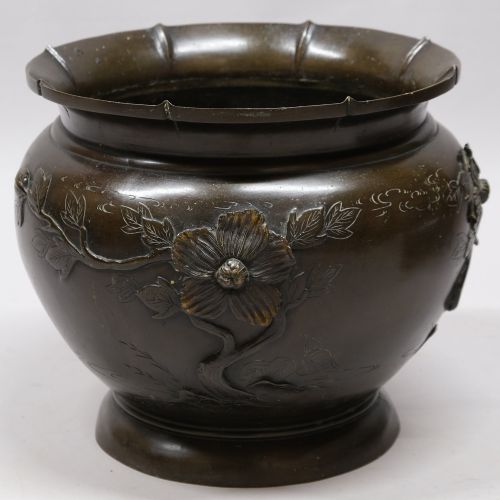


Dark Bronze Planter
A dark bronze planter brings weight and ancient gravity to a room, holding greenery within patinated metal shaped by nineteenth-century founders.
Dark Bronze Planter
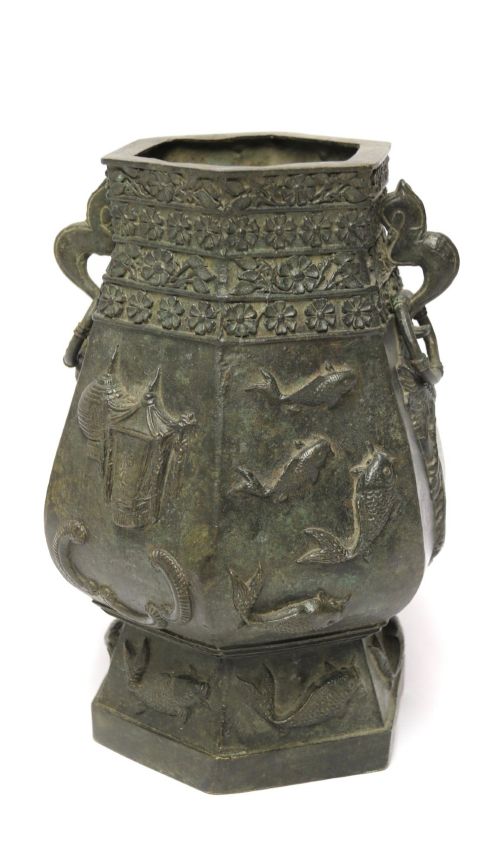
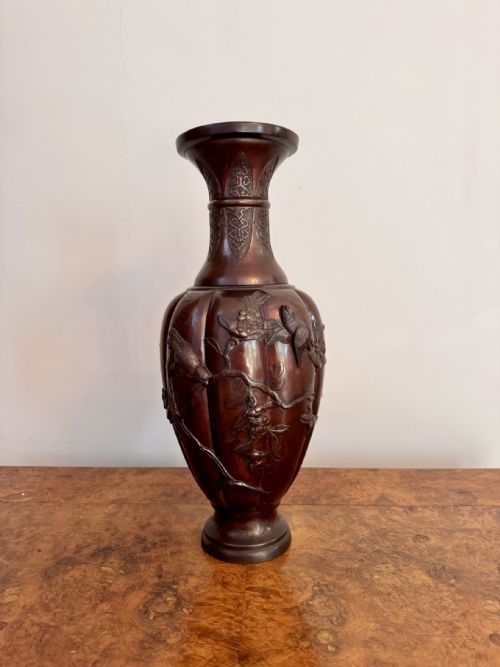
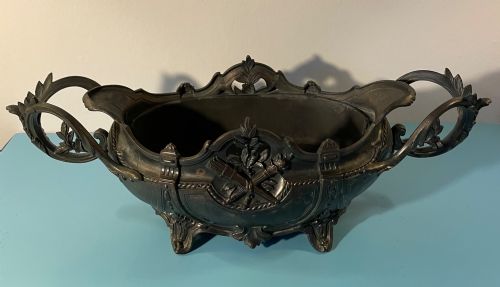
A dark bronze planter encompasses heavy metal vessels, jardinieres, bowls, and campana urns designed to hold plants or stand as architectural display pieces. The items seen here span the nineteenth century, including Victorian Grand Tour pieces, French revival designs, and Japanese Meiji period or late Edo bronze works.
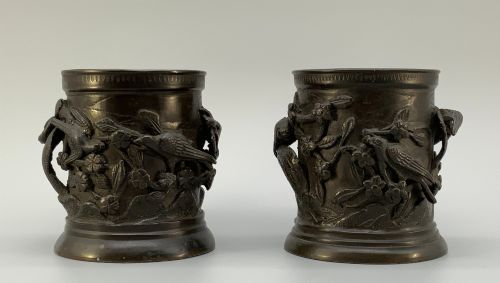
Buyers encounter Japanese jardiniere bowls adorned with birds and blossom alongside French neoclassical campana urns and Chinese solid bronze vessels. These objects range from compact stem vases to substantial multi-kilogram bowls intended for floral arrangements or interior display.
How they were made
Founders cast these pieces using bronze, patinated bronze, brass, spelter, and cast metal, sometimes incorporating marble bases or champleve enamel details. Metalwork techniques varied from sand casting and lost-wax methods to sectional construction seen in larger Chinese vessels.
Surfaces received patination treatments to achieve deep, dark tones, while Japanese artisans applied incised or relief detailing depicting natural motifs such as birds and blossom.
Dark Bronze Planter Retail Price Guide 2026
Typical asking prices for dark bronze planter among the pieces listed under this phrase on Sellingantiques today, from the lower quarter to the upper quarter. They describe what is for sale here now, not the wider market.
Object forms on this page include campana urns, jardiniere bowls, stem vases, and sectional vessels from European and Asian origins.
What varies in quality
Subtlety of surface patination and crispness of cast detail separate ordinary containers from exceptional nineteenth-century examples. The weight of the metal and the depth of relief work, particularly on Japanese Meiji period pieces and French campana urns, dictate the standing of a vessel.
Proportion and decorative restraint govern the distinction between standard decorative items and superior Grand Tour or oriental bronzes. Pieces displaying balanced form and integrated handles or mounts command greater attention from collectors.
The Dark Bronze Planter Glossary
- Campana urn
- A bell-shaped classical vessel used on the Grand Tour and adopted in nineteenth-century French and English interiors.
- Jardiniere
- An ornamental pot or stand designed to hold indoor plants or floral arrangements.
- Meiji period
- The era in Japanese history spanning from eighteen sixty-eight to nineteen twelve, known for accomplished bronze casting.
- Champleve
- An enamelling technique where troughs are carved into the metal surface and filled with vitreous enamel before firing.
- Grand Tour
- A traditional trip through Europe undertaken by upper-class young men in the eighteenth and nineteenth centuries, resulting in the acquisition of classical antiquities and bronze replicas.
Dark Bronze Planter: Frequently Asked Questions
What is a dark bronze planter used for?
These metal vessels served historically as jardinieres for holding potted plants, floral arrangements, or water plants inside grand rooms.
Today they function similarly as decorative cachepots or stand alone as sculptural objects upon tables and pedestals.
How do I date a bronze jardiniere?
Dating relies upon stylistic markers such as neoclassical motifs, Victorian proportions, or Japanese Meiji period iconography.
Examining casting methods, joinery in sectional pieces, and the depth of the metal patination also helps determine the period.
Are these pieces made of solid bronze?
Many items listed consist of solid cast bronze or heavy patinated bronze, while others utilise brass, cast metal, or spelter.
Weight provides a primary indicator of material density, with larger vessels often weighing several kilograms.
How do I care for an antique bronze bowl?
Maintenance requires gentle dusting with a soft, dry cloth to protect the historic patinated surface from abrasion.
Avoid chemical polishes or abrasive cleaners that strip the aged finish and dark coloration.