
Antique Bronze Centrepiece
An antique bronze centrepiece commands the middle of a dining table or sideboard, bringing heavy metalwork and glass together to hold fruit or flowers.
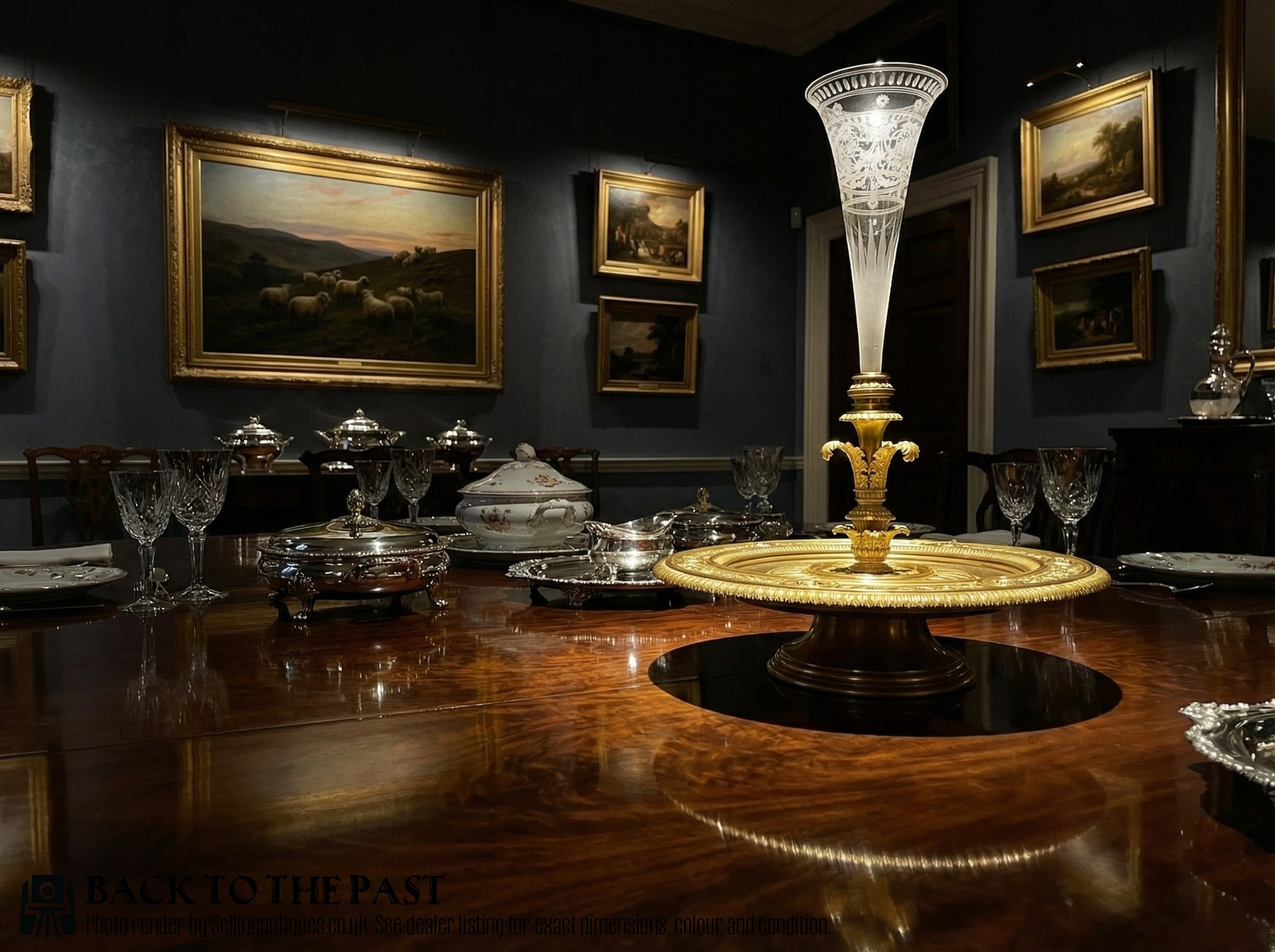
Antique Bronze Centrepiece
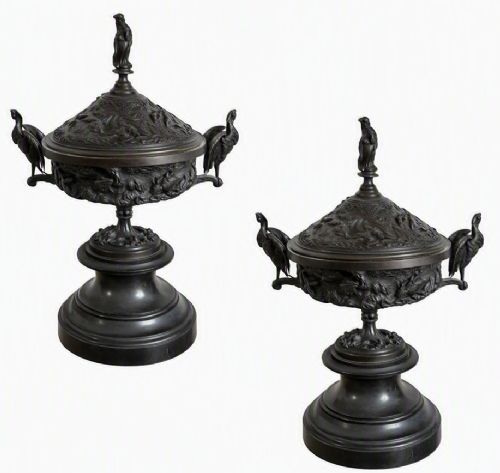
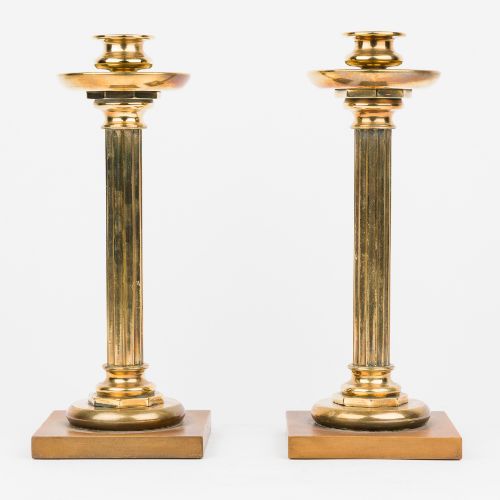
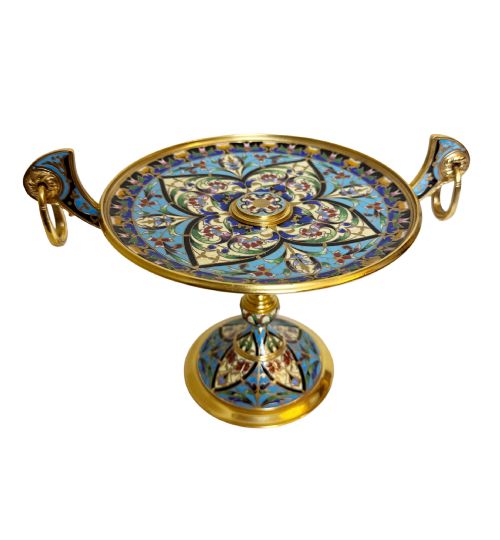
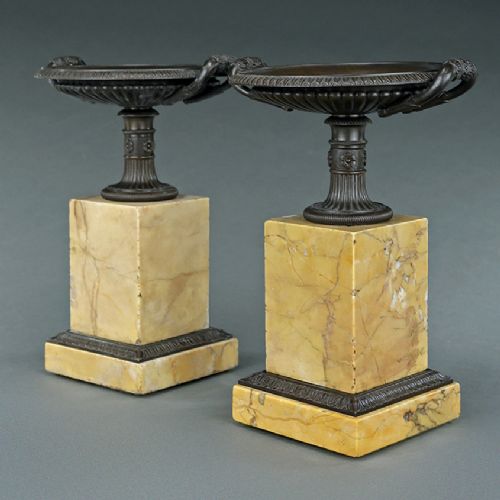
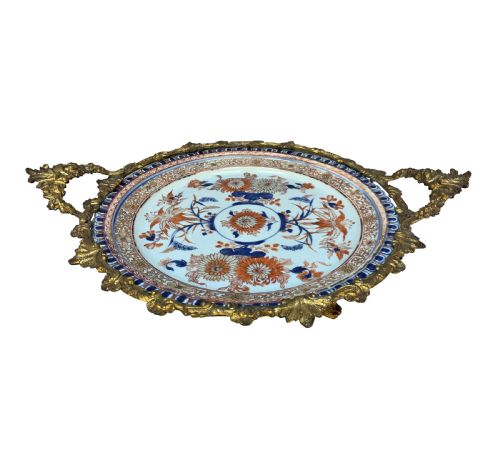
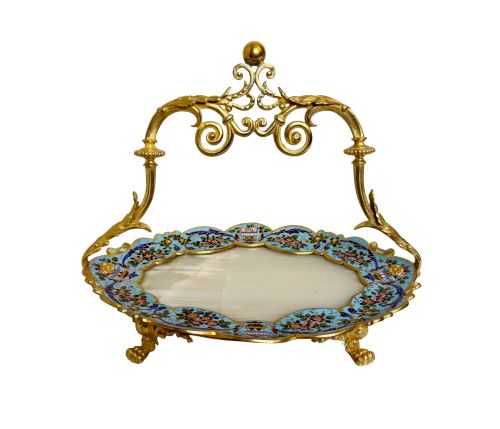
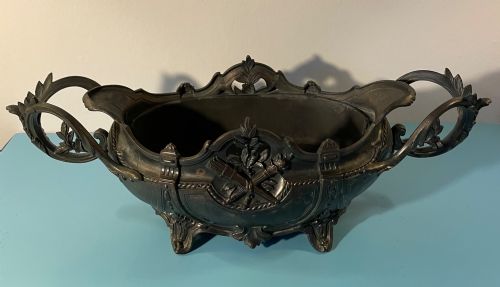
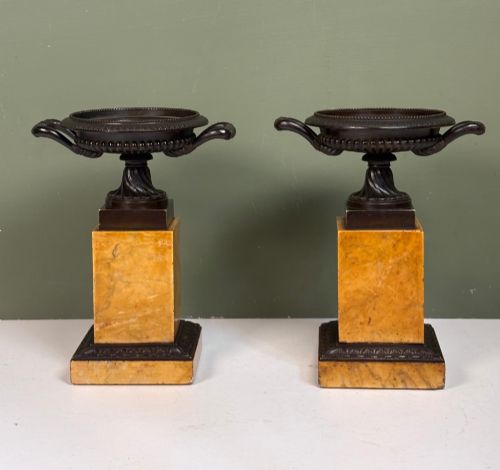
When you search for an antique bronze centrepiece, you find decorative vessels designed to anchor a room, table or sideboard. These objects take the form of tazzas, pedestal bowls, planters, trays and urns intended to hold fruit, flowers or simply display craftsmanship.
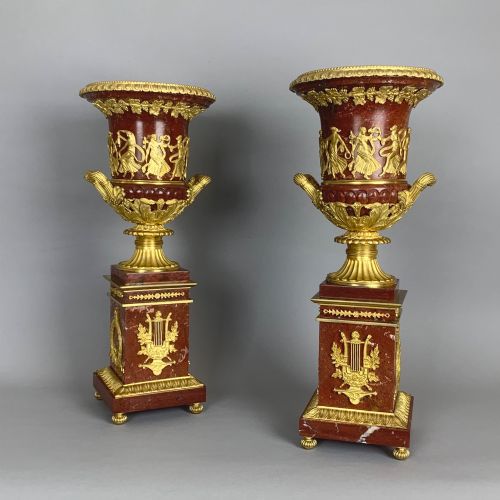
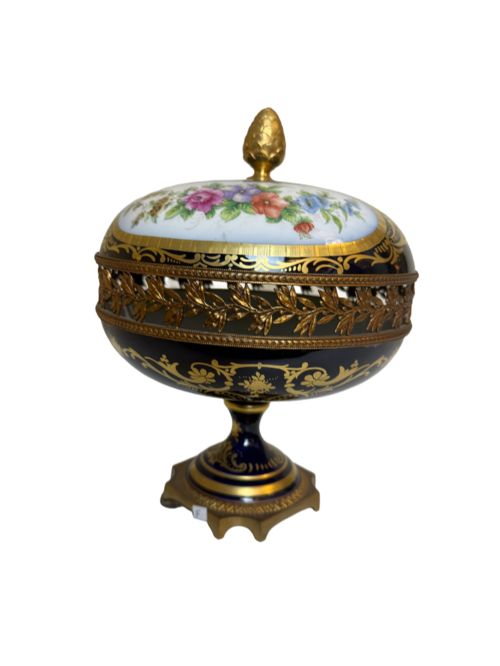
The pieces appearing on this page originate predominantly from nineteenth-century French makers working in styles such as Empire, Rococo Revival, Régence and Neoclassical. They combine heavy cast metal with contrasting materials like marble, crystal, porcelain and onyx.
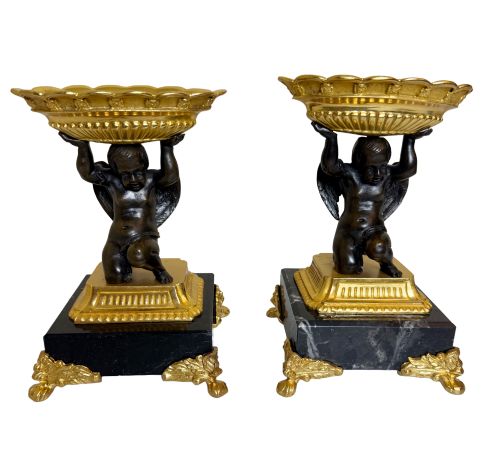
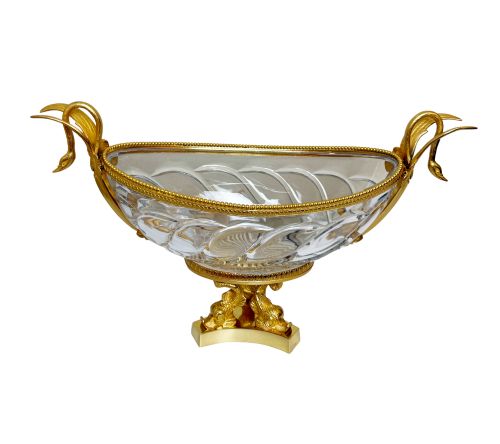
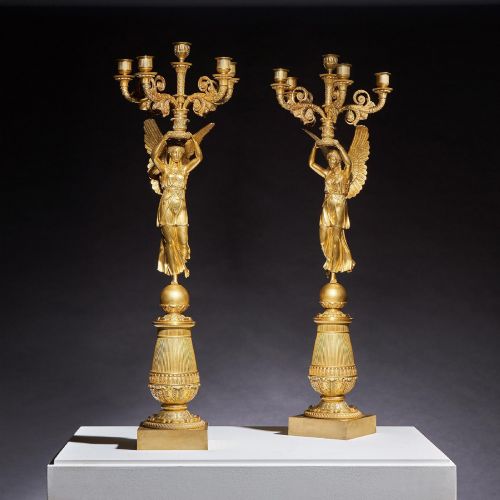
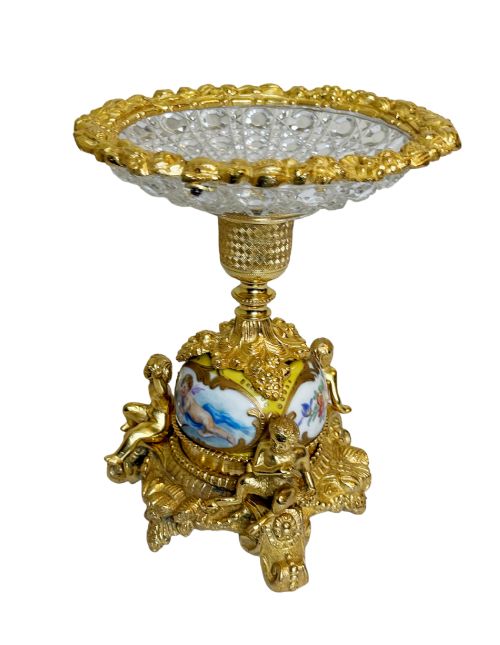
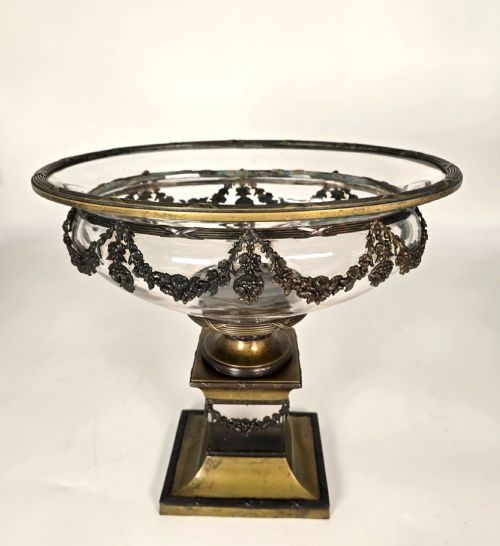
You will encounter items featuring patinated bronze alongside heavily gilded surfaces known as ormolu. Many incorporate glass bowls or crystal inserts supported by elaborate cast frames decorated with cherubs, foliage or geometric patterns.
How they were made
Foundries produced these pieces using traditional sand casting or lost-wax techniques to shape the bronze components. Craftsmen then chased and filed the metal surfaces by hand to sharpen the cast details before applying patination, silvering or mercury gilding to create ormolu.
Makers combined the cast bronze mounts with hand-cut crystal, pressed glass, porcelain or carved hardstones like marble and onyx. Metal frames, claws and handles were secured using threaded screws and pins to hold the glass or ceramic vessels firmly in place.
Antique Bronze Centrepiece Retail Price Guide 2026
Typical asking prices for bronze centrepiece among the pieces listed under this phrase on Sellingantiques today, from the lower quarter to the upper quarter. They describe what is for sale here now, not the wider market.
Several bronze centrepieces enlist winged cherubs and elephants to hold up your fruit.
What varies in quality
The crispness of the chasing separates standard foundry work from exceptional output. Superior pieces show deeply carved foliage, smooth contours and finely detailed figures where the metalworker spent hours refining the raw cast.
The weight of the bronze and the choice of secondary materials dictate the grade of the piece. Heavy gauge mounts combined with thick cut crystal, hand-painted porcelain or solid marble bases indicate higher production standards than lighter, thinner alloy frames.
Jules Moigniez·Pierre Philippe Thomire·Lerolle Fres
The Antique Bronze Centrepiece Glossary
- Ormolu
- Gilt bronze produced by applying a mercury and gold amalgam to a bronze base and firing it in a kiln. This technique creates a durable, rich golden finish characteristic of French decorative arts.
- Tazza
- A shallow bowl or dish mounted on a stem and foot. These pieces were frequently used as centrepieces to display fruit or sweetmeats on nineteenth-century dining tables.
- Champlevé
- An enamelling technique where troughs or cells are hollowed out of the metal surface and filled with coloured glass paste before firing. It is commonly found on late nineteenth-century bronze trays and bowls.
- Epergne
- A large table centrepiece featuring a central bowl with multiple branching arms supporting smaller baskets or dishes. They were traditionally used for serving fruit, sweets or flowers.
- Patinated bronze
- Metal that has been treated with chemical solutions to produce a controlled surface colour ranging from dark brown to green. This contrasts with the bright reflective finish of gilding.
Antique Bronze Centrepiece: Frequently Asked Questions
What is a bronze centrepiece used for?
These vessels were placed in the middle of dining tables or reception room sideboards as decorative focal points. They frequently held fruit, flowers or sweetmeats during formal meals and gatherings.
Over time their function shifted towards purely decorative display. Collectors today place them on side tables, mantels or dining surfaces to showcase nineteenth-century metalwork.
How do I clean an ormolu centrepiece?
Dust the bronze gently with a soft dry brush to remove surface particles. Avoid chemical polishes or water, which can strip the delicate gold layer or damage underlying patination.
Glass inserts and crystal bowls can be removed and washed separately in warm soapy water. Ensure the glass is completely dry before placing it back into the metal mount.
What periods do these centrepieces come from?
The pieces available span the nineteenth century, with strong representation from the Regency period, the Victorian era and the Belle Époque. French workshops dominated production during these decades, drawing on earlier Empire and Rococo styles.
Later examples extend into the early twentieth century, including Art Deco designs from the 1920s. These twentieth-century pieces often incorporate simpler geometric lines and coloured glass.
Are the glass bowls original to the bronze stands?
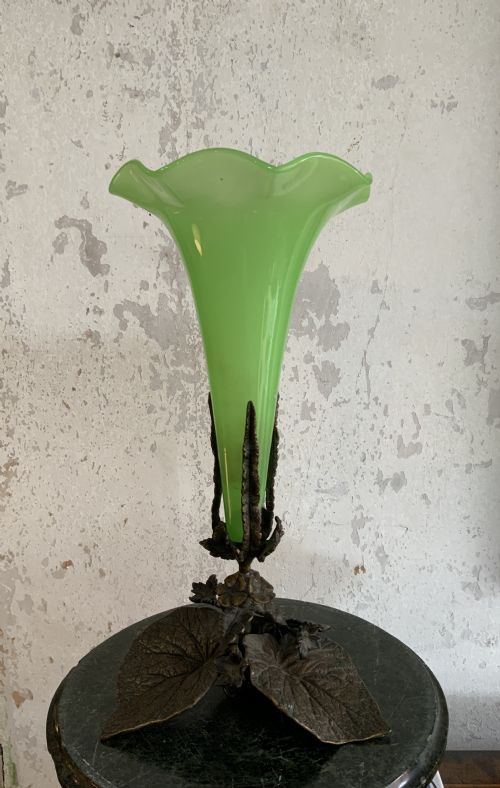
Many centrepieces retain their original hand-cut crystal, pressed glass or uranium glass inserts made specifically to fit the bronze frames. The contours and weight of the glass usually match the tolerance of the metal mounts.
Replacement glass inserts are common due to the fragile nature of nineteenth-century tableware. Examine how the bowl sits within the bronze claws or rim to check the fit.