





Dark Bronze Basin
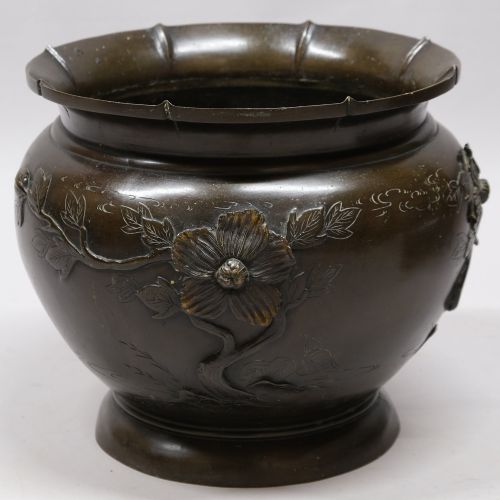
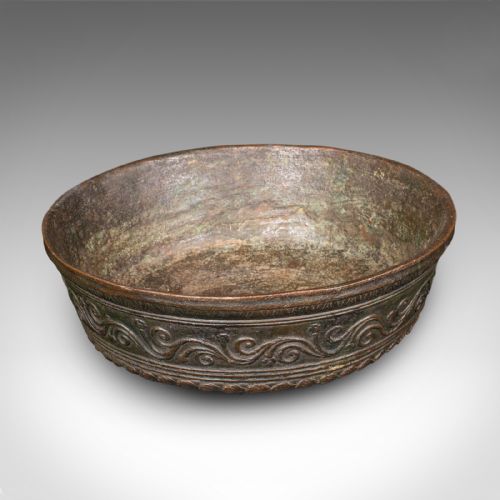
These dark bronze basin examples are heavy metal vessels shaped for display and utility, bringing historic Asian and European craftsmanship into modern rooms.
Dark Bronze Basin
When you search for dark bronze basin, you encounter a selection of heavy metal vessels including decorative bowls, planters, and jardinieres. These pieces originate from various eras such as the 18th century, Georgian, and Victorian periods, alongside Japanese Edo and Meiji periods and Chinese Qing dynasties.
The most common forms on this page are Japanese bronze bowls and large planters designed for botanical display or ceremonial use like a Buddhist tearai. They range from Grand Tour sculptures to heavy Chinese bowls dating from around eighteen-fifty to nineteen-ten.
Makers and origins span multiple continents, bringing together distinct cultural aesthetics from European Grand Tour items to Eastern Asian metalwork. Each piece serves as a functional bowl or a decorative focal point with deep patinated surfaces.
What Varies in Quality
The standard of a dark bronze basin rests upon the weight of the metal and the crispness of the casting. Heavier pieces, such as those weighing several kilograms, demonstrate substantial material substance.
Surface finish and patination depth distinguish finer examples from simpler vessels. The integration of period-specific ornamentation and decorative detail elevates certain pieces above standard utilitarian bowls.
Dark Bronze Basin Retail Price Guide 2026
Typical asking prices for dark bronze basin among the pieces listed under this phrase on Sellingantiques today, from the lower quarter to the upper quarter. They describe what is for sale here now, not the wider market.
Listings include items from the Victorian, Georgian, Edo, and Meiji periods, fashioned from bronze, patinated bronze, brass, and wood.
The Dark Bronze Basin Glossary
- Bronze
- An alloy consisting primarily of copper, commonly combined with tin. It provides the heavy, durable structure for these basins and bowls.
- Jardiniere
- An ornamental pot or stand for holding plants or flowers. These items often feature wide mouths and substantial depths for botanical arrangements.
- Patinated Bronze
- Bronze treated with chemicals or heat to produce a dark, aged surface colour. This finish protects the underlying metal while enhancing visual depth.
- Meiji Period
- A Japanese historical era lasting from eighteen-sixty-eight to nineteen-twelve. Metalwork from this time exhibits refined casting and decorative techniques.
- Edo Period
- A period in Japanese history spanning from sixteen-thojis to eighteen-sixty-eight. Pieces from this era often display traditional forms and archaic stylistic influences.
Dark Bronze Basin: Frequently Asked Questions
What is a dark bronze basin used for?
These vessels function primarily as decorative bowls, planters, or jardinieres for displaying plants and floral arrangements inside the home.
Historically, certain forms also served ceremonial purposes, such as Buddhist tearai water basins, combining utility with spiritual significance.
How do I date a bronze bowl?
Dating relies on stylistic markers, historical periods associated with the piece, and specific manufacturing traits recorded in the listing.
Eras such as the Edo period or Victorian era carry distinct aesthetic qualities that help place the object in time.
Are these basins suitable for plants?
Many of these heavy bronze vessels are built as jardinieres and planters designed specifically to hold potted plants.
Their robust metal construction and generous size make them practical containers for botanical displays indoors.
What causes the dark colour on bronze?
The dark tone on these bowls results from patination, which is a chemical or natural ageing process applied to the metal surface.
Over time, exposure and deliberate finishing create deep patinas that protect the bronze and give it character.