






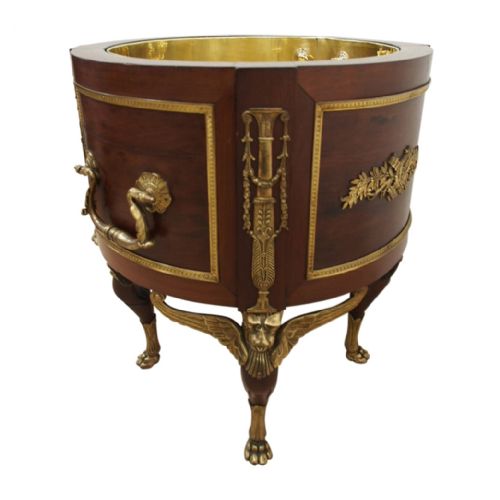


Bronze Planter Trough
These bronze planter trough designs bring refined botanical display into interiors, combining durable metal construction with decorative craftsmanship.
Bronze Planter Trough
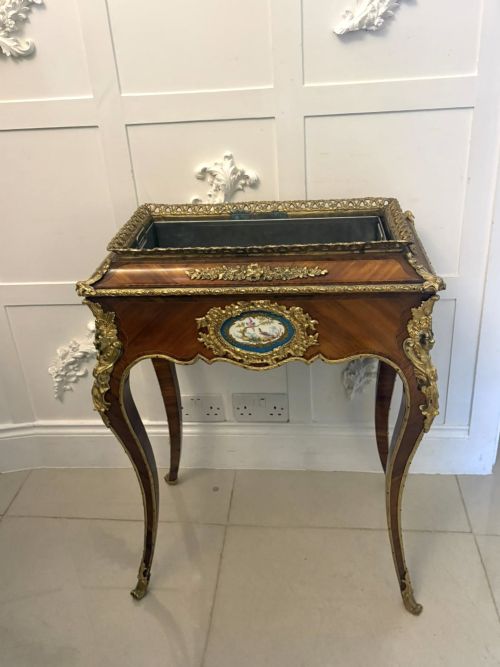
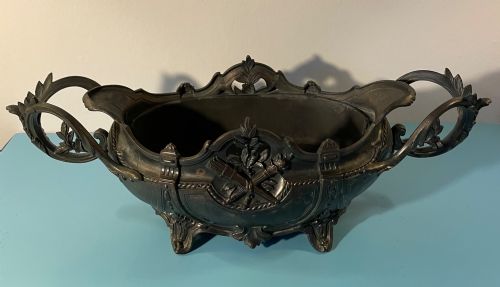
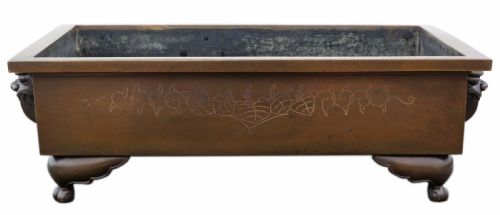
A bronze planter trough serves as an ornamental vessel for indoor greenery, uniting function with decorative metalwork. When searching for a bronze planter trough, collectors encounter various forms ranging from French revival jardinières to Japanese bronze bowls.
The pieces on this page span the nineteenth and twentieth centuries, including Victorian, Edwardian, and Meiji period examples. Makers utilised diverse timber bodies alongside metal work, creating rectangular and bowl-shaped vessels.
French styles heavily influence the selection, featuring Louis XV and Louis XVI motifs alongside Empire revival pieces. Japanese items introduce distinct sculptural bowls designed for traditional display.
Materials and construction methods
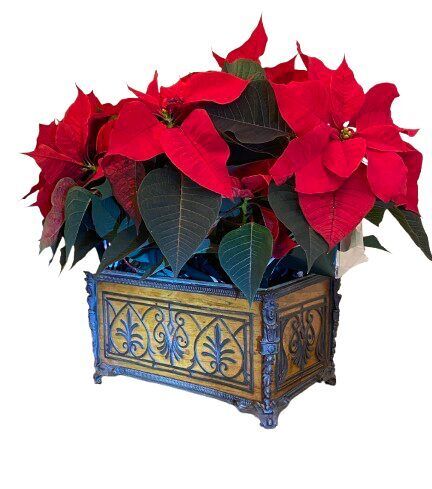
Foundry cast bronze forms the primary metal structure for many troughs, complemented by cast iron and gilt metal mounts. Artisans employed detailed casting techniques to produce figurative elements, such as lion ornaments and intricate scrollwork.
Cabinet makers constructed timber bodies using mahogany, satinwood, burr walnut, kingwood, and olive wood. These wooden troughs frequently incorporate cast or chased ormolu mounts fixed directly to the exterior surfaces.
Liners made of zinc or similar metals often protected the underlying wood and bronze from moisture damage during plant display. Workshops combined these disparate materials to achieve balanced decorative objects.
Bronze Planter Trough Retail Price Guide 2026
Typical asking prices for bronze planter trough among the pieces listed under this phrase on Sellingantiques today, from the lower quarter to the upper quarter. They describe what is for sale here now, not the wider market.
Some bronze troughs double as ferocious beasts, incorporating cast lions to guard your ferns.
Distinguishing quality in metalwork and timber
The crispness of the casting separates standard metalwork from finer examples, visible in the depth and sharpness of chased details on bronze mounts. Heavy gauge bronze and substantial cast iron demonstrate superior structural integrity.
Timber selection dictates the refinement of wooden troughs, where choice veneers like burr walnut or kingwood display careful grain matching. The integration between the timber body and the metal mounts indicates the skill of the original workshop.
The Bronze Planter Trough Glossary
- Ormolu
- Gilt bronze mounted onto furniture and decorative objects through a mercury amalgamation process or modern electroplating. This technique provides a bright gold-coloured finish that contrasts with dark wood or patinated bronze.
- Jardiniere
- An ornamental pot or stand designed specifically for holding plants and flowers indoors. These vessels often take trough or bowl forms.
- Suiban
- A shallow Japanese basin traditionally used for arranging cut flowers or displaying stones in water. These bronze vessels form part of traditional Japanese floral arts.
- Meiji Period
- An era in Japanese history spanning from eighteen sixty-eight to nineteen twelve characterised by widespread modernisation and exceptional metalwork production.
Bronze Planter Trough: Frequently Asked Questions
How were these troughs used?
These vessels held potted plants or served as water containers for floral arrangements inside formal rooms. They protected tabletops while displaying greenery.
Many featured internal metal liners to contain soil and moisture, preserving the wooden or bronze outer structure from water damage during daily use.
What materials predominate?
Bronze and ormolu appear frequently alongside secondary woods like mahogany, walnut, and kingwood. Cast iron also forms heavier ornamental pieces.
Workshops combined these media to create contrasting textures, pairing patinated metal with polished timber bodies.
How do I date a piece?
Stylistic indicators such as French revival motifs or Meiji period aesthetics provide primary chronological clues. Materials and construction methods also align with specific nineteenth and twentieth-century decades.
Examining the casting quality and timber preparation helps place the object within its historical manufacturing window.
Where were they made?
Origin points span French workshops producing Louis XV and XVI revival items alongside English makers crafting cast iron examples. Japanese foundries produced distinct bronze bowls during the Meiji and Edo periods.
International trade and design influences distributed these diverse stylistic approaches across European and Asian markets.