



Japanese Bronze Vessel
A Japanese bronze vessel brings weight and rich patination to a room, offering the disciplined metalwork of the Edo and Meiji periods.
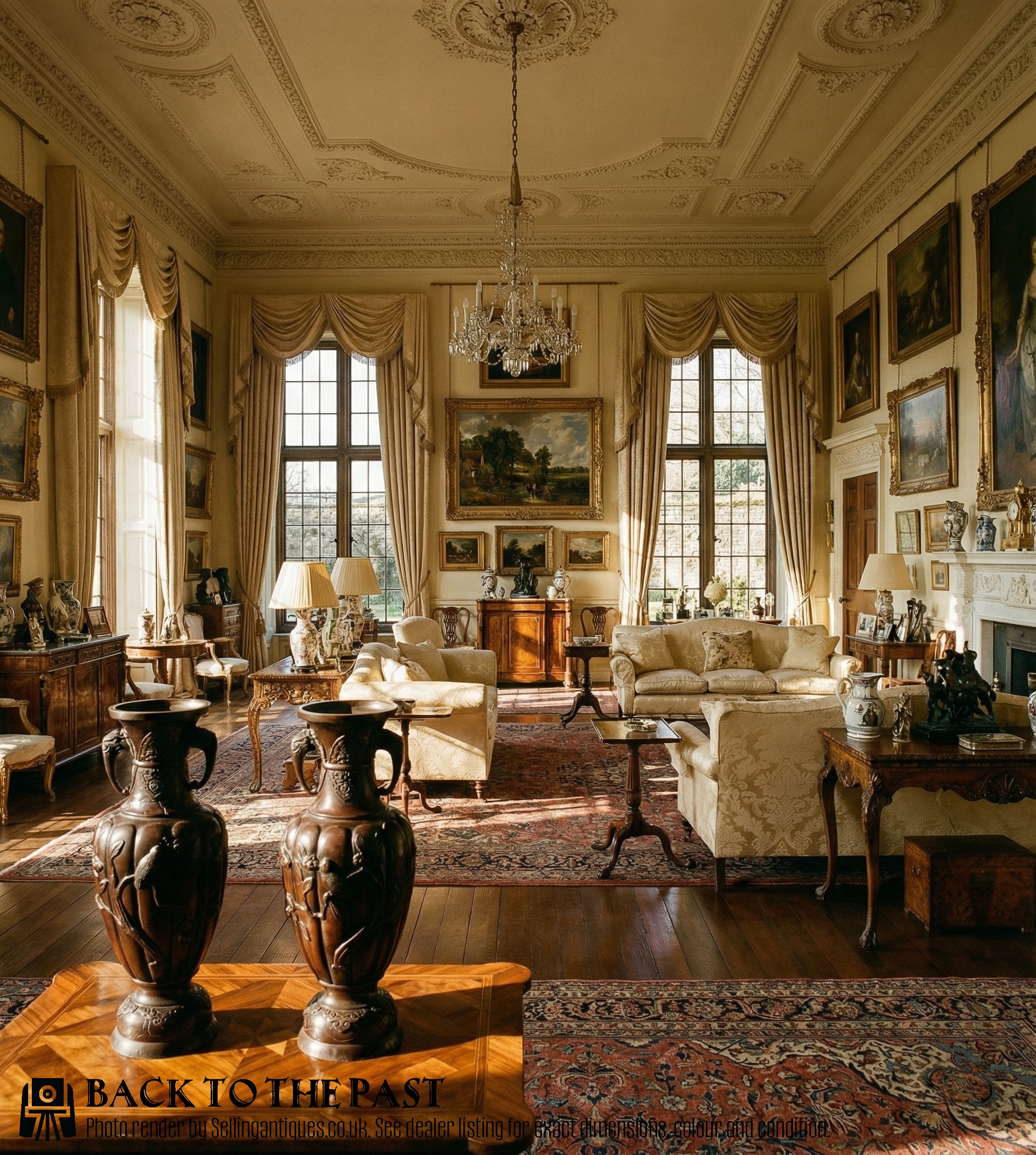
What these pieces are
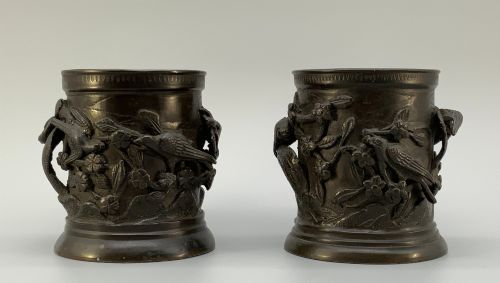
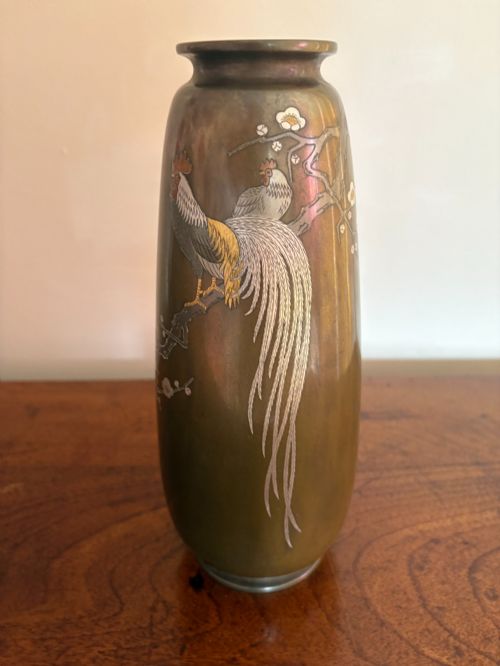
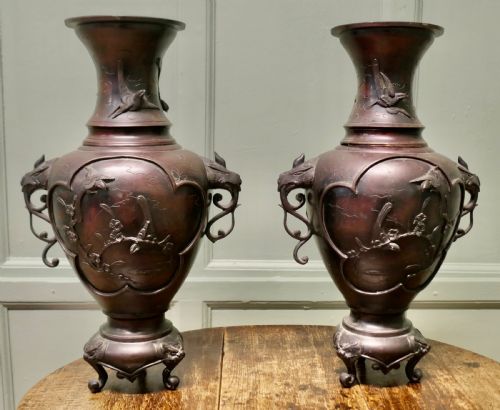
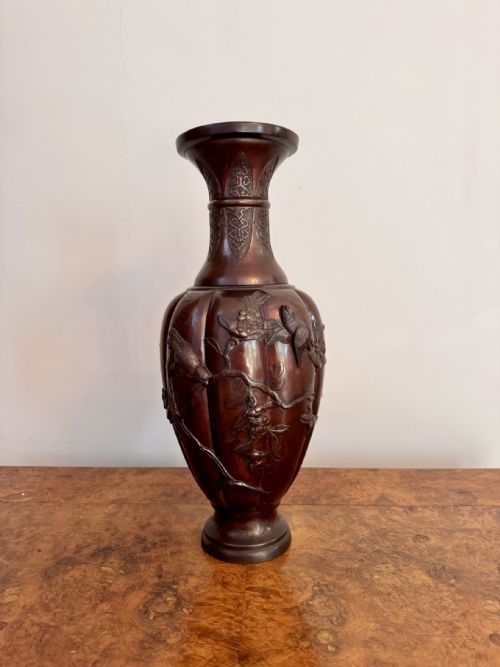
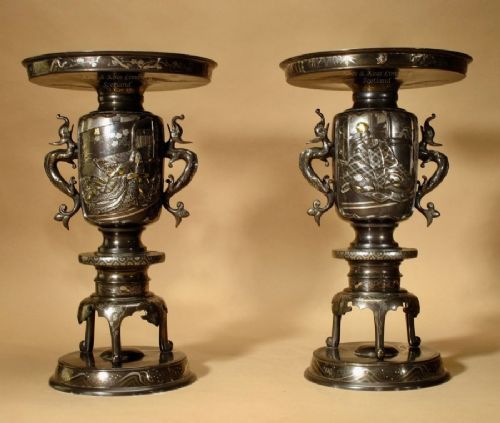
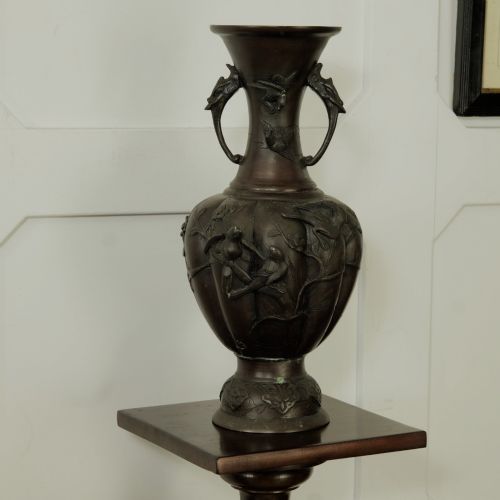
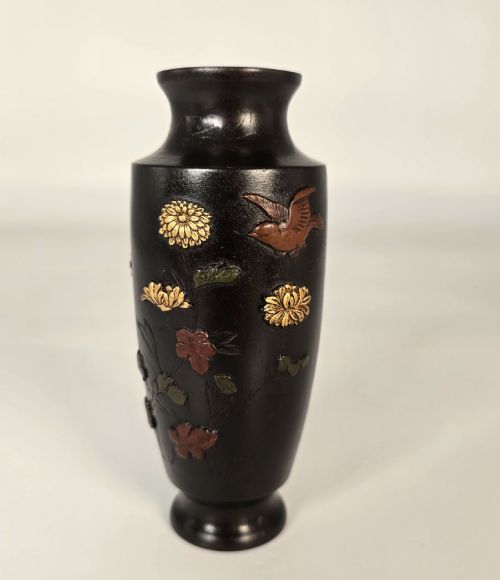
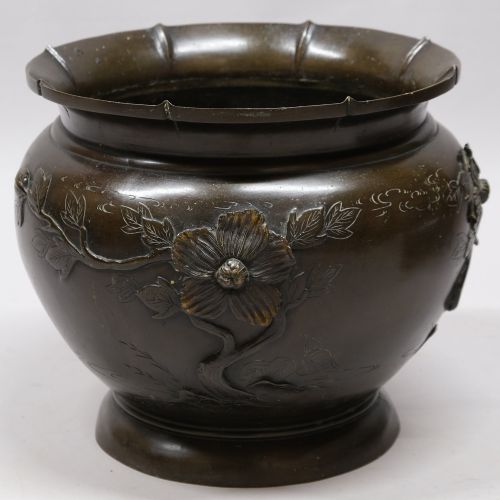
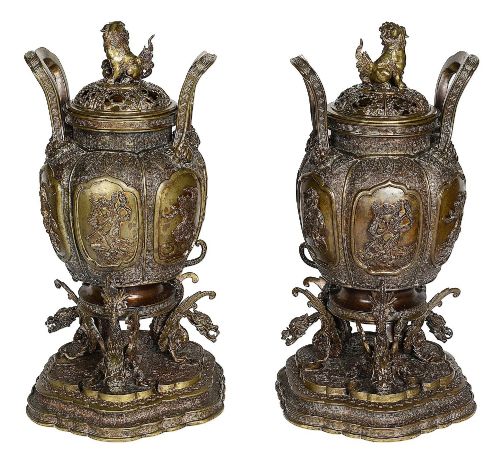
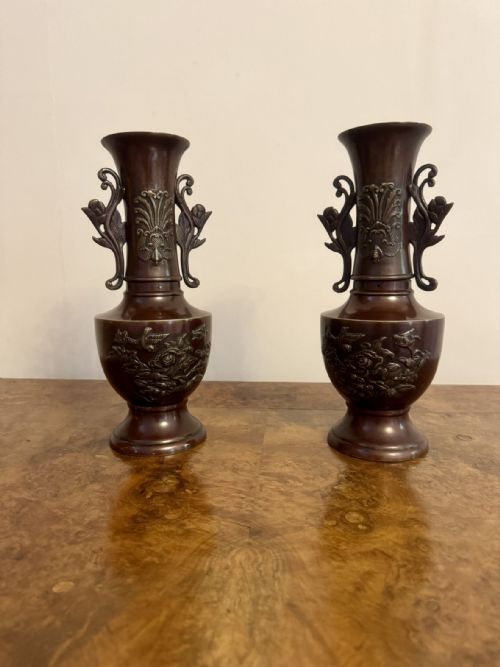
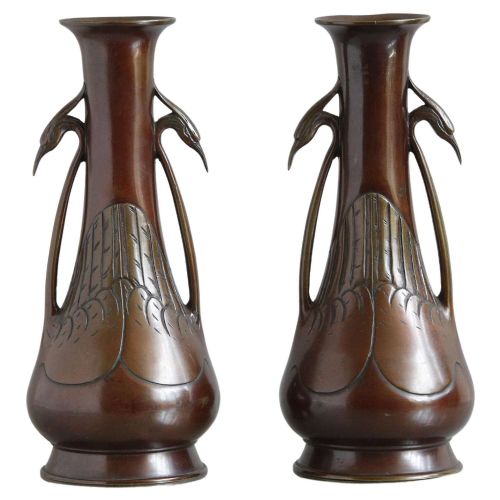
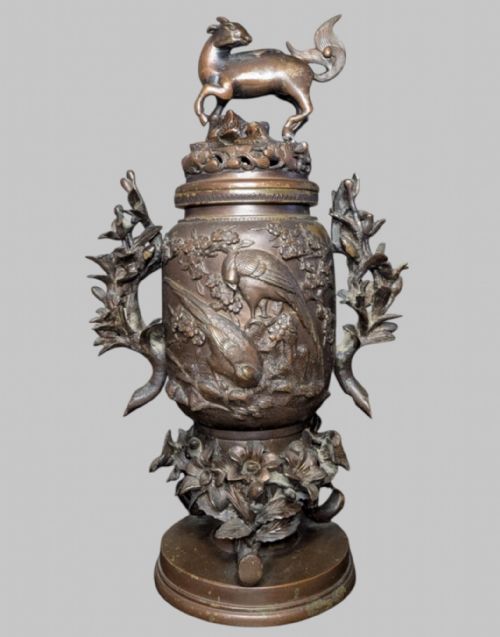
A japanese bronze vessel encompasses decorative vases, large tsubo vases, jardinières and planters originating from Japan during the nineteenth century.
The selections span the late Edo period and the extensive Meiji period, capturing shifts in decorative arts across those decades.
Buyers encounter distinct forms ranging from tall handled vases to substantial ceremonial bowls and planters such as Buddhist tearai.
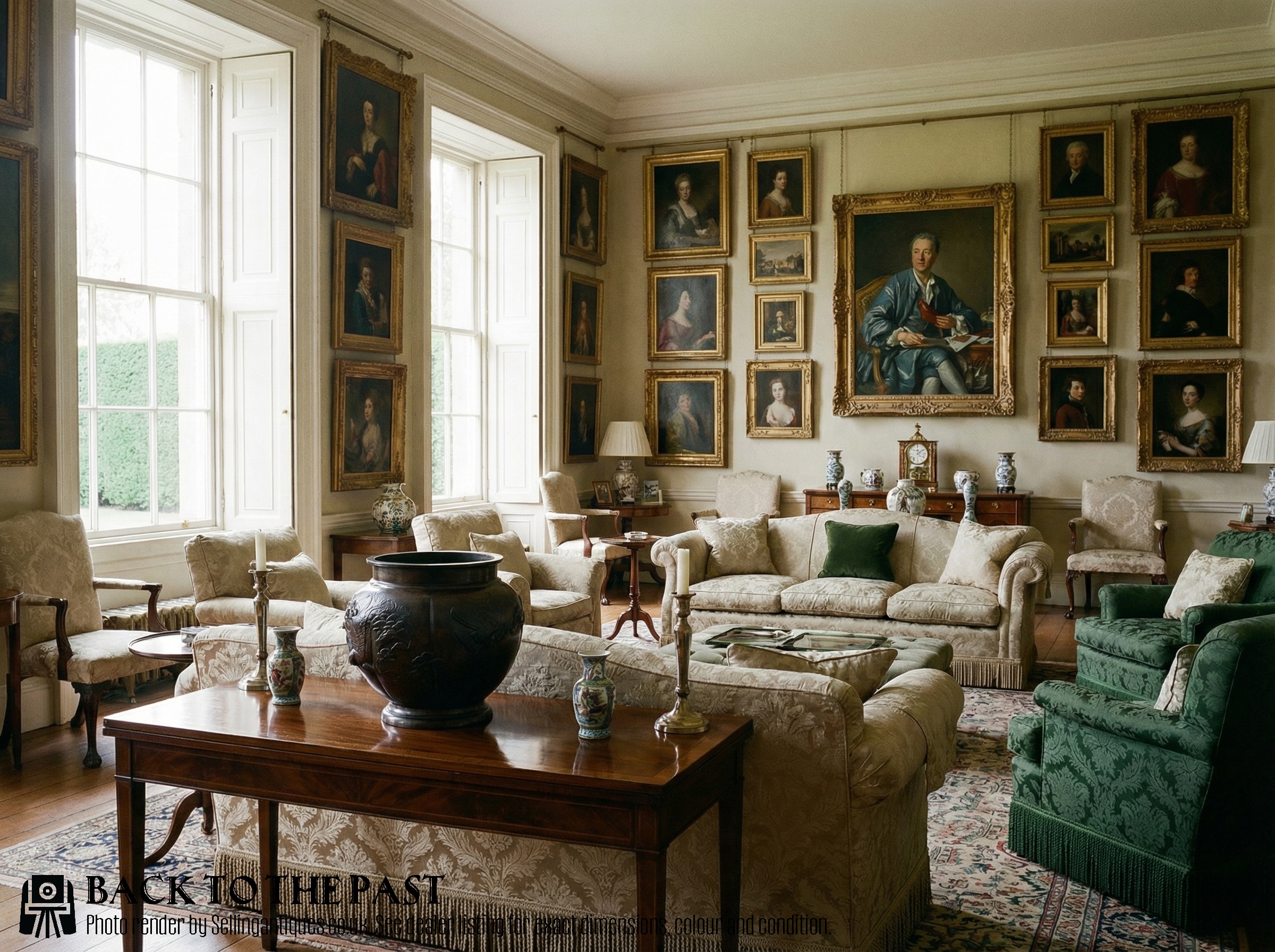
How they were made
These items are cast entirely from bronze, utilising traditional metalworking methods perfected by skilled Japanese artisans of the nineteenth century.
The surfaces develop a natural historic patination over decades, reflecting both the alloy composition and the atmospheric conditions they encounter.
Retail Price Guide 2026
Typical UK retail prices for japanese bronze vessel, calculated from the Sellingantiques database of over a million retail prices indexed since 2003. This retail price guide relies exclusively on Sellingantiques data; no external sources or auction records are used, so the figures do not describe the wider market.
Current listings feature bronze vessels spanning the mid-nineteenth century through to nineteen hundred, including Edo and Meiji period examples.
What varies in quality
Scale and ambition separate standard decorative items from monumental pieces, with large tsubo vases and jardinières demanding superior foundry skill.
The depth and uniformity of the bronze patination, alongside crispness in any cast surface detail, dictate the overall calibre of the vessel.
The Japanese Bronze Vessel Glossary
- Meiji Period
- The era in Japanese history spanning from eighteen sixty-eight to nineteen twelve, noted for significant shifts in metalwork production.
- Tsubo
- A traditional Japanese jar or vase form, often large in scale and robustly proportioned.
- Jardinière
- A decorative ceramic or metal pot or bowl designed to hold plants or flowers.
- Edo Period
- The period preceding the Meiji era, lasting from sixteen hundred and three to eighteen sixty-eight.
Frequently Asked Questions
What is a tsubo vase?
A tsubo is a traditional Japanese storage jar or decorative vase form, typically characterised by a bulbous body and a narrow mouth.
These large vessels serve as focal points in interior spaces due to their substantial physical presence.
How do I care for bronze?
Bronze requires minimal intervention, needing only gentle dusting with a soft dry cloth to preserve its surface.
Avoid chemical polishes or water, which can strip away the historic patination accumulated over generations.
What is a jardinière used for?
A jardinière functions primarily as a decorative planter or bowl for housing potted plants within a room.
In historical contexts, large bronze examples also served as standalone sculptural ornaments.
How do I identify the Meiji period?
The Meiji period aligns with the reign of Emperor Meiji from eighteen sixty-eight to nineteen twelve, marked by distinct artistic styles.
Metalwork from this era often exhibits high technical proficiency in casting and patination.