




Antique Japanese Metalware
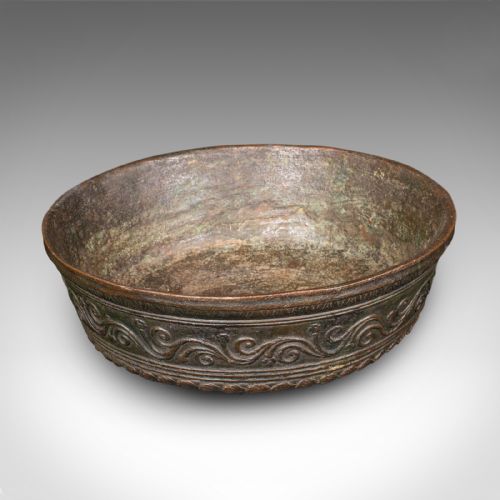
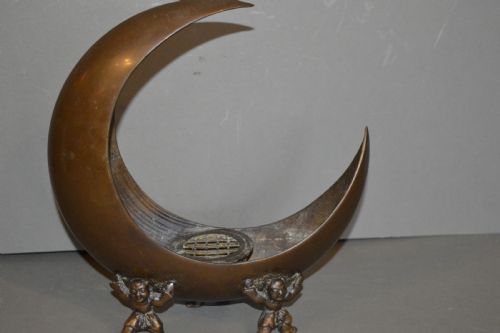
Antique japanese metalware brings exceptional bronze vessels and iron kettles into the home, offering the refined craftsmanship of nineteenth century makers.
What these pieces are
Antique japanese metalware encompasses objects such as vases and sake kettles created during the Edo and Meiji periods. These pieces demonstrate the traditional metalworking skills developed across nineteenth century Japanese workshops.
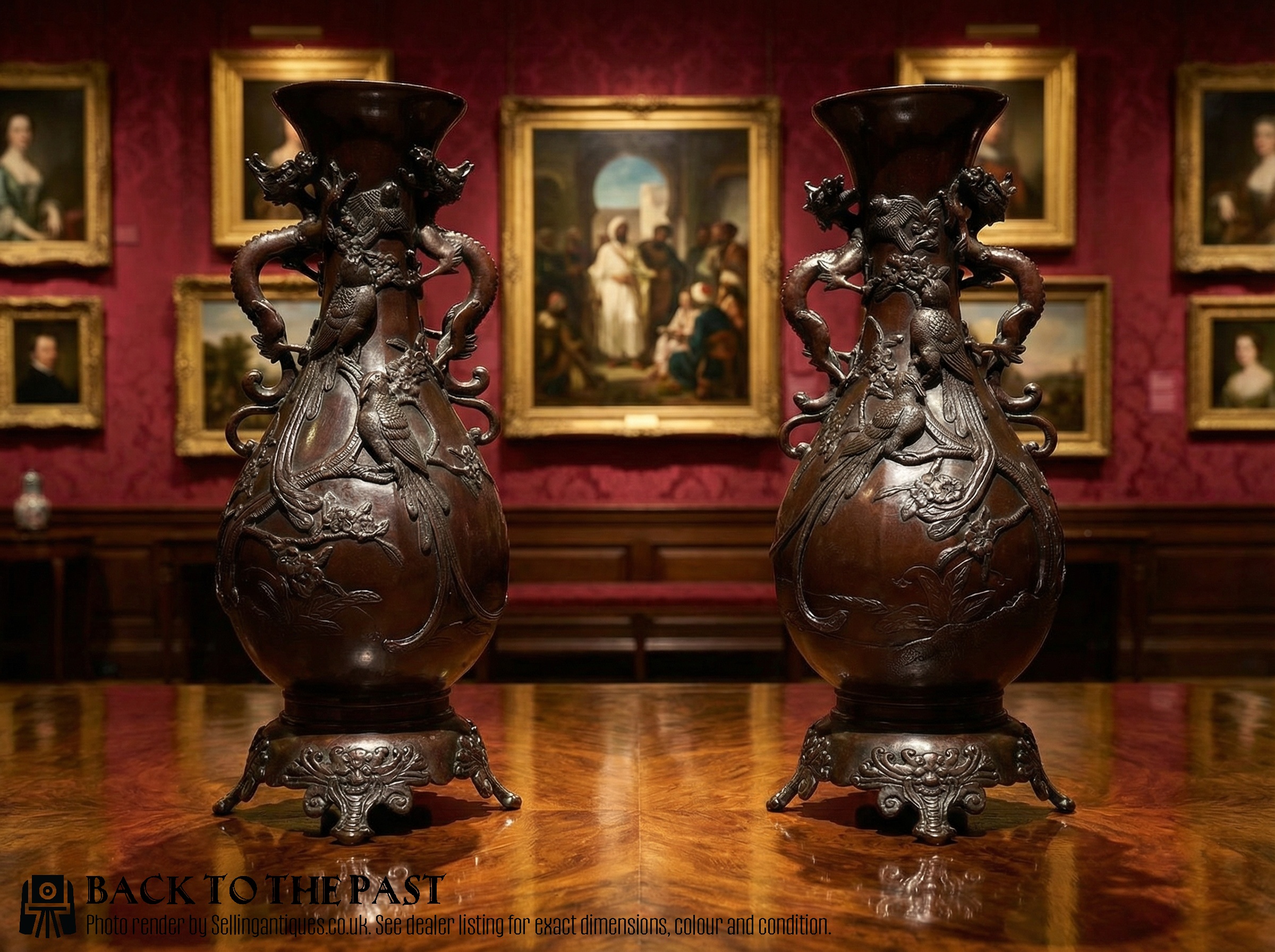
The selection on this page focuses heavily on bronze vases and sake kettles featuring cloisonne lids. Vases appear as single large tsubo pieces or in matched pairs from the eighteen eighties and nineties.
Buyers seeking authentic forms will find classic vessel shapes typical of the Meiji period and the earlier Edo era. Each piece reflects the material culture and decorative arts of nineteenth century Japan.
How they were made
Artisans utilised cast iron and bronze as primary metals for forming the body of each vessel. Bronze dominates the extant bronze vases, shaped through traditional casting methods.
Enamel work appears on specific components, notably forming cloisonne lids for sake kettles. This technique involves fusing vitreous enamel to metal partitions to create detailed surface patterns.
Retail Price Guide 2026
Typical UK retail prices for japanese metalware, calculated from the Sellingantiques database of over a million retail prices indexed since 2003. This retail price guide relies exclusively on Sellingantiques data; no external sources or auction records are used, so the figures do not describe the wider market.
Even the tea makers needed flair, pairing solid metal kettles with surprisingly intricate cloisonne lids.
What varies in quality
Quality in these metal objects rests on the precision of the casting and the refinement of the surface finish. Fine examples display superior handling of bronze alongside intricate detailing on decorative elements.
The integration of secondary materials, such as enamel work on cloisonne lids, distinguishes finer utilitarian items. Superior vases exhibit careful proportions and balanced form across paired sets.
The Antique Japanese Metalware Glossary
- Meiji Period
- The era in Japanese history spanning from eighteen sixty-eight to nineteen twelve. Pieces from this time often show increased decorative complexity and refined casting techniques.
- Edo Period
- The period lasting from sixteen hundred and three to eighteen sixty-seven. Items originating here represent earlier traditional Japanese craftsmanship.
- Cloisonne
- A decorative metalwork technique where enamel is applied within compartments defined by flat wire welded to the metal base. This method creates colourful patterns on lids and vessels.
- Tsubo
- A traditional Japanese jar or vase form with a wide body and narrow neck. These large vessels served decorative or functional roles in domestic interiors.
- Bronze
- An alloy of copper and tin utilised for durable metal vessels. Japanese makers polished and patinated this material to achieve varied surface tones.
Frequently Asked Questions
What are antique japanese metalware vases used for?
These bronze vessels were traditionally employed for floral arrangements or simply displayed as decorative art objects within traditional settings.
Today, collectors use them to introduce historic form and patinated metal textures into modern interior spaces.
How do I date antique japanese metalware?
Dating relies on stylistic markers associated with the Edo and Meiji periods, alongside construction methods visible in the bronze or iron.
Nineteenth century pieces often feature specific Meiji aesthetic traits or carry attribution to the broader eighteen eighties and nineties.
How should I care for bronze metalware?
Bronze requires minimal intervention to preserve its historic surface patination and finish.
Dusting with a dry, soft cloth is sufficient, avoiding abrasive cleaners or polishes that might damage the metal.
What is a sake kettle?
A sake kettle is a traditional vessel designed for warming rice wine during social or ceremonial occasions.
Examples on this page frequently feature specialised details such as cloisonne lids atop cast metal bodies.