
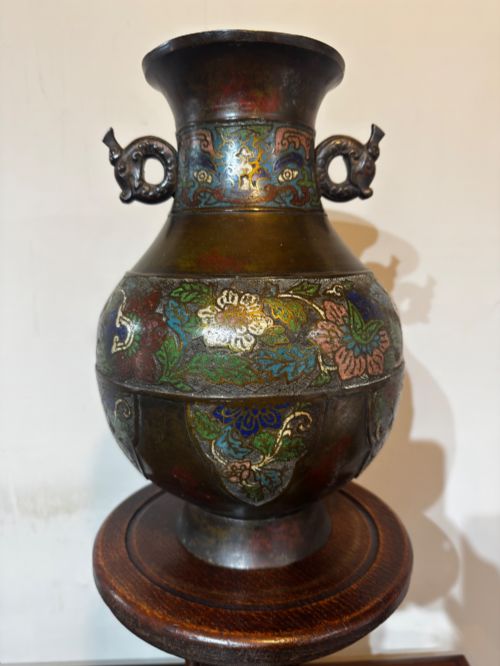


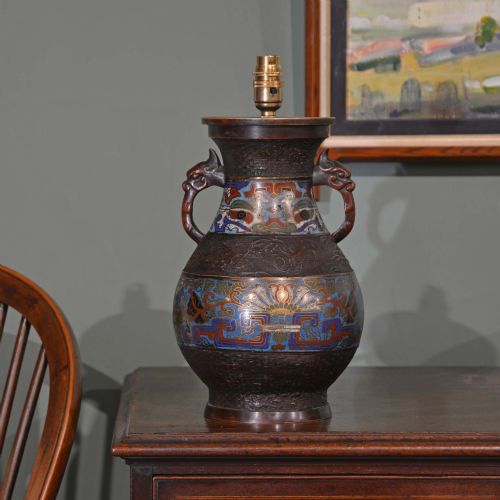
Bronze Dragon Handles
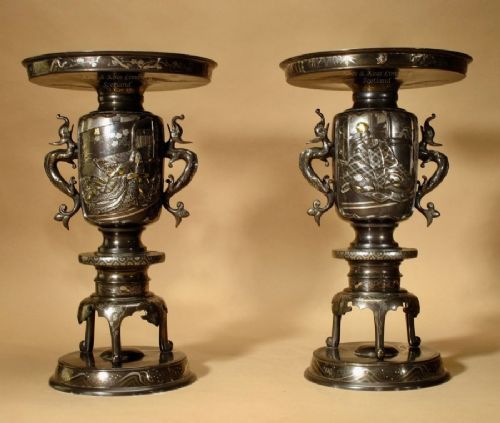
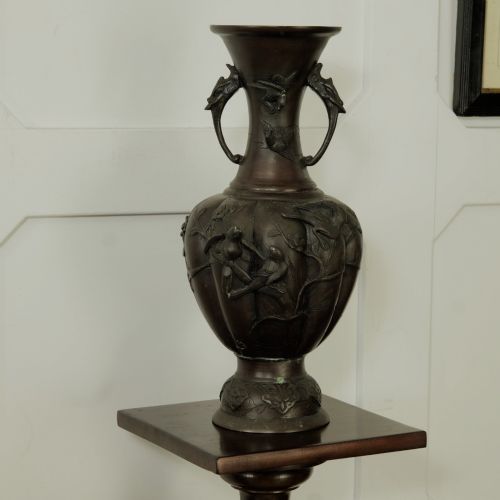
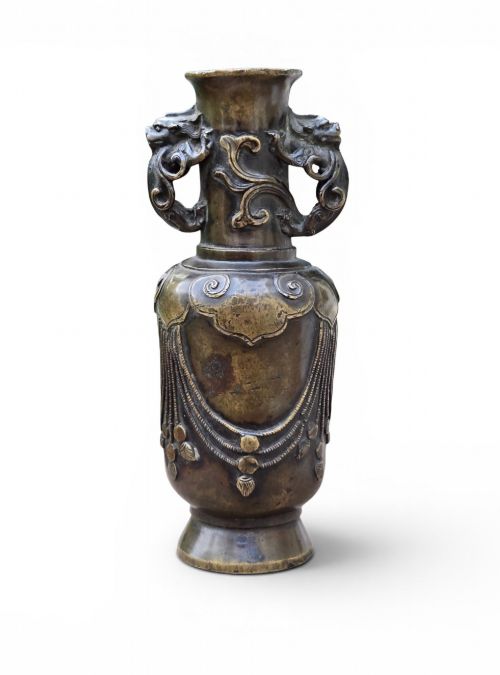
These bronze dragon handles define vessels built for ceremony and display, bringing mythical creatures into domestic metalwork.
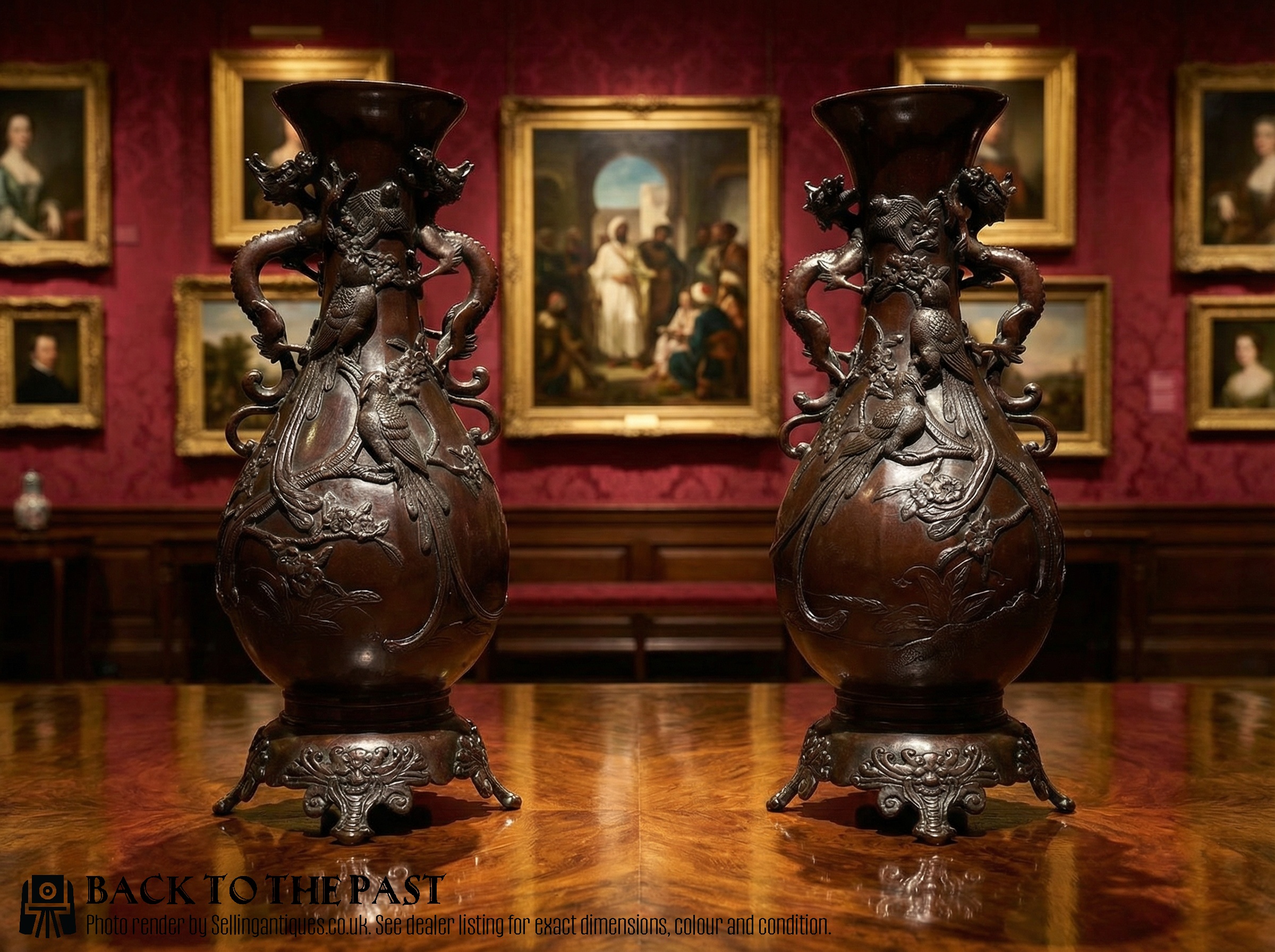
Bronze Dragon Handles
When you search for bronze dragon handles, you encounter vessels designed for ritual, display, and lighting across Asian and European decorative arts. The selections on this page span Chinese and Japanese workshops, alongside Victorian and Edwardian interpretations.
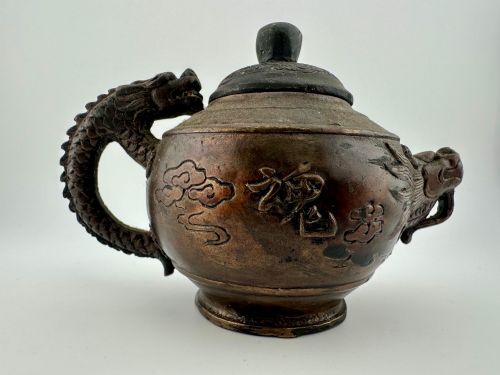
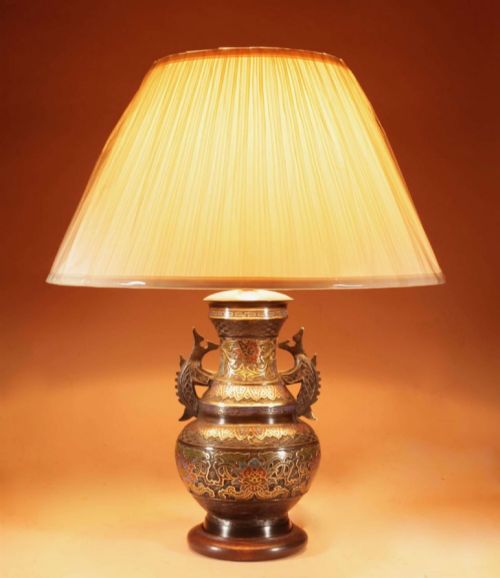
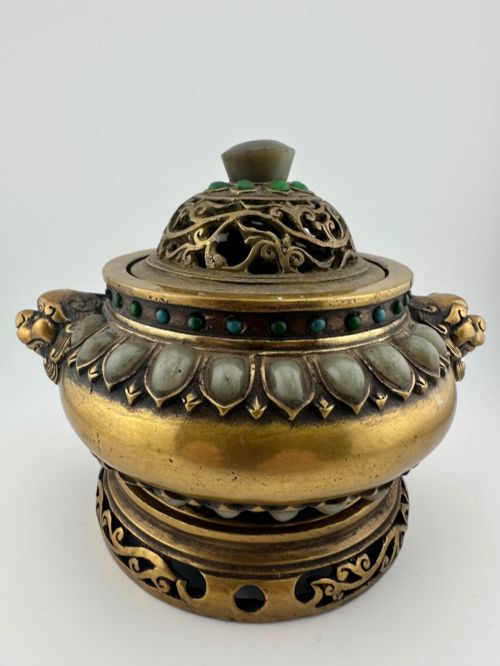
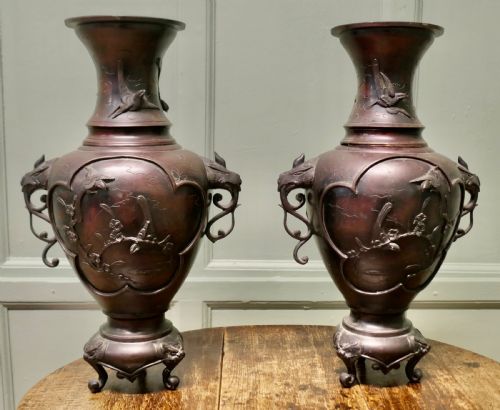
Vessels emerge in forms such as vases, incense burners, ewers, and table lamps. These pieces incorporate distinct styles including Meiji Period Japanese metalwork and Qing Dynasty Chinese casting traditions.
Archaistic forms appear frequently, drawing inspiration from ancient ritual vessels. The dragon handles themselves take varied configurations, projecting from shoulders and necks to anchor the silhouette of the piece.
How they were made
Casting forms the structural foundation, utilising bronze alongside brass and gilt variants. Molten metal flows into moulds to establish the vessel body and the intricate contours of the handles.
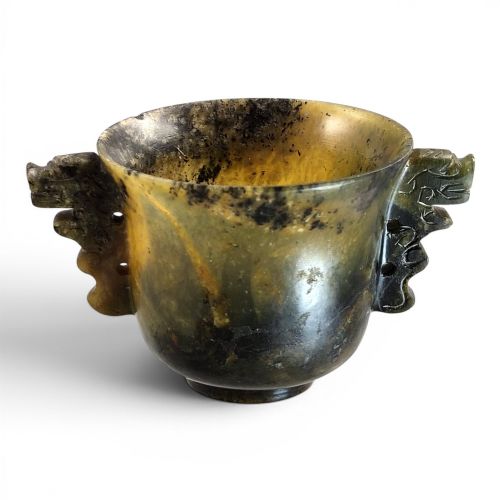
Surface ornamentation relies on champlevé enamel, gold inlay, and hardstone details like nephrite and jade. Artisans carve recesses into the bronze ground to receive enamel pastes before firing and polishing.
Bronze Dragon Handles Retail Price Guide 2026
Typical asking prices for bronze dragon handles among the pieces listed under this phrase on Sellingantiques today, from the lower quarter to the upper quarter. They describe what is for sale here now, not the wider market.
Materials documented across the inventory include bronze, brass, champlevé enamel, nephrite, jade, hardstone, and gold inlay.
What varies in quality
The definition and depth of the casting separate standard vessels from exceptional examples. Skilled makers render the scales, claws, and expressions of the dragons with crisp relief and anatomical clarity.
The integration of secondary materials like enamel and hardstone dictates overall refinement. Precise enamel placement and securely fitted stone elements reflect superior workshop standards.
The Bronze Dragon Handles Glossary
- Champleve
- An enamelling technique where troughs are dug into the bronze surface and filled with coloured vitreous enamel before firing. This method creates vibrant patterns that contrast with the metal ground.
- Archaistic
- A style that consciously imitates the forms, motifs, and patination of ancient ritual bronzes from earlier dynasties. Makers utilise these ancient design elements to project historical continuity.
- Ewer
- A large jug with a flared spout and a shaped handle, designed for pouring liquids. In this context, ewers frequently incorporate cast dragon motifs along the handle or body.
- Censer
- A vessel intended for burning incense during ceremonies or domestic display. These pieces often feature lidded covers and robust handles to facilitate movement.
- Hu
- A tall vase or vessel type originating from ancient Chinese ritual bronzes. They possess pear-shaped bodies and prominent side handles.
Bronze Dragon Handles: Frequently Asked Questions
How do I identify a Meiji period bronze piece?
Meiji period bronzes originate from Japan between eighteen sixty-eight and nineteen twelve. Look for precise patination, dynamic animal motifs, and champlevé enamel accents.
Workshop signatures or distinct school attributions often appear on the base or lower body of these Japanese vessels.
What is an archaistic Chinese bronze?
Archaistic pieces deliberately replicate the archaic shapes and ornamentation of ancient ritual vessels from early Chinese dynasties. Makers utilise these historical references to create decorative objects with classical proportions.
These designs often pair bronze bodies with hardstone inlays or taotie mask motifs.
How were bronze dragon handle vessels used originally?
These vessels served ceremonial, ritual, and decorative functions in Asian and European settings. Censers burned incense, while ewers and vases held water or floral arrangements.
Many later pieces were adapted into table lamps during the Victorian and Edwardian periods.
What materials accompany bronze in these pieces?
Bronze combines with champlevé enamel to introduce vibrant colour across the body and handles. Hardstones such as nephrite and jade also appear as inlaid elements or cover finials.
Brass, gilt metal, and fabric components complete pieces adapted for lighting.