
Meiji Period Vases
These meiji period vases bring together centuries of Japanese metalwork, earthenware and porcelain traditions created during a time of immense artistic output.

Forms and Origins
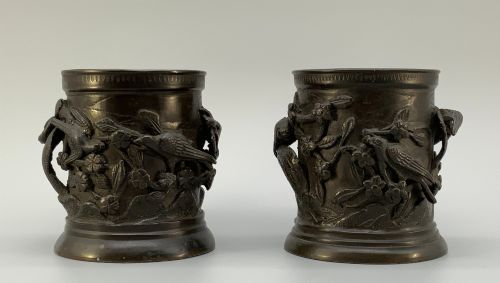
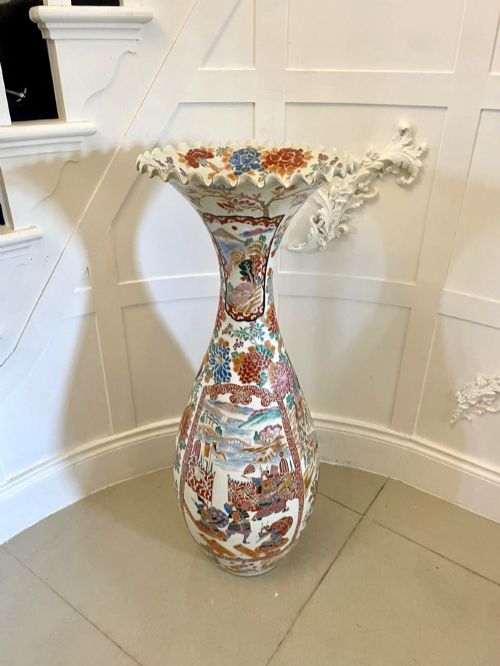
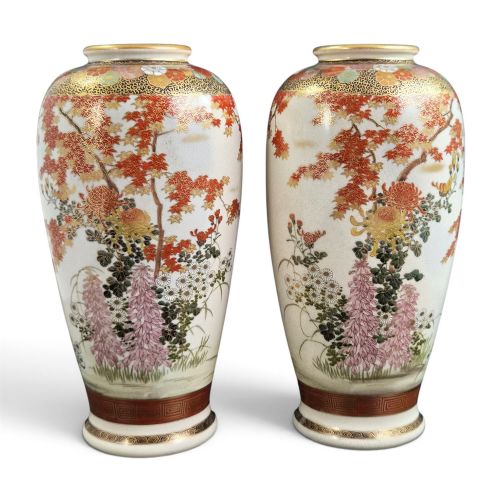
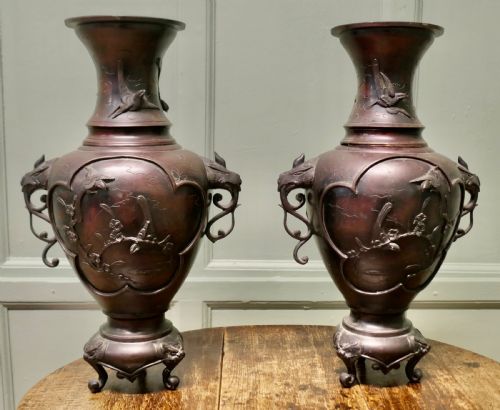
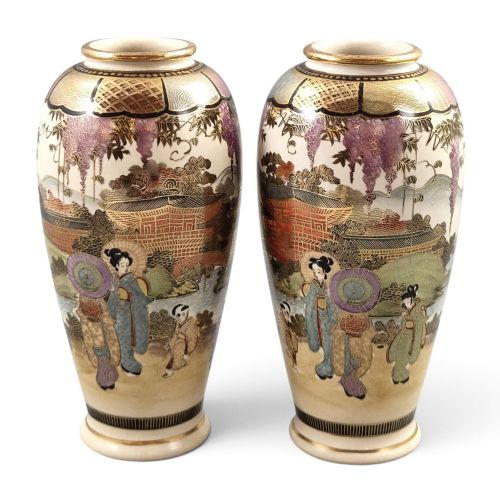
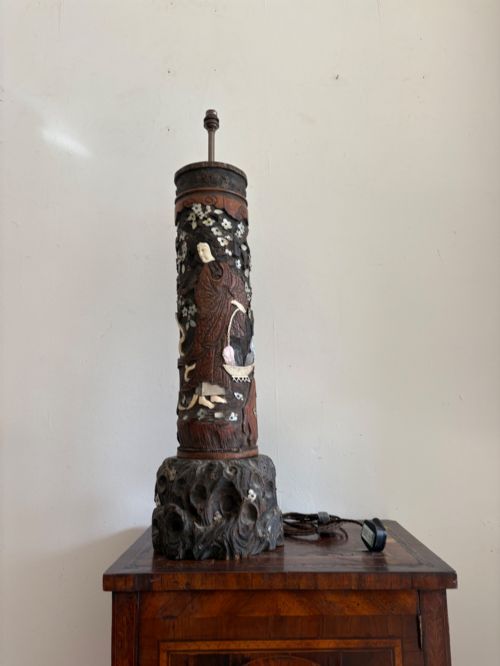
Meiji period vases encompass diverse forms including floor vessels, moon flasks, bottle shapes and incense burners originating from Japan between eighteen sixty-eight and nineteen twelve. The selection ranges from substantial cast metal cylinders to delicate ceramic pairs.
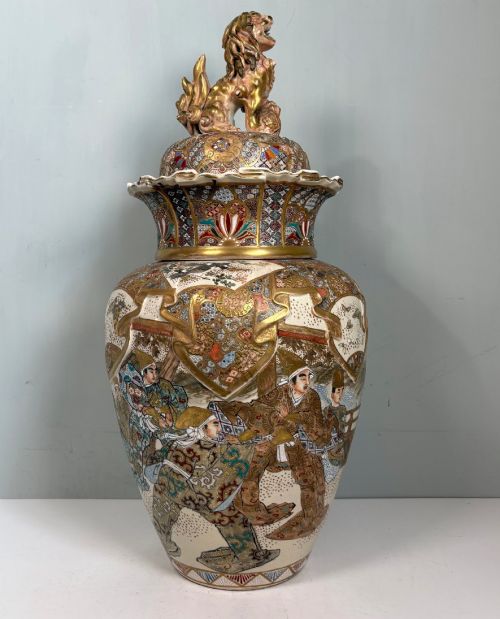
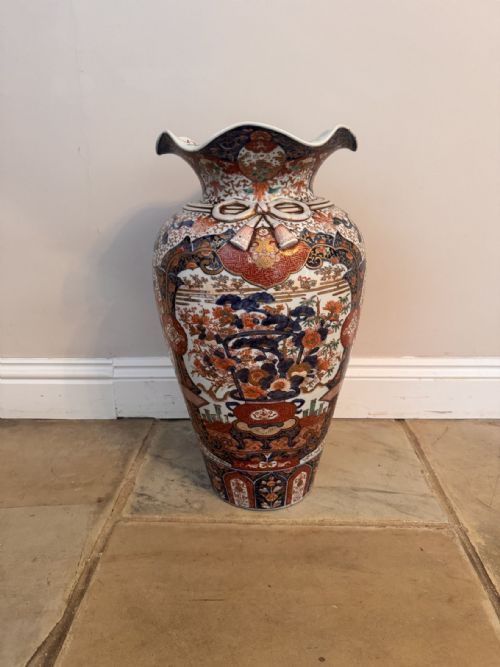
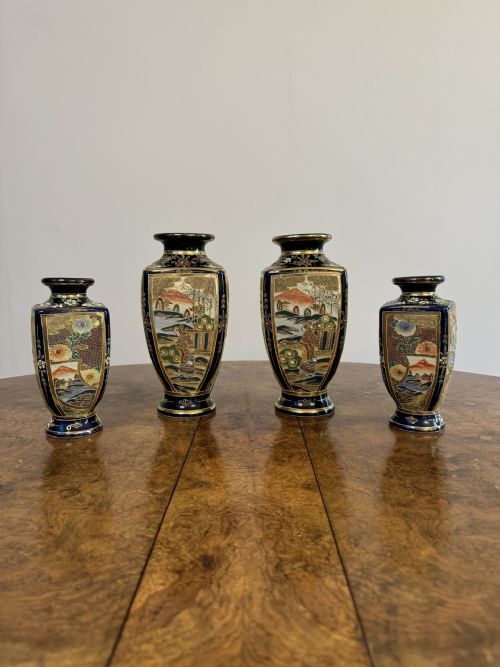
Satsuma earthenware and Kutani porcelain dominate the ceramic offerings, frequently decorated with hand-painted figures such as arhats and deities. Imari porcelain and cloisonné enamel pieces also appear regularly across these records.
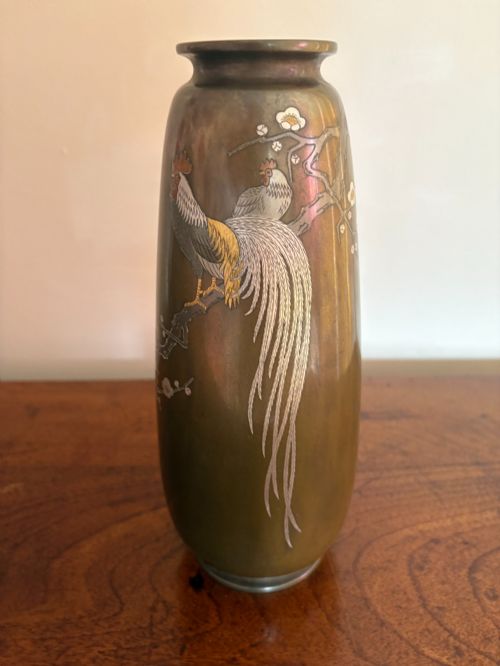
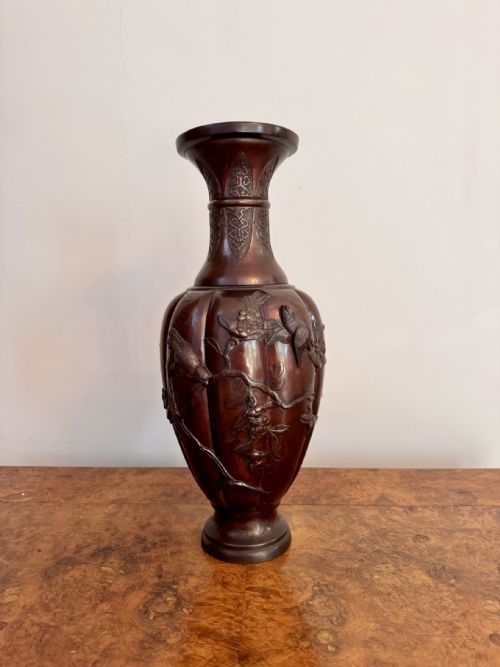
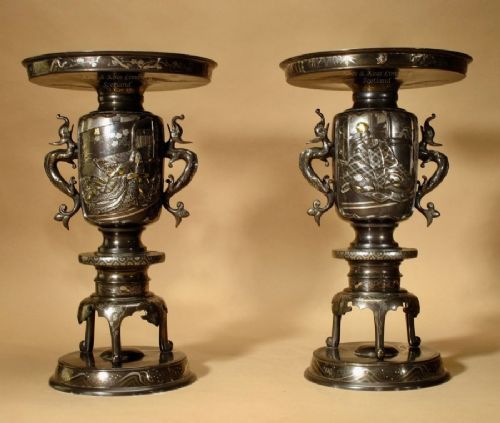
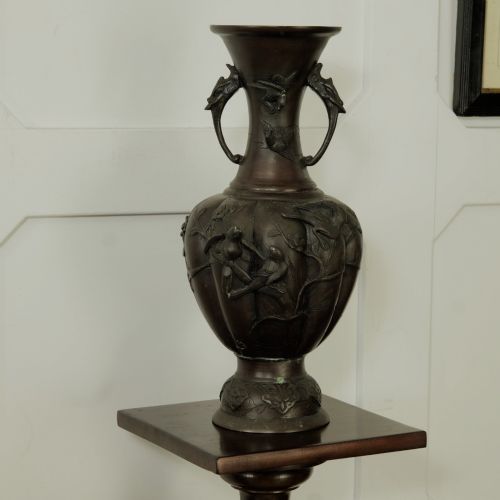
Bronze vessels form another major category, often finished with intricate gold inlay, silver inlay or applied relief work. Collectors encounter both cabinet-sized miniatures and monumental floor-standing examples.
Materials and Technique
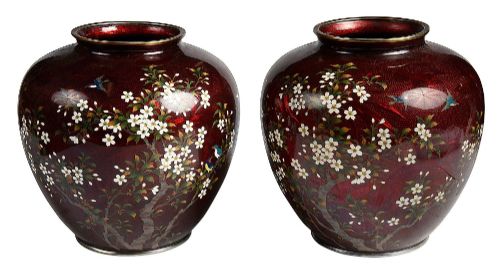
Makers utilised bronze cast through traditional methods, applying gold leaf and silver inlay to highlight surface details. Cloisonné enamel pieces combine metal wire partitions with vitreous enamel pastes fired in kilns.
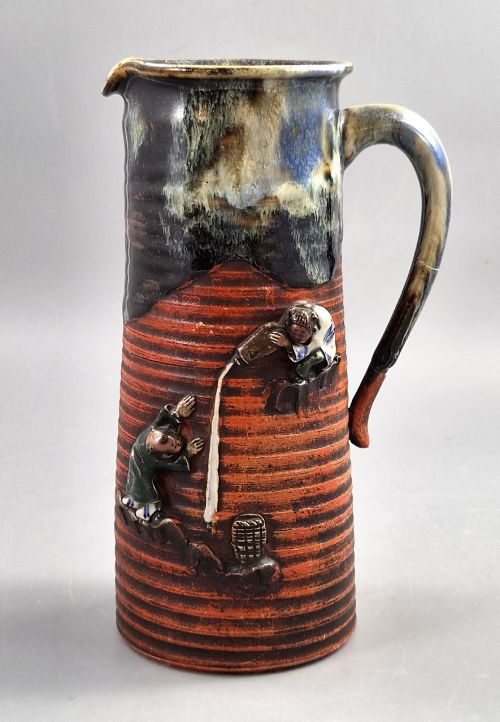
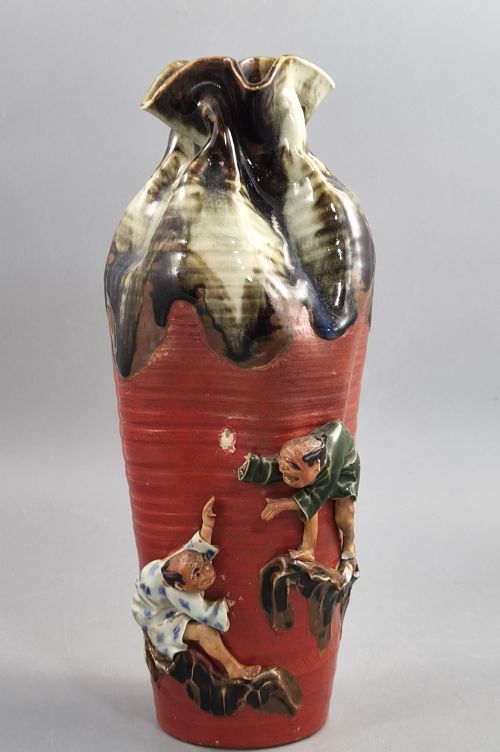
Earthenware and porcelain bodies received hand-painted pigments, rich gilt decoration and occasionally lacquer panels. Potters utilised specialised local clays and mineral pigments to achieve distinct tonal ranges.
Retail Price Guide 2026
Typical UK retail prices for meiji period vases, calculated from the Sellingantiques database of over a million retail prices indexed since 2003. This retail price guide relies exclusively on Sellingantiques data; no external sources or auction records are used, so the figures do not describe the wider market.
Listings feature works in bronze, earthenware, porcelain, and enamel from the nineteenth century and nineteen hundred.
Defining Quality
The refinement of the hand-painting and the crispness of metal inlay set the standard across these wares. Superior Satsuma pottery displays meticulous brushwork in the depiction of facial expressions and robes.
In bronze and cloisonné pieces, the precision of wire-work and the absence of surface pitting dictate the standing of the work. Maker signatures, whether painted or impressed, often denote workshops of higher repute.
Kinkozan·Takahara Komajiro·Kyoto Jippo·Hododa·Takichi Hotoda·Gyokushu·Hayashi Kihyoe·Koransha
The Meiji Period Vases Glossary
- Satsuma
- Earthenware pottery originating from the Satsuma Province, characterised by a crackle-glaze finish and detailed polychrome and gilt painting. It became especially prominent for export during the late nineteenth century.
- Cloisonné
- A metalwork technique where thin wire creates partitioned cells filled with enamel paste before firing. This method produced intricate floral and avian patterns.
- Imari
- Japanese porcelain decorated in underglaze blue, iron red, gold and supplementary colours. The style originated in Arita and was shipped from the port of Imari.
- Arhats
- Buddhist saints or disciples frequently depicted on ceramic surfaces in groups. Their robes and expressions provide narrative depth to painted scenes.
- Ginbari
- A specialised cloisonné method involving embossed foil laid beneath translucent enamel to create textured background patterns. It results in a distinctive shimmering effect under light.
Frequently Asked Questions
What defines meiji period vases?
These vessels originate from Japan during the reign of the Emperor Meiji, spanning the late nineteenth and early twentieth centuries. They reflect a period when traditional craft met international export demands.
Makers worked in bronze, porcelain, earthenware and cloisonné enamel, producing items ranging from small cabinet pieces to massive floor vessels.
How do Satsuma and Kutani differ?
Satsuma vessels feature an ivory-coloured earthenware body with a fine crackle glaze, typically painted with detailed figures and heavy gilding. Kutani ceramics utilise porcelain bodies with distinct palettes, often centred on greens, blues and reds.
Both styles emerged from specific regional pottery traditions in Japan and gained significant popularity among Western collectors during the nineteenth century.
How do I identify a signed piece?
Makers and studios often applied painted characters to the base of ceramics or impressed stamps into the clay body. Bronze pieces frequently carry cast signatures within the metalwork.
Reference guides help translate these marks to specific Kyoto or regional workshops active during the late nineteenth century.