


Orange Ceramic Vase
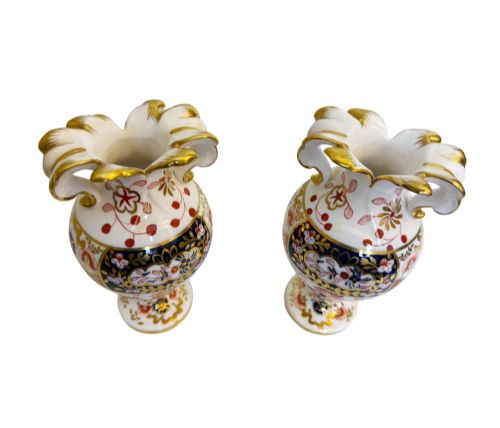
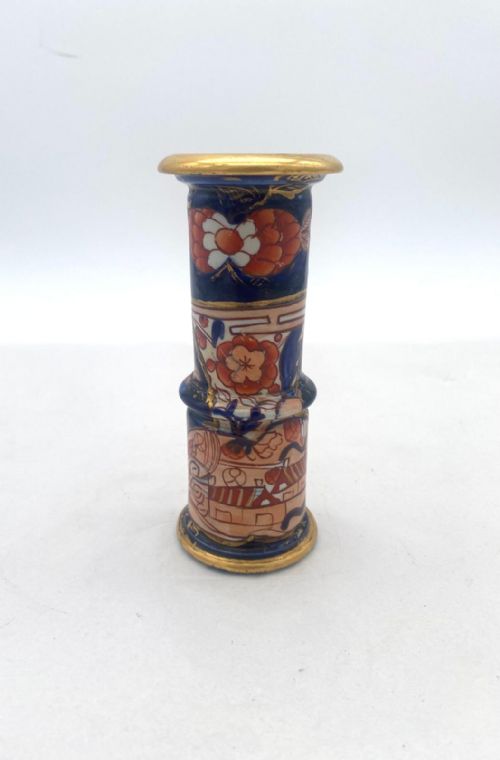
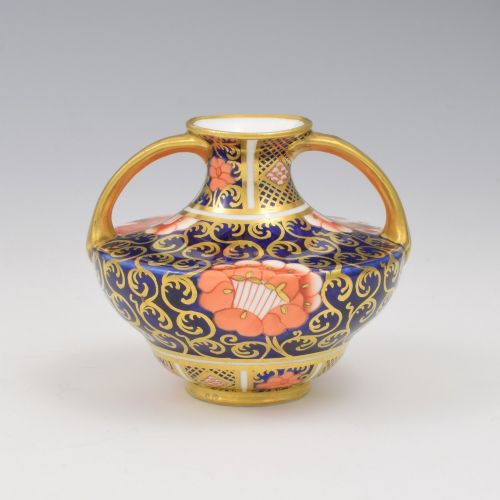
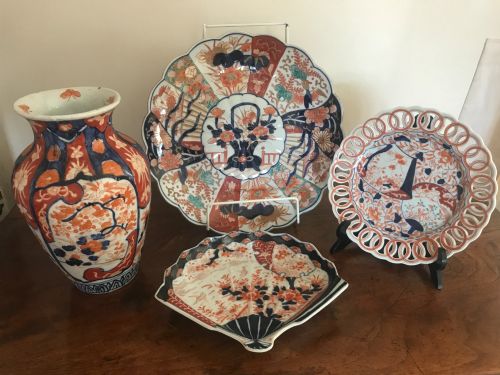
An orange ceramic vase brings striking warmth and rich pattern to a room, ranging from bold Japanese Imari porcelain to British earthenware.
Orange Ceramic Vase
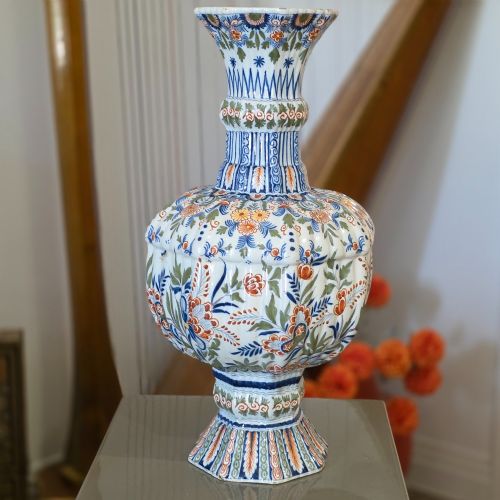
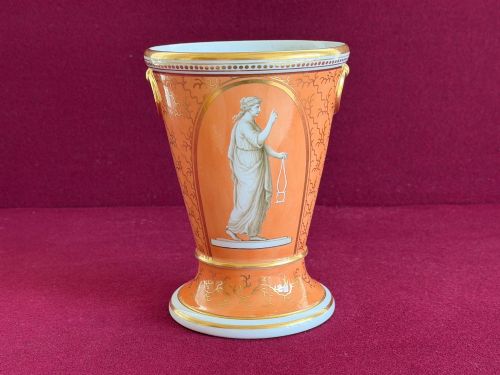
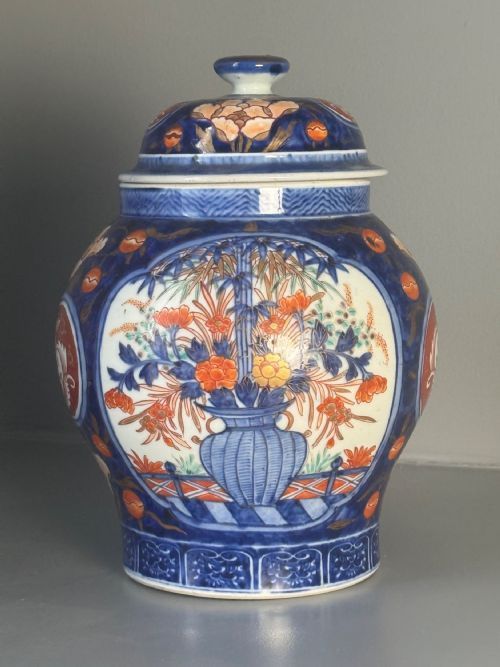
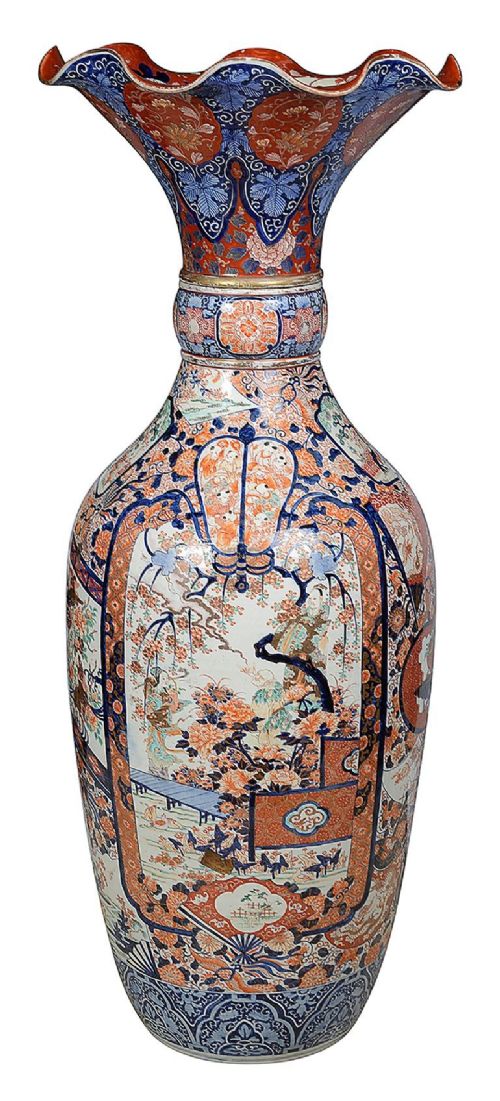
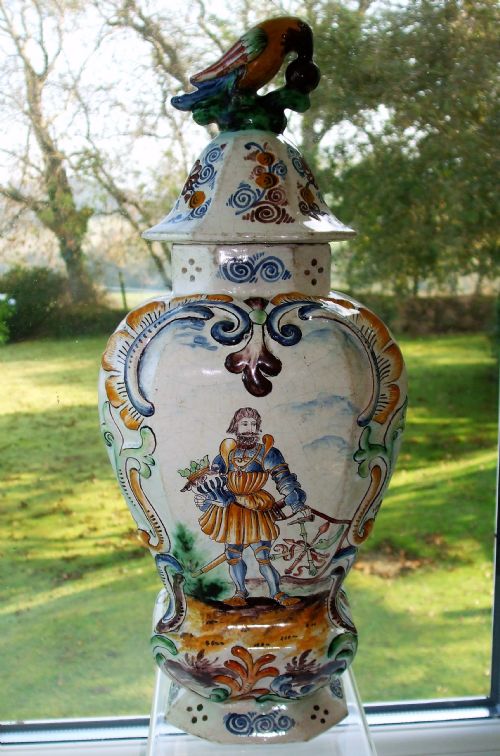
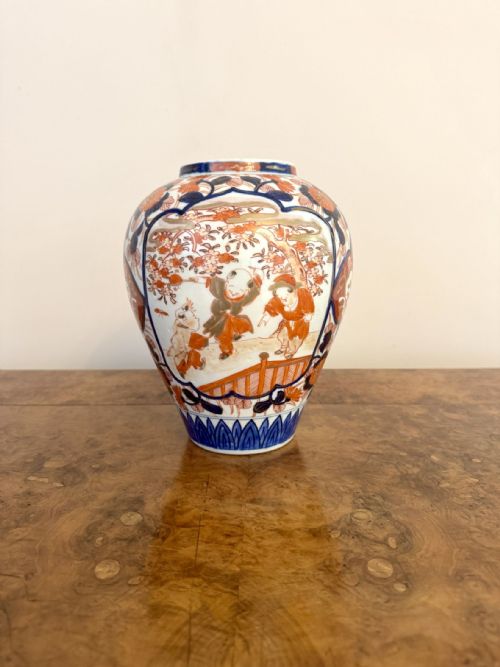
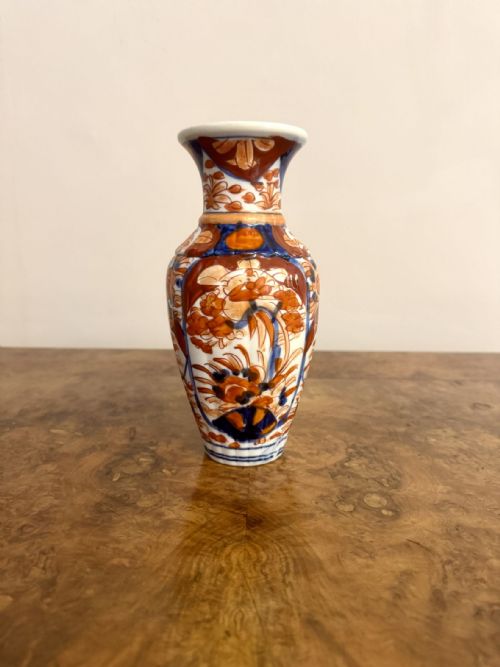
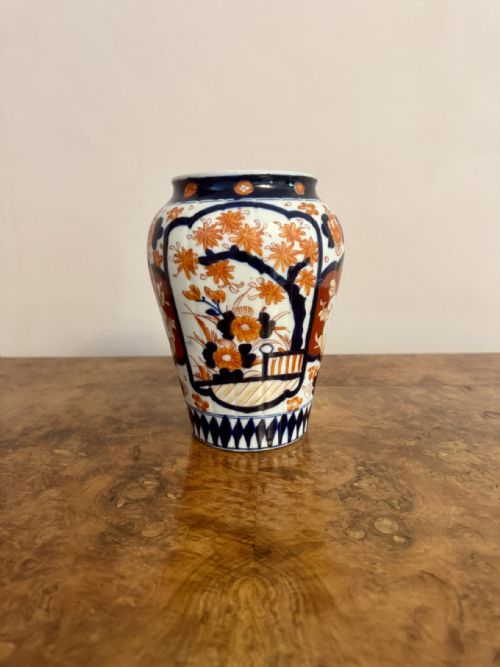
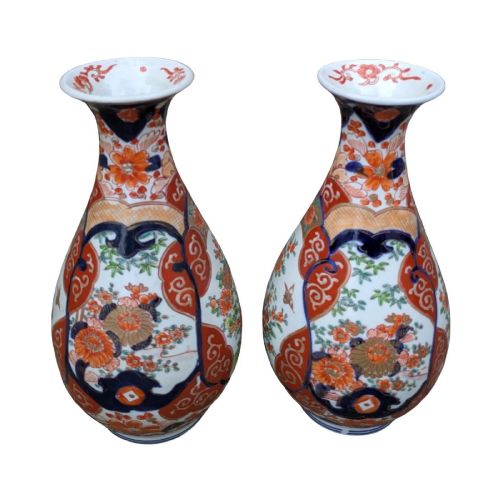
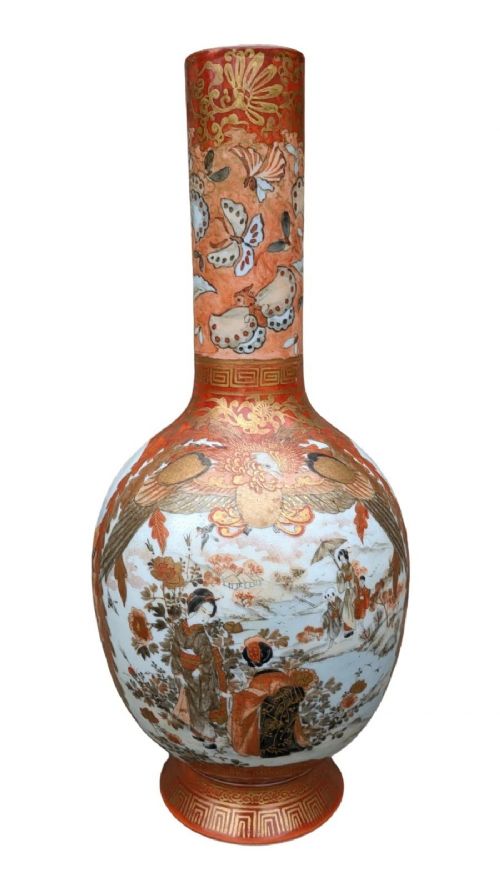
An orange ceramic vase encompasses diverse forms including large floor vessels, covered ginger jars, jardinieres, and delicate spill vases. When searching for an orange ceramic vase, buyers encounter pieces spanning multiple centuries, from eighteenth-century Dutch Delftware and Georgian porcelain to late nineteenth-century Japanese Imari and Kutani ware.
The selection on this page leans heavily toward Japanese Imari and Kutani production alongside British porcelain from factories such as Worcester, Spode, and Minton. These vessels serve both decorative and functional purposes, operating as centrepieces or paired garnitures upon mantelpieces and pedestals.
Forms vary from bottle-shaped and double-gourd silhouettes to octagonal baluster vessels and twin-handled urns. Each period imparts distinct characteristics, uniting vibrant ceramic pigments with traditional glazing techniques.

How they were made
Potters shaped these vessels using ceramic paste, earthenware, and fine porcelain, often finishing surfaces with rich glaze and enamel layers. Kiln-fired techniques allowed makers to fuse vibrant pigments directly into the ceramic body.
Artisans applied gilding, gold leaf, and intricate hand-painted motifs over the glaze to achieve deep textural contrast. Production methods combined wheel-throwing and mould-pressing, followed by careful hand-finishing on handles, covers, and rims.
Staffordshire potters immortalised domestic fauna in clay, ensuring fierce lions and gentle deers stood ready to hold taper spills.
What varies in quality
Quality rests in the precision of the hand-painted brushwork, the clarity of the glaze, and the crispness of the moulded form. Superior examples display balanced proportions, clean firing without significant distortion, and richly saturated enamel colours that remain sharp along the edges.
The weight of the porcelain or earthenware, the intricacy of gilded accents, and the preservation of original covers or matching garniture sets further separate standard production from exceptional studio output.
Flight And Barr·Barr Flight And Barr·Royal Crown Derby·Minton·Spode
The Orange Ceramic Vase Glossary
- Imari
- A style of Japanese porcelain decorated in underglaze blue and overglaze red, gold, and other colours. This distinctive palette creates a vibrant, multi-layered appearance highly prized in European interiors.
- Jardiniere
- An ornamental ceramic pot or vase designed to hold plants or flowers. These vessels often feature robust handles and wide rims suited for larger displays.
- Spill vase
- A small upright ceramic tube used originally to hold taper spills for lighting fires. They frequently take figurative or patterned forms.
- Kutani
- A style of Japanese coloured porcelain known for bold pictorial designs and rich orange, red, and gold tones. Pieces often depict figurative scenes and natural motifs.
- Baluster
- A vase shape with a rounded body that tapers toward the base and swells near the lower centre. This classical silhouette provides stability and visual balance.
Orange Ceramic Vase: Frequently Asked Questions
How do I style an orange ceramic vase?
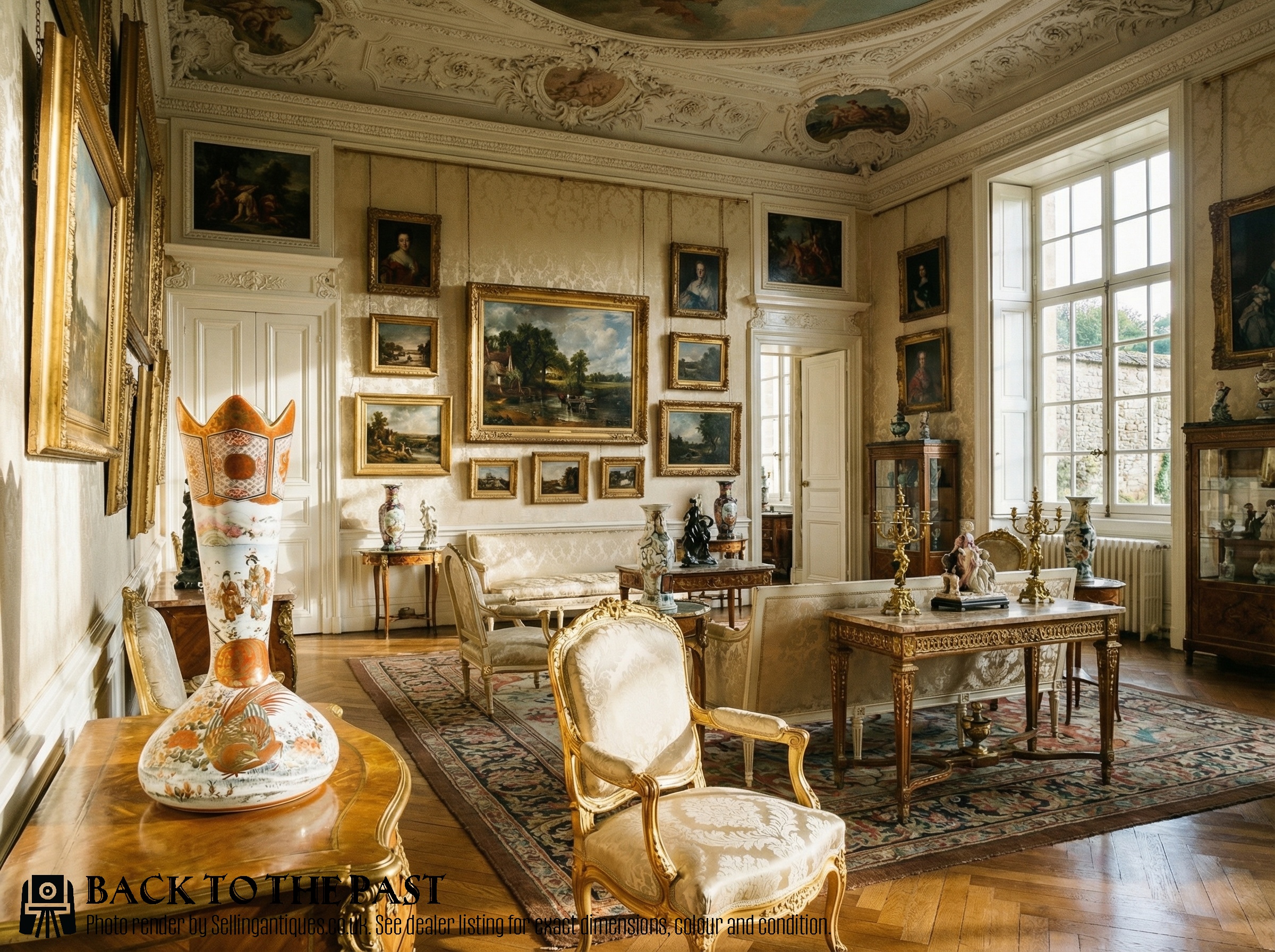
Place a large floor-standing or baluster vessel in an empty corner or upon a heavy wooden console table to anchor the room. Smaller spill vases and ginger jars work well grouped on bookshelves or mantelpieces alongside neutral ceramics.
Allow strong natural light to strike the glazed surface and metallic gilding. Keeping surrounding decor understated lets the rich orange pigments and intricate patterns remain the focal point.
What is the difference between Imari and Kutani vases?
Imari porcelain relies on a tight palette of underglaze cobalt blue combined with iron red and gold, featuring geometric and floral panels. Kutani ware leans heavier into pictorial scenes rendered in broader strokes of vivid orange and gold.
Both Japanese styles emerged from distinct traditions but share a vibrant aesthetic that complements European decorative schemes. Examining the density of the brushwork helps distinguish between the two.
Were these vases meant for flowers?
Many forms served purely decorative purposes as garnitures, mantel ornaments, or covered ginger jars rather than holding water and stems. Spill vases specifically held taper lights near fireplaces rather than botanical arrangements.
Jardinieres and large urns accommodated potted plants or fresh cut blooms. Checking the interior glaze and base condition reveals whether a vessel was designed to contain liquid.