
Meiji Ceramic Urns
These meiji ceramic urns and vases bring the rich decorative traditions of late nineteenth and early twentieth century Japan directly into your rooms.

Meiji Ceramic Urns
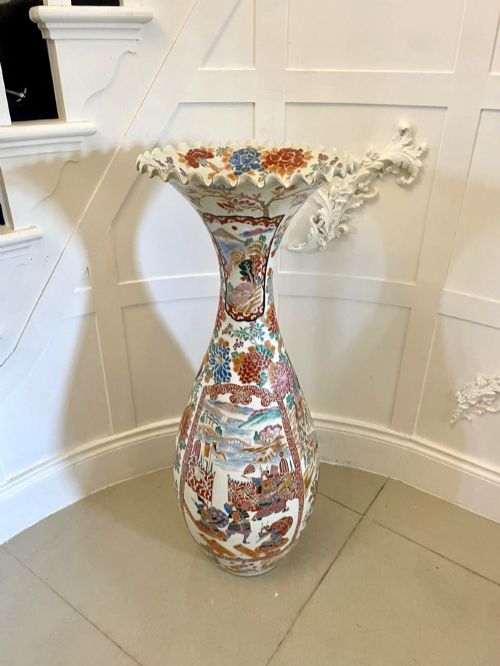
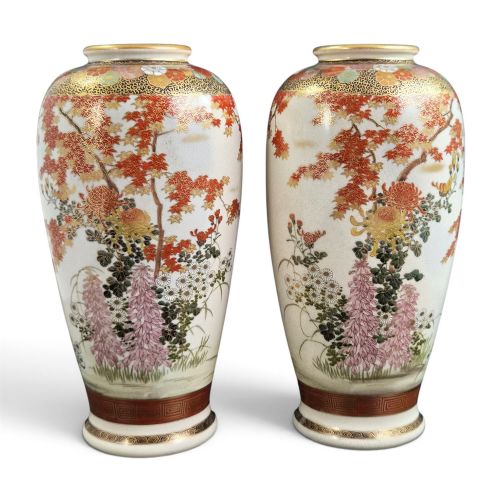
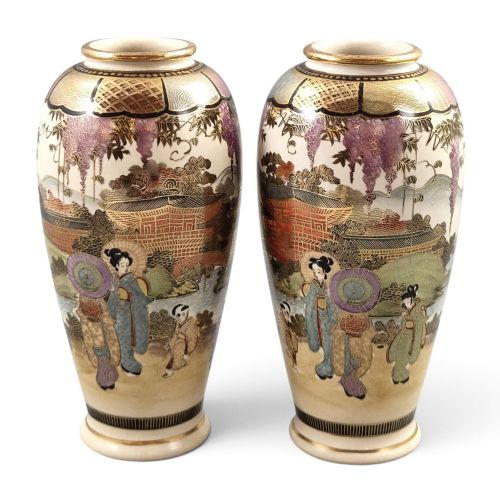
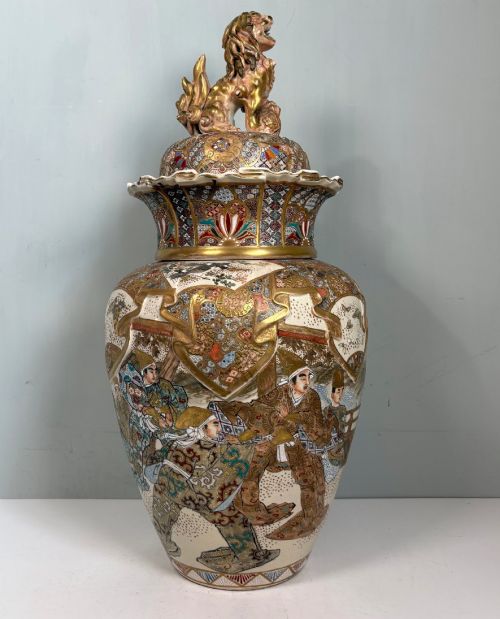
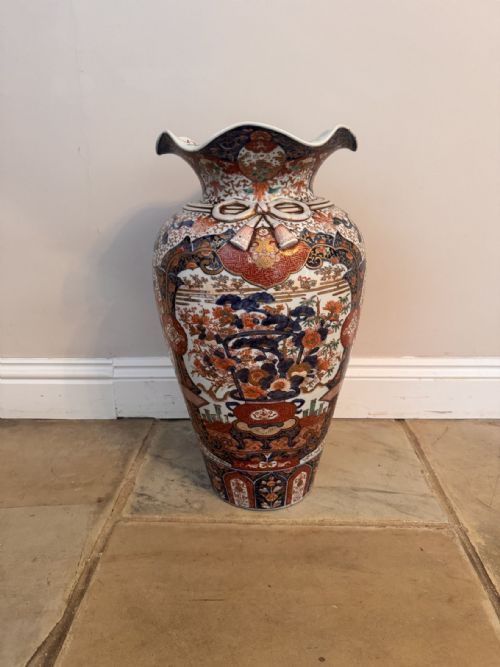
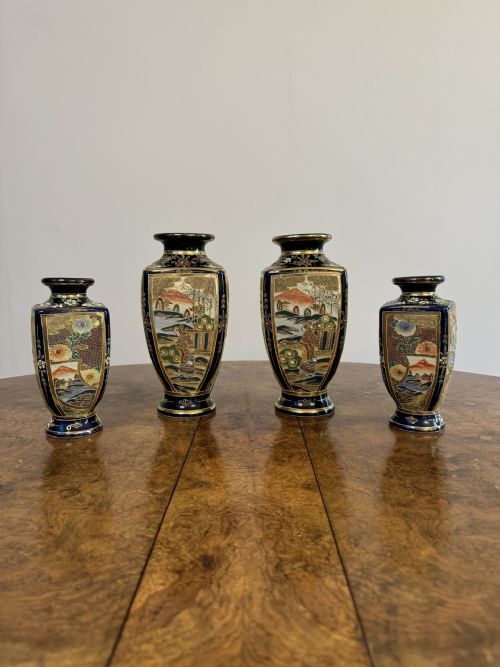
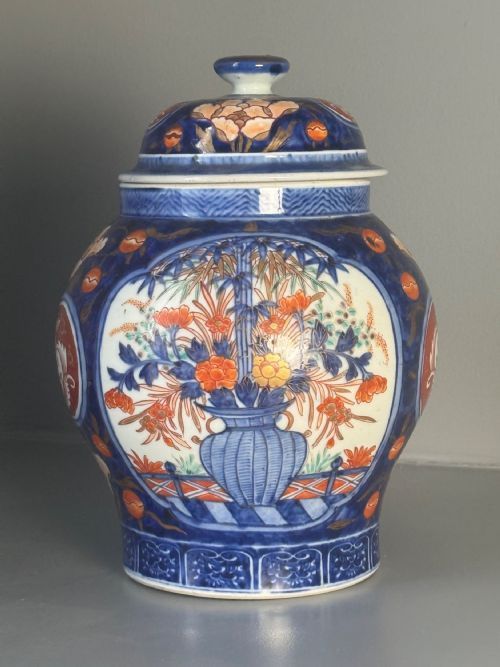
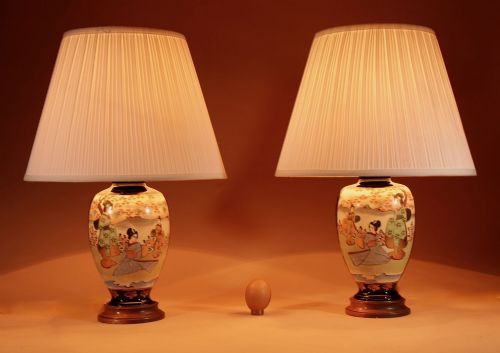
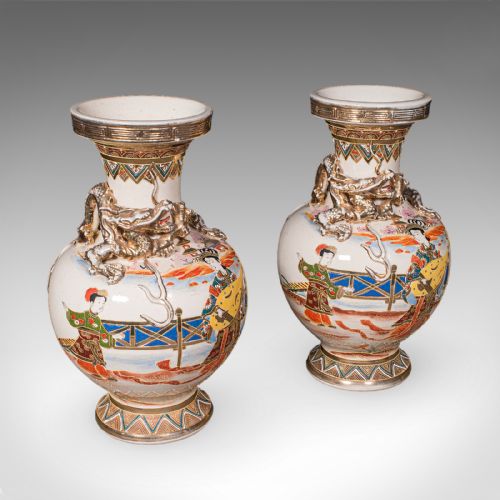
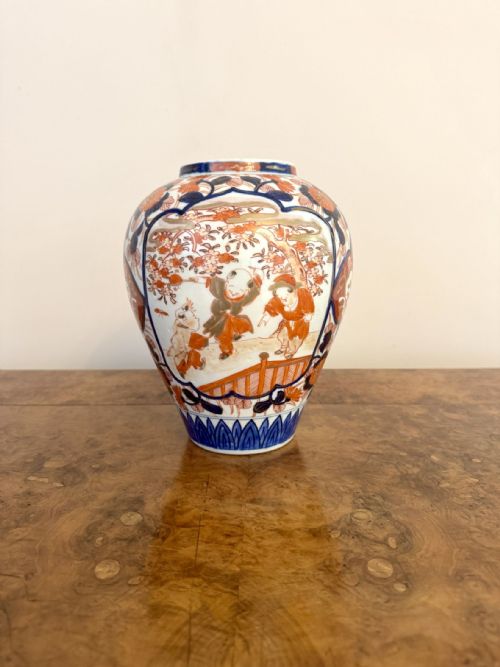
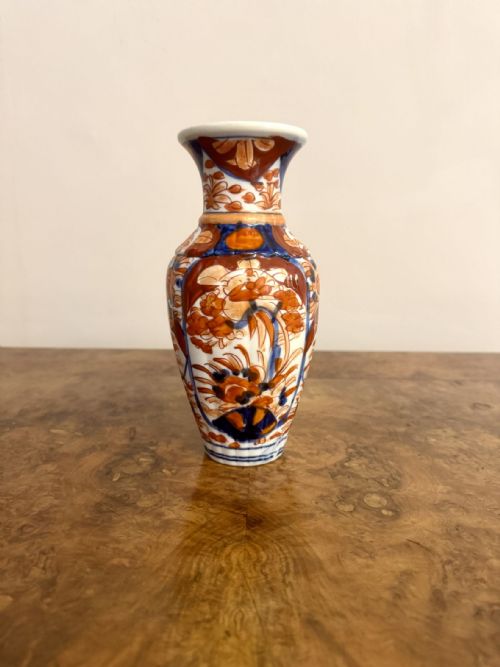
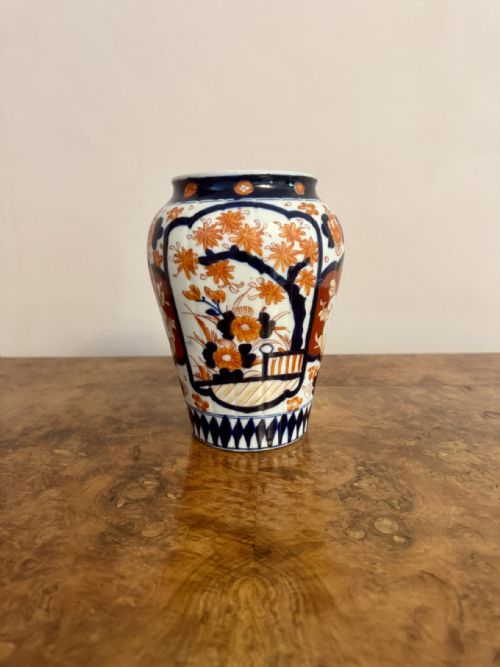
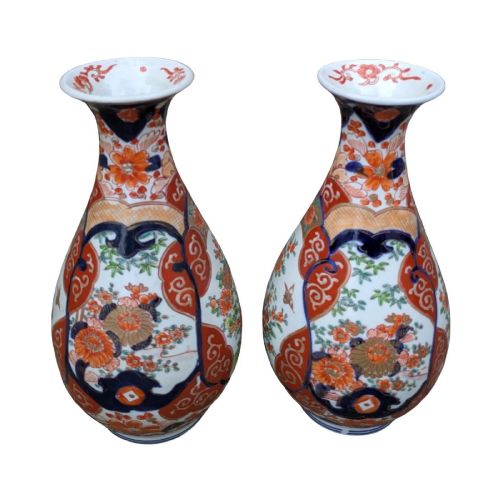
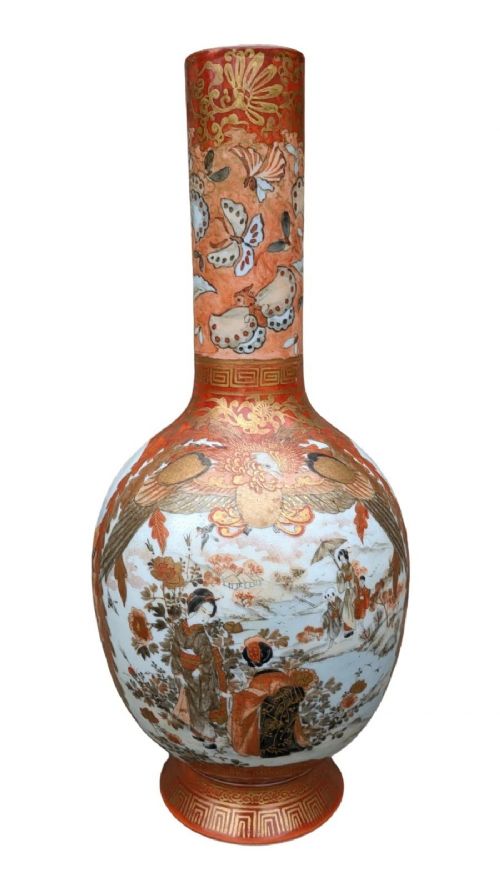
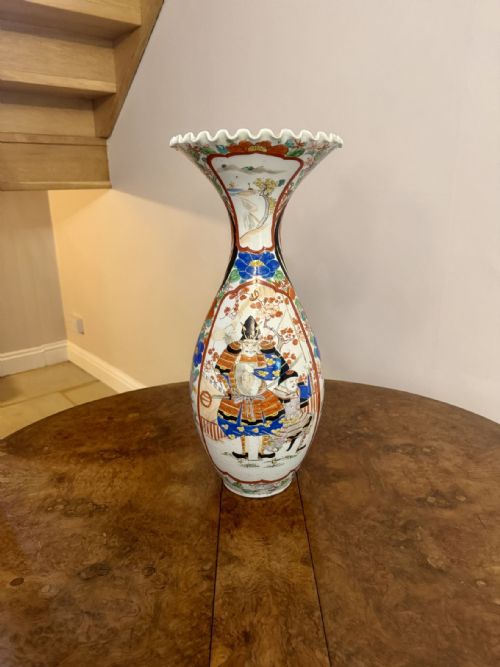
When searching for meiji ceramic urns, buyers encounter a variety of forms including large floor standing vases, ginger jars, garnitures, and jardinieres. These pieces originate primarily from the Meiji period and subsequent Taisho transition, spanning the nineteenth and early twentieth centuries. The selection on this page relies heavily on traditional Japanese aesthetics translated through styles such as Imari, Satsuma, and Kutani.
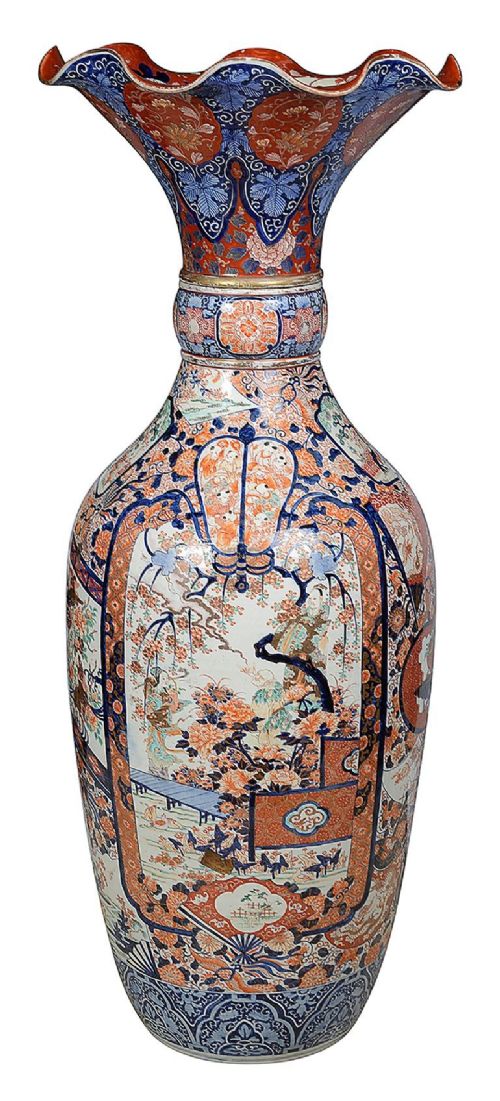
The practical vessels range from compact table lamps to monumental floor vases standing several feet high. Many incorporate specific structural designs like baluster shapes, double gourde silhouettes, or fitted lids. Makers utilised regional Japanese techniques to produce both utilitarian decorative objects and grand exhibition pieces.
What varies in quality
Quality in these ceramics rests upon the precision of the brushwork and the complexity of the decorative scheme. Pieces featuring dense, multi-figure narratives or elaborate Thousand Butterflies motifs demonstrate higher levels of artisan engagement than simpler floral designs. The integration of gold leaf and enamel also marks the distinction between standard production items and masterworks.
Scale and ambition dictate the upper tier of the range, evidenced by monumental floor standing vases and matching original porcelain stands. Workshop attribution further elevates a piece, with documented output from notable names carrying distinct aesthetic weight compared to unsigned work.
Material evidence records earthenware, porcelain, and stoneware bodies enhanced with gold leaf, enamel, glaze, and occasional lacquer panels.
Maruni Kobe·Shozan·Kinkōzan·Kinzan·Hotoda·Makuzu Kozan·Kato Sanhei·Makuzu Kozan II
The Meiji Ceramic Urns Glossary
- Imari
- A traditional style of Japanese porcelain featuring a distinct palette of underglaze blue, iron red, and gold. These pieces often display intricate floral and geometric panel designs.
- Satsuma
- An earthenware ceramic type characterised by a fine crackle-glaze finish and richly coloured enamel and gilt decorations. Motifs commonly include figures, landscapes, and elaborate borders.
- Kutani
- A style of Japanese pottery noted for its vibrant polychrome glazes and bold artistic expression. The palette frequently utilises strong greens, blues, yellows, and purples.
- Garniture
- A set of matched vases or jars designed to be displayed together on a mantelpiece or cabinet. These groupings typically consist of three or more graduated pieces.
- Baluster
- A vase form featuring a rounded body that tapers toward a narrow neck and a flanged rim. This classic silhouette provides structural stability for larger ceramic vessels.
Meiji Ceramic Urns: Frequently Asked Questions
Where were these ceramics made?
These pieces originate from various ceramic production centres across Japan during the late nineteenth and early twentieth centuries. Prominent regions like Kyoto and Satsuma developed distinct styles that define individual workshops.
Specific kilns and regional potteries contributed unique clay bodies, glazing techniques, and decorative motifs to the broader Meiji aesthetic.
How do Satsuma and Imari differ?
Satsuma wares utilise an earthenware body covered with an ivory crackle-glaze, serving as a canvas for detailed enamel and gilt painting. Imari pieces consist of hard porcelain decorated in underglaze blue and contrasting iron red.
Satsuma focuses heavily on figurative and narrative scenes, while Imari relies on structured geometric and floral arrangements.
Can these vases hold water?
Many antique ceramic vessels are intended strictly for decorative display rather than functional horticultural use. The porous nature of certain earthenware bodies, particularly Satsuma wares, makes them unsuitable for containing liquids.
Examine the interior and base of each specific piece to determine its structural condition and original intended function.
How should I display large floor vases?
Monumental floor vases require stable, level positioning away from high-traffic household areas to ensure physical security. Placing them directly on solid flooring highlights their height and architectural presence.
Some grand examples include matching original stands that distribute weight and complete the intended historical presentation.