




Japanese Blue Porcelain
Japanese blue porcelain brings cobalt tones and hand-painted artistry into any interior.
Japanese Blue Porcelain
When you search for Japanese blue porcelain, you encounter items shaped from fine ceramic materials, often decorated with cobalt underglaze or glaze. The pieces span centuries of production, including items from the 17th century through to the 20th century.
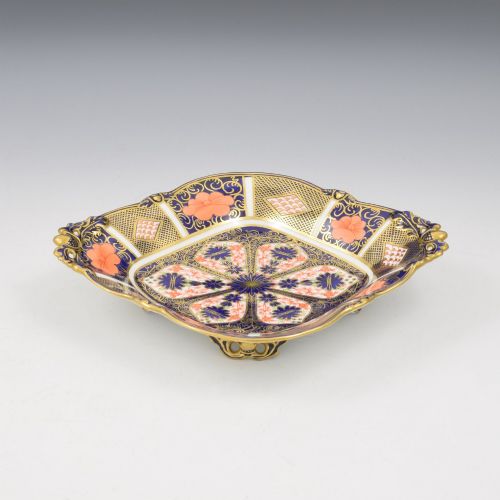
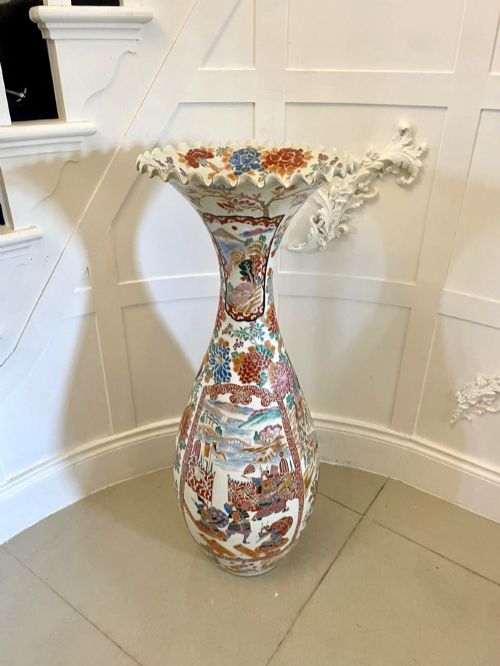
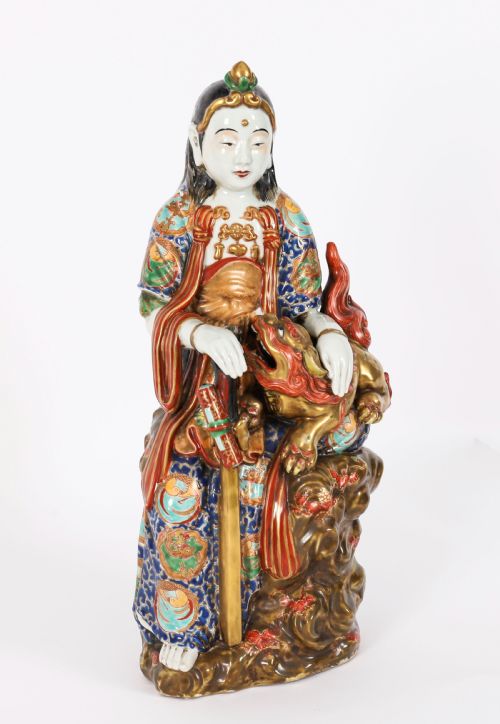
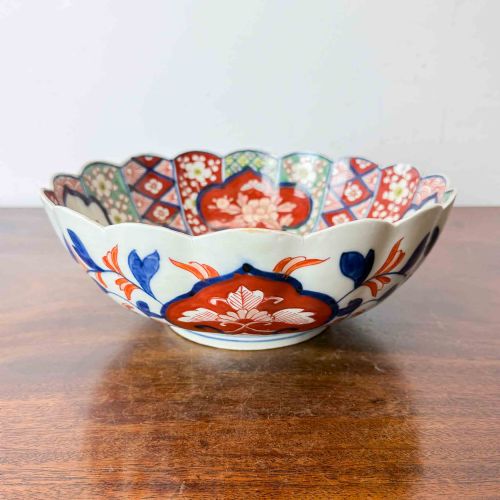
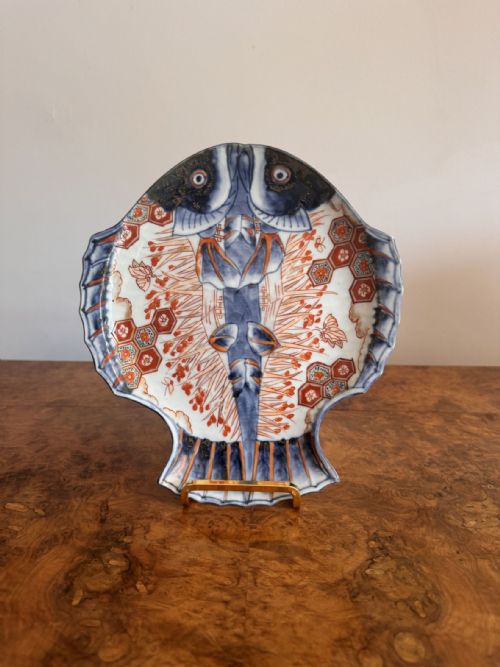
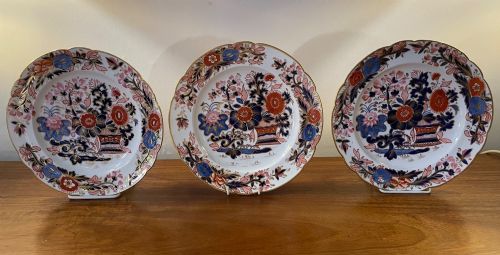
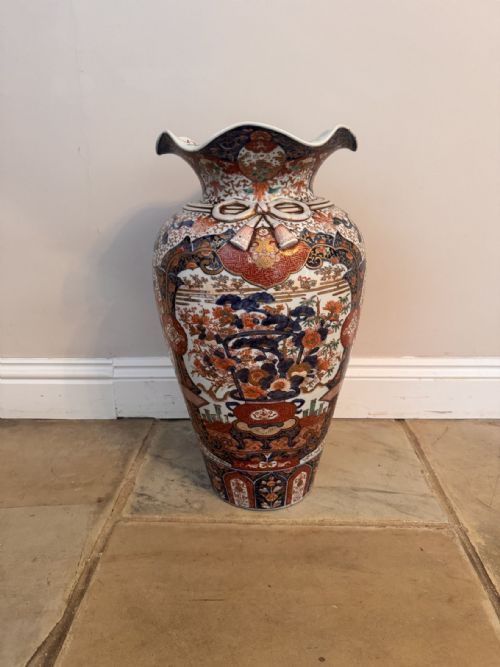
The objects most frequently met on this page include decorative plates, chargers, vases, bowls, and jars. These vessels take various forms, such as scalloped edges, fish shapes, and floor-standing sizes, reflecting traditional craftsmanship.
Many items originate from specific eras like the Meiji period or the Edo period, showcasing distinctive regional techniques. Collectors also find blue and white porcelain chargers and jardinieres designed for display or utilitarian use.
Materials and Techniques
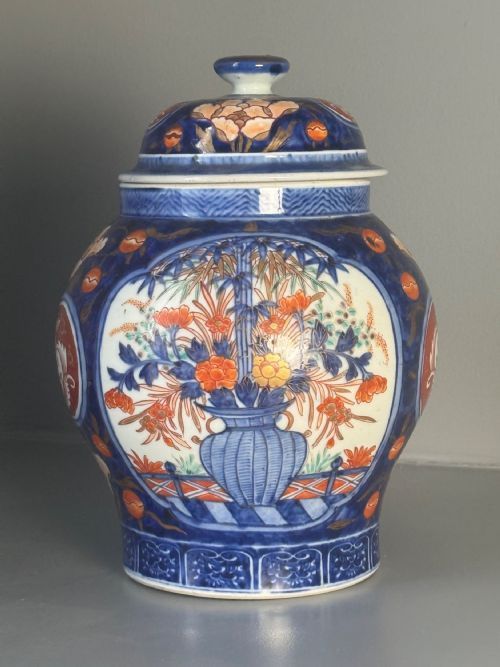
The manufacturing process relies on high-fired porcelain shaped into vessels, bowls, and plates. Artisans then applied cobalt underglaze or glaze before firing the ceramic to achieve deep blue hues.
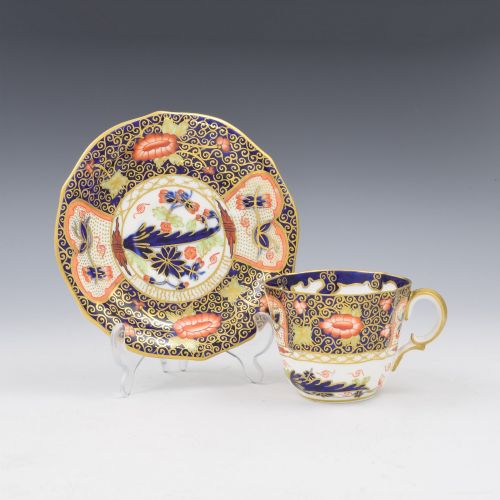
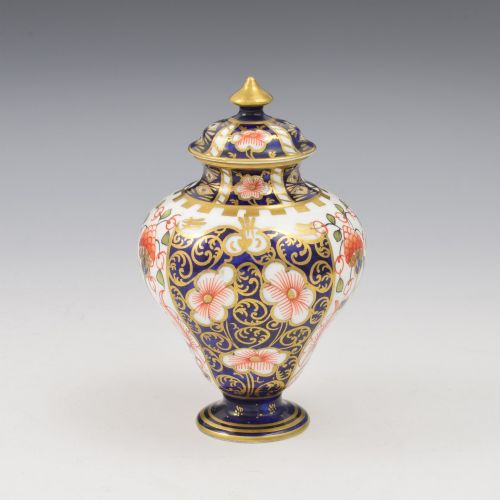
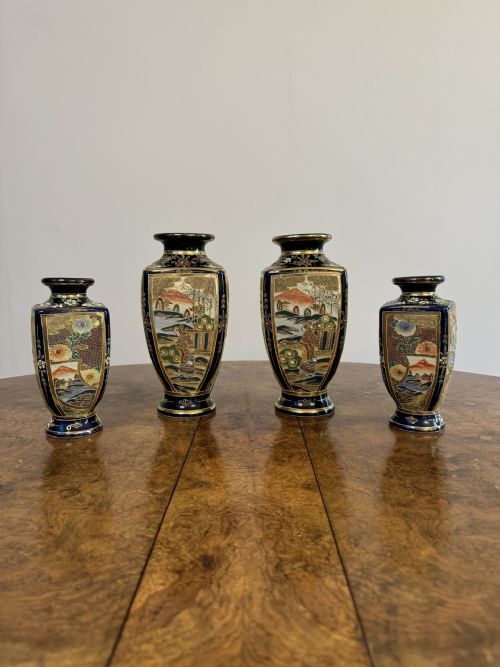
Many examples incorporate additional decorative elements such as enamel, gold leaf, and gilt highlights over the base porcelain body. These supplementary layers of glaze and metallic detailing were applied carefully to enhance the visual depth of the surface.
Listings feature porcelain items spanning the 17th century through the Edwardian era, incorporating materials like cobalt underglaze, enamel, and gold leaf.
Judging Quality
Quality in these ceramics rests upon the precision of the hand-painted cobalt underglaze work and the refinement of the porcelain body. Pieces showing crisp linework and balanced composition stand apart from simpler utilitarian wares.
The preservation of applied elements like gold leaf, enamel, and gilt details also defines the standard of a piece. Intricate moulding, such as scalloped edges or complex vessel forms, indicates a higher level of artisan skill during production.
The Japanese Blue Porcelain Glossary
- Cobalt Underglaze
- A blue pigment applied directly to the unglazed porcelain body before a transparent glaze layer covers it. This technique protects the decoration from wear during use.
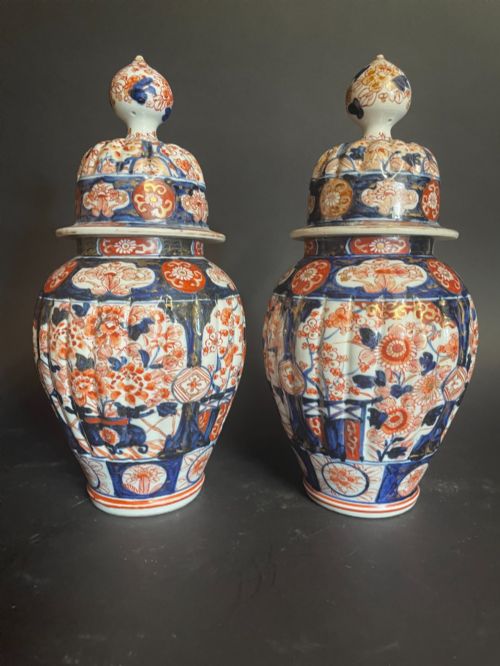
- Imari
- A style of Japanese porcelain featuring blue underglaze combined with iron red, gold, and other colours. It originated in the town of Arita and became popular for export.
- Charger
- A large decorative plate intended for display on a wall or sideboard rather than for dining. These wide vessels often display elaborate painted scenes.
- Jardiniere
- An ornamental pot or receptacle designed to hold plants or flowers. In this category, they frequently feature substantial blue and white porcelain walls.
- Meiji Period
- A historical Japanese era spanning from 1868 to 1912 marked by increased international trade and refined ceramic arts. Pieces from this time often exhibit intricate detailing.
Japanese Blue Porcelain: Frequently Asked Questions
What is Japanese blue porcelain?
Japanese blue porcelain encompasses ceramic vessels and decorative items finished with cobalt blue glazes or underglaze painting. The category includes chargers, vases, and bowls produced across multiple historical periods.
These pieces showcase traditional East Asian motifs and kiln techniques developed by skilled potters over centuries.
How were these porcelain pieces used?
Many items served practical domestic functions, such as tableware, pitchers, and inkwells for daily use. Others were created purely as decorative display objects, including large floor-standing vases and wall chargers.
Jardinieres and bowls often held plants or water, integrating art directly into the household environment.
How do I live with antique porcelain?
Displaying these ceramics securely on stable surfaces protects them from accidental knocks and structural damage. Placing them away from direct sunlight preserves the vibrancy of the blue glazes and applied gold leaf.
Gentle dusting with a soft cloth keeps the glazed surfaces clean without risking abrasion to delicate enamel or gilt details.
How do I tell periods apart?
Identifying the period relies on examining the specific painting style, potting techniques, and historical kiln characteristics. Meiji period items often display fine, intricate brushwork, whereas 17th-century Edo pieces exhibit distinct forms and simpler cobalt tones.
Comparing the potting weight and foot ring construction helps determine the era of manufacture.