
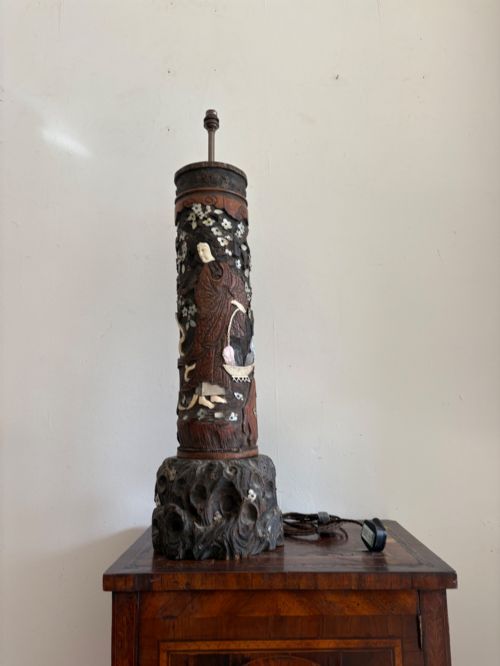


Japanese Figurative Vase
These Japanese figurative vase pieces bring intricate Meiji period artistry and hand-painted detail into a room.
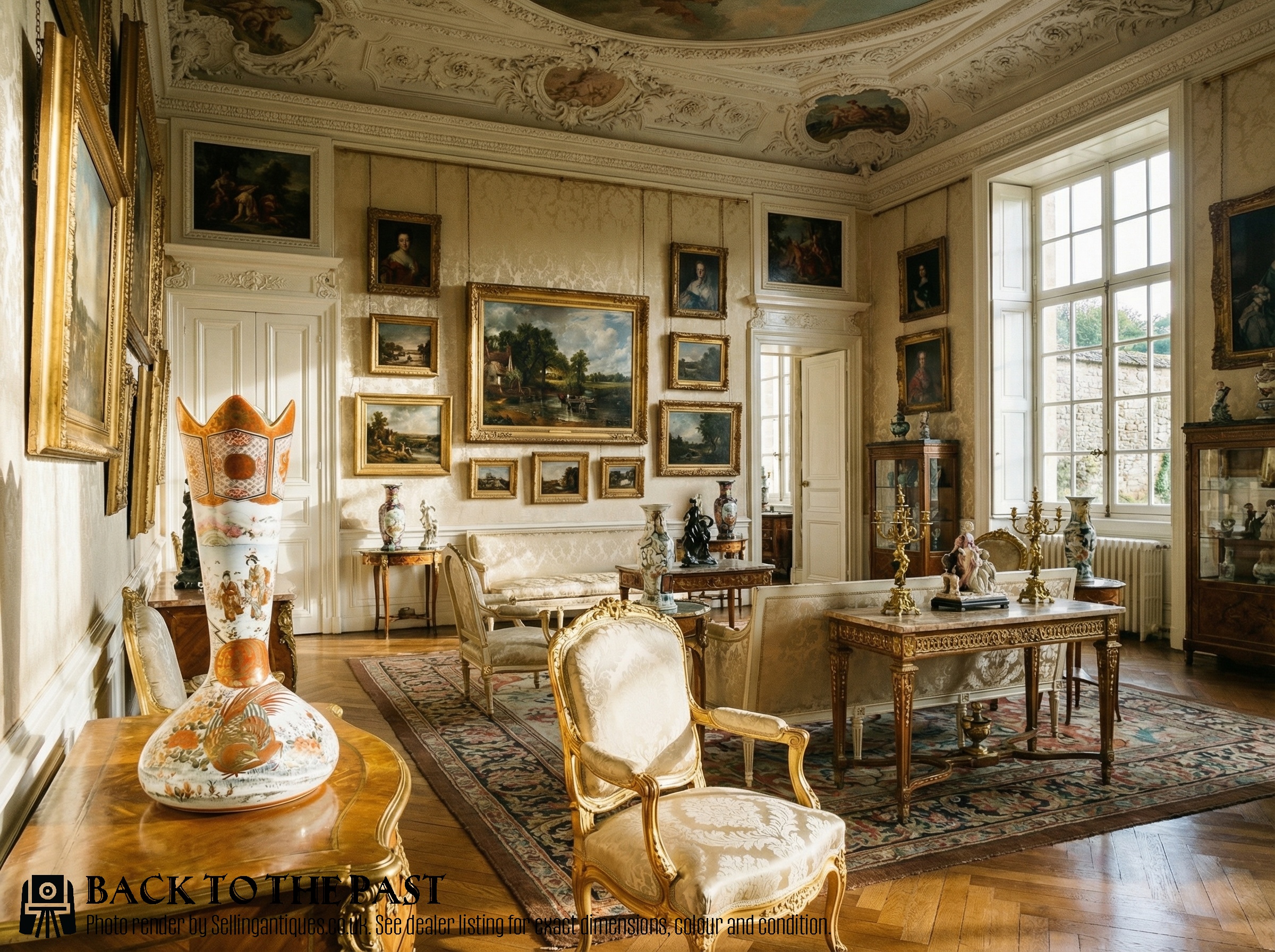
Japanese Figurative Vase
A Japanese figurative vase represents the pinnacle of late nineteenth-century ceramic and earthenware production, often originating during the Meiji period. Collectors encounter distinct regional styles such as Kutani, Satsuma, and Imari, each carrying specific decorative traditions.
The forms on this page range from grand baluster and bottle-shaped vessels to lidded containers and converted table lamps. Many examples display elaborate scenes involving human figures, deities, or historical narratives alongside dense floral motifs.
Export wares created for Western markets sit alongside pieces bearing artist signatures, reflecting a period of intense creativity and technical ambition among Japanese makers. These vessels function equally well as striking focal points or as additions to established Asian art collections.
Materials and construction
Potters and ceramicists utilised fine porcelain and dense earthenware as the primary foundation for these vessels, shaping them on the wheel or casting them by hand. Artisans then applied intricate mineral enamels and detailed hand-painting, frequently incorporating rich gold leaf to highlight key pictorial elements.
Certain decorative treatments involved carved wood components, mother of pearl inlays, or textured fabric elements to add tactile depth to the surface. Kiln firing techniques allowed for the vibrant cobalt blues and iron reds characteristic of Imari wares, alongside the finely crackled glazes typical of Satsuma pottery.
Japanese Figurative Vase Retail Price Guide 2026
Typical asking prices for japanese figurative vase among the pieces listed under this phrase on Sellingantiques today, from the lower quarter to the upper quarter. They describe what is for sale here now, not the wider market.
Current listings feature porcelain, earthenware, and carved wood forms from the nineteenth century.
Assessing quality and execution
The refinement of the hand-painted brushwork dictates much of the distinction between standard export pieces and exceptional works of art. Precise facial expressions on figurative scenes and meticulous placement of gold leaf separate superior examples from simpler production wares.
The complexity of the glaze work and the crispness of the underlying ceramic form reveal the skill of the original workshop. Signed pieces by notable makers generally demonstrate a higher tier of artistic ambition and technical control.
Kinkozan
The Japanese Figurative Vase Glossary
- Meiji period
- The era in Japanese history spanning from 1868 to 1912, characterised by opening trade with the West and a flourishing of decorative arts. Pieces from this time often exhibit exceptional technical detail and hybrid aesthetic influences.
- Satsuma
- A type of Japanese earthenware featuring an ivory-coloured, crackled glaze decorated with polychrome enamels and gold. This ware frequently depicts complex figurative scenes and dense floral patterns.
- Imari
- A traditional style of Japanese porcelain originating from the town of Arita, typically decorated in underglaze blue, iron red, and gold. These vessels are known for their bold, symmetrical palettes and rich surface ornamentation.
- Kutani
- Japanese ceramic ware renowned for its vibrant colour palette, particularly greens, yellows, purples, and reds. The tradition encompasses both early wares and later export pieces featuring detailed pictorial subjects.
Japanese Figurative Vase: Frequently Asked Questions
How do I identify a Satsuma vase?
Satsuma wares are recognised by their characteristic cream-coloured earthenware body covered in a fine network of crackled glaze. They are traditionally decorated with elaborate overglaze enamels and raised gold accents.
Figurative scenes depicting historical or mythical figures are common on these pieces. The underside sometimes bears a maker or workshop mark in gold or black enamel.
What is the difference between Imari and Kutani?
Imari pottery relies on a distinct palette of deep cobalt blue, iron red, and gold applied to a porcelain base. The patterns tend to be dense, structured, and geometric alongside floral elements.
Kutani porcelain and earthenware typically showcases a broader, more vibrant range of enamel colours, notably greens and purples. Kutani pieces frequently focus on narrative figure painting and pictorial compositions.
How should I display a antique Japanese vase?
These vessels require stable placement away from direct sunlight to protect the delicate gold leaf and enamel pigments. Placing them on a sturdy surface ensures they remain secure, particularly larger baluster or lidded forms.
Allowing adequate space around the vase lets the intricate hand-painted details and figurative scenes remain visible from various angles in the room.
Are all Meiji period vases signed?
Not all pieces from the Meiji period bear an artist signature or studio mark, as many high-quality export items were produced for international trade without individual signatures. Unsigned works can still demonstrate exceptional craftsmanship and artistic merit.
When a signature or cipher is present, it usually provides insight into the specific workshop or region where the vessel was created.