
Meiji Porcelain Vase
When you handle a meiji porcelain vase, you encounter the vibrant palettes and ambitious scale of late-nineteenth-century Japanese ceramic artistry.
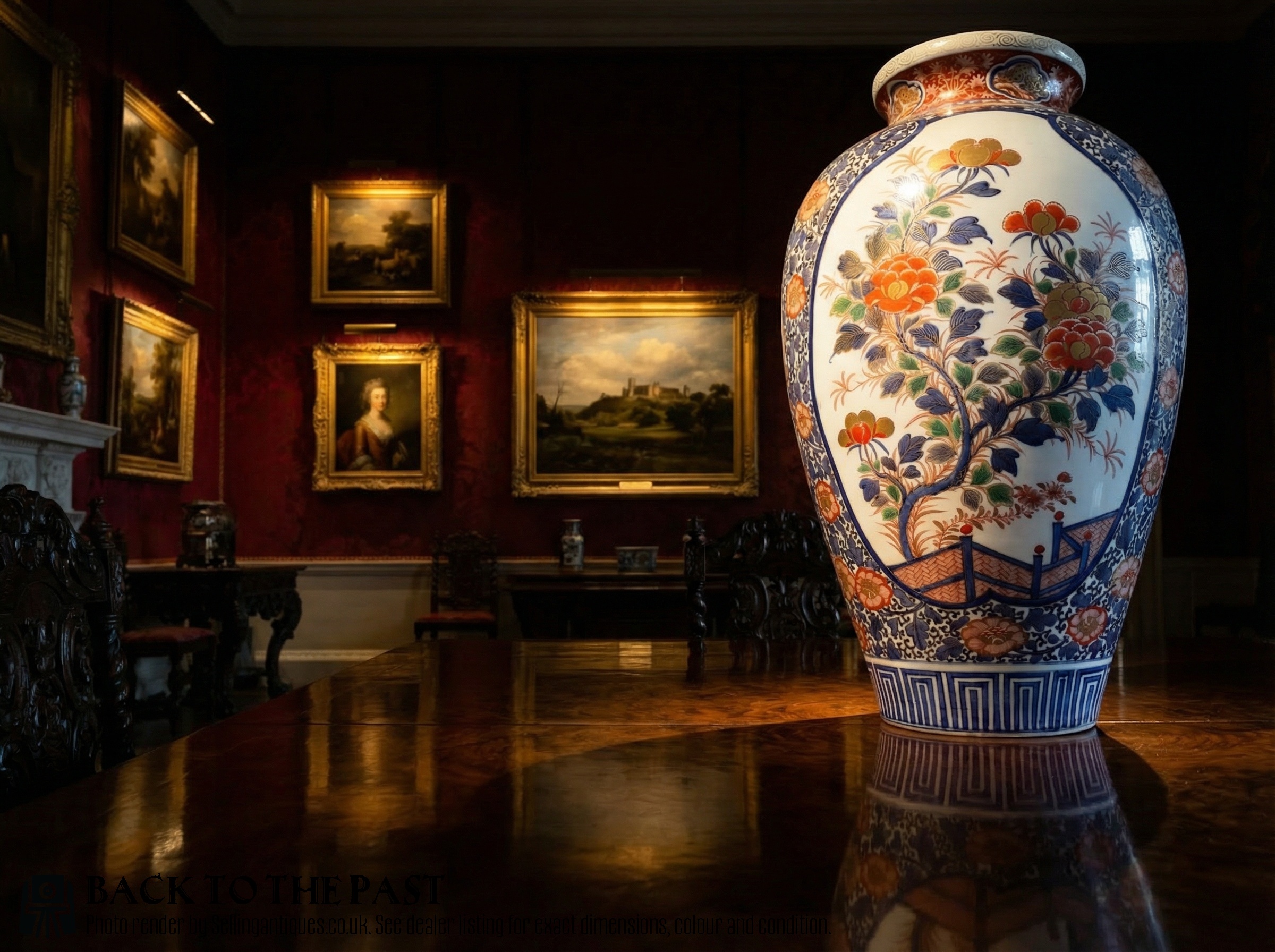
Meiji Porcelain Vase
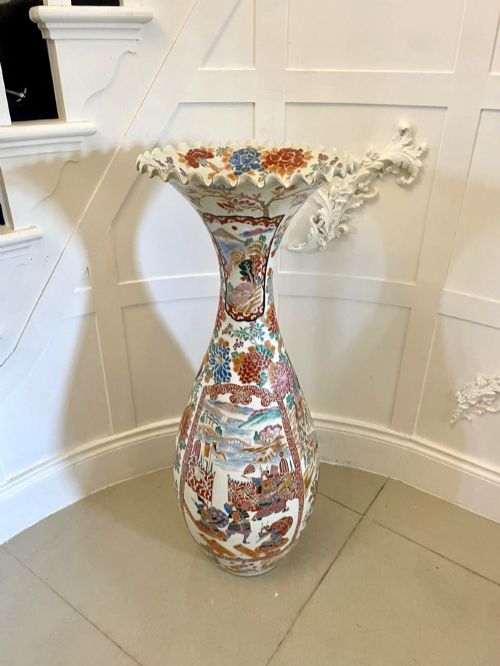
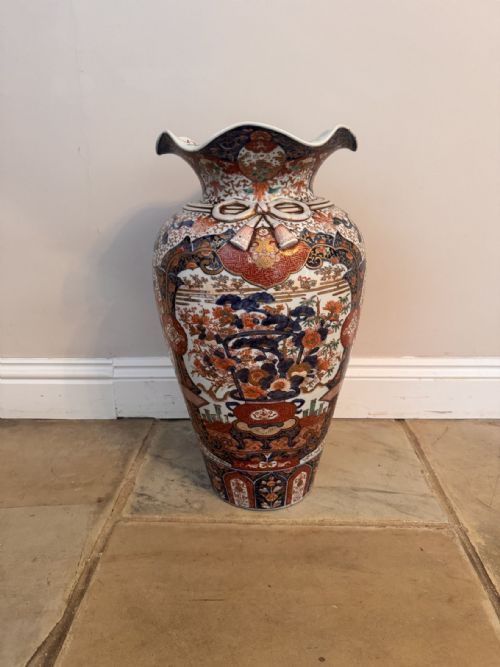
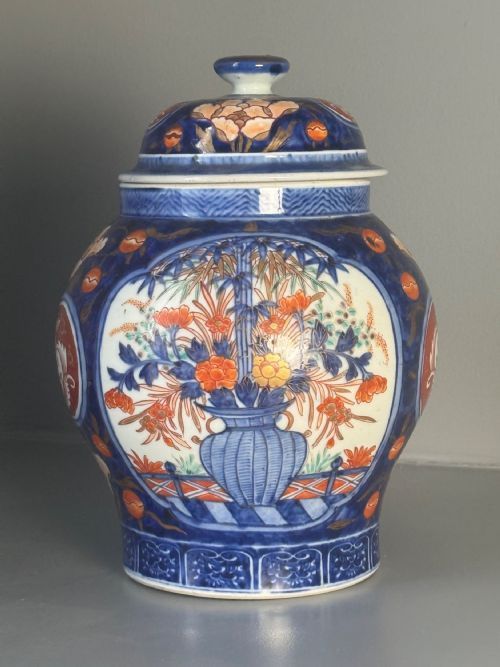
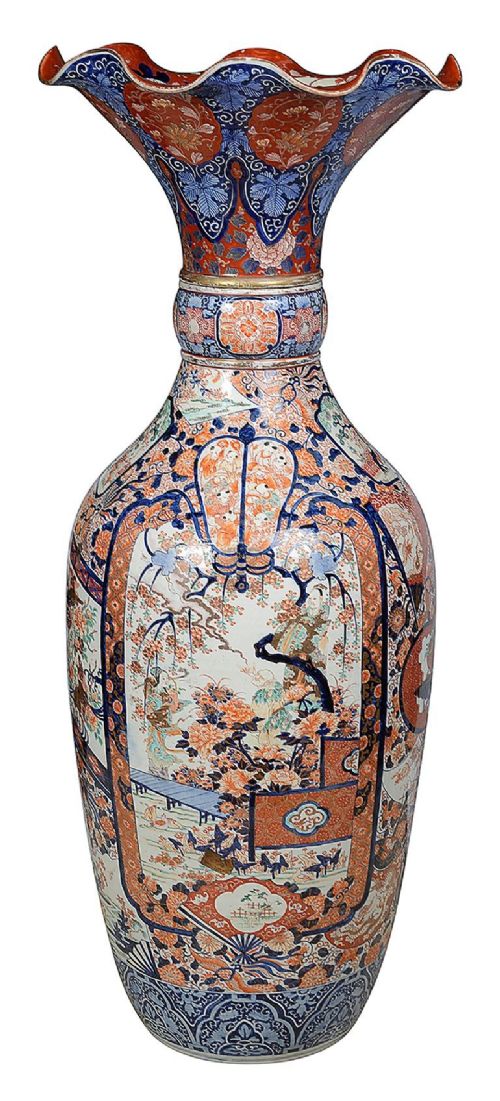
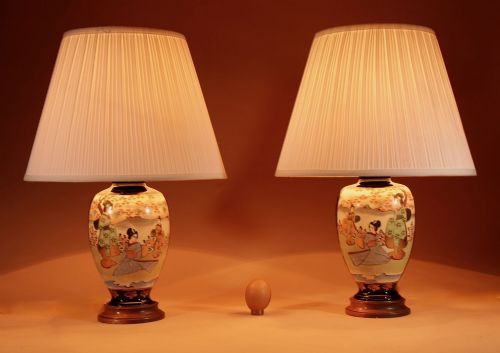
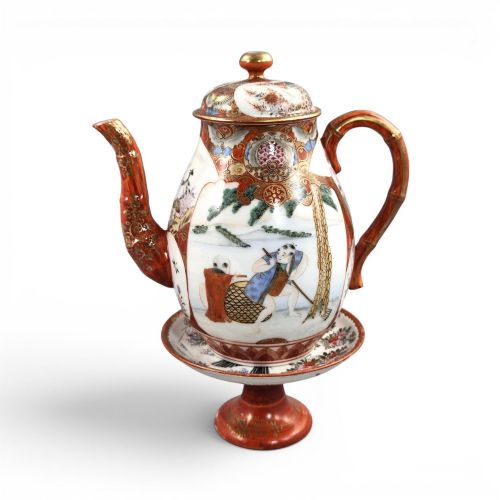
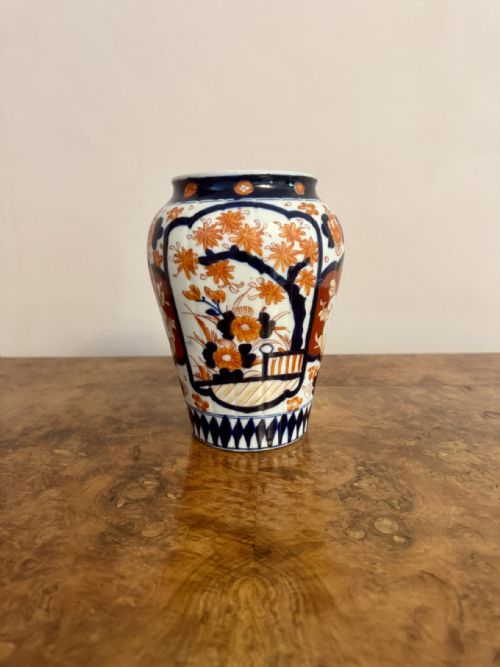
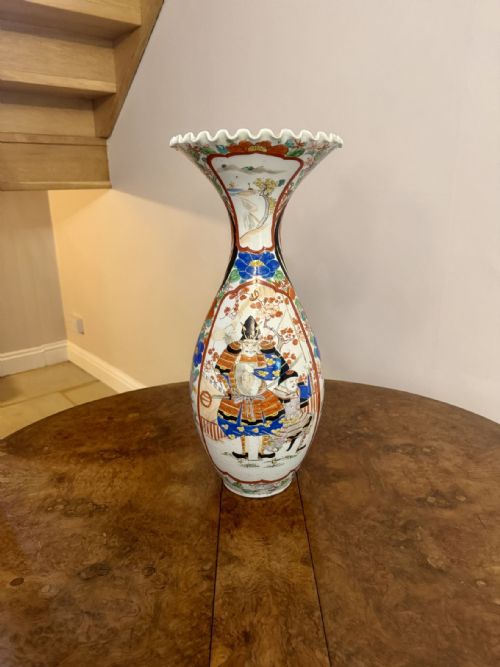
A meiji porcelain vase typically emerges from the late nineteenth or early twentieth century, spanning standard baluster shapes, ginger jars, and monumental floor-standing pieces. The selection includes domestic tabletop vessels as well as export pieces designed for Western interiors.
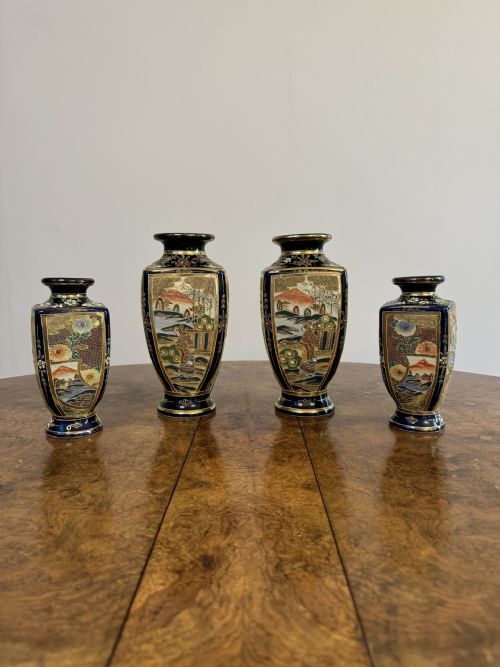
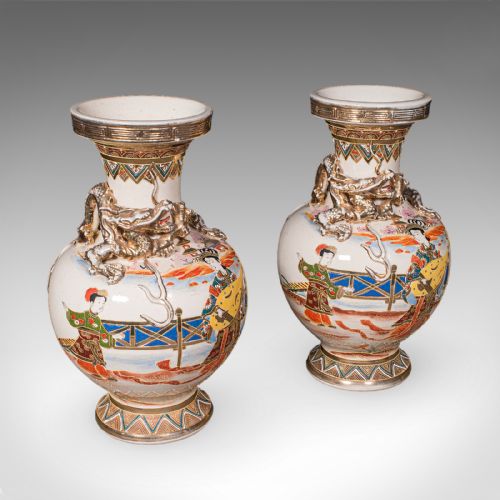
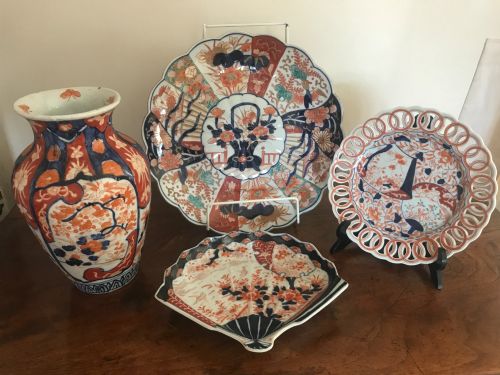
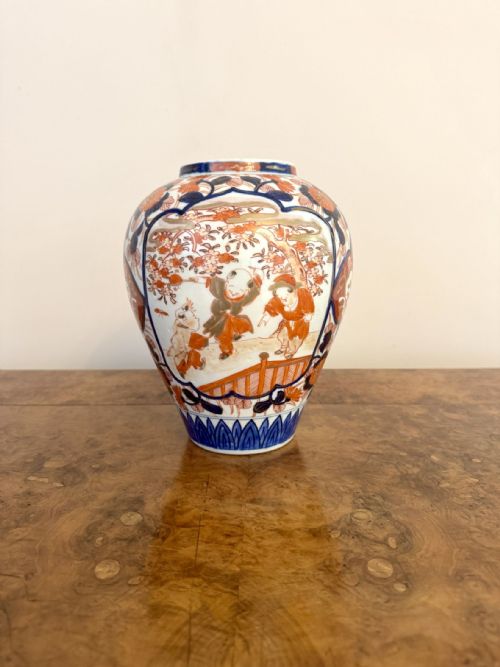
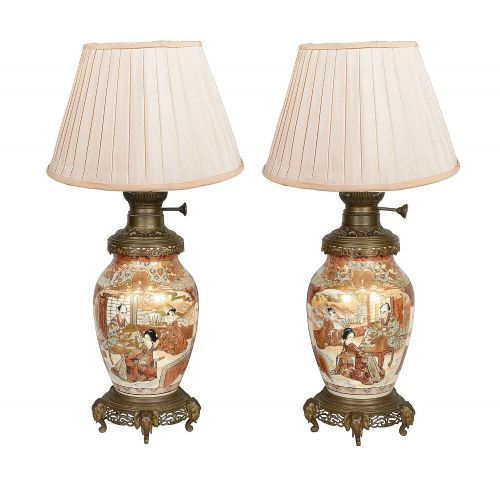
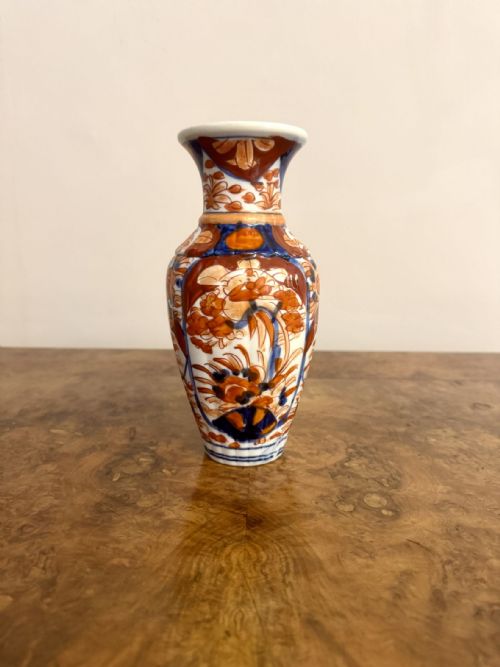
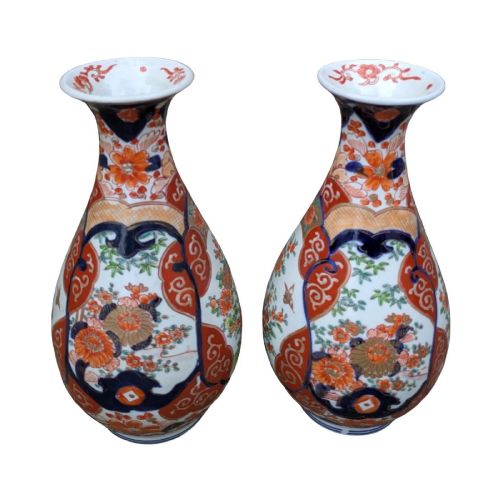
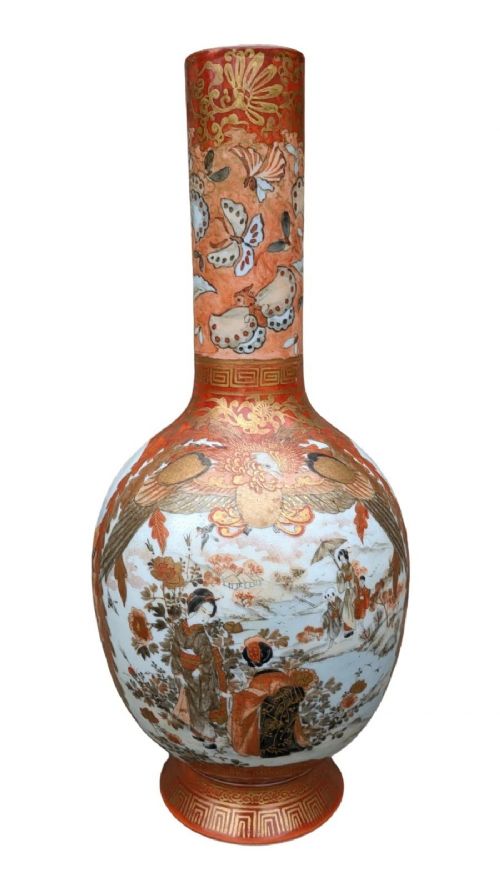
Japanese Imari and Satsuma dominate the offerings, alongside Kutani and Koransha wares. Buyers frequently encounter matching pairs and garnitures of three or four vessels alongside single statement pieces.
Makers utilised traditional regional kilns to produce forms ranging from small eggshell porcelain bottles to imposing double-gourd structures. Many of these ceramic bodies carry distinct painted or printed studio signatures from prominent workshops.
Materials and construction methods
Potters shaped refined porcelain and earthenware bodies on the wheel or in moulds before applying underglaze blue and rich overglaze enamel palettes. Artisans often integrated raised gold leaf and intricate gilt detailing across the surface decoration.
Kiln workers fired these pieces at high temperatures to achieve durable glazes, sometimes incorporating lacquer panels or specialised eggshell porcelain walls. The resulting vessels combine robust ceramic foundations with meticulous pictorial narratives.
The inventory records diverse forms ranging from small eggshell porcelain cups and ewers to monumental floor-standing vases measuring over four feet high.
Distinguishing quality across the range
The standard of painting defines the division between ordinary production wares and masterwork items, particularly in the precision of figural scenes depicting arhats, dragons, and flora. Complex compositions featuring dense thousand-arhat motifs or detailed koi carp demand superior brushwork.
The clarity of the glaze and the preservation of applied gilding and enamel colours determine the overall visual impact of the piece. Workshops associated with notable names such as Kinkōzan or Makuzu Kozan often display a higher degree of execution in potting and finishing.
Kinkōzan Kyoto·Hotoda·Makuzu Kozan·Kato Sanhei·Juzan·Eizaemon Fukagawa·Kusube Sennosuke
The Meiji Porcelain Vase Glossary
- Imari
- A traditional Japanese style of porcelain decorated in underglaze blue, iron red, and gold. It originated in Arita and became widely popular for export.
- Satsuma
- An earthenware ceramic type with a finely crackled ivory glaze, typically decorated with polychrome enamels and gilding. Satsuma pieces often feature elaborate pictorial designs.
- Kutani
- A style of Japanese porcelain and pottery known for bold colour palettes, particularly deep greens, blues, purples, and reds. Kutani wares frequently depict birds, flowers, and figures.
- Garniture
- A set of matched vases designed for display together on a mantelpiece or cabinet. These sets usually consist of three or five graduated pieces.
- Baluster
- A vase shape with a rounded body that tapers toward the base and flares at the neck. This silhouette is common in nineteenth-century ceramic design.
- Eggshell porcelain
- An extremely thin, lightweight variety of Japanese ceramic body known for its delicate translucency. It requires exceptional skill to throw and fire successfully.
Meiji Porcelain Vase: Frequently Asked Questions
How were these vases displayed originally?
Meiji period vases served as decorative focal points in both Japanese interiors and Western Victorian drawing rooms. Large floor-standing examples and garnitures filled empty salon corners and mantelpieces.
Pairs and single vessels were positioned to highlight their pictorial panels and vibrant enamel palettes under natural light.
What is the difference between Imari and Satsuma?
Imari pieces use a hard porcelain body decorated in underglaze blue with iron red and gold overlays. They present a crisp, resonant ring when tapped.
Satsuma pieces utilise an earthenware body covered in a characteristic ivory crackle glaze that provides a soft ground for dense polychrome paintings.
How do I identify a workshop mark?
Makers and kilns often applied painted signatures, calligraphy, or printed seals directly to the base of the vessel. These marks name specific artists, families, or production centres such as Arita or Kyoto.
Reference guides help translate these Japanese characters to connect a vase to its historical maker.
Can these vases be used for fresh flowers?
Most antique pieces function primarily as decorative display objects rather than utility vessels for water and stems. The porous nature of some earthenware bodies, particularly Satsuma, makes them unsuitable for holding liquids.
Dry botanical arrangements or silk stems are appropriate alternatives for safe interior styling.