



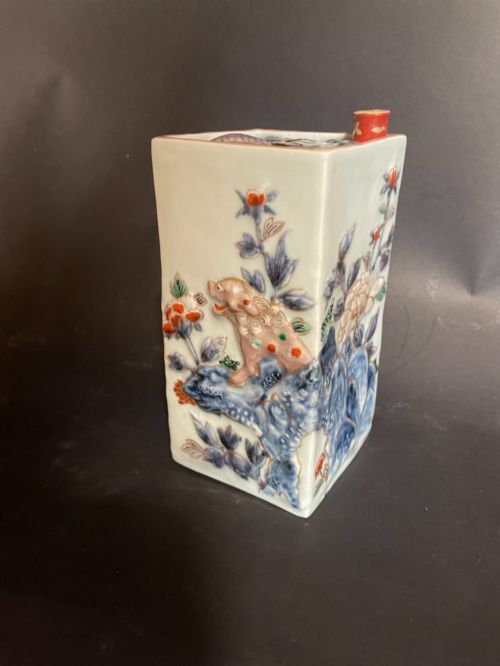


Imari Ceramic Vessels
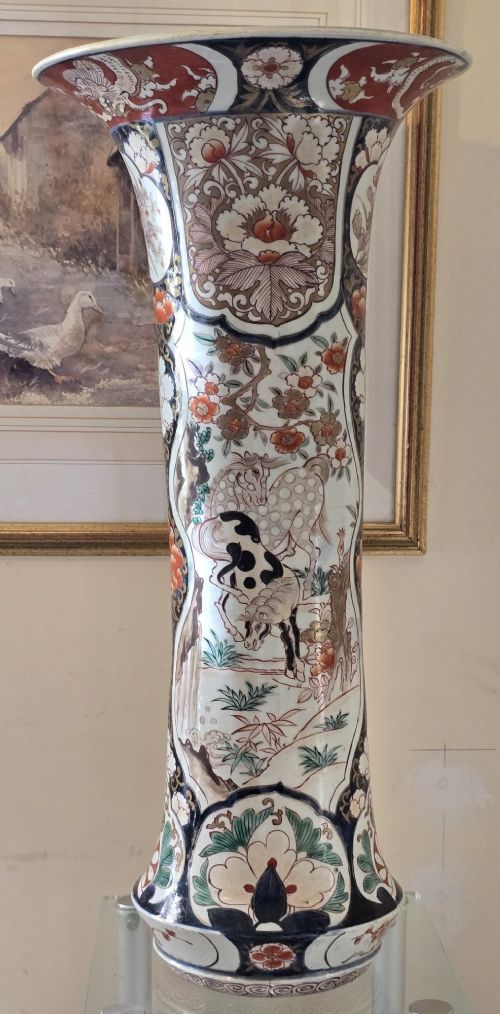
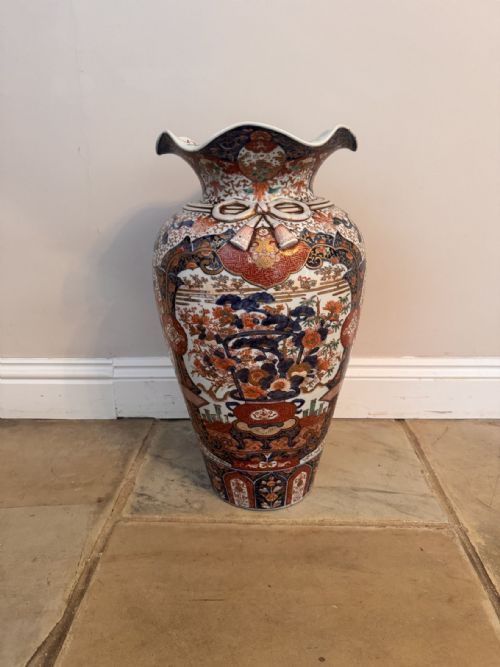
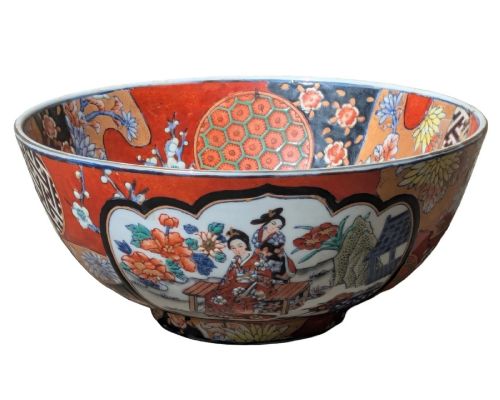
Imari ceramic vessels bring rich palettes of iron-red, underglaze blue and gold leaf to interiors, bridging historic Japanese and European porcelain traditions.
Imari Ceramic Vessels
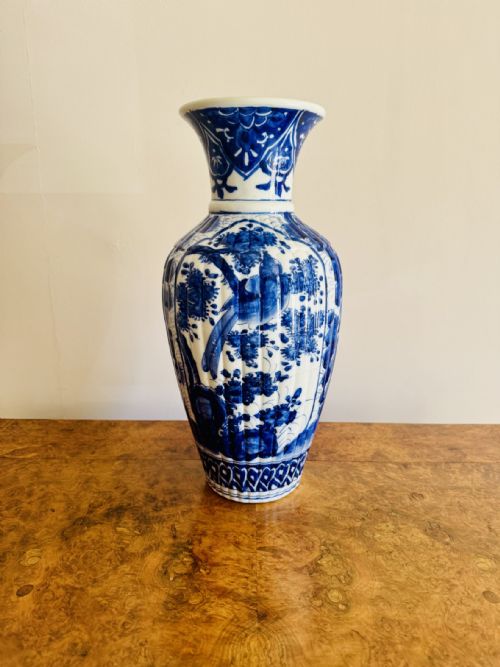
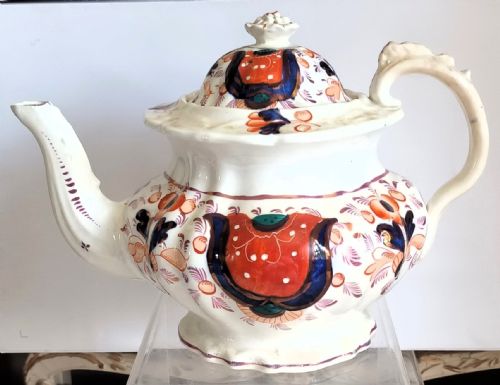
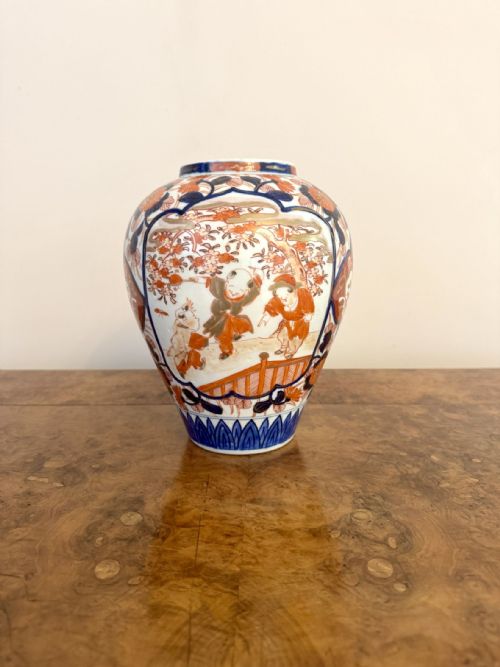
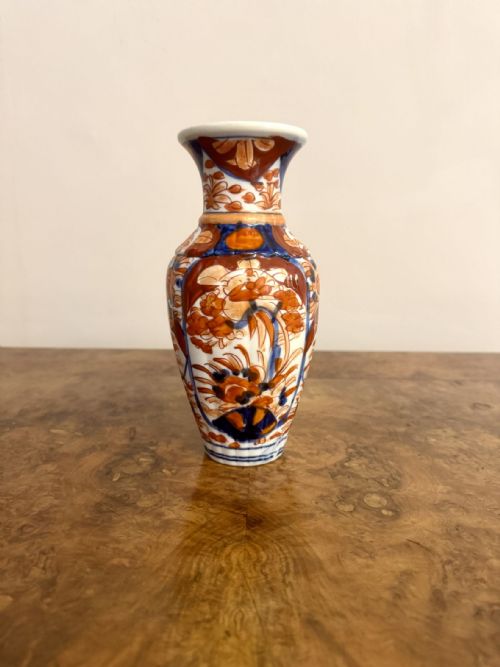
When you search for imari ceramic vessels, you encounter a diverse range of objects spanning multiple centuries, from early Japanese export pieces to later European interpretations. The selection includes vases, jardinieres, bowls, teapots, and incense burners created in various periods.
The most common examples on this page date from the nineteenth and early twentieth centuries, particularly the Meiji period and Edwardian era. These pieces demonstrate the enduring appeal of traditional patterns applied to practical and decorative vessels alike.
Originating primarily from Japanese production centres such as Arita, the style also inspired British factories to produce their own distinctive wares. Buyers find both authentic East Asian porcelain and domestic bone china or earthenware sharing the distinctive palette.
Materials and Techniques
The foundation of these objects rests on hard-paste porcelain, bone china, or earthenware formed into vessels by throwing or moulding. Potters then applied underglaze cobalt blue followed by iron-red enamel and gold leaf or gilt details.
Firing the decorated pieces required precise kiln control to bond the distinct mineral pigments and metallic elements to the glaze. Artisans utilised overglaze enamels to achieve the dense, multi-layered patterns characteristic of the tradition.
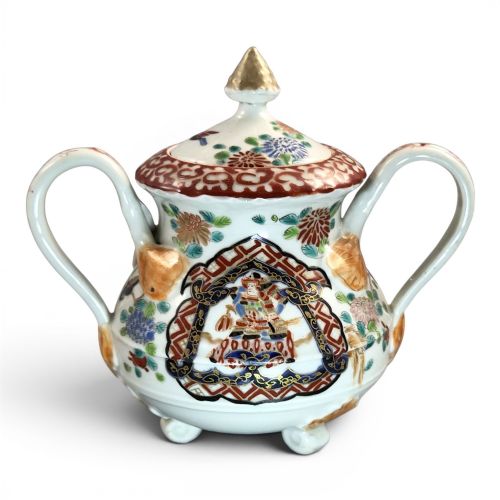
Samurai warriors stare out from porcelain sugar bowls, guarding the contents with fierce historic expressions.
Markers of Quality
Superior examples display crispness in the hand-painted motifs and precise registration of the iron-red and blue pigments. Finer vessels show disciplined brushwork in the intricate panels of foliage, figures, or geometric designs.
The application of gold leaf and gilt work also separates standard production from exceptional pieces. Better vessels retain rich, burnished metallic highlights that resist fading and complement the underlying glaze.
Fukagawa Mark·Royal Crown Derby·Mason·Samson·Spode
The Imari Ceramic Vessels Glossary
- Imari
- A style of ceramic decoration originating in Japan, characterised by a palette of underglaze blue, iron-red, and gilt. The term later describes European wares emulating this aesthetic.
- Koro
- A traditional Japanese incense burner fitted with a pierced cover. These vessels often feature three legs and delicate handles.
- Jandiniere
- A large ornamental pot or receptacle designed to hold plants or flowers. Examples in this category often feature robust proportions and heavy glazing.
- Tokuri
- A traditional Japanese flask used for serving sake. These vessels typically possess a rounded body and a narrow neck.
- Earthenware
- Porous pottery fired at lower temperatures than porcelain. It requires complete glazing to hold liquids effectively.
Imari Ceramic Vessels: Frequently Asked Questions
What are imari ceramic vessels?
These items are decorative and functional pieces characterised by a distinct colour palette combining underglaze blue, iron-red enamel, and gold leaf.
They encompass various forms including vases, bowls, teapots, and incense burners produced in Japan and later imitated by European potteries.
How were these vessels used?
Original pieces served functional roles in domestic and ceremonial settings, functioning as containers for liquids, dry goods, or incense.
Over time, many served purely as decorative display items within parlours, drawing rooms, and dining spaces.
How do I clean imari vessels?
Maintenance requires gentle cleaning with a soft, dry cloth or a slightly damp sponge to remove accumulated dust.
Harsh chemical cleaners and abrasive scrubbing should be avoided to protect the delicate overglaze enamels and gold leaf highlights.
How can I tell the period?
Dating relies on examining the body material, glaze characteristics, and any factory marks or stamps present on the base.
Japanese Meiji period wares often display different weight and pigment density compared to later Edwardian British reproductions.