






Antique Satsuma Jar
These antique satsuma jar pieces are finely painted Japanese ceramics built to draw the eye with intricate polychrome enamel and gold leaf detail.
Antique Satsuma Jar
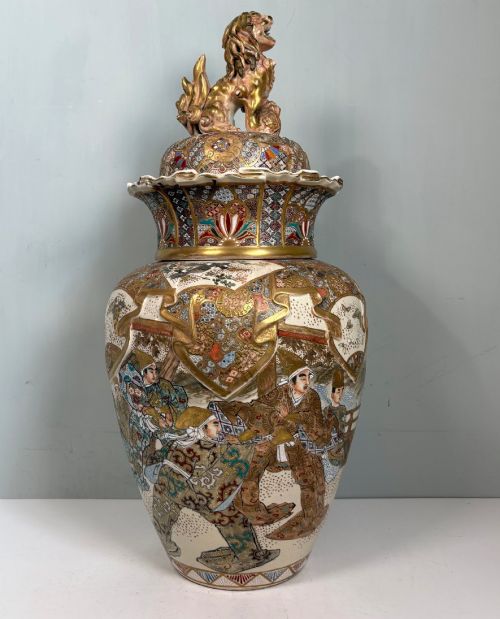
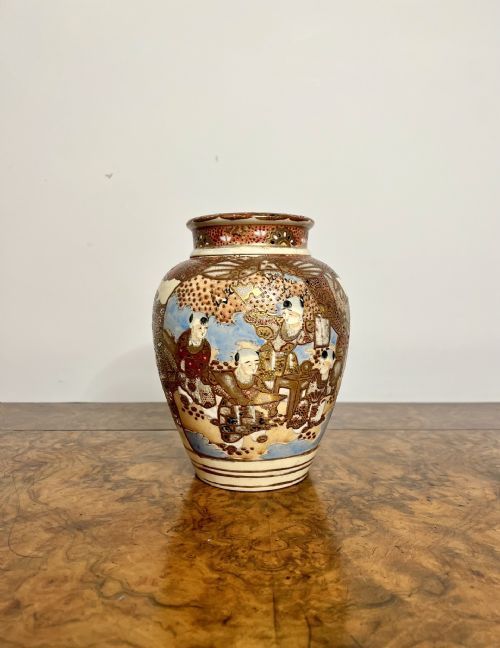
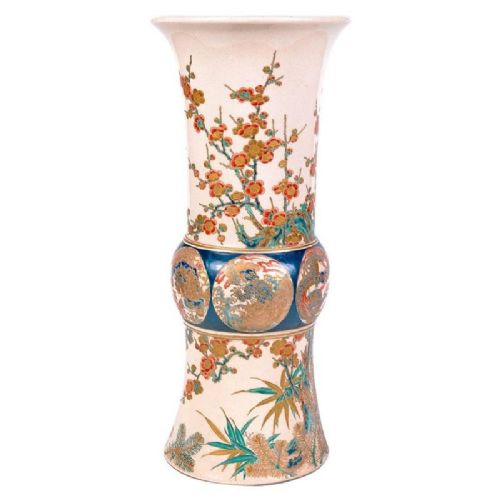
When you search for an antique satsuma jar, you enter a world of finely painted Japanese ceramics dating from the 19th century and the Victorian era. The pieces you meet on this page range from ginger jars and tea caddies to lidded vases and koro, most often originating from the Meiji period.
Makers from Kyoto and Tokyo shaped these ceramics, including noted studios like Kinkozan and Taizan alongside artists signing as Shuzan, Yamashu, and Shozan. You will find both large lidded urns and miniature vessels, each carrying the distinct aesthetic of Japanese Meiji production.
The form often serves a decorative function, utilising earthenware bodies covered in rich enamel and gilding. Whether you encounter a towering lidded vase or a small sugar bowl, the core style remains rooted in late nineteenth-century craftsmanship.
How They Were Made
Potters built these vessels using earthenware and porcelain bodies, shaping them into jars, vases, and incense burners. Wood occasionally appears in associated elements like fitted bases or covers.
Workshops applied polychrome enamel and intricate gold leaf or gilding over the ceramic base. Artisans executed meticulous hand-painted details, often incorporating signatures from specific studios into the glaze.
Antique Satsuma Jar Retail Price Guide 2026
Typical asking prices for satsuma jar among the pieces listed under this phrase on Sellingantiques today, from the lower quarter to the upper quarter. They describe what is for sale here now, not the wider market.
Listings feature items from the 19th century, 1880, 1890, 1900, 1910, and the Victorian and Meiji periods, utilising earthenware, porcelain, gold leaf, and enamel.
What Varies in Quality
The density and precision of the hand-painted brushwork separate standard production from superior examples. Fineness in the rendering of figures, landscapes, and Rakan motifs dictates the visual impact of the piece.
The application of gold leaf and the richness of the polychrome enamel create distinction across the range. Signed works from notable Kyoto studios command greater attention due to the execution of their decorative schemes.
Shuzan·Yamashu·Kinkozan·Tokyo Taizan·Shizan·Shozan
The Antique Satsuma Jar Glossary
- Satsuma
- A type of Japanese earthenware originating from Satsuma Province, traditionally featuring a crackle ivory glaze decorated with enamels and gilding. It became widely exported during the Meiji period.
- Koro
- A traditional Japanese incense burner typically featuring a pierced cover to allow fragrance to escape. These ceramic vessels often stand on small feet.
- Meiji Period
- The era in Japanese history spanning from 1868 to 1912, marked by opening trade with the West and a surge in decorative arts production. Pieces from this time show high technical skill.
- Rakan
- The Japanese term for arhats or enlightened followers of Buddha, frequently depicted in groupings within Japanese art. They appear in fine detail on painted ceramic panels.
- Ginger Jar
- A decorative ceramic container with a rounded body and a matching lid, originally used for spices or oil. In Meiji ceramics, these serve purely decorative purposes.
Antique Satsuma Jar: Frequently Asked Questions
How were satsuma jars used?
These jars served primarily as decorative objects within domestic interiors, though some forms functioned as tea caddies or sugar bowls. Incense burners, or koro, held aromatic materials during gatherings.
Their intricate designs meant they were meant to be displayed on surfaces rather than used for heavy daily storage.
How do I date a satsuma piece?
Dating relies on stylistic markers associated with the Meiji period and the late 19th century, alongside Victorian export trends. Many pieces carry signatures from studios like Kinkozan or specific artists which help anchor their production era.
The materials, such as earthenware bodies combined with heavy gilding, point directly to this active manufacturing window.
How do I care for my jar?
Live with these ceramics by placing them away from direct sunlight and areas prone to heavy temperature shifts to protect the enamel and gold leaf. Dust them gently with a soft, dry cloth rather than using liquid cleaners.
Keep lidded pieces secure by handling the cover and base separately during any movement.