



Japanese Lidded Urn
A japanese lidded urn brings together intricate porcelain, bronze and earthenware forms designed to command a room.
Japanese Lidded Urn
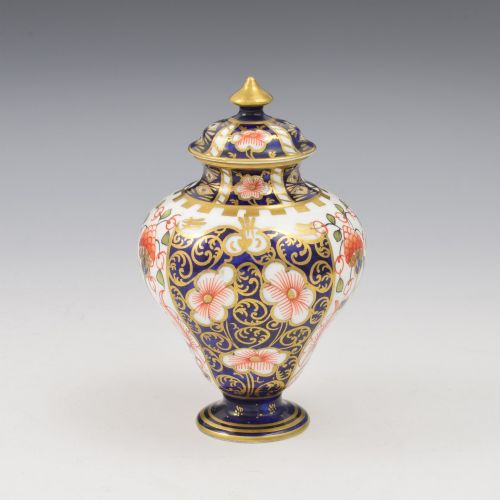
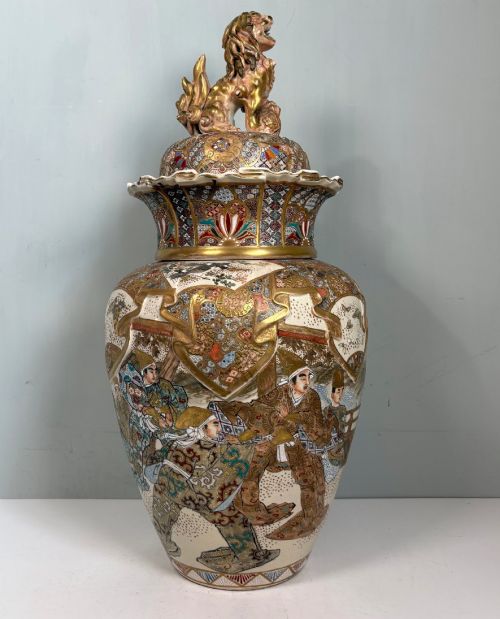
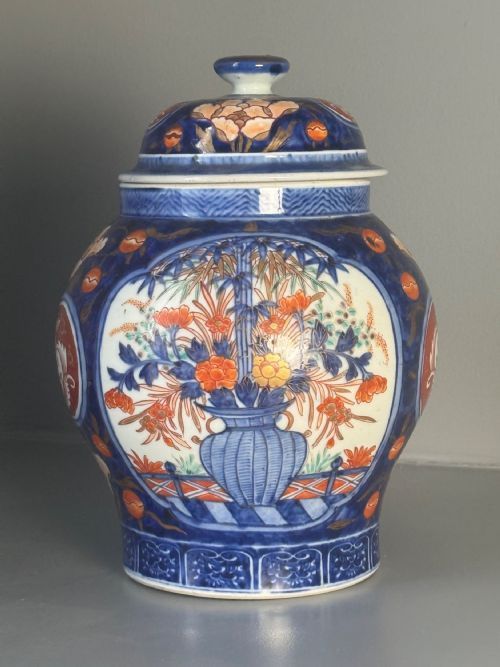
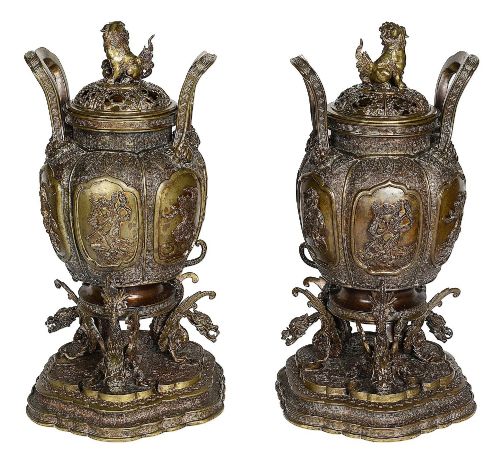
When you search for a japanese lidded urn, you encounter vessels created for display and storage across several centuries. The selection on this page leans heavily towards Japanese Imari porcelain, Satsuma pottery and bronze works originating in the Edo and Meiji periods.
These pieces take the form of ginger jars, covered vases and incense burners fitted with matching lids. Many arrive in pairs, showing the symmetrical taste popular in period interior decoration.
Materials and Craftsmanship
Makers shaped these objects using porcelain, earthenware and bronze as primary substrates. Artisans then applied glazes, enamel and gilding or gold leaf to achieve rich surface decoration.
Techniques range from the blue and white underglaze painting of Arita to the dense polychrome enamel work of Satsuma and Kutani wares. Metal vessels utilise cloisonne methods to partition enamel colours within wire boundaries.
Listings span from the seventeenth century through the Edwardian era, featuring porcelain, bronze and earthenware materials.
Evaluating the Pieces
The standard of execution in the hand-painted enamel and the precision of the form distinguish finer examples from standard production. Superior items exhibit controlled brushwork, crisp gilding and well-fitted covers that sit flush with the body.
Age and origin also influence distinction, with pieces from the seventeenth and eighteenth centuries carrying different historical weight compared to nineteenth-century Meiji period output.
Royal Crown Derby·Samson
The Japanese Lidded Urn Glossary
- Imari
- A style of Japanese porcelain decorated in underglaze blue, iron red and gold, originating from the town of Arita.
- Satsuma
- A type of earthenware pottery with a pale, ivory-crackled glaze, typically decorated with polychrome enamels and gilt.
- Cloisonne
- Enamelwork in which enamel is applied to compartments separated by strips of metal welded to the body.
- Meiji Period
- The era in Japanese history lasting from 1868 to 1912, known for opening trade with the West and prolific craft production.
- Ginger Jar
- A wide-mouthed storage jar with a dome-shaped cover, originally used for spices and later adapted for decorative display.
Japanese Lidded Urn: Frequently Asked Questions
What were lidded urns used for?
These vessels served primarily as decorative ornaments in grand interiors, though certain forms functioned as ginger jars or incense burners.
Their substantial presence made them focal points on mantelpieces and side tables during the nineteenth century.
How do I identify Meiji period pieces?
Meiji period items date between 1868 and 1912, aligning with the reign of the Emperor Meiji and an explosion of decorative export arts.
They frequently display intricate enamel work, bronze casting or Imari patterns designed for Western markets.
Are these pieces made of porcelain?
Many examples consist of fine porcelain, particularly those originating from the pottery hub of Arita in Japan.
Other specimens utilise earthenware like Satsuma pottery or cast bronze depending on the specific workshop and style.
How should I display them at home?
Pair them on wide surfaces where their height and colourful enamel palettes can be appreciated without obstruction.
Keep them away from direct sunlight to protect the integrity of the gilt and surface enamels over time.