






Floral Japanese Porcelain
Floral japanese porcelain brings together centuries of hand-painted botanical motifs on delicate ceramic vessels.
Floral Japanese Porcelain
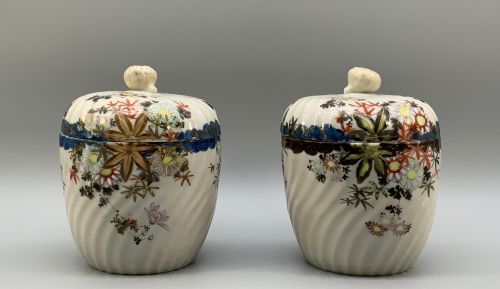
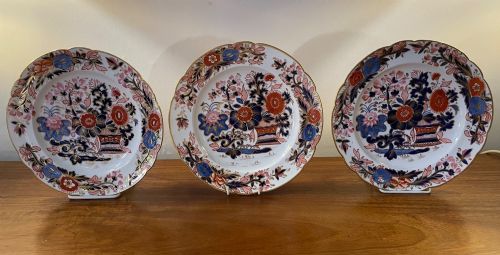
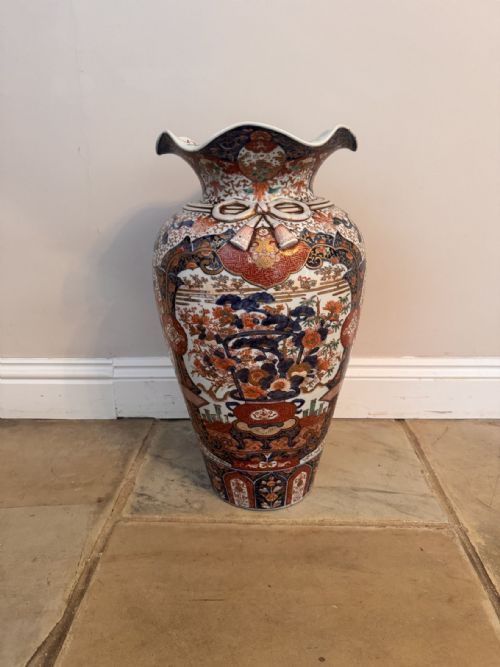
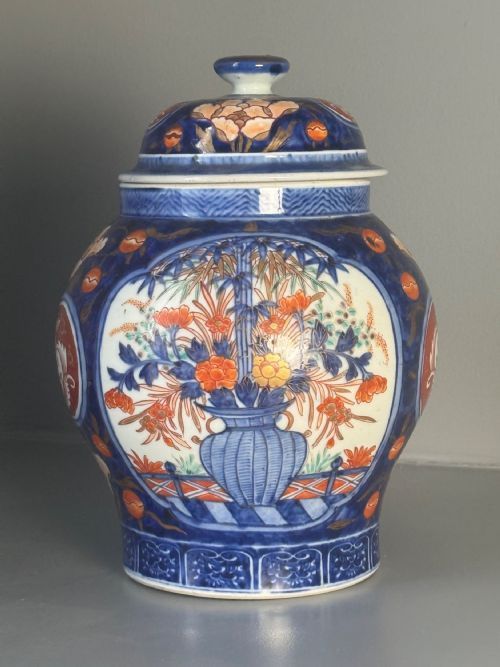
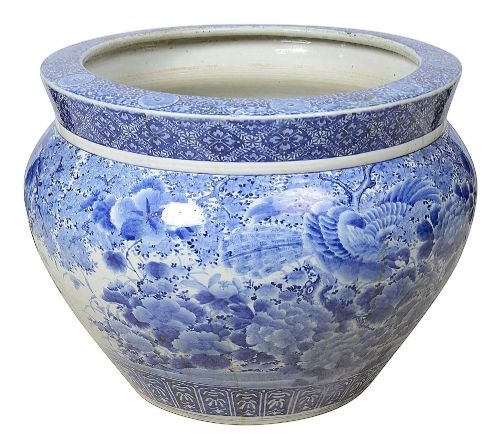
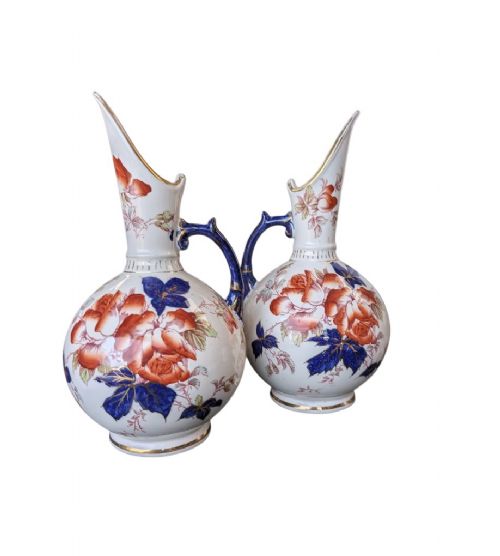
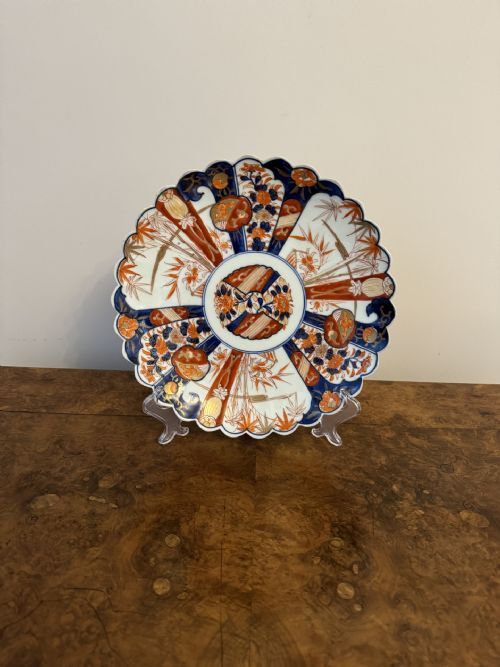
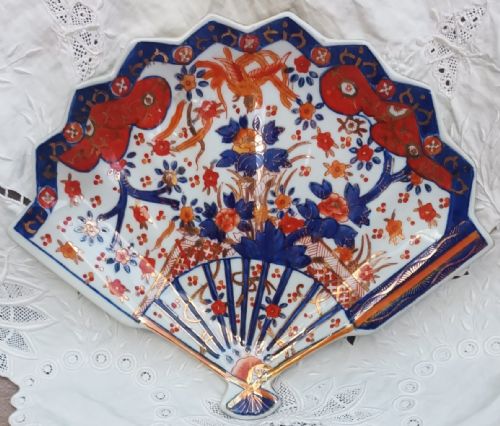
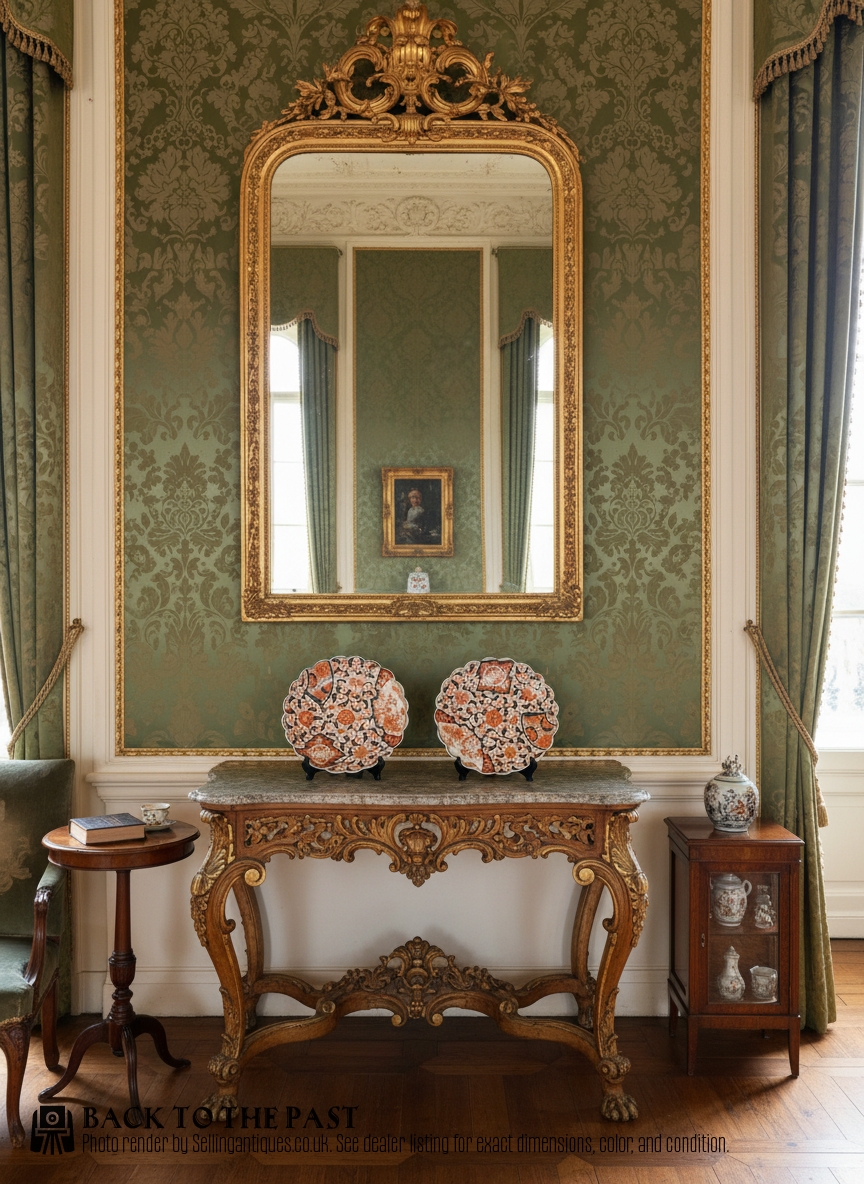
Floral japanese porcelain spans decorative plates, chargers, bowls, vases, lidded jars, and jardinieres originating from the nineteenth and early twentieth centuries. These objects typically display traditional botanical and floral imagery across various domestic and decorative vessels.
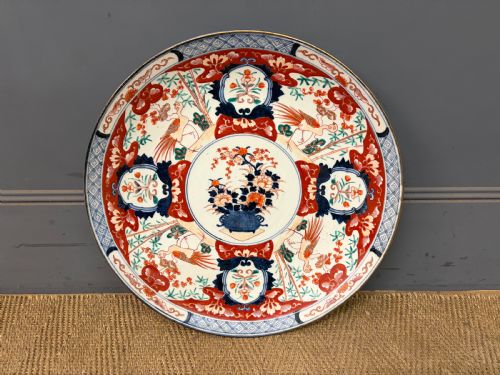
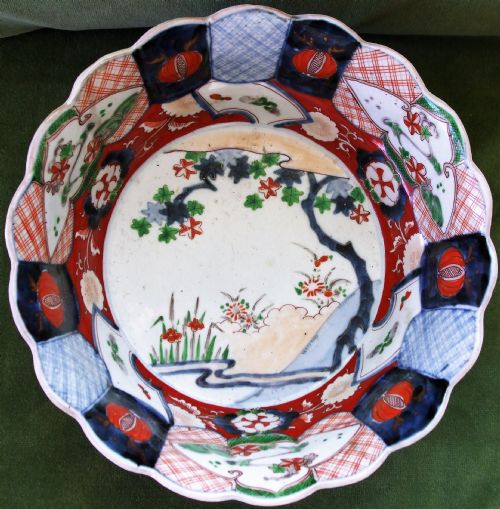
The selection on this page centres heavily on Japanese Imari and Satsuma styles produced during the Meiji period and around nineteen hundred. Buyers frequently encounter scalloped edge plates and large display chargers alongside floor-standing vases and smaller bowls.
Materials and technique
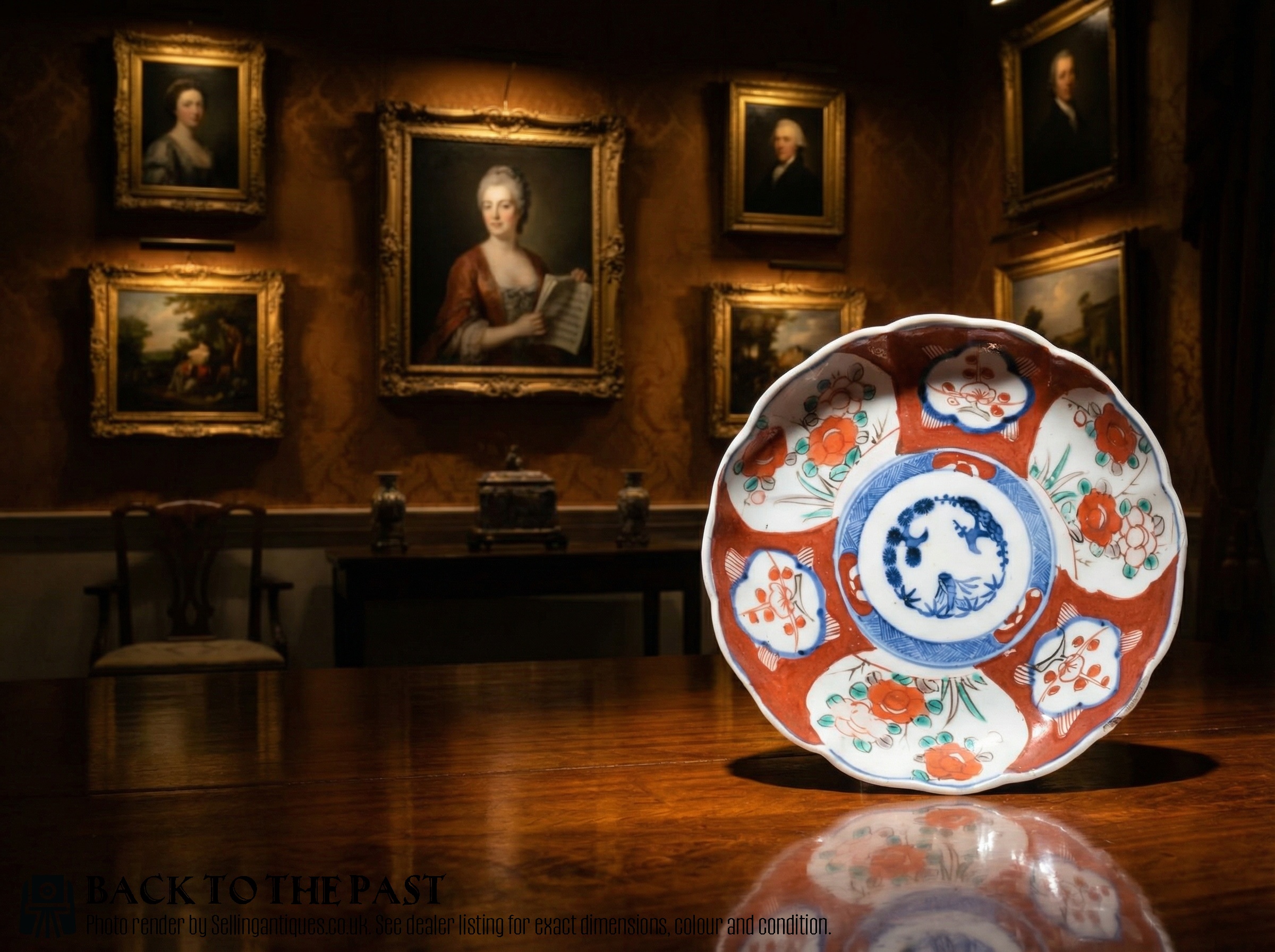
Potters utilised fine porcelain and earthenware bodies, decorated with cobalt underglaze, enamel colours, and occasional gold leaf or gilding. Hand-painted floral and bird designs were applied directly to the surface before or after firing.
Techniques such as moriage relief work appear on Satsuma pieces, adding raised textural details to floral and avian subjects. Firing methods achieved crisp blue and white contrasts as well as the rich iron-red and gilt palettes characteristic of Imari wares.
Several heavy jardinieres double as fish-bowls, allowing Meiji period goldfish to swim beneath hand-painted blue and white blossoms.
Evaluating the pieces
The standard of painting defines the division between ordinary production and superior craftsmanship, visible in the precision of floral brushwork and enamel control. Pieces showing crisp cobalt underglaze and careful gilding demonstrate higher atelier standards.
Form and scale also dictate distinction, particularly in large chargers, floor-standing vases, and complex scalloped edge bowls. Well-preserved surfaces with intact gold leaf and minimal wear reflect better preservation and superior original manufacture.
Manpei Kobe·Kozan
The Floral Japanese Porcelain Glossary
- Imari
- A traditional Japanese style of porcelain characterised by a palette of cobalt blue, iron red, and gold, often featuring complex floral and geometric panels.
- Satsuma
- An earthenware pottery type with a crackled ivory glaze, typically decorated with polychrome enamels and raised moriage details depicting flowers and birds.
- Charger
- A large ornamental plate intended for display on a wall, cabinet, or table centre rather than for functional dining use.
- Moriage
- A decorative ceramic technique using piped clay to create raised, textured patterns around floral and figural motifs.
- Arita
- The Japanese town and surrounding region long associated with the production and export of notable porcelain wares.
Floral Japanese Porcelain: Frequently Asked Questions
How do I display a large charger safely?
Large chargers work best secured in sturdy wall brackets or supported firmly on substantial plate stands within a cabinet.
Position them away from high-traffic areas to prevent accidental knocks against the scalloped edges.
What is the difference between Imari and Satsuma?
Imari pieces use a hard porcelain body with cobalt blue, iron red, and gilt decoration.
Satsuma items typically employ a crackled earthenware body featuring polychrome enamels and raised floral designs.
Can these jardinieres hold water for plants?
Many antique jardinieres and fish-bowls were made as decorative planters rather than waterproof vessels.
Using a modern inner liner protects the historic ceramic body from moisture damage and mineral deposits.
How do I clean antique porcelain safely?
Dust these decorative items gently with a dry, soft brush to remove surface particles.
Avoid soaking pieces with gold leaf or enamel highlights in water to preserve the hand-painted details.