
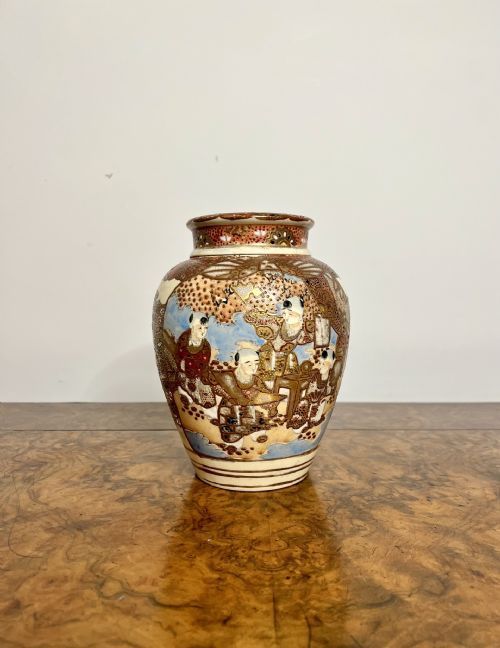


Hand Painted Asian Urns
Hand painted asian urns bring intricate brushwork and rich ceramic traditions into a room, offering striking focal points for collectors and decorators.
Hand Painted Asian Urns
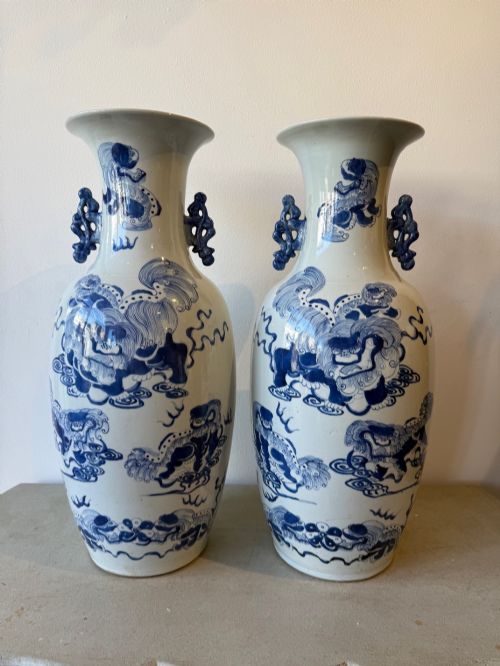
Hand painted asian urns encompass a diverse selection of decorative vessels, ginger jars, and vases originating from Chinese and Japanese traditions. Buyers searching this phrase most commonly encounter pieces produced during the nineteenth century and the early twentieth century, including Meiji period works and Qing dynasty examples.
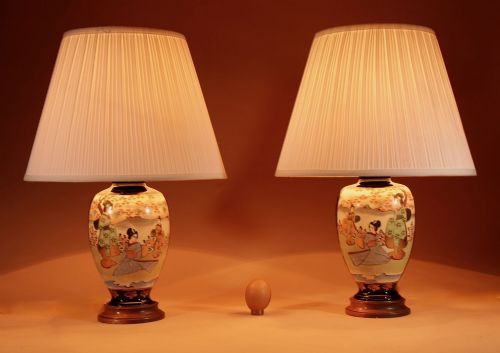
The inventory ranges from grand floor vases and monumental celadon vessels down to miniature Satsuma specimens and matched pairs. Many of these ceramic objects serve dual purposes today, with several historic vases thoughtfully converted into table lamps while retaining their original hand painted character.
How they were made
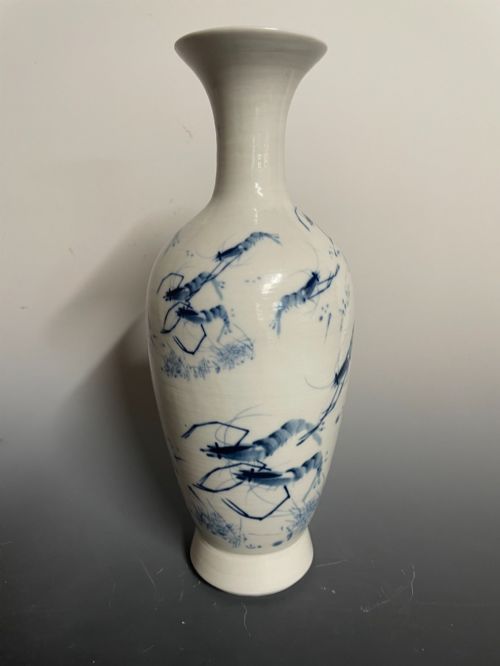
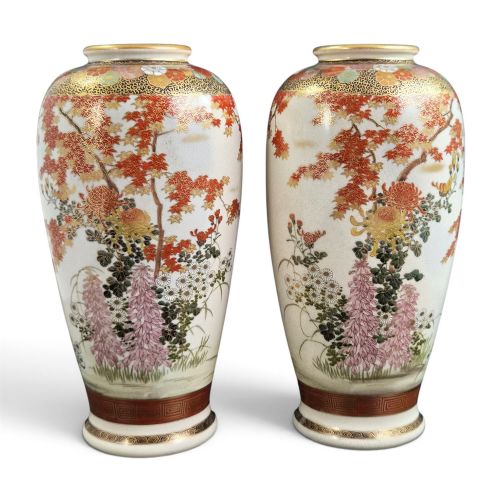
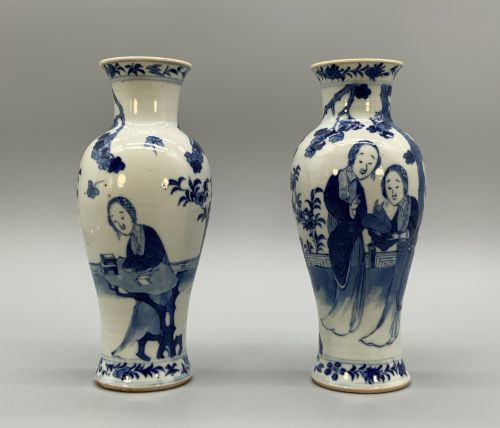
Potters relied primarily on porcelain, earthenware, and ceramic bodies shaped into baluster, bottle, and jar forms. Artisans then applied intricate cobalt glaze, enamel colours, and delicate gold leaf to build up complex figurative scenes, floral motifs, and dragon designs.
Firing techniques allowed for deep underglaze blues alongside overglaze enamels, creating durable surfaces that frequently incorporated character marks or artist signatures directly onto the base.
Listings feature porcelain, earthenware, and ceramic bodies decorated with enamel, cobalt glaze, and gold leaf across multiple centuries.
What varies in quality
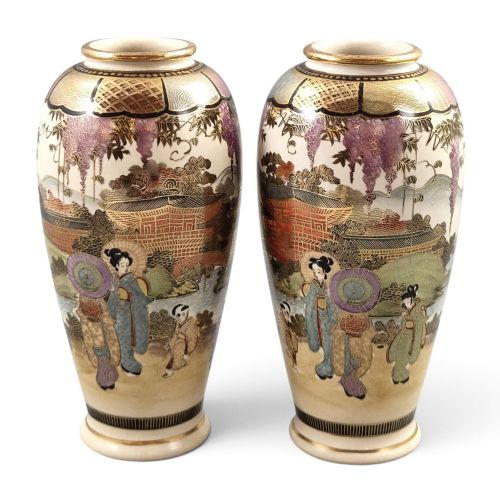
Quality rests upon the precision of the brushwork and the complexity of the hand painted composition, distinguishing routine export items from masterwork creations. Finer pieces display exceptional control in miniature detailing, such as individual facial expressions in figural processions or precise botanical rendering.
The richness of the gilding and the depth of the enamel palette further separate standard vessels from superior examples, alongside the clarity of the glaze and the crispness of any base markings.
Chosei·Hakusan·Gao Hengsheng·Maruni Kobe·Shozan
The Hand Painted Asian Urns Glossary
- Satsuma
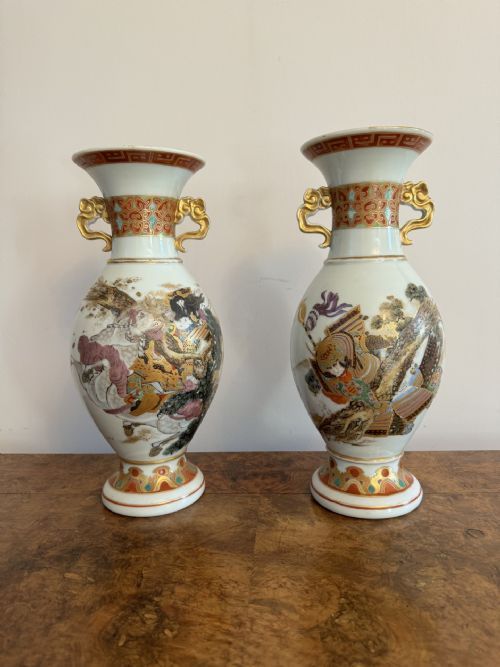
- Earthenware pottery originating from Satsuma province in Japan, characterised by an ivory crackle-glaze and elaborate polychrome and gilt decoration. These pieces frequently depict figures, historical scenes, and dense floral patterns.
- Imari
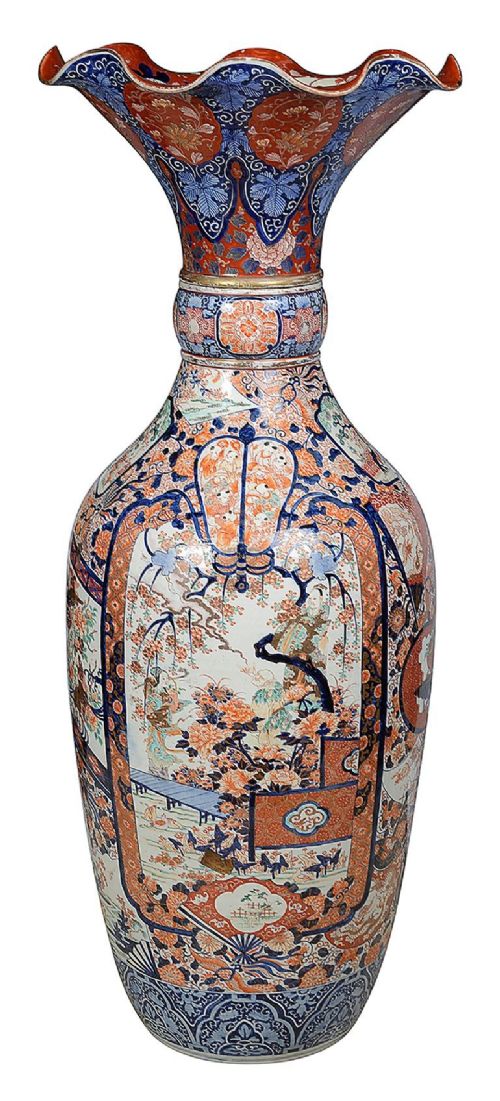
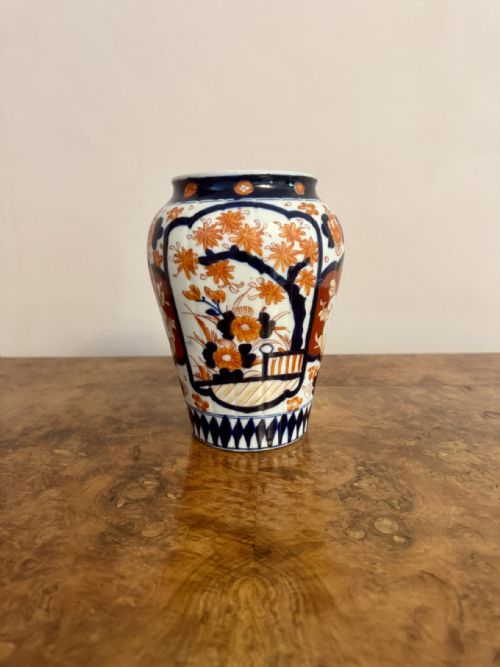
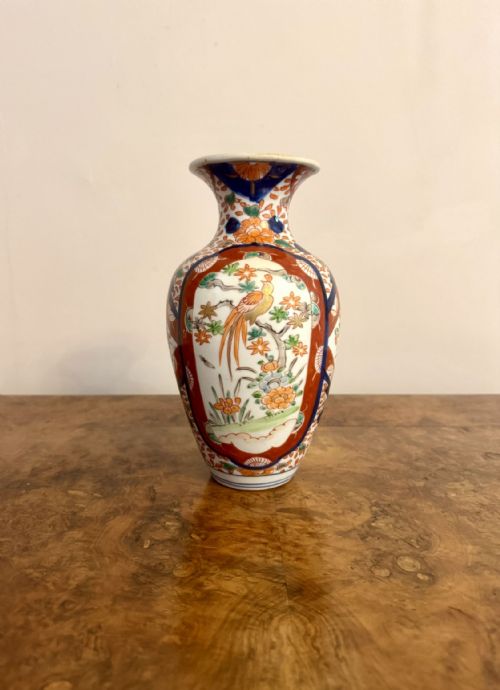
- A traditional style of Japanese porcelain featuring a distinctive palette of underglaze blue, iron red, and gold. Artisans applied these pigments over a white ceramic base to create rich geometric and floral arrangements.
- Kutani
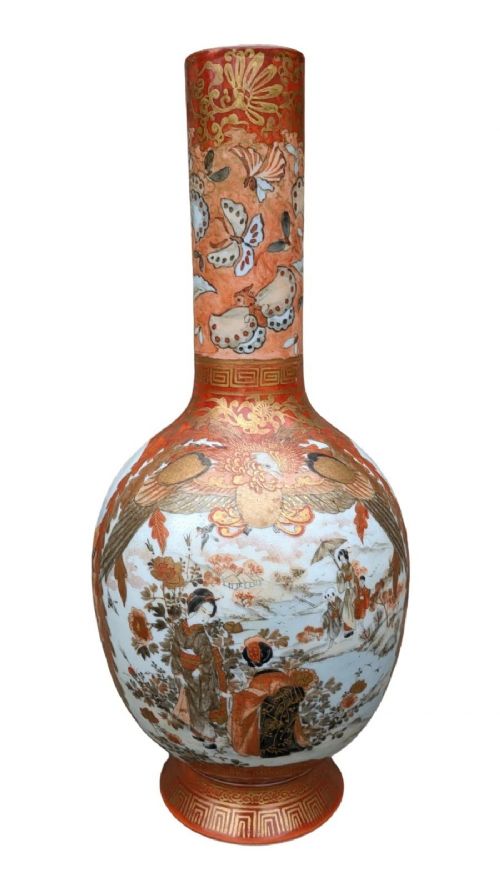
- Japanese porcelain and ceramic ware known for bold colours and intricate pictorial designs. The style often incorporates deep greens, purples, and extensive gold leaf detailing.
- Celadon
- A term for ceramics featuring a pale green jade-like glaze created through iron oxide in a reduction kiln. The subtle translucent tone mimics the appearance of natural jade.
- Ginger jar
- A high-shouldered ceramic storage vessel with a domed cover originally used for spices. Later export periods adapted these sturdy jars purely for decorative display.
Hand Painted Asian Urns: Frequently Asked Questions
How do I identify Satsuma ware?
Satsuma ware is defined by a distinctive cream-coloured earthenware body covered in a fine network of decorative crackle glaze. Artisans then painted detailed scenes over this surface using dense polychrome enamel and gold leaf.
Most examples date from the nineteenth and early twentieth centuries, frequently featuring figures, landscapes, or floral arrangements such as wisteria.
What is the difference between Imari and Kutani?
Imari pieces rely on a specific colour palette combining cobalt blue underglaze with iron red and gold overglaze on white porcelain. The patterns tend to feature complex geometric borders and floral motifs.
Kutani ceramics typically showcase bolder pictorial scenes with broader colour ranges including greens and purples, often associated with Japanese wares from the Meiji period.
Are converted lamp vases still valuable?
Historic vases converted into table lamps remain a respected tradition in interior decoration, offering a practical way to live with antique ceramics. Many fine nineteenth-century Chinese and Japanese vessels were adapted for lighting while preserving their original painted bodies.
Collectors assess these pieces by the condition of the underlying ceramic and whether the conversion respected the structural integrity of the vessel.
How do I date Chinese blue and white vases?
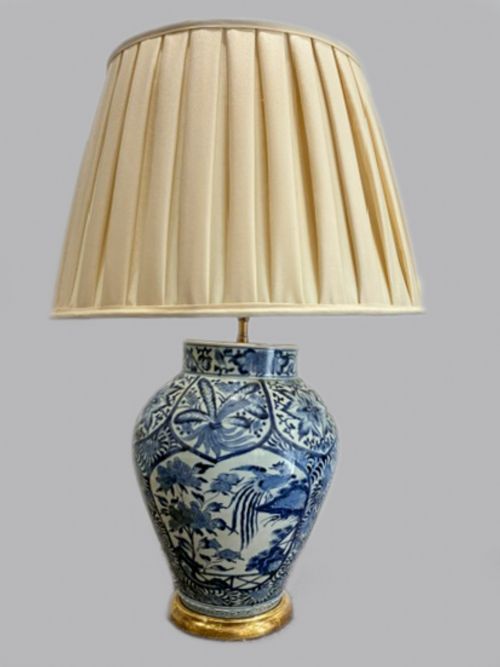
Dating relies on examining the quality of the cobalt blue pigment, the style of the brushwork, and any reign or character marks found on the base. Pieces from the Kangxi style or period display deep, layered blue tones under a clear glaze.
Form, potting weight, and base characteristics help distinguish eighteenth and nineteenth-century interpretations from earlier historic periods.