

Japanese Earthenware Vase
These japanese earthenware vase examples bring intricate Meiji period Satsuma artistry into your home.
What They Are
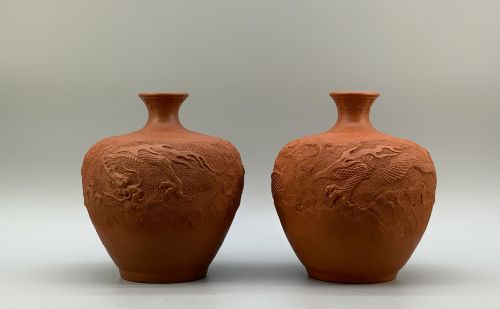
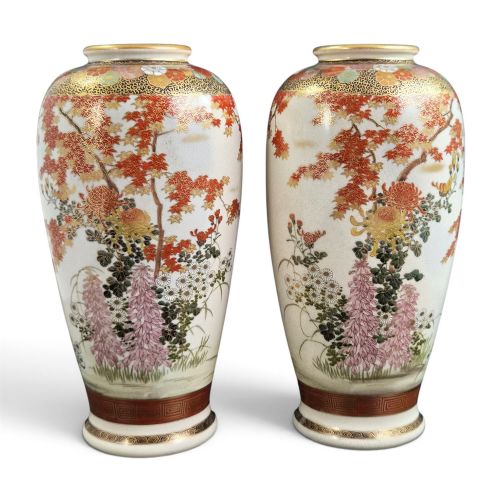
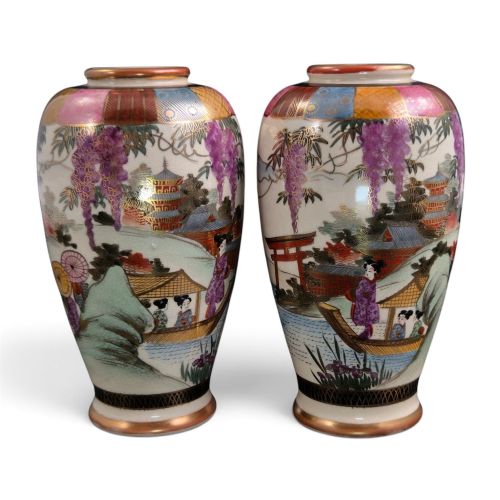
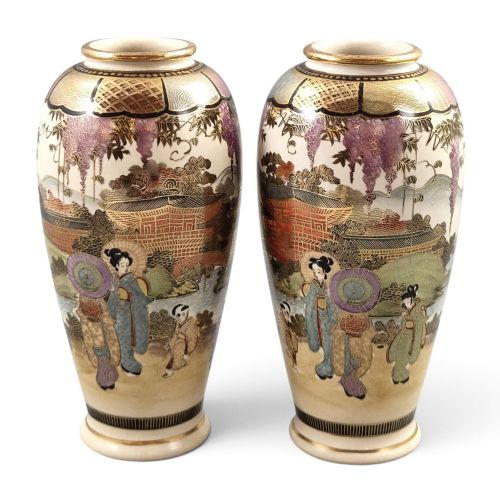
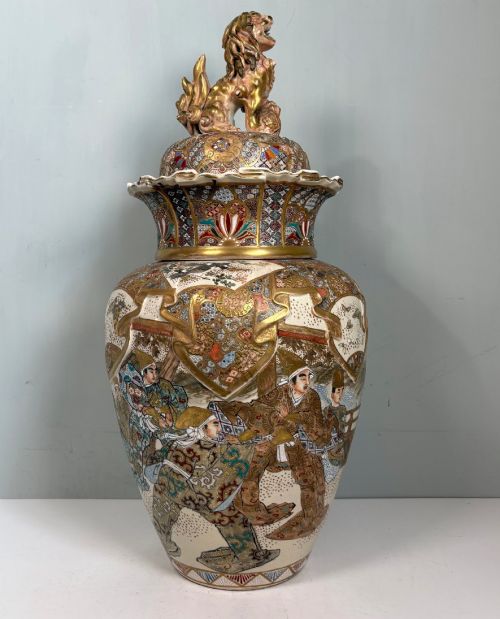
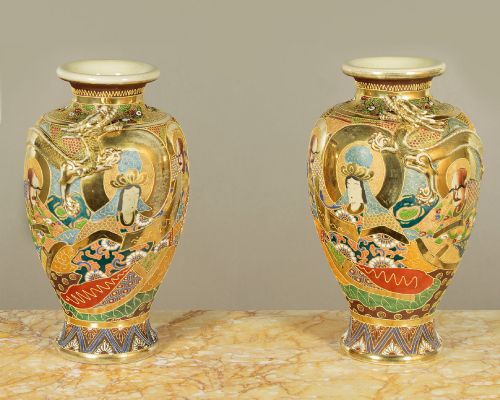
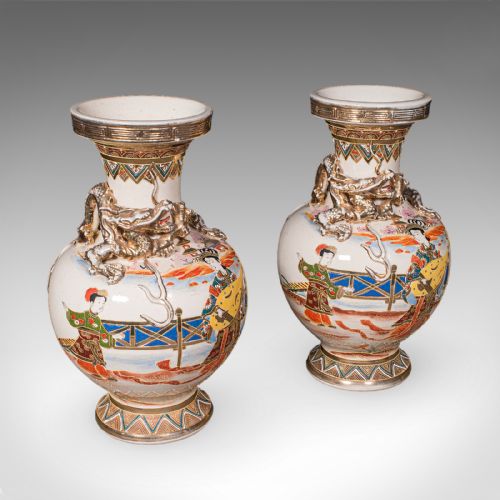
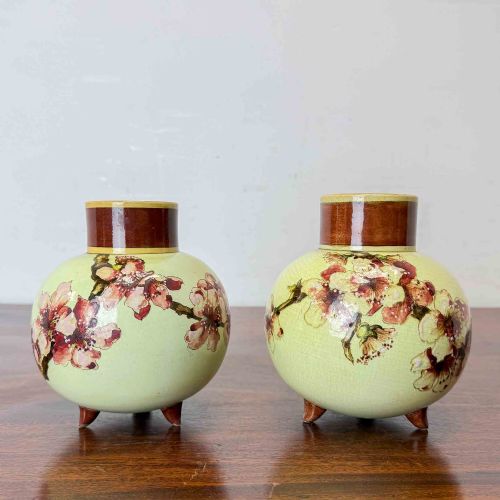
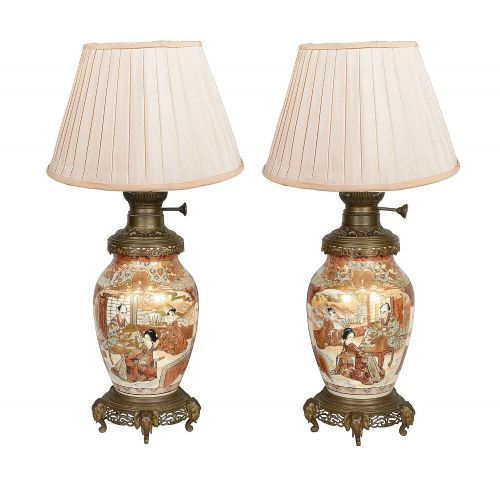
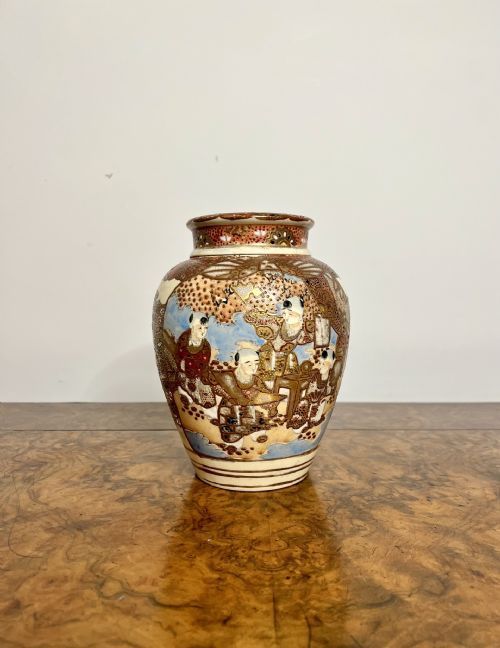
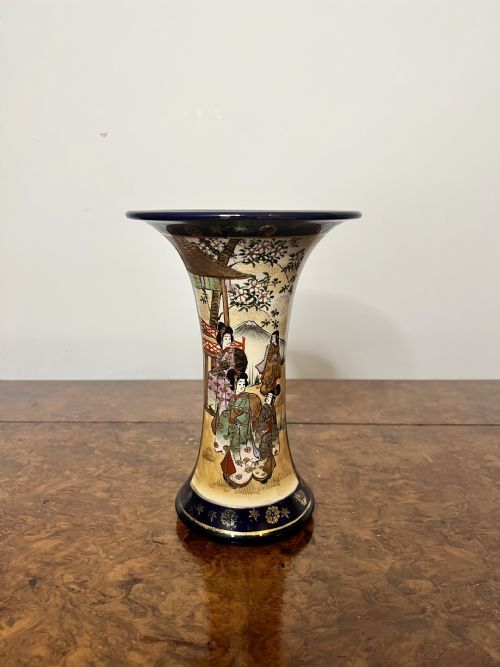
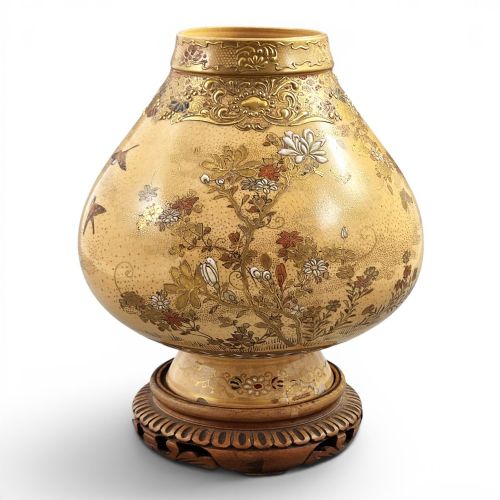
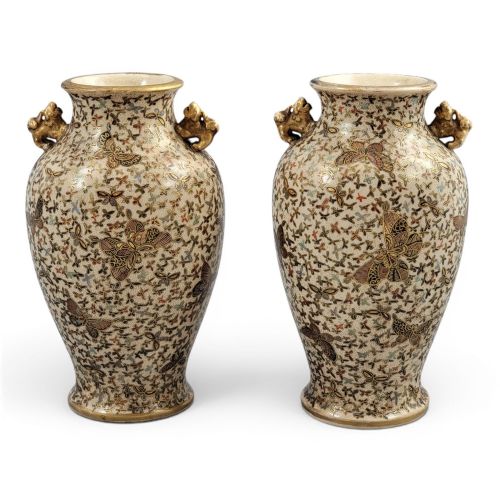
When you search for japanese earthenware vase, you are looking at decorative vessels shaped from clay and finished with elaborate painted surfaces. The pieces you meet on this page hail primarily from the nineteenth century and the Meiji period, featuring classic Satsuma and Moriage styles.
Most examples take the form of traditional vases, including lidded variations and decorative urns. They reflect the distinct aesthetic output of Japanese workshops during a prolific era of ceramic production.
How They Were Made
Makers shaped these vessels from earthenware clay before applying detailed hand painting techniques. Artisans utilised enamel alongside gold leaf and gold gilt to build up ornate surface designs and textures.
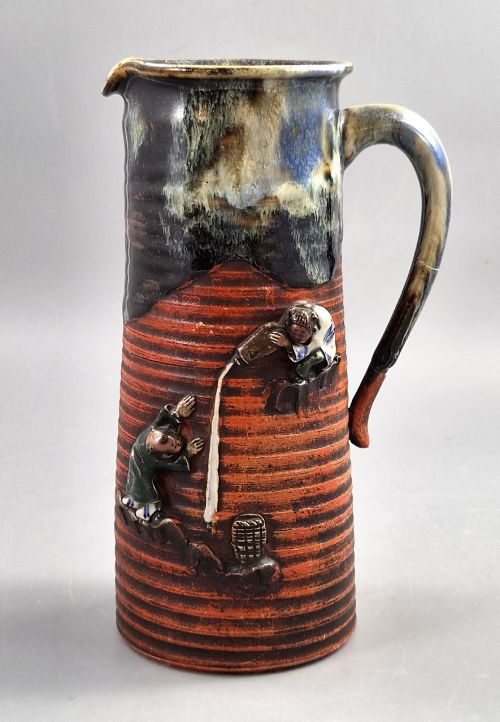
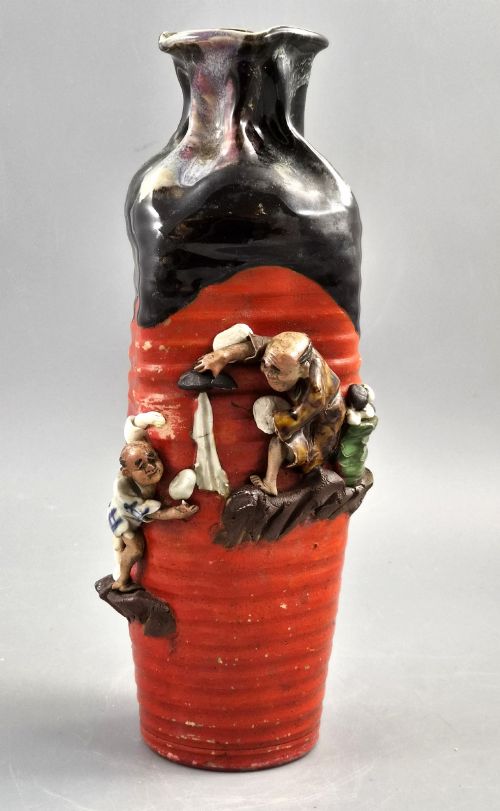
Certain pieces incorporate slip earthenware techniques to create raised decorative motifs on the body of the vase. A fine glaze seals the ceramic surface over the painted details.
Retail Price Guide 2026
Typical UK retail prices for japanese earthenware vase, calculated from the Sellingantiques database of over a million retail prices indexed since 2003. This retail price guide relies exclusively on Sellingantiques data; no external sources or auction records are used, so the figures do not describe the wider market.
Some vases wear their gold leaf like a very shiny suit of armour for the drawing room.
What Varies in Quality
The distinction between standard examples and superior pieces rests in the precision of the hand painting and the depth of the gilding. Workshop attribution, such as work associated with the Kinkōzan circle, elevates the standing of a vessel.
Complexity of form and scale also define the upper tier, particularly on large lidded vases where intricate enamelwork covers every visible surface. Finer application of gold leaf marks the better end of the range.
Kinkōzan Workshop·Kinkozan Circle
The Japanese Earthenware Vase Glossary
- Satsuma
- A type of Japanese earthenware originating from Satsuma Province, traditionally characterised by an ivory-coloured, craquelure glaze decorated with enamel and gold.
- Meiji Period
- The era in Japanese history spanning from 1868 to 1912, known for opening trade with the West and producing highly detailed decorative arts.
- Moriage
- A ceramic technique using liquid clay trailed from a syringe to build up raised decorative patterns before glazing and firing.
- Gold Gilt
- A thin layer of gold applied to the surface of the ceramic to highlight specific painted details and borders.
Frequently Asked Questions
What is a Satsuma vase?
Satsuma denotes a distinct style of Japanese earthenware featuring a characteristic crackle-glaze finish. Artisans typically decorated these pieces with rich enamel colours and gold leaf.
These vases served purely decorative purposes in domestic interiors, showcasing traditional narrative scenes or floral motifs. Their intricate artistry made them highly sought after by collectors both in Japan and abroad.
How do I date these vases?
Dating relies on stylistic markers from the nineteenth century, particularly the Meiji period aesthetic. Workshops active during this time often left distinct stylistic signatures in their brushwork and gilding.
Examining the base and the nature of the craquelure glaze helps narrow down the production era. The integration of Moriage slipwork also points toward specific late nineteenth-century manufacturing methods.
Where were they made?
These pieces originate from Japan, produced during periods of intensive ceramic export. Workshops in regions like Kyoto contributed significantly to the output seen today.
Master ceramists and specialised decorators collaborated within these workshops to produce elaborate vases for international markets. The geographic origin heavily influences the traditional motifs found on the body.
How should I display them?
Display these earthenware vases in stable locations away from direct sunlight to protect the delicate enamel and gold leaf. Placing them on sturdy wooden surfaces complements the historic materials.
Give each piece adequate space to reveal the detailed hand-painted scenes and raised slipwork. Avoid cramped shelving to ensure the intricate surface patterns remain fully visible.