

Oriental Ceramic Urn
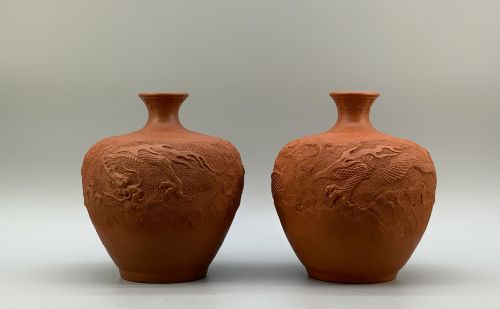
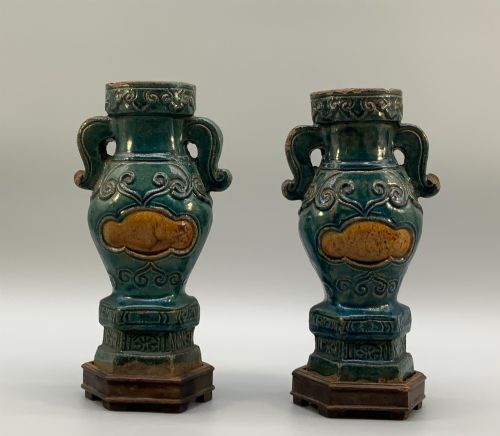
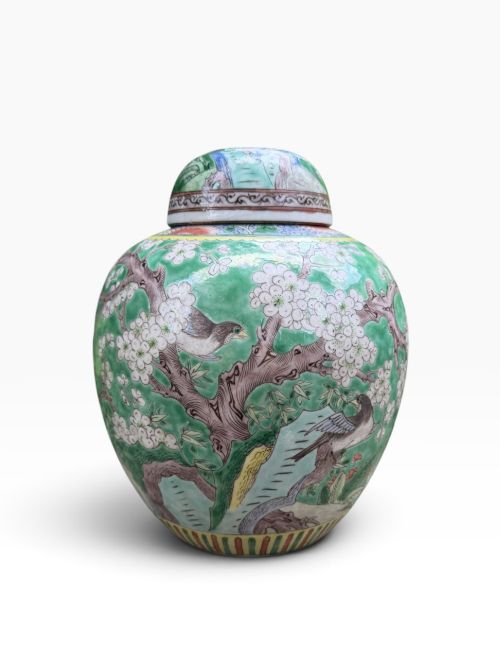
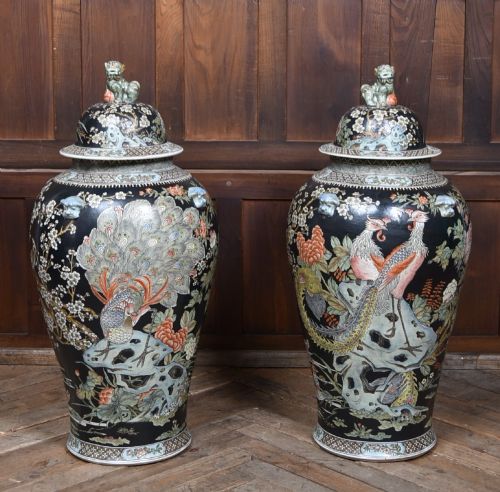
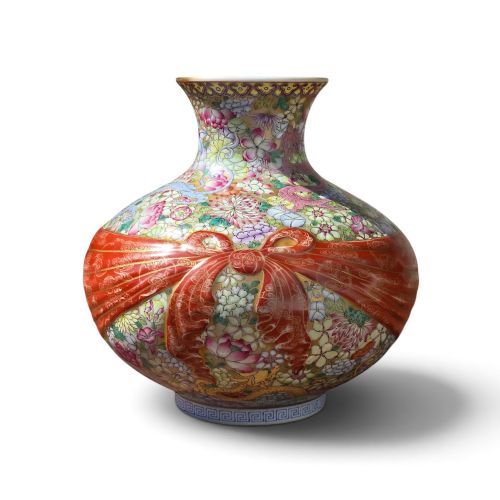
These oriental ceramic urn pieces bring together porcelain, earthenware, and stoneware forms that every serious collector wants to display.
Oriental ceramic urn pieces
When you search for oriental ceramic urn, you are looking at substantial vessels spanning the nineteenth century, nineteen hundred, and the Meiji period. These items take the shape of vases, baluster urns, and sculptural landscape vessels, originating from traditional Chinese and Japanese workshops.
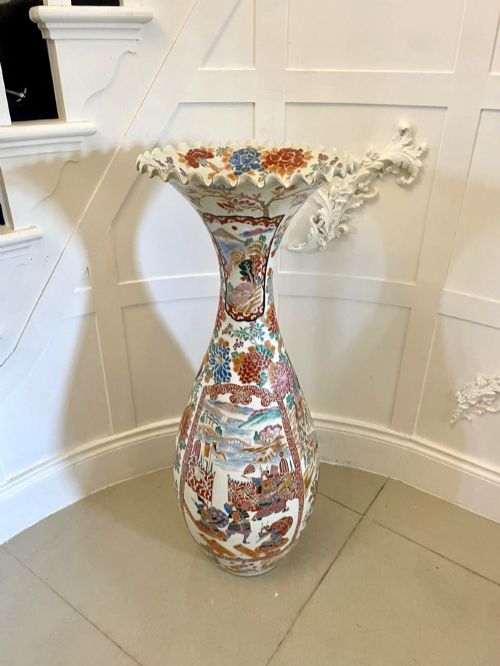
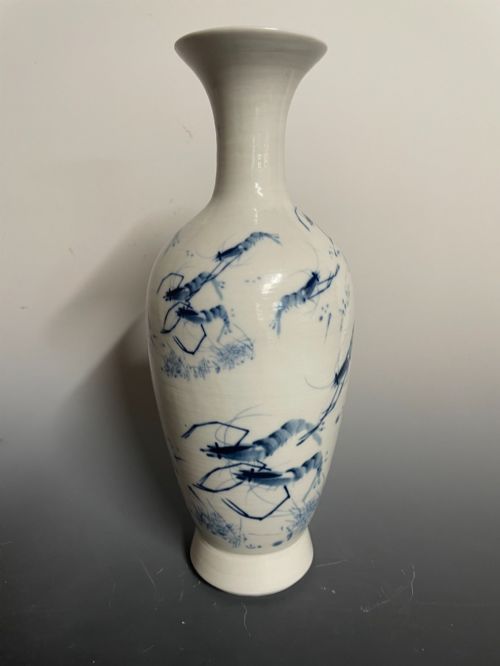
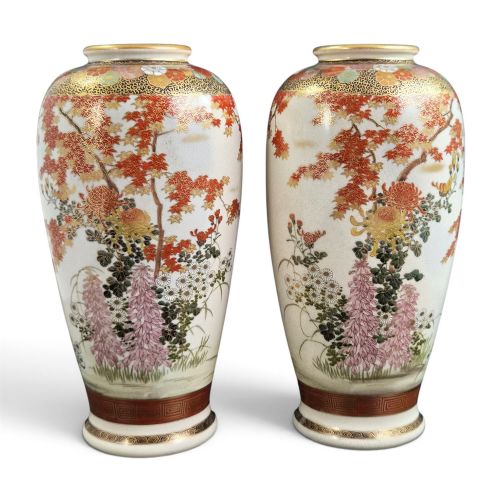
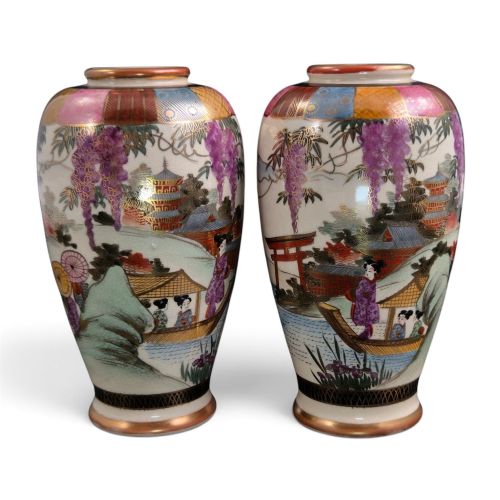
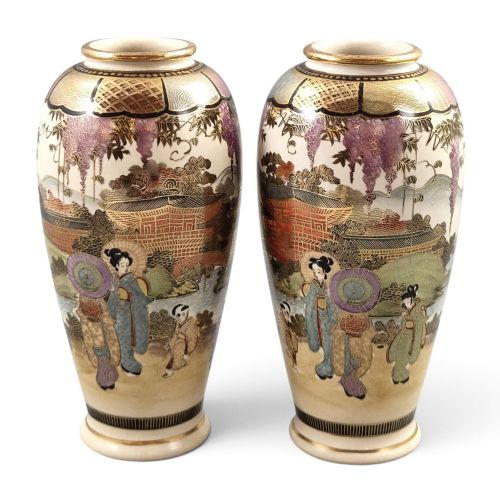
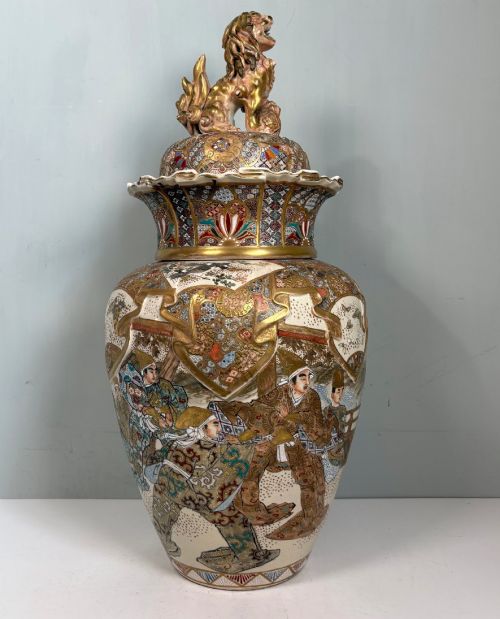
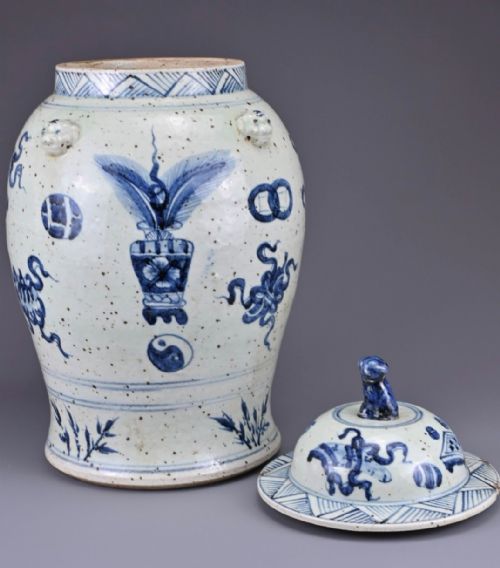
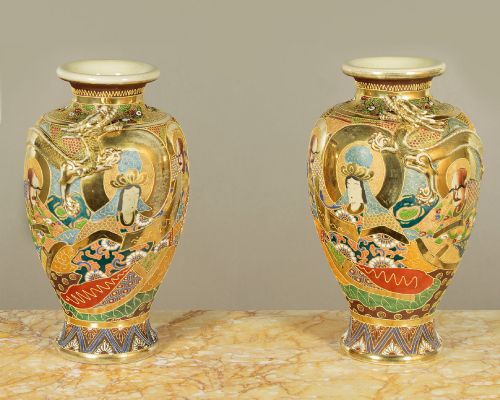
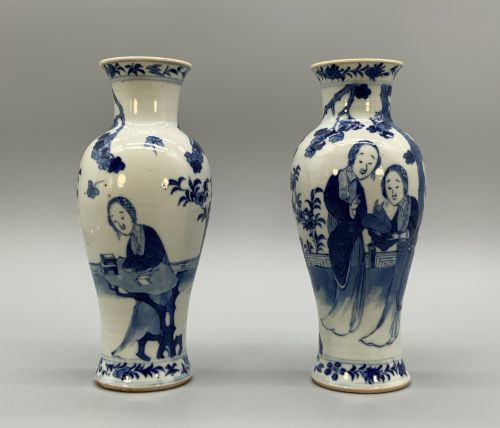
The most likely version you will meet on this page is a Japanese Satsuma or Meiji period vase, often decorated with detailed scenes such as Mount Fuji, stags, waterfalls, and trees. Chinese pieces in this selection include traditional blue and white or celadon examples.
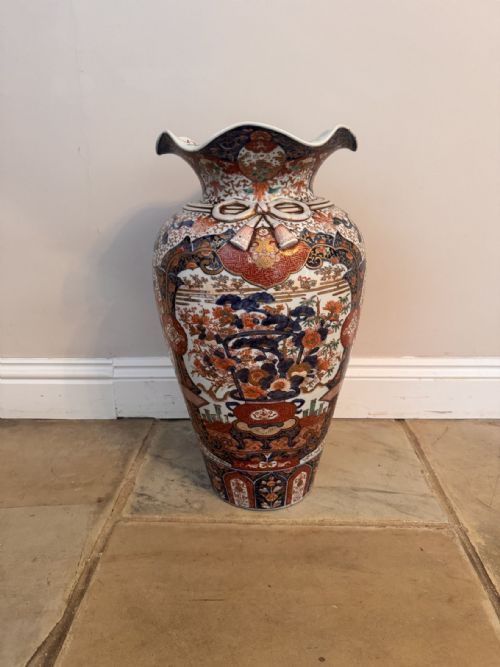
Makers and circles represented in these listings include the Kinkozan circle and Hayakawa, alongside traditional Chinese and Japanese artisan pieces. Forms range from tall bulbous bodies with geometric inset panels to sculptural landscape designs.
How they were made
The makers utilised materials such as porcelain, earthenware, and heavy stoneware as the foundations for these vessels. Surfaces received applications of cobalt glaze, enamel, gold leaf, and general glaze to build colour and texture.
Techniques varied from traditional Chinese ceramic throwing to Japanese Meiji period sculptural modelling and intricate Satsuma enamelling. Wood is also recorded as a subsidiary material in mounting or framing specific pieces.
Retail Price Guide 2026
Typical UK retail prices for oriental ceramic urn, calculated from the Sellingantiques database of over a million retail prices indexed since 2003. This retail price guide relies exclusively on Sellingantiques data; no external sources or auction records are used, so the figures do not describe the wider market.
One sculptural landscape vase manages to squeeze a stag, a waterfall, and a full tree onto its ceramic surface.
What varies in quality
Quality rests upon the precision of the hand-painted enamel work and the finesse of the gold leaf application across the ceramic surface. Superior examples display crisp geometric inset panels and deeply detailed sculptural elements rather than flat, routine brushwork.
The distinction between ordinary and exceptional pieces also lies in the clarity of the cobalt glaze and the ambition of the form, such as complex Japanese landscape modeling versus simpler baluster silhouettes.
Kinkozan circle·Hayakawa
The Oriental Ceramic Urn Glossary
- Celadon
- A pale green jade-like glaze originating in East Asia. It creates a subtle, translucent finish over stoneware and porcelain bodies.
- Satsuma
- A type of earthenware from Japan characterised by a ivory-coloured, crackled glaze that provides a canvas for elaborate enamel and gold decoration.
- Baluster
- A vase shape with a rounded body that tapers toward the base and swells near the lower middle, resembling a classical architectural baluster.
- Cobalt glaze
- A deep blue mineral pigment applied under or over the ceramic glaze before firing to produce rich contrasting patterns.
- Meiji period
- The era in Japanese history spanning from eighteen sixty-eight to nineteen twelve, known for opening trade and producing highly detailed export ceramics.
Frequently Asked Questions
What is an oriental ceramic urn?
These pieces are decorative ceramic vessels, mostly functioning as vases with baluster or bulbous shapes, originating from nineteenth-century China and Japan.
They were created using materials like porcelain, earthenware, and stoneware, finished with complex glazes, enamels, and gold leaf.
How were these urns used?
Historically, these vessels served as decorative centrepieces in interiors, designed to showcase the refined craftsmanship of Asian ceramic traditions.
Today, they function as focal points in a room, appreciated for their intricate landscape scenes and historical depth.
How do I live with them?
Place these ceramic pieces on sturdy surfaces away from high-traffic areas to protect their delicate enamel and gold leaf details.
Pair them with neutral backgrounds to let the complex geometric panels and painted mountain scenes stand out.
How do I tell periods apart?
Look to the decorative style and material finish, as Meiji period Japanese pieces often feature dense Satsuma enamels and sculptural landscapes.
Nineteenth-century Chinese examples frequently rely on traditional blue and white or celadon glazes rather than heavy surface relief.