
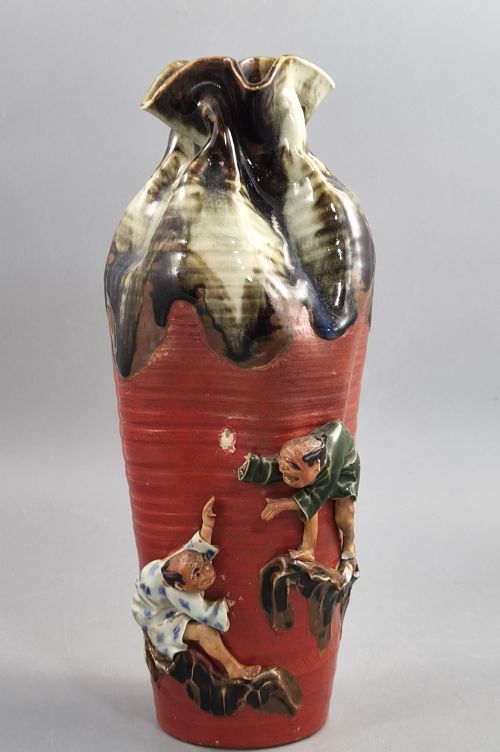
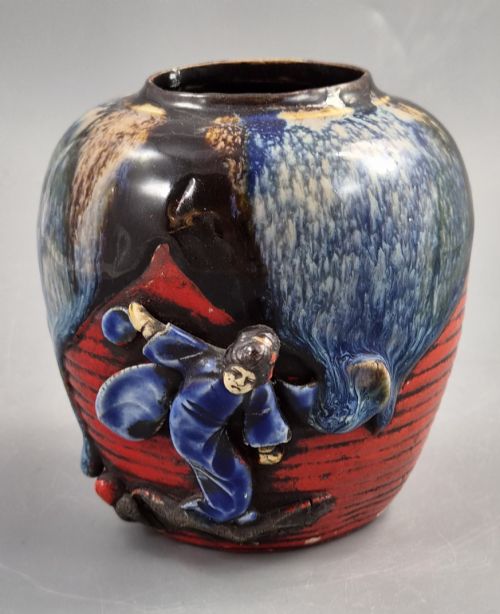
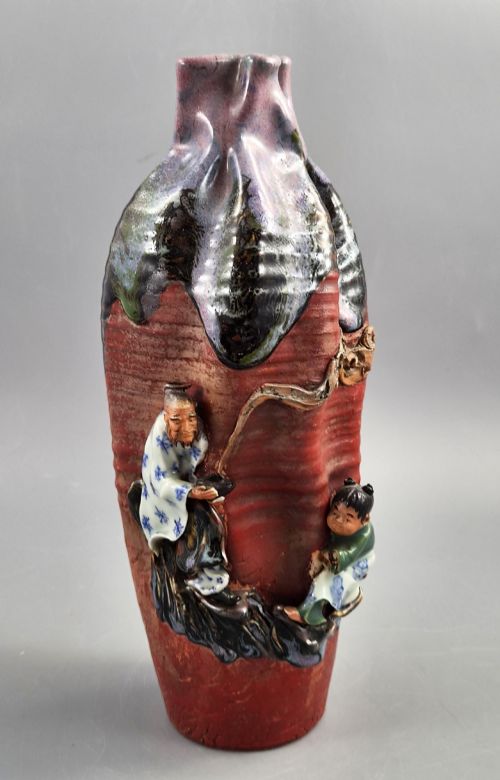
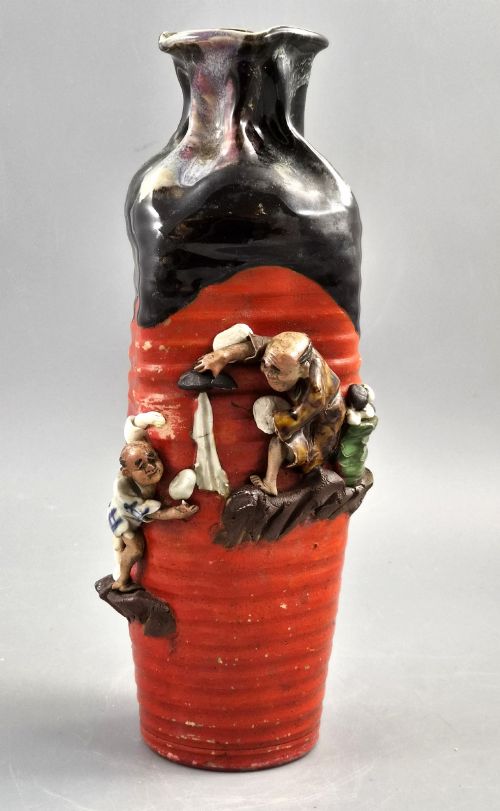
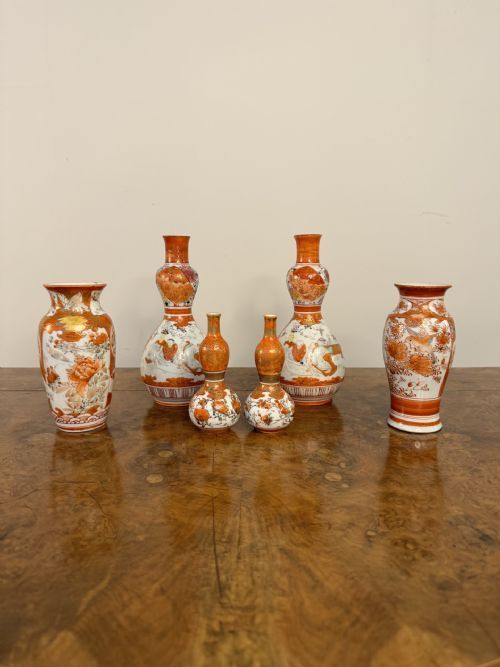


Red Glazed Pottery Vase
These red glazed pottery vase selections bring together striking iron-red hues and rich surface textures from late nineteenth and early twentieth-century workshops.
Red Glazed Pottery Vase
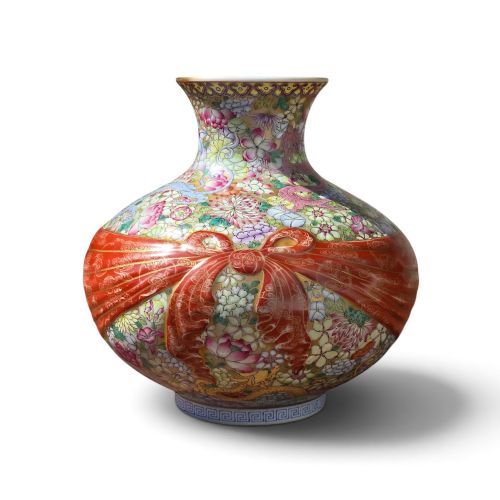
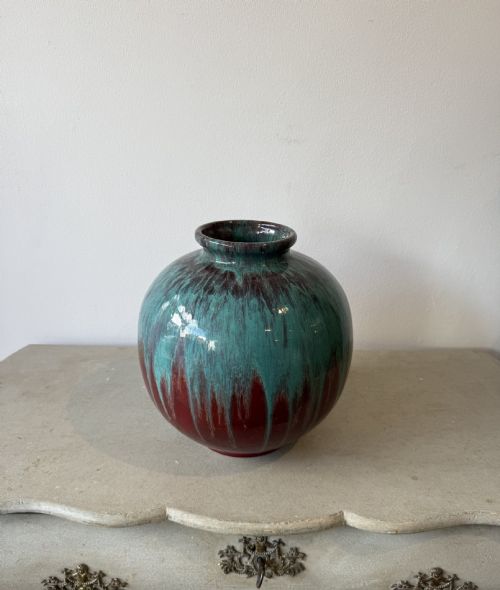
A red glazed pottery vase is a vessel finished with a vibrant crimson, copper, or flambé ceramic glaze, often produced during the Victorian, Edwardian, and Meiji periods. When you search for this phrase, you will encounter diverse forms ranging from English art pottery and French ceramics to Japanese Sumida Gawa and Chinese porcelain.
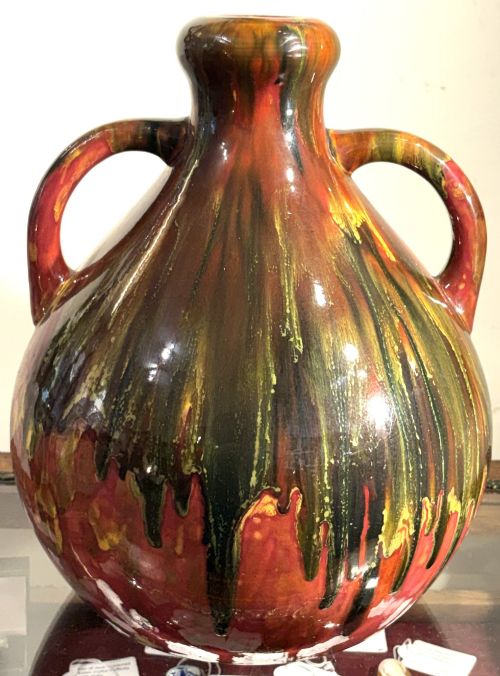
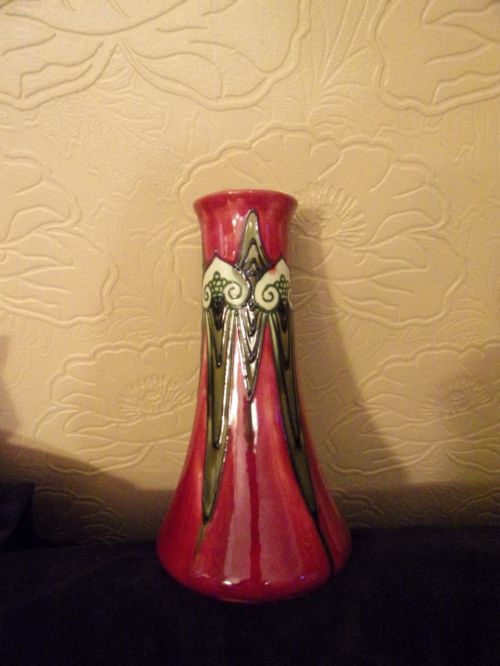
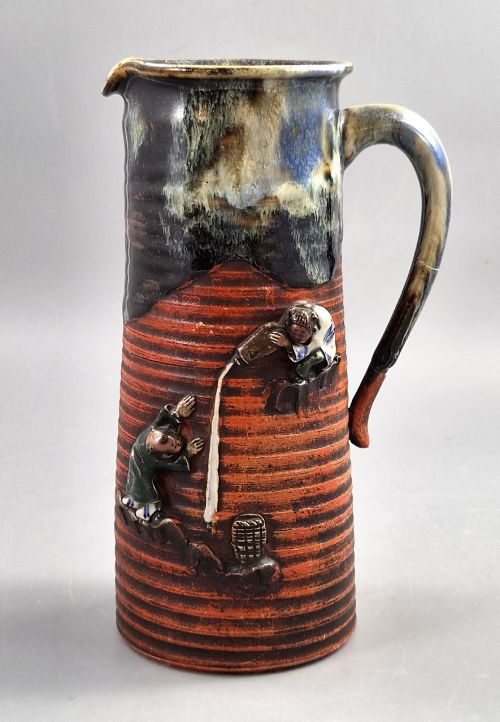
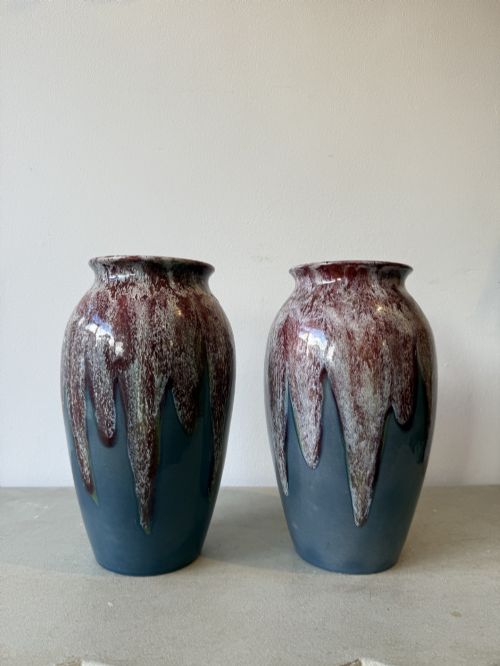
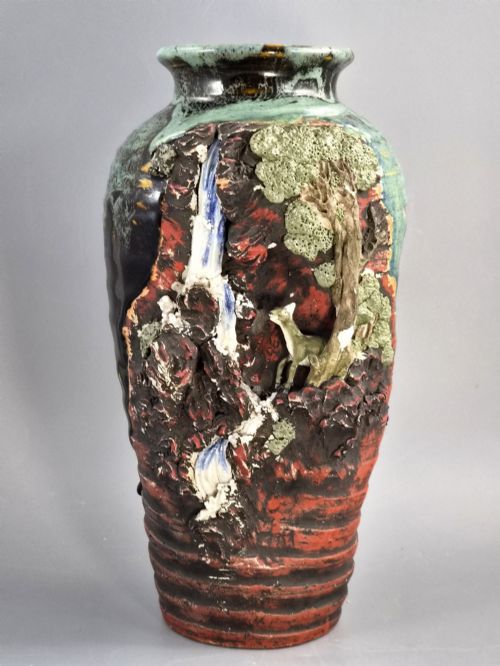
The objects on this page include tall baluster vases, sculptural landscape pieces with applied figures, twin-handled vessels, and converted table lamps. Makers worked within distinct regional traditions, combining European tube-lining and drip glazes with East Asian flambé and iron-red enamels.
What varies in quality
Quality rests in the depth and control of the glaze, where complex flambé runs and rich iron-red tones create visual movement across the ceramic body. Superior examples display crisp modelling on applied figures and precise hand-applied detailing rather than flat, uniform colouration.
The distinction between standard production and exceptional work also lies in the boldness of the form and the ambition of the design, such as intricate tube-lined patterns or sculptural landscape scenes executed by named makers.
The listings feature earthenware, stoneware, and porcelain pieces spanning the nineteenth and early twentieth centuries.
Burmantofts·Minton·Inoue Ryosai·William Moorcroft·Doulton
The Red Glazed Pottery Vase Glossary
- Flambé
- A streaky, variegated glaze achieved by reduction firing, producing dramatic crimson, purple, and blue tones. This technique requires expert kiln control.
- Tube-lined
- A decorative method where liquid clay is squeezed through a nozzle onto the vessel body to outline patterns before glazing. It creates a raised relief effect.
- Earthenware
- Porous pottery fired at lower temperatures, commonly used for nineteenth-century art pottery and Majolica. It is usually glazed to ensure it holds water.
- Stoneware
- A dense, impermeable ceramic fired at higher temperatures until vitrified. It provides a durable body for heavy glazes.
- Karako
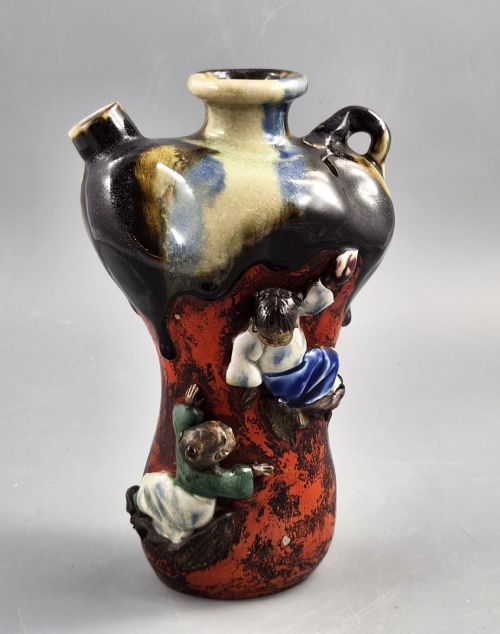
- A traditional motif depicting Chinese children at play, frequently modelled in relief on Japanese ceramics. These figures add narrative depth to sculptural vessels.
- Imari
- A Japanese export style characterised by underglaze blue and iron-red enamel overglaze highlights, often enriched with gold.
Red Glazed Pottery Vase: Frequently Asked Questions
How do I identify a Japanese Sumida Gawa vase?
Sumida Gawa pottery is distinguished by its heavy, dripping flambé glazes and crudely textured surfaces, often featuring modelled figures climbing the sides.
These pieces were produced in Tokyo around the Meiji and Taisho periods and frequently bear artist signatures on applied plaques.
What is Edwardian art pottery?
Edwardian art pottery encompasses decorative vessels made in Britain during the early twentieth century, focusing on artistic glazes and hand-finished designs.
Factories and studios experimented heavily with tube-lining and rich red colourways during this era.
Can these vases hold water safely?
Most glazed earthenware, stoneware, and porcelain vases are fully vitrified or interior-glazed, making them suitable for holding water.
However, antique pieces with delicate applied figures or exposed porous clay should be handled with care to avoid moisture damage.
How should I display a large ceramic vase?
Large baluster and twin-handled vases look best placed on sturdy low tables or pedestals where their height and glaze variations can be appreciated from multiple angles.
Keep them away from direct foot traffic to protect delicate applied elements and rim details.